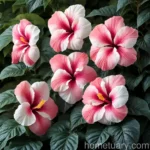
The Beauty of Hardy Hibiscus (Hibiscus ‘Pitter Patti’)
Hardy hibiscus, or Hibiscus ‘Pitter Patti’, is a magnificent plant with stunning flowers that brighten up any garden or landscape. This article will provide in-depth insights into the cultivation, care, and characteristics of the hardy hibiscus, offering a comprehensive guide for both seasoned gardeners and beginners. From understanding its water and sunlight requirements to exploring its growth habits and propagation methods, this article will cover all aspects of growing and maintaining the beautiful hardy hibiscus.
What is Hardy Hibiscus (Hibiscus ‘Pitter Patti’)?
Hardy hibiscus, scientifically known as Hibiscus ‘Pitter Patti’, is a perennial plant renowned for its large, showy flowers. This variety of hibiscus belongs to the Malvaceae family and is prized for its ability to thrive in a wide range of environmental conditions. The ‘Pitter Patti’ cultivar is especially beloved for its stunning blossoms in shades of pink, red, and white.
Key Takeaways – Hardy Hibiscus (Hibiscus ‘Pitter Patti’)
Before delving into the details of cultivation and care, let’s take a moment to highlight the key aspects of hardy hibiscus:
- Scientific Name: Hibiscus ‘Pitter Patti’
- Plant Type: Perennial
- Family: Malvaceae
- Notable Feature: Large, showy flowers in pink, red, and white hues
- Growing Zone: Suitable for zones 4 to 9
- Water Needs: Adequate moisture, especially during the active growing season
- Sunlight Requirements: Full sun for optimal flowering
- Soil Preferences: Rich, well-draining soil
- Maintenance: Regular pruning and fertilization for healthy growth and abundant blooms
- Propagation: Can be propagated through stem cuttings or seeds
- Common Pests: Keep an eye out for aphids, spider mites, and Japanese beetles
- Common Diseases: Susceptible to fungal diseases, particularly in humid conditions
- Container Gardening: Suitable for large containers, provided they have ample space for root development
- Landscape Uses: Ideal for borders and as a focal point due to its striking flowers
With these key takeaways in mind, let’s explore the detailed elements of cultivating and nurturing the hardy hibiscus to ensure it thrives in various settings.
Culture
Uses
Hardy hibiscus serves both practical and aesthetic purposes in gardens and landscapes. Its striking flowers make it a beautiful addition to any outdoor space, while its ability to attract pollinators adds ecological value. Additionally, the hardy hibiscus can be cultivated for its potential medicinal properties, as some species within the hibiscus genus have been used in traditional medicine for their diuretic and antispasmodic properties.
Water
Proper watering is essential for the health and vitality of the hardy hibiscus. During the active growing season, which typically spans from spring to early fall, the plant requires consistent moisture to support robust growth and profuse flowering. While the hardy hibiscus appreciates moist conditions, it is crucial to avoid waterlogged soil, as excessive moisture can lead to root rot and other detrimental conditions.
- Watering Needs: Adequate moisture, allowing the top layer of soil to dry slightly between waterings.
- Frequency: Water deeply once or twice a week, depending on the weather conditions and soil moisture levels.
- Drought Tolerance: While hardy hibiscus appreciates moisture, it exhibits good drought tolerance once established. However, prolonged periods of drought can impact flowering and overall plant health.
Sunlight
Adequate sunlight is crucial for the hardy hibiscus to produce its iconic blooms and maintain robust growth. As a sun-loving plant, the hardy hibiscus thrives in full sun conditions and may exhibit reduced flowering and weaker growth in partial shade.
- Sunlight Requirements: Full sun, which translates to at least 6 to 8 hours of direct sunlight daily.
- Sun Exposure: Plant the hardy hibiscus in a location that receives ample sunlight, such as south or west-facing areas of the garden or landscape.
Fertilizer
Providing the hardy hibiscus with appropriate nutrients is essential for supporting its flowering capacity and overall health. Fertilization should be tailored to meet the plant’s needs during different stages of growth.
- Fertilizer Type: Choose a balanced, slow-release fertilizer formulated for flowering plants.
- Application Schedule: Fertilize in early spring as new growth emerges and again in mid-summer to support the plant’s blooming phase.
- Application Method: Scatter the fertilizer evenly around the base of the plant, following the recommended dosage on the product packaging.
- Avoid Overfertilization: Excessive fertilizer application can lead to salt buildup in the soil and may cause adverse effects on the plant’s health.
Soil
Selecting the right type of soil and ensuring proper soil preparation are integral to the successful cultivation of the hardy hibiscus. The plant thrives in well-draining, nutrient-rich soil and requires adequate aeration for healthy root development.
- Soil Type: Rich, well-draining soil that retains moisture without becoming waterlogged is optimal for hardy hibiscus. A blend of loamy soil with added organic matter, such as compost or well-rotted manure, provides an ideal growing medium.
- Soil pH: Hardy hibiscus flourishes in slightly acidic to neutral soil with a pH range of 6.0 to 7.0.
- Soil Preparation: Prior to planting, amend the soil with organic matter to enhance its fertility and drainage capabilities. This preparatory step sets the stage for healthy root establishment and vigorous growth.
Pruning
Regular pruning is an essential aspect of hardy hibiscus maintenance, contributing to the plant’s overall appearance and promoting abundant flowering. Pruning tasks include removal of spent blooms, shaping the plant, and managing its growth to maintain a desirable form.
- Pruning Frequency: Engage in pruning activities as needed throughout the growing season. Deadheading spent flowers and shaping the plant can enhance its aesthetic appeal.
- Winter Pruning: During late winter or early spring, prune back the hardy hibiscus to encourage new growth and ensure an attractive form for the upcoming growing season.
- Pruning Technique: Use clean, sharp pruning shears to make precise cuts, removing dead or damaged branches and shaping the plant as desired.
Propagation
Expanding your collection of hardy hibiscus or sharing this beautiful plant with friends can be achieved through the propagation of stem cuttings or seeds.
- Stem Cuttings: Propagate the hardy hibiscus by taking stem cuttings from a healthy, established plant during the active growth phase. Prepare the cuttings by removing lower leaves, dipping the cut ends in rooting hormone, and planting them in a well-draining potting mix.
- Seed Propagation: Harvest seeds from mature hibiscus seed pods and sow them in a suitable growing medium. Keep the soil consistently moist and provide a warm, bright environment to support germination.
- Rooting Success: Whether propagating through cuttings or seeds, maintaining adequate humidity and warmth is essential for successful rooting and early growth of new hibiscus plants.
Container Popularity
While hardy hibiscus thrives when planted directly in the ground, it also adapts well to container cultivation. The plant’s ornamental value makes it an attractive choice for adding vibrant color and visual interest to patios, decks, and other outdoor living spaces.
- Container Size: Select a large, sturdy container with sufficient space for the hibiscus’s root system to expand. A 15-gallon container or larger is typically recommended to accommodate the plant’s growth.
- Drainage: Ensure that the container has adequate drainage holes to prevent waterlogging, as excess moisture can be detrimental to the plant’s health when grown in a container.
- Soil Mix: Use a well-draining, nutrient-rich potting mix formulated for flowering plants to support the hibiscus’s growth and blooming capacity in a container setting.
Common Diseases
Like many plants, hardy hibiscus is susceptible to certain diseases, particularly those caused by fungal pathogens. Understanding the common diseases and their symptoms is crucial for early diagnosis and effective management.
Disease Diagnosis
- Leaf Spot: Characterized by the development of dark spots or lesions on the plant’s foliage, leaf spot is a common fungal disease that can affect hardy hibiscus. To prevent its spread, promptly remove and dispose of infected leaves and ensure proper air circulation.
- Powdery Mildew: This fungal disease presents as a powdery, whitish coating on the plant’s leaves and stems. Maintain adequate spacing between plants to promote air circulation and consider applying fungicidal treatments to manage powdery mildew outbreaks.
- Root Rot: Excessive soil moisture can lead to root rot, causing the plant to exhibit wilting, yellowing leaves, and overall decline. Avoid overwatering and ensure that the soil drains effectively to mitigate the risk of root rot.
Common Pests
In addition to diseases, hardy hibiscus may also face challenges from various pests that can impact its health and appearance. Monitoring the plant regularly and employing appropriate pest management strategies are vital for preserving its vigor.
- Aphids: These small, pear-shaped insects can congregate on the plant’s new growth, causing distortion and discoloration of the foliage. Use a gentle stream of water to dislodge aphids from the plant or apply insecticidal soap as a targeted treatment.
- Spider Mites: Infestations of spider mites may result in stippled, discolored leaves as these pests feed on the plant’s juices. Regularly misting the plant with water and using horticultural oil can help control spider mite populations.
- Japanese Beetles: These voracious feeders can skeletonize the leaves of hardy hibiscus, leading to unsightly damage. Handpick adult beetles from the plant and consider using traps or biological control methods to manage Japanese beetle populations.
Botanist’s Tips
To ensure the successful cultivation of hardy hibiscus and enhance its performance in the garden or landscape, consider the following expert tips:
- Mulching: Apply a layer of organic mulch around the base of the hibiscus to conserve soil moisture, suppress weed growth, and provide insulation to the plant’s root system.
- Support Structure: In regions with strong winds or heavy rainfall, consider providing structural support, such as stakes or a trellis, to anchor the hibiscus and prevent damage to its stems and flowers.
- Companion Planting: Pair the hardy hibiscus with companion plants such as ornamental grasses, coneflowers, or salvias to create visually appealing combinations and enhance the overall aesthetic of the garden.
Fun Facts
As we delve deeper into the realm of hardy hibiscus, let’s appreciate some interesting and lesser-known facts about this enchanting plant:
- Insect Diversity: The large, vibrant flowers of hardy hibiscus attract a wide array of pollinators, including bees, butterflies, and hummingbirds, contributing to the biodiversity of the garden or landscape.
- Edible Flowers: In addition to its ornamental value, certain hibiscus species are coveted for their edible flowers, which can be used to prepare refreshing beverages and herbal teas.
- Cultural Significance: Hibiscus blooms hold cultural significance in various traditions and have been symbolically associated with beauty, love, and delicate elegance in different cultures around the world.
Links to External Resources
To expand your knowledge and further explore the world of hardy hibiscus, consider delving into the following external resources:
- Hardy Hibiscus Care Guide
- Growing Hibiscus ‘Pitter Patti’
- Practical Tips for Hardy Hibiscus Maintenance
In conclusion, the hardy hibiscus, represented by the captivating Hibiscus ‘Pitter Patti’ cultivar, stands out as a remarkable perennial plant with its dazzling flowers and adaptability to diverse growing conditions. By understanding its unique preferences and requirements, gardeners can cultivate and cherish this exceptional plant, adding vibrant color and visual allure to their outdoor spaces. Whether you’re drawn to its striking blooms, ecological benefits, or medicinal potential, the hardy hibiscus undoubtedly holds a special place in the world of ornamental and functional plants, embodying nature’s beauty and resilience.
As we celebrate the enchanting allure of hardy hibiscus, may this comprehensive guide inspire and empower you to embark on a rewarding journey of cultivating and tending to these exquisite plants, nurturing their growth and relishing the joy they bring to the garden and beyond.