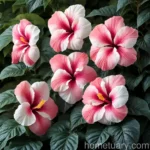
Chinese Hibiscus (Hibiscus rosa-sinensis ‘Persimmon’)
Chinese hibiscus, scientifically known as Hibiscus rosa-sinensis ‘Persimmon’, is a stunning flowering plant renowned for its vibrant, colorful flowers. This plant belongs to the Malvaceae family and is native to East Asia. It is widely cultivated for its ornamental value and is prized for its ability to thrive in tropical and subtropical climates. In this blog post, we will delve into the various aspects of Chinese hibiscus care, its cultural significance, uses, maintenance requirements, and much more.
What is a Plant?
Plants are living organisms that belong to the kingdom Plantae. They are multicellular organisms with green pigment chlorophyll which helps them in photosynthesis. Plants are essential for the earth’s ecosystem as they are primary producers, converting the sun’s energy into food through the process of photosynthesis. Plants are vital for human life as they produce oxygen and provide food, medicine, and materials for shelter and clothing.
Key Takeaways – Chinese Hibiscus (Hibiscus rosa-sinensis ‘Persimmon’)
Before getting into the detailed care guidelines for Chinese hibiscus, let’s go through the key takeaways for quick reference:
Culture
- Chinese hibiscus, also known as Hibiscus rosa-sinensis ‘Persimmon’, is a popular ornamental plant due to its striking, colorful flowers.
- It requires a tropical or subtropical climate to thrive and is commonly grown for its aesthetic appeal in gardens and landscapes.
Uses
- The Chinese hibiscus is primarily used for ornamental purposes, adding a touch of natural beauty to gardens, parks, and indoor spaces.
- In some cultures, hibiscus flowers are used for medicinal and culinary purposes.
Water
- Chinese hibiscus prefers consistently moist, well-draining soil and regular watering to maintain its vibrant blooms and healthy foliage.
Sunlight
- It thrives in full sunlight, requiring at least 6-8 hours of direct sunlight per day for optimal growth and flowering.
Fertilizer
- Regular applications of a balanced, water-soluble fertilizer during the growing season will promote healthy growth and prolific flowering.
Soil
- Well-draining, slightly acidic to neutral soil with good fertility is ideal for Chinese hibiscus. It is adaptable to a variety of soil types as long as they are well-draining.
Pruning
- Pruning helps maintain the plant’s shape, encourages bushier growth, and removes old, diseased, or straggly branches.
Propagation
- Chinese hibiscus can be propagated from cuttings, seeds, or air layering methods.
Container Popularity
- Due to its tropical nature, Chinese hibiscus is often grown in containers, allowing individuals in non-tropical regions to enjoy its beauty.
Common Diseases
- Chinese hibiscus is susceptible to certain diseases such as leaf spot, powdery mildew, and root rot, especially under unfavorable growing conditions.
Disease Diagnosis
- Regular observation of the plant for signs of discoloration, wilting, or abnormal growth will help in diagnosing and treating diseases promptly.
Common Pests
- Aphids, mealybugs, scale insects, and spider mites are common pests that can affect Chinese hibiscus, leading to foliage damage and reduced vigor.
Botanist’s Tips
- Regular monitoring, proper watering, suitable fertilization, and timely pest and disease management are key to maintaining healthy Chinese hibiscus plants.
Fun Facts
- The flowers of Chinese hibiscus come in a wide range of colors, including red, pink, yellow, and orange.
- In some cultures, hibiscus flowers are used in making herbal teas and decorative crafts.
Links to External Resources
For comprehensive information on Chinese hibiscus care, refer to the following resources:
– The American Hibiscus Society
– Royal Horticultural Society – Hibiscus rosa-sinensis
Now, let’s dive deeper into each aspect of Chinese hibiscus care to understand how to best nurture these stunning plants.
Chinese Hibiscus Care
Chinese Hibiscus Plant Characteristics
Chinese hibiscus (Hibiscus rosa-sinensis ‘Persimmon’) is a captivating evergreen shrub that can grow up to 4-8 feet in height. The plant features glossy, dark green leaves and produces large, showy flowers throughout the growing season. The flowers can range in color from vibrant reds and pinks to softer yellows and oranges, adding a stunning visual appeal to the surroundings.
Chinese Hibiscus Planting Guide
When planting Chinese hibiscus, it is essential to consider the climatic requirements of the plant. This species thrives in tropical and subtropical climates and is best suited for USDA hardiness zones 9-11. If you reside in a cooler climate, you can grow Chinese hibiscus in containers and bring them indoors during the colder months to protect them from frost.
The ideal time for planting Chinese hibiscus is during the warmer months, typically in spring after the last frost has passed. It is essential to ensure that the planting site receives ample sunlight and has well-draining soil to facilitate healthy growth.
Chinese Hibiscus Growing Conditions
Chinese hibiscus thrives in warm climates and prefers temperatures ranging from 60°F to 90°F (15°C to 32°C). It is crucial to provide the plant with consistent warmth and protect it from extreme temperature fluctuations, especially during the colder months.
In terms of humidity, Chinese hibiscus enjoys higher humidity levels, making it well-suited for tropical environments. In regions with lower humidity, occasional misting or placing the plant on a humidity tray can help create a more favorable growing environment.
Chinese Hibiscus Sunlight Requirements
Sunlight is vital for the growth and flowering of Chinese hibiscus. It thrives in full sunlight and requires a minimum of 6-8 hours of direct sunlight per day. Placing the plant in a sunny, south-facing location will ensure that it receives an adequate amount of sunlight to promote robust growth and prolific flowering.
Chinese Hibiscus Water Requirements
Proper watering is crucial for the health and vitality of Chinese hibiscus. It is important to maintain consistently moist soil, allowing the top inch of the soil to dry out slightly between waterings. Overwatering can lead to root rot and other moisture-related issues, while underwatering may cause stress and hinder flower production.
To ensure optimal moisture levels, consider watering your Chinese hibiscus in the morning to allow excess moisture to evaporate during the day. Adjust the frequency of watering based on the environmental conditions, ensuring that the soil remains evenly moist without becoming waterlogged.
Chinese Hibiscus Soil Requirements
Chinese hibiscus thrives in well-draining, slightly acidic to neutral soil with good fertility. A loamy, well-aerated soil enriched with organic matter is ideal for promoting healthy growth and flowering. The plant can adapt to a range of soil types, provided that they offer sufficient drainage to prevent waterlogging.
When planting Chinese hibiscus in containers, using a high-quality potting mix specifically formulated for flowering plants can provide the necessary nutrients and drainage for the plant’s roots.
Chinese Hibiscus Fertilizing Tips
Fertilizing Chinese hibiscus during the growing season is essential to support its vigorous growth and abundant flowering. Using a balanced, water-soluble fertilizer with a formulation such as 10-10-10 or 20-20-20 will provide the necessary nutrients for the plant’s development.
During the active growing period, apply a diluted fertilizer solution every 2-3 weeks to ensure that the plant receives a steady supply of essential nutrients. However, it is important to reduce or stop fertilization during the plant’s dormant or resting phase in late fall and winter.
Chinese Hibiscus Pruning Techniques
Pruning is an integral part of Chinese hibiscus maintenance and serves several purposes, including maintaining the plant’s shape, promoting bushier growth, and removing old or diseased branches. Regular pruning also encourages the production of new flower buds, leading to a more abundant display of blooms.
When pruning Chinese hibiscus, use sharp, sterile pruning shears to make clean cuts without causing unnecessary damage to the plant. Remove any dead, damaged, or crossing branches, as well as spent flowers to encourage continuous blooming.
Chinese Hibiscus Propagation
Chinese hibiscus can be propagated through various methods, including:
– Cuttings: Propagate Chinese hibiscus from stem cuttings taken during the growing season. Ensure that the cuttings have several leaf nodes and propagate them in a well-draining rooting medium until roots develop.
– Seeds: Collect ripe hibiscus seeds and propagate them in a germination medium to produce new plants.
– Air Layering: Encourage the development of roots on a healthy stem by employing air layering, a method that involves creating a small incision and inducing rooting before separating the new plant from the parent.
Each propagation method has its advantages and can be chosen based on the availability of plant material and the desired propagation success rate.
Chinese Hibiscus Varieties
Chinese hibiscus, known for its diverse and vibrant flowers, is available in a wide range of cultivars and varieties. These varieties showcase an array of colors, petal shapes, and growth habits, providing options for enthusiasts and gardeners to select plants that suit their preferences and design needs.
Common varieties of Chinese hibiscus include single-flowered, double-flowered, and multicolored blooms, each contributing to the species’ visual appeal and ornamental value.
Chinese Hibiscus Flowering Period
Chinese hibiscus exhibits a prolonged flowering period, typically from late spring to early fall, during which it produces an abundance of large, colorful flowers. The plant’s flowering cycle is influenced by environmental factors such as light, temperature, and moisture, with optimal growing conditions leading to consistent and prolific blooming.
Chinese Hibiscus Medicinal Uses
In addition to its ornamental value, certain species of hibiscus, including Hibiscus rosa-sinensis, are utilized for their medicinal properties. The plant is used in traditional medicine for various purposes, including promoting cardiovascular health, managing blood pressure, and providing antioxidant support.
Extracts derived from hibiscus flowers and leaves are incorporated into herbal teas, dietary supplements, and herbal remedies, highlighting the plant’s diverse applications beyond its aesthetic allure.
Chinese Hibiscus Blooming Tips
To encourage abundant flowering in Chinese hibiscus, consider the following tips:
– Ensure that the plant receives adequate sunlight as it is vital for initiating and sustaining the flowering process.
– Provide consistent moisture and avoid drought stress, as adequate hydration supports healthy flower production.
– Implement a regular fertilization schedule to supply essential nutrients for robust growth and prolific blooming.
– Prune the plant selectively to remove spent flowers and encourage the development of new flower buds.
By adhering to these tips and maintaining optimal growing conditions, you can enhance the blooming performance of Chinese hibiscus and enjoy a profusion of vibrant, eye-catching flowers.
Chinese Hibiscus Pruning Schedule
Pruning Chinese hibiscus should be conducted primarily during the active growing season to shape the plant, remove dead or diseased growth, and stimulate new bud formation. The best time to prune is in early spring, just before the onset of new growth, to allow the plant to recover and produce vigorous, healthy shoots.
Avoid extensive pruning during the late fall and winter months, as this can disrupt the plant’s natural growth cycle and may result in reduced flowering during the upcoming season.
Chinese Hibiscus Soil pH Requirements
Chinese hibiscus thrives in slightly acidic to neutral soil with a pH range of 6.0 to 7.0. The availability of essential nutrients in the soil is influenced by its pH level, and maintaining an optimal pH range ensures that the plant can access these nutrients for healthy growth and flowering.
It is advisable to periodically test the pH of the soil using a soil testing kit and make necessary adjustments using soil amendments to maintain the desired pH range for Chinese hibiscus cultivation.
Chinese Hibiscus Pests and Diseases
Despite being a resilient and vigorous plant, Chinese hibiscus is susceptible to certain pests and diseases that can affect its growth and overall health. Common pests that may infest Chinese hibiscus include aphids, mealybugs, scale insects, and spider mites, which can cause damage to the foliage and weaken the plant.
Additionally, the plant is prone to diseases such as leaf spot, powdery mildew, and root rot, particularly when subjected to unfavorable growing conditions or inadequate care. Regular monitoring, timely intervention, and appropriate cultural practices are pivotal in preventing and managing pest and disease issues.
Chinese Hibiscus Container Gardening
Container gardening provides an excellent opportunity for individuals in non-tropical regions to cultivate Chinese hibiscus and enjoy its stunning blooms. When growing Chinese hibiscus in containers, it is essential to select a spacious pot with adequate drainage holes to prevent waterlogging and root suffocation.
Use a high-quality potting mix that offers good drainage and aeration to support the plant’s root system. Position the container in a sunny location and monitor the soil moisture to ensure that the plant is provided with suitable growing conditions.
Chinese Hibiscus Indoor
Chinese hibiscus can also thrive as an indoor plant in regions where outdoor cultivation may be challenging due to climatic limitations. When grown indoors, ensure that the plant receives ample sunlight by placing it near a south-facing window or providing supplemental grow lights to mimic natural sunlight.
Maintain consistent watering and moderate humidity levels to create a favorable indoor environment for Chinese hibiscus, allowing it to flourish and produce its vibrant flowers within the confines of indoor spaces.
Chinese Hibiscus Companion Plants
When planning the landscape or garden design, consider incorporating complementary companion plants that can accentuate the beauty of Chinese hibiscus. You can pair the striking blooms of Chinese hibiscus with other flowering plants, such as lantana, bougainvillea, or pentas, to create a visually stunning and diverse garden display.
In addition, ornamental grasses, ferns, or foliage plants can serve as attractive background elements, adding texture and contrast to the overall garden composition. Selecting compatible companion plants can contribute to a cohesive and visually appealing garden space.
Chinese Hibiscus Seasonality
Chinese hibiscus displays distinct seasonal preferences and requirements that influence its growth and flowering patterns. Understanding the plant’s seasonality enables gardeners to provide appropriate care tailored to the plant’s changing needs throughout the year.
During the active growing season, provide ample sunlight, regular watering, and fertilization to support vigorous growth and flowering. As the plant transitions into the dormant phase in late fall and winter, reduce watering, withhold fertilization, and protect the plant from cold temperatures to ensure its survival and readiness for the upcoming growing season.
Chinese Hibiscus Flower Colors
One of the most captivating features of Chinese hibiscus is the wide array of flower colors it exhibits. From vibrant reds and pinks to sunny yellows and rich oranges, the diverse color palette of Chinese hibiscus flowers adds a vibrant and dynamic element to gardens and landscapes.
The variation in flower colors presents numerous options for garden designers and enthusiasts, allowing them to create stunning displays and arrangements that showcase the plant’s captivating blooms in various hues and combinations.
Chinese Hibiscus Fragrance
Some varieties of Chinese hibiscus exhibit a subtle, sweet fragrance associated with their flowers, adding an olfactory dimension to their ornamental appeal. The delicate fragrance of hibiscus flowers can enhance the sensory experience of the garden, providing an aromatic backdrop to the visual splendor of the blooms.
When selecting Chinese hibiscus cultivars, consider exploring varieties that offer fragrant blooms, further enriching the sensory attributes of the plant and contributing to a multi-dimensional garden experience.
Chinese Hibiscus Bird Attractor
The vibrant blooms of Chinese hibiscus can attract various species of birds, contributing to the allure of the garden and supporting local avian populations. Birds are drawn to the nectar and pollen offered by hibiscus flowers, making them a valuable resource for pollinators and beneficial wildlife.
By cultivating Chinese hibiscus in the garden, you can create a welcoming and hospitable environment for birds, encouraging their presence and fostering a harmonious relationship between flora and fauna.
Chinese Hibiscus Natural Remedies
In addition to its ornamental and culinary uses, certain parts of the Chinese hibiscus plant are employed in traditional and herbal medicine for their therapeutic properties. The plant’s leaves, flowers, and extracts are utilized in crafting natural remedies and herbal preparations known for their potential health benefits.
Hibiscus tea, made from the dried petals of the plant, is renowned for its antioxidant properties, while hibiscus extracts are incorporated into herbal formulations designed to support overall well-being.
Chinese Hibiscus Heat Tolerance
Chinese hibiscus demonstrates a remarkable tolerance for heat and thrives in warm, tropical climates. The plant can withstand higher temperatures characteristic of its native habitats, provided that it is supplied with sufficient moisture and protected from prolonged periods of intense heat and drought.
In regions with hot climates, it is important to provide ample shade during the peak of summer, especially during scorching midday hours, to shield the plant from excessive heat stress and minimize the risk of heat-related damage.
Chinese Hibiscus Winter Care
During the winter months, Chinese hibiscus undergoes a resting phase, requiring adjusted care to ensure its well-being and readiness for the upcoming growing season. When preparing Chinese hibiscus for winter, consider the following care practices:
- Reduced Watering: Decrease the frequency of watering as the plant’s growth slows down during the dormant period. Allow the soil to dry out slightly between waterings to mitigate the risk of overwatering.
- Protection from Cold: Shield the plant from cold drafts, frost, and freezing temperatures by bringing container-grown Chinese hibiscus indoors or providing suitable insulation for outdoor plants.
- Limited Fertilization: Withhold fertilization during the winter months to allow the plant to rest and conserve its energy for the following growing season.
By implementing these winter care practices, you can safeguard the health and vitality of Chinese hibiscus during the colder months, ensuring that it emerges strong and healthy when the warmer weather arrives.
Chinese Hibiscus Fruit Production
Some varieties of Chinese hibiscus are capable of producing ornamental fruits, adding an additional element of interest to the plant’s aesthetic appeal. The fruits of Chinese hibiscus are typically small, dry capsules that develop after the flowers have faded.
While not all varieties of Chinese hibiscus produce fruits, those that do contribute to the plant’s overall visual appeal and offer an intriguing aspect of the plant’s life cycle beyond its vibrant flowers.
Conclusion
Chinese hibiscus (Hibiscus rosa-sinensis ‘Persimmon’) is an exquisite flowering plant renowned for its captivating blooms, cultural significance, and diverse utility. By understanding its unique traits, specific care requirements, and ornamental value, individuals can cultivate and appreciate the beauty of Chinese hibiscus in a variety of settings, from gardens to indoor environments.
As horticultural enthusiasts and gardeners, embracing the art