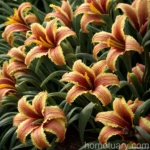
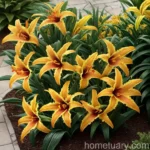
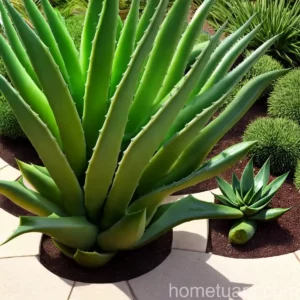
Daylily (Hemerocallis ‘Painted Trillium’)
Introduction
Daylilies are among the most popular and widely grown perennial plants appreciated for their ease of care and stunning blooms. The Hemerocallis genus consists of numerous species and cultivars, offering a vast array of flower colors, shapes, and sizes. Among these captivating daylilies, the ‘Painted Trillium’ stands out for its distinct characteristics and beauty. In this comprehensive guide, we will explore the culture, uses, and maintenance of the daylily (Hemerocallis ‘Painted Trillium’), shedding light on its optimal growing conditions and how to care for this spectacular plant.
What is the daylily (Hemerocallis ‘Painted Trillium’)?
The daylily (Hemerocallis) is a perennial plant from the Hemerocallidaceae family, known for its stunning flowers that only last for a day. Despite their short lifespan, daylilies are prolific bloomers, and their botanical name Hemerocallis, literally means “beauty for a day.” The ‘Painted Trillium’ cultivar is celebrated for its unique characteristics, making it a desirable addition to gardens and landscapes.
Key Takeaways – daylily (Hemerocallis ‘Painted Trillium’)
Culture
- Daylilies are versatile and adaptable plants that can thrive in various climates and soil conditions.
- They are low maintenance and resilient, making them an ideal choice for beginners and experienced gardeners alike.
Uses
- Daylilies are primarily cultivated for their ornamental value, adding vibrant colors and textures to gardens, borders, and containers.
- Some daylily varieties are also utilized in culinary practices, with the edible flowers adding a delightful touch to salads and other dishes.
Water
- The water needs of daylilies vary depending on factors such as climate, soil type, and plant size. However, they generally prefer consistently moist but well-drained soil.
Sunlight
- Daylilies thrive in full sun to partial shade, requiring at least 6 hours of direct sunlight to promote robust flowering and healthy growth.
Fertilizer
- Fertilizing daylilies with a balanced, slow-release fertilizer in early spring can enhance blooming and overall plant vigor. Organic fertilizers or compost can also be beneficial.
Soil
- Well-drained, fertile soil with a slightly acidic to neutral pH is ideal for daylilies. Amending heavy clay or sandy soils with organic matter can improve soil structure and fertility.
Pruning
- Pruning spent flower stalks and removing dead or yellowing foliage can tidy up the plant and encourage a neater appearance and potential reblooming.
Propagation
- Daylilies can be propagated through division, seed germination, or hybridization. Division is the most common and effective method for maintaining genetic purity and promoting robust growth.
Container
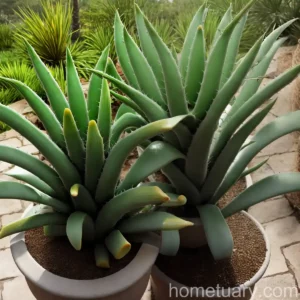
- Daylilies can thrive in containers, providing the proper soil, drainage, and space for root development. Container-grown daylilies can adorn patios, balconies, and other outdoor spaces with their colorful blooms.
Popularity
Daylilies are renowned for their wide popularity among gardeners and landscapers. Their adaptability, stunning blooms, and minimal maintenance requirements contribute to their widespread presence in gardens, public landscapes, and floral arrangements.
Common Diseases
- Daylilies are generally resilient, but they can be susceptible to certain diseases such as leaf streak, crown rot, and rust. Providing adequate air circulation and proper sanitation practices can help prevent disease development.
Disease diagnosis
- Diseases in daylilies can be diagnosed based on visual symptoms, such as leaf discoloration, spots, or deformities. Additionally, professional diagnosis or laboratory testing can determine the specific disease affecting the plant.
Common pests
- Daylilies may face challenges from pests such as aphids, thrips, and spider mites. Regular monitoring and prompt intervention using organic or conventional pest control methods can mitigate pest infestations.
Botanist’s tips
- Incorporating a diversity of daylily cultivars and species in garden designs can create stunning visual displays and extend the blooming period.
- Observing and recording the performance of daylilies under different environmental conditions can provide valuable insights for optimal cultivation.
Fun facts
- Daylilies are not actually lilies; they belong to the Hemerocallidaceae family and are not true lilies (Lilium spp.).
- The daylily flower buds and blooms are edible, adding a colorful and flavorful element to various culinary creations.
Links to External Resources
Plant Name: “daylily (Hemerocallis ‘Painted Trillium’)”
Conclusion
The daylily (Hemerocallis ‘Painted Trillium’) exhibits a remarkable blend of aesthetic appeal and ease of cultivation, making it a cherished plant in the horticultural world. Appreciating the versatile uses, optimal growing conditions, and maintenance practices for this exquisite daylily variety can empower gardeners and enthusiasts to create captivating landscapes and explore the beauty of Hemerocallis to its fullest potential.
As a plant scientist, it’s crucial to understand and appreciate the intricacies of daylilies, including the ‘Painted Trillium’ cultivar, to optimize their cultivation and showcase their splendor in gardens and natural settings. By delving into the nuanced care requirements, propagation techniques, and potential challenges facing daylilies, it becomes possible to enrich the horticultural community with invaluable knowledge and expertise.
References:
- “American Daylily Society” [https://daylilies.org/]
- “Hemerocallis Database” [https://www.daylilies.org/DaylilyDB/]