Hardy Hibiscus (Hibiscus ‘Cranberry Crush’)
In the world of horticulture, there are countless varieties of plants that captivate with their beauty and versatility. One such plant is the hardy.
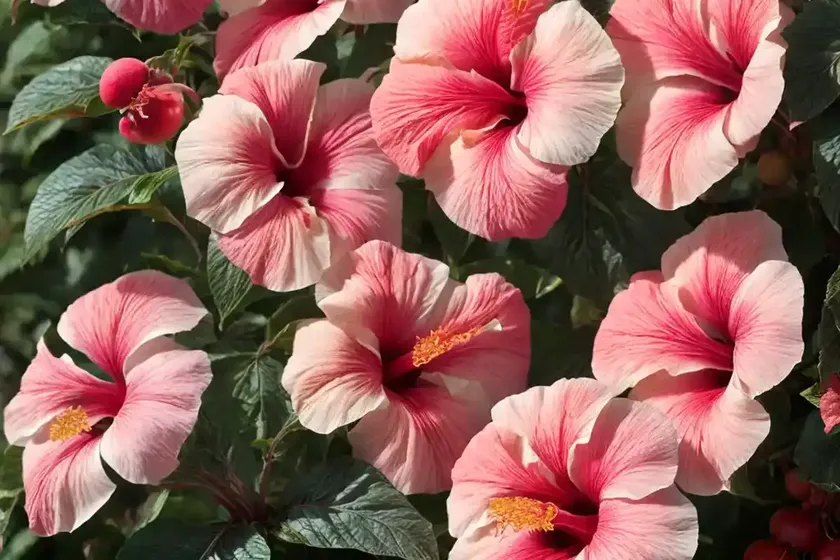
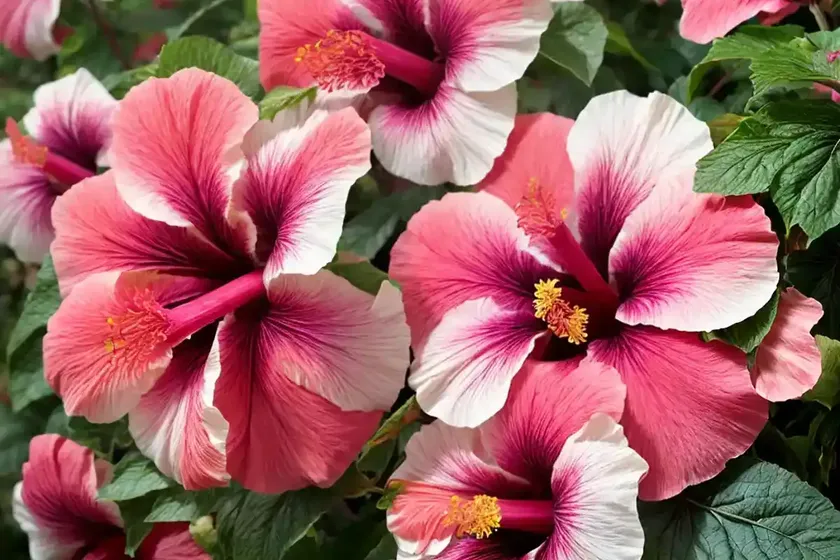
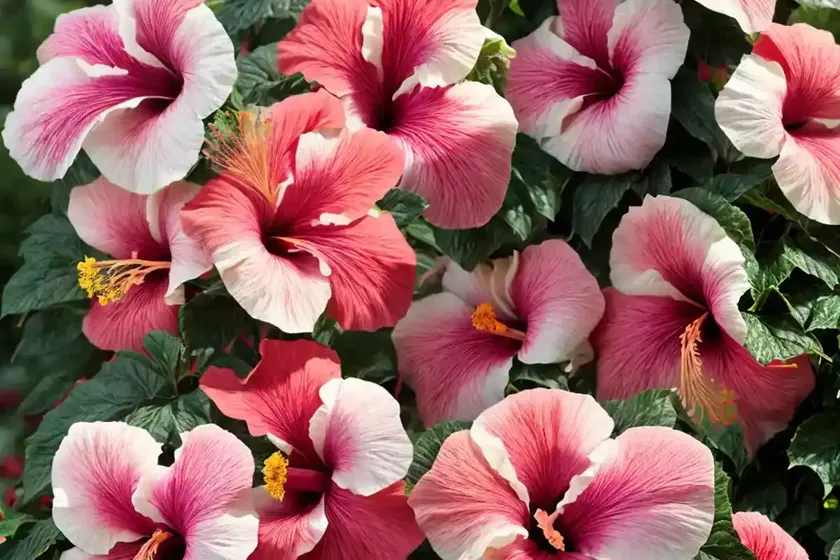
In the world of horticulture, there are countless varieties of plants that captivate with their beauty and versatility. One such plant is the hardy hibiscus, with its stunning and vibrant flowers, and adaptability to different environments. In this plant spotlight, we will delve into the world of hardy hibiscus, focusing on the popular cultivar ‘Cranberry Crush.’ We will explore its characteristics, cultivation, uses, and much more, to provide you with a comprehensive understanding of this remarkable plant.
What is Hardy Hibiscus (Hibiscus ‘Cranberry Crush’)?
Hardy hibiscus, scientifically known as Hibiscus moscheutos, is a herbaceous perennial belonging to the Malvaceae family. The ‘Cranberry Crush’ cultivar is renowned for its large, dinner plate-sized, deep red flowers with overlapping, slightly ruffled petals. This striking variety is characterized by its compact habit, making it an excellent choice for gardens, landscapes, and even containers.
Key Takeaways – Hardy Hibiscus (Hibiscus ‘Cranberry Crush’)
Before we delve into the specifics of growing and caring for ‘Cranberry Crush’ hibiscus, let’s take a look at some key takeaways to set the stage for our discussion:
- Hibiscus ‘Cranberry Crush’ – A striking cultivar of hardy hibiscus known for its deep red flowers and compact growth habit.
- Hardy Hibiscus Varieties – There are numerous varieties of hardy hibiscus, each with unique characteristics and colors.
- Hibiscus Plants – Hibiscus species are diverse and can range from small shrubs to large, showy perennials.
- Cranberry Crush Hibiscus Care – Proper care is essential for the successful cultivation of this vibrant plant.
- Best Hibiscus for Gardens – ‘Cranberry Crush’ is a popular choice for adding color and visual interest to garden landscapes.
- Hibiscus Shrubs – While commonly known for their large flowers, some hibiscus species also have shrub-like growth habits.
With these key takeaways in mind, let’s explore the various aspects of growing and caring for ‘Cranberry Crush’ hibiscus.
Culture
Uses
- Garden Landscapes: The ‘Cranberry Crush’ hibiscus is a popular choice for enhancing the visual appeal of garden landscapes, thanks to its striking flowers and compact growth habit.
- Container Gardening: Due to its manageable size, this hibiscus variety can thrive in containers, adding a splash of color to patios, balconies, and other outdoor spaces.
Water
Proper watering is crucial for the health and vitality of hardy hibiscus, including the ‘Cranberry Crush’ cultivar. Here are some key points to consider:
- Moist, Well-Drained Soil: Hardy hibiscus plants prefer consistently moist soil. However, it is essential to ensure that the soil is well-drained to prevent waterlogging, which can lead to root rot.
- Regular Watering: During the active growing season, maintain a regular watering schedule, ensuring that the soil remains evenly moist. Be mindful of watering during periods of drought or high temperatures.
Sunlight
Sunlight requirements play a vital role in the growth and flowering of ‘Cranberry Crush’ hibiscus:
- Full Sun: Hibiscus thrives in full sun, requiring at least 6-8 hours of direct sunlight each day for optimal growth and blooming.
- Morning Sun, Afternoon Shade: In hot climates, providing some protection from intense afternoon sun can help prevent heat stress and prolong the longevity of the flowers.
Fertilizer
Applying the right fertilizer can significantly impact the overall health and blooming performance of hardy hibiscus:
- Balanced Fertilizer: Use a balanced, slow-release fertilizer formulated for flowering plants to provide essential nutrients for robust growth and vibrant blooms.
- Frequency: Apply fertilizer in early spring as new growth emerges, and then again in mid-summer to support the plant’s nutritional needs during the peak growing season.
Soil
The soil composition and quality are key factors in ensuring the well-being of ‘Cranberry Crush’ hibiscus:
- Rich, Organic Soil: Hardy hibiscus thrives in nutrient-rich, well-amended soil. Incorporating organic matter such as compost or well-rotted manure can enhance soil fertility.
- pH Level: Aim for a slightly acidic to neutral pH range, ideally between 6.0 and 7.0, to create an optimal growing environment for the plant.
Pruning
Pruning promotes the development of a well-shaped and healthy hibiscus plant. Here are some essential pruning tips for ‘Cranberry Crush’ hibiscus:
- Spring Pruning: In late winter or early spring, prune the plant to remove any dead or damaged wood and encourage new growth.
- Deadheading: Regularly remove spent flowers to stimulate continuous blooming throughout the growing season and maintain the plant’s tidy appearance.
Propagation
For enthusiasts interested in propagating ‘Cranberry Crush’ hibiscus, several methods can be employed:
- Division: Divide mature plants in early spring, ensuring that each division has a good portion of the root system and several growing stems.
- Softwood Cuttings: Propagate new plants by taking softwood cuttings in the early summer, rooting them in a moist, well-draining medium, and providing the right conditions for successful establishment.
Container Popularity
The compact nature and vibrant flowers of ‘Cranberry Crush’ make it a sought-after choice for container gardening. Here are some reasons behind its popularity in containers:
- Versatility: ‘Cranberry Crush’ hibiscus adapts well to container environments, allowing individuals with limited garden space to enjoy its beauty on patios, balconies, or terraces.
- Visual Impact: The striking red flowers and lush foliage of this hibiscus variety create a visually appealing display in containers, serving as a focal point in outdoor settings.
Common Diseases
Among the various potential diseases that hibiscus plants may encounter, some key ones to be aware of include:
- Leaf Spot: This fungal disease can cause dark, water-soaked spots on the leaves, potentially leading to defoliation if left untreated.
- Powdery Mildew: Powdery white patches on the foliage are indicative of powdery mildew, a common fungal infection that can compromise the plant’s health and aesthetics.
Disease Diagnosis
Diagnosing and addressing diseases promptly is crucial in preventing further damage to ‘Cranberry Crush’ hibiscus:
- Visual Inspection: Regularly inspect the leaves, stems, and flowers for any signs of discoloration, spotting, or abnormal growth.
- Consulting Experts: In case of suspected disease issues, seek guidance from local horticultural experts or plant specialists to identify the specific problem and determine an appropriate course of action.
Common Pests
‘Hibiscus ‘Cranberry Crush’ is susceptible to various pests, including:
- Aphids: These small insects can congregate on the undersides of leaves and excrete honeydew, potentially leading to sooty mold development.
- Spider Mites: Infestations of spider mites can cause stippling and webbing on the foliage, leading to reduced vigor and overall plant health.
Botanist’s Tips
As a botanist, here are some valuable tips for cultivating and caring for ‘Cranberry Crush’ hibiscus:
- Mulching: Apply a layer of organic mulch around the base of the plant to conserve soil moisture, suppress weed growth, and moderate soil temperatures.
- Regular Monitoring: Keep a close eye on the plant’s growth, monitoring for any signs of stress, diseases, or pest infestations, and take proactive measures to address issues as they arise.
Fun Facts
To further appreciate the beauty and allure of ‘Cranberry Crush’ hibiscus, consider the following fun facts:
- Butterfly Magnet: The vibrant flowers of ‘Cranberry Crush’ hibiscus attract various butterflies and pollinators, adding a delightful touch to outdoor spaces.
- Extended Blooming Period: With proper care, ‘Cranberry Crush’ hibiscus can bloom from mid-summer well into the fall, providing an extended display of its stunning flowers.
Links to External Resources
For additional information and resources on hardy hibiscus (Hibiscus ‘Cranberry Crush’) and related topics, please refer to the following external links:
- American Hibiscus Society – A valuable resource for hibiscus enthusiasts, providing information on cultivation, care, and hibiscus varieties.
- University of Florida IFAS Extension – Offers comprehensive guidance on growing hibiscus, including care tips and pest management strategies.
- The National Gardening Association – Provides insights into the various hibiscus species and their growing requirements, serving as a helpful reference for gardening enthusiasts.
With this extensive guide, you can embark on your journey to cultivate and enjoy the beauty of ‘Cranberry Crush’ hibiscus, a captivating plant that adds vibrant color and visual interest to diverse outdoor settings. Whether you are drawn to its lush foliage, large blooms, or adaptability, this hardy hibiscus variety is sure to be a captivating addition to any garden or landscape. Happy gardening!


