Hamamelis x intermedia ‘Aurora’ (Witch Hazel): A Comprehensive Plant Guide
Introduction
Plants have always held a fascination and an allure for humans. Their beauty, diverse forms, and myriad uses make them an integral part of our lives. Among these enchanting plants, the Hamamelis x intermedia ‘Aurora’, also commonly known as Witch Hazel, is a remarkable specimen that captivates the attention of plant enthusiasts and scientists alike. In this guide, we will delve into the world of Hamamelis x intermedia ‘Aurora’ – exploring its culture, uses, care requirements, and benefits. We will also look at its common diseases, pests, and discuss best practices for its propagation, pruning, and maintenance.
What is Hamamelis x intermedia ‘Aurora’?
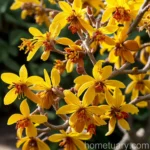
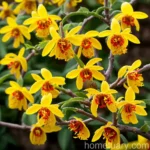
Hamamelis x intermedia ‘Aurora’, a hybrid of two species, namely Hamamelis japonica and Hamamelis mollis, is a deciduous shrub that belongs to the Hamamelidaceae family. This stunning plant is renowned for its fragrant, spidery, ribbon-like flowers, which bloom in late winter to early spring, adding a splash of color and vibrancy to the winter garden when most other plants are dormant. Its bright, sulfur-yellow to fiery orange-red blooms are a sight to behold and are often fragrant, providing a delightful olfactory experience.
Key Takeaways – Hamamelis x intermedia ‘Aurora’ (Witch Hazel)
Before we embark on a detailed exploration of Hamamelis x intermedia ‘Aurora’, let’s take a quick look at the key takeaways that we will cover in this comprehensive guide.
-
Name:
- Witch Hazel ‘Aurora’
- Hamamelis x intermedia ‘Aurora’
-
Variety:
- Hamamelis x intermedia ‘Aurora’
-
Plant Type:
- Shrub
-
Characteristics:
- Deciduous
- Fragrant, ribbon-like flowers
-
Uses:
- Ornamental
- Medicinal
-
Growth Habit:
- Upright-spreading
-
Hardiness:
- Zone 5-8
-
Soil:
- Well-drained, acidic to neutral
-
Sunlight:
- Full sun to partial shade
-
Water:
- Regular watering
-
Pruning:
- Minimal pruning required
-
Propagation:
- Seed, softwood cuttings
-
Common Pests:
- Aphids, scale insects
-
Common Diseases:
- Anthracnose, powdery mildew
-
Companion Plants:
- Hellebores, snowdrops
-
Maintenance:
- Low maintenance
-
Blooming Season:
- Late winter to early spring
Culture
Uses
Ornamental
Hamamelis x intermedia ‘Aurora’ is primarily cultivated for its ornamental value. The striking, fragrant flowers make it a coveted addition to gardens, landscapes, and arboretums. Its blooming period in late winter or early spring is particularly valuable, as it provides a burst of color when many other plants remain dormant.
Medicinal
In addition to its ornamental appeal, Witch Hazel has been used for centuries for its medicinal properties. The leaves, bark, and twigs of the Witch Hazel plant are used to extract an astringent liquid, which has astringent, anti-inflammatory, and hemostatic properties. This has led to its use in various medicinal and skincare products, including toners, ointments, and soaps.
Water
Hamamelis x intermedia ‘Aurora’ prefers consistently moist, well-drained soil. While it is essential to ensure that the plant receives sufficient water, it is crucial to avoid waterlogging, which can lead to root rot.
Key Tip: Regularly monitor the soil moisture and adjust the watering frequency based on the specific environmental conditions and the plant’s needs.
Sunlight
For optimal growth and flowering, Witch Hazel ‘Aurora’ benefits from full sun to partial shade. In regions with hot summers, providing afternoon shade can help prevent the foliage from scorching.
Key Tip: Observe the plant’s response to the sunlight conditions and make adjustments to ensure it thrives.
Fertilizer
When it comes to fertilizing Hamamelis x intermedia ‘Aurora’, the best approach is to apply a balanced, slow-release fertilizer in spring, just as new growth emerges. This helps provide the necessary nutrients for robust growth and abundant flowering.
Key Tip: Avoid over-fertilization, as it can lead to excessive foliage at the expense of flowers.
Soil
Witch Hazel ‘Aurora’ thrives in well-drained, acidic to neutral soil. It is crucial to ensure good air circulation around the roots to prevent waterlogging, which can be detrimental to the plant’s health.
Key Tip: Consider amending the soil with organic matter to improve its texture and moisture-retaining capacity.
Pruning
Pruning Witch Hazel ‘Aurora’ is generally minimal and revolves around removing dead, damaged, or crowded branches to maintain an open and healthy habit. Since it blooms on the previous year’s growth, timing is crucial. Pruning immediately after flowering allows the plant to develop new growth for the following year’s blooms.
Key Tip: Always use sharp, clean pruning tools to prevent damaging the plant.
Propagation
Seed
Propagation of Hamamelis x intermedia ‘Aurora’ from seed is possible, though it may take several years for the young plants to develop and reach flowering maturity.
Softwood Cuttings
Softwood cuttings, taken in late spring to early summer, can be used to propagate Witch Hazel ‘Aurora’. These cuttings can be stimulated to root with the application of a rooting hormone and the provision of ample moisture and warmth.
Key Tip: Provide bottom heat to encourage rooting and increase the success rate of softwood cuttings.
Container Popularity
The container popularity of Hamamelis x intermedia ‘Aurora’ has been steadily increasing, primarily due to its beautiful and fragrant flowers, making it a sought-after addition to container gardens, patios, and small urban spaces.
Container Common Diseases
While Witch Hazel ‘Aurora’ can thrive in containers, it is susceptible to certain diseases that can affect its health and vigor.
Common Diseases
-
Anthracnose:
- Anthracnose, caused by the fungus Discula hamamelidis, can lead to leaf spots and premature defoliation. To manage this, ensure proper air circulation and promptly remove and dispose of infected plant material.
-
Powdery Mildew:
- Powdery mildew, caused by Podosphaera sp., can manifest as a white, powdery coating on the leaves. Maintaining good air circulation and promptly addressing any outbreaks are crucial to preventing severe infestations.
Key Tip: Monitor the plant regularly for signs of diseases and take preventive measures to promote its health.
Common Pests
Witch Hazel ‘Aurora’ is generally resistant to pests, but it can occasionally be affected by certain insects that can compromise its growth and vitality.
Common Pests
-
Aphids:
- Aphids, small sap-sucking insects, can infest the tender shoots and foliage of the plant, leading to distorted growth and the formation of sticky honeydew.
-
Scale Insects:
- Scale insects, characterized by their immobile, waxy shells, can attach themselves to the stems and branches of the plant and feed on its sap, weakening the plant over time.
Key Tip: Regularly inspect the plant for signs of pest infestations and implement appropriate control measures if necessary.
Botanist’s Tips and Fun Facts
Botanist’s Tips
Enhancing Flowering
To enhance the flowering performance of Hamamelis x intermedia ‘Aurora’, consider planting it in a location that receives ample sunlight while providing protection from harsh afternoon sun in hotter regions.
Key Tip: Select a site that offers well-drained soil and good air circulation to promote healthy growth and prolific flowering.
Fun Facts
-
The name “Witch Hazel” is believed to have originated from the Middle English term “wiche”, which means “bendable” or “pliant”. This is a reference to the plant’s flexible branches.
-
In addition to its ornamental and medicinal uses, Witch Hazel has also been used in the production of dowsing rods, a practice associated with the search for underground water sources.
Links to External Resources
For further information on Hamamelis x intermedia ‘Aurora’ (Witch Hazel), the following resources offer valuable insights and perspectives:
- Royal Horticultural Society – Hamamelis x intermedia ‘Aurora’
- Missouri Botanical Garden – Witch Hazel ‘Aurora’
- University of Maryland Medical Center – Witch Hazel
Conclusion
In conclusion, Hamamelis x intermedia ‘Aurora’ (Witch Hazel) is a captivating and versatile plant that enriches our lives through its exquisite beauty, fragrant blooms, and diverse uses. Its resilience, effortless charm, and therapeutic properties make it an invaluable addition to gardens, landscapes, and wellness products. By understanding its unique characteristics, requirements, and potential challenges, we can nurture and appreciate this exceptional plant, ensuring that it continues to thrive and enchant for generations to come.