Hamamelis virginiana (Virginian Witch Hazel)
Witch hazel is a remarkable plant that has been used for centuries for various cultural, medicinal, and skincare purposes. This blog post will delve into the key aspects of the plant Hamamelis virginiana, commonly known as Virginian Witch Hazel. From its culture and uses to its growth requirements and potential diseases, this comprehensive guide aims to provide you with a wealth of information about this fascinating and versatile plant.
Key Takeaways – Hamamelis virginiana (Virginian Witch Hazel)
Before we delve into the specifics of Hamamelis virginiana, let’s take a moment to highlight some key takeaways that we will explore in this blog post.
- Botanical Name: Hamamelis virginiana
- Common Name: Virginian Witch Hazel
- Cultural Uses
- Growth Requirements
- Water
- Sunlight
- Fertilizer
- Soil
- Pruning
- Propagation
- Container Popularity
- Common Diseases
- Pests
- Botanist’s Tips
- Fun Facts
- Links to External Resources
This blog post will cover a wide range of topics related to Witch Hazel, including its cultural significance, growth requirements, and practical uses in both traditional and modern contexts.
What is Hamamelis virginiana (Virginian Witch Hazel)?
Plant Description
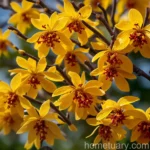
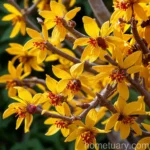
Hamamelis virginiana, known commonly as Virginian Witch Hazel, is a deciduous shrub native to North America. It belongs to the Hamamelidaceae family and is renowned for its distinctive characteristics, including its late fall and early winter blooming period, as well as its unique, spidery yellow flowers. The plant typically grows to a height of 15-20 feet and spreads through suckering to form colonies.
Historical Significance
Witch Hazel has a rich history of cultural and medicinal uses, as well as folklore and traditional beliefs associated with its properties. The plant has been a staple in Native American traditions and has been revered for its healing and astringent qualities. Its enduring popularity in skincare and alternative medicine is a testament to its efficacy and versatility.
Medicinal and Skincare Uses
Witch Hazel is widely known for its astringent properties, making it a popular ingredient in skincare products. It is used to soothe skin irritations, reduce inflammation, and treat various skin conditions. Additionally, Witch Hazel is valued for its ability to aid in wound healing and provide relief from conditions such as eczema, acne, and dandruff.
Horticultural Importance
In addition to its medicinal and cultural significance, Hamamelis virginiana is also cultivated for its ornamental value. The vibrant yellow blooms that emerge during the late fall and winter months add a unique touch to gardens and landscapes, making it a sought-after plant for horticultural purposes.
Culture
Uses
- Traditional Medicine: Witch Hazel has been used in traditional medicine for centuries. It is employed in various remedies to treat skin conditions, alleviate inflammation, and promote healing.
- Skincare Products: The astringent properties of Witch Hazel make it a popular ingredient in skincare products such as toners, cleansers, and ointments.
- Horticulture: In horticulture, Hamamelis virginiana is cultivated for its ornamental value, particularly for its unique late fall and winter blooms.
Water
Witch Hazel is adaptable to a range of soil moisture levels. However, it thrives best in moist, well-draining soil. During the plant’s establishment period, it is essential to ensure consistent moisture to promote healthy growth.
Sunlight
While Witch Hazel can tolerate partial shade, it prefers full sun to partial shade for optimal growth and flowering. Providing adequate sunlight is crucial for the plant’s overall health and blooming potential.
Fertilizer
When it comes to fertilizing Witch Hazel, a balanced, slow-release fertilizer can be applied in early spring. It is advisable to follow the manufacturer’s instructions for the specific fertilizer being used.
Soil
Witch Hazel thrives in well-drained, acidic to neutral soil. It is essential to provide adequate soil moisture while ensuring that the plant’s roots are not waterlogged.
Pruning
Pruning Witch Hazel is typically done after flowering, and it primarily involves the removal of dead or damaged branches. Additionally, light shaping can be performed to maintain the plant’s desired form.
Propagation
Propagation Methods
Witch Hazel can be propagated through various methods, including:
- Seeds: Propagation from seeds is possible, although it may take several years for the plant to reach maturity and begin flowering.
- Cuttings: Softwood cuttings can be taken in late spring or early summer and rooted in a well-draining soil mix to propagate new plants.
Propagation Considerations
When propagating Witch Hazel, it is important to create a suitable environment for root development and provide consistent moisture. Careful attention to the propagation process can help ensure successful establishment and growth of new plants.
Container Popularity
Growing Hamamelis virginiana in containers is a viable option for those with limited outdoor space or for individuals who wish to showcase the plant’s unique characteristics on patios or balconies. When cultivating Witch Hazel in containers, it is important to ensure proper drainage and to select a container that accommodates the plant’s growth requirements.
Common Diseases
Witch Hazel is relatively resistant to diseases. However, it may be susceptible to certain issues, including:
- Powdery Mildew: In humid conditions, Witch Hazel may experience powdery mildew, a fungal disease that can affect the plant’s foliage. Adequate air circulation and proper plant spacing can help mitigate this issue.
- Leaf Spot: Leaf spot diseases can occur in Witch Hazel, resulting in spots or lesions on the plant’s foliage. Maintaining good sanitation practices and avoiding overhead watering can help minimize the risk of leaf spot infections.
Disease Diagnosis
Diagnosing potential diseases in Witch Hazel involves careful observation of the plant’s overall health and appearance. Common signs of diseases such as powdery mildew or leaf spot include abnormal discoloration, spots, or lesions on the plant’s foliage. If disease symptoms are observed, it is advisable to promptly address the issue through appropriate cultural or chemical interventions.
Common Pests
Witch Hazel is generally resistant to most pests. However, it may encounter occasional pest issues, including:
- Aphids: Aphids can occasionally infest Witch Hazel, feeding on the plant’s sap and causing damage to the foliage. Natural predators and insecticidal soaps can be used to control aphid populations.
- Spider Mites: Spider mites may target Witch Hazel, particularly in dry conditions. Regularly checking the plant for signs of infestation and providing adequate moisture can help prevent spider mite infestations.
Botanist’s Tips
Promoting Healthy Growth
- Soil Moisture: Providing consistent soil moisture, particularly during the plant’s establishment period, is crucial for promoting healthy growth.
- Pruning: Regular pruning and maintenance can help shape the plant and remove any dead or damaged branches, contributing to overall plant health.
- Fertilization: Applying a balanced, slow-release fertilizer in early spring can provide essential nutrients for the plant’s growth and development.
Preservation of Cultural Significance
Witch Hazel holds cultural significance in traditional medicine, folklore, and horticulture. Understanding and preserving its cultural uses and historical importance can contribute to a deeper appreciation of the plant’s value across different cultural contexts.
Sustainable Practices
Incorporating sustainable gardening practices, such as using organic fertilizers and minimizing chemical interventions, can help maintain a healthy environment for Witch Hazel and contribute to the preservation of the plant’s natural habitat.
Fun Facts
- Cultural Significance: Witch Hazel has been valued for its medicinal and astringent properties in traditional medicine and has been an integral part of various cultural beliefs and practices.
- Late Blooms: The distinctive late fall and early winter blooming period of Witch Hazel sets it apart from many other plants, making it a unique and cherished addition to gardens and landscapes.
- Cultural Traditions: Witch Hazel has been revered in Native American traditions for its healing properties, and its folklore and cultural significance have been passed down through generations.
Links to External Resources
For additional information on Witch Hazel’s uses, benefits, and care, consider exploring the following resources:
- Botanical.com – A Modern Herbal – Witch Hazel
- Missouri Botanical Garden – Witch Hazel
- The Herbarium – Witch Hazel Medicinal Herbs
In conclusion, the multifaceted nature of Hamamelis virginiana, or Virginian Witch Hazel, encompasses its historical and cultural significance, medicinal and skincare uses, and horticultural value. Understanding the plant’s cultural uses, growth requirements, and potential challenges can provide a holistic perspective on incorporating Witch Hazel into various contexts, from traditional medicine to sustainable gardening practices. As we continue to appreciate the diversity and utility of plants such as Witch Hazel, we also honor the rich cultural traditions and historical significance associated with these remarkable botanical specimens.
Remember to thoroughly review and consider multiple sources of information when using plants for medicinal or skincare purposes. When in doubt, consult with a qualified herbalist, skincare professional, or healthcare provider for personalized guidance suited to your individual needs and circumstances.
As you embark on your journey of exploring the uses and cultural significance of Witch Hazel, may you discover the timeless allure and enduring value of this extraordinary plant.