Witch Hazel (Hamamelis x intermedia ‘Fire Cracker’): A Comprehensive Guide
Witch hazel, scientifically known as Hamamelis x intermedia ‘Fire Cracker,’ is a captivating and versatile plant known for its vibrant flowers and remarkable uses. As a plant scientist, this comprehensive guide will delve into the various aspects of witch hazel, including its culture, uses, maintenance, propagation, and much more. Whether you are a gardening enthusiast, a plant lover, or someone interested in the incredible benefits of witch hazel, this guide aims to provide insights into all aspects of this fascinating plant.
What is Witch Hazel (Hamamelis x intermedia ‘Fire Cracker’)?
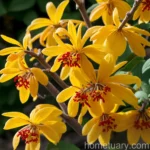
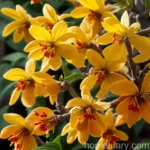
Witch hazel (Hamamelis x intermedia ‘Fire Cracker’) is a deciduous shrub that belongs to the Hamamelidaceae family. It is a hybrid between Japanese witch hazel (Hamamelis japonica) and Chinese witch hazel (Hamamelis mollis). This unique hybrid cultivar is characterized by its brilliant, spidery, coppery-red flowers that bloom in the late winter or early spring, adding a burst of color to the landscape when most other plants are still dormant.
The ‘Fire Cracker’ variety is valued for its compact size and exceptional ornamental appeal, making it a popular choice for landscapes, gardens, and horticultural displays. Its vibrant flowers, coupled with its exceptional cultural versatility and medicinal uses, have contributed to its widespread popularity among gardeners and plant enthusiasts.
Key Takeaways – Witch Hazel (Hamamelis x intermedia ‘Fire Cracker’)
Before delving into the intricacies of caring for witch hazel, it’s essential to highlight the key takeaways associated with this remarkable plant. The following key points provide a comprehensive overview of the unique features and uses of witch hazel (Hamamelis x intermedia ‘Fire Cracker’):
- The ‘Fire Cracker’ variety is a hybrid witch hazel known for its striking coppery-red, spidery flowers.
- Witch hazel is an ornamental shrub renowned for its winter-to-spring bloom time, adding visual interest to the landscape when little else is in flower.
- Witch hazel possesses remarkable medicinal properties and is commonly utilized in skincare, herbal remedies, and holistic wellness products.
- Its adaptability to a range of growing conditions and its low-maintenance nature make it an excellent choice for both novice and seasoned gardeners.
- The plant’s unique landscape value and ecological benefits, such as providing wildlife habitat, further enhance its desirability in garden settings.
Now, let’s explore the intricacies of cultivating and caring for witch hazel (Hamamelis x intermedia ‘Fire Cracker’), encompassing its cultural requirements, uses, propagation methods, common diseases, and botanist’s tips.
Culture
Cultivating witch hazel (Hamamelis x intermedia ‘Fire Cracker’) successfully entails understanding its specific cultural requirements, including water, sunlight, fertilizer, soil, and pruning. By adhering to these guidelines, gardeners can ensure optimal growth and prolific blooming of this captivating shrub.
Water
Witch hazel plants thrive in moist, well-drained soil. During the initial establishment period, regular watering is essential to facilitate root development and overall plant health. However, once established, witch hazels exhibit a good tolerance to drought conditions, significantly reducing the need for frequent watering.
Sunlight
For optimal flowering and overall vigor, witch hazel cultivars such as ‘Fire Cracker’ require a balance of sunlight and shade. They prefer partial shade to full sun, allowing them to thrive in a variety of light conditions. In areas with hot summers, providing afternoon shade can prevent stress and sunscald on the foliage.
Fertilizer
While witch hazel is not particularly demanding in terms of fertilization, applying a balanced, slow-release fertilizer in early spring can support healthy growth and flowering. Choosing a fertilizer with a balanced NPK (nitrogen, phosphorus, potassium) ratio can provide the necessary nutrients without encouraging excessive vegetative growth at the expense of flowering.
Soil
Witch hazel plants prefer moist, slightly acidic to neutral soils with good drainage. Amending the soil with organic matter, such as compost, can improve its texture and water-retention capacity, creating an ideal growing environment for witch hazel.
Pruning
Pruning is an essential aspect of witch hazel maintenance, particularly to shape the plant and encourage vigorous flowering. Pruning should be done after flowering to avoid removing next season’s flower buds. Regular removal of dead or damaged wood and light shaping can help maintain the plant’s overall appearance while promoting a healthy framework.
Uses
Witch hazel (Hamamelis x intermedia ‘Fire Cracker’) offers a myriad of uses, ranging from ornamental landscaping to medicinal and skincare applications. Understanding the diverse uses of witch hazel can underscore its value in both horticultural and wellness contexts.
Ornamental Landscaping
With its captivating flowers and distinctive foliage, witch hazel serves as an excellent ornamental addition to landscapes, gardens, and public spaces. Its late-winter to early-spring bloom time provides a welcome burst of color, often when little else is in bloom, uplifting the aesthetic appeal of the environment.
Medicinal and Skincare Applications
Witch hazel possesses natural astringent and anti-inflammatory properties, making it a valuable ingredient in skincare and medical products. Its extract is utilized in facial cleansers, toners, and other skincare formulations to cleanse and tighten the skin. Additionally, witch hazel is utilized for various skin conditions, including acne, eczema, sunburn, and bug bites, owing to its soothing and healing properties. Furthermore, it is used in holistic wellness for digestive health and other medicinal purposes.
Propagation
The propagation of witch hazel (Hamamelis x intermedia ‘Fire Cracker’) can be achieved through several methods, including seed propagation and vegetative propagation. While seed propagation is possible, it often yields variable results due to the hybrid nature of many cultivars. Alternatively, vegetative propagation methods such as softwood or hardwood cuttings and layering can offer more reliable results, ensuring the retention of the desired characteristics of the parent plant.
Container Popularity
Witch hazel, including the ‘Fire Cracker’ variety, is well-suited for container cultivation, making it a popular choice for patios, small gardens, and urban landscapes. Its compact size, ornamental value, and adaptability to container environments contribute to its popularity in container gardening and horticultural displays.
Container Common Diseases
When cultivated in containers, witch hazel (Hamamelis x intermedia ‘Fire Cracker’) may be susceptible to certain diseases and pests. Common container diseases include root rot, powdery mildew, and leaf spot diseases. Implementing proper watering practices, well-draining soil, and adequate air circulation can help mitigate the risk of these diseases in container-grown witch hazel plants.
Disease Diagnosis
Diagnosing and managing diseases in witch hazel cultivars such as ‘Fire Cracker’ requires a keen understanding of the common ailments that affect the plant. Through careful observation of symptoms such as leaf discoloration, wilting, or unusual growth patterns, gardeners can identify potential diseases and implement appropriate measures to mitigate their impact on plant health.
Common Pests
While witch hazel is generally resistant to many pests, certain insects such as aphids, scale, and spider mites can occasionally infest the plant. Vigilant monitoring and prompt intervention, such as insecticidal soap sprays or horticultural oils, can effectively manage pest infestations on witch hazel plants.
Botanist’s Tips
Drawing from botanical expertise and practical knowledge, the following tips can enhance the successful cultivation and maintenance of witch hazel (Hamamelis x intermedia ‘Fire Cracker’), contributing to the plant’s overall health and ornamental appeal:
- Regularly monitor soil moisture levels to ensure consistent but not excessive moisture, especially during the establishment phase.
- When pruning witch hazel, prioritize the removal of dead or diseased wood, focusing on maintaining the natural shape and form of the plant.
- Incorporate organic matter, such as well-decomposed compost, into the soil to improve its structure and fertility, promoting healthy root development.
- Utilize a balanced fertilizer with a formulation tailored to woody ornamental plants, avoiding excessive nitrogen to prevent excessive vegetative growth at the expense of flowering.
- Implement integrated pest management (IPM) strategies to proactively address potential pest issues, emphasizing cultural and biological control methods before resorting to chemical interventions.
Fun Facts
- Witch hazel bark, twigs, and leaves are used to extract the plant’s valuable compounds, which are then utilized in various medicinal and skincare products.
- The fragrant flowers of witch hazel emit a delightful scent, enhancing their allure in garden settings and attracting pollinators such as bees.
- The word “witch” in the plant’s name is derived from the Old English term “wice,” which means “pliant” or “bendable,” reflecting the plant’s flexible branches and twigs.
- Witch hazel has a rich history of traditional use by indigenous cultures, who revered its medicinal properties and incorporated it into various remedies.
Links to External Resources
For further exploration of witch hazel (Hamamelis x intermedia ‘Fire Cracker’) and its diverse attributes, the following external resources provide valuable insights and information:
- The American Horticultural Society
- Royal Horticultural Society – Witch Hazels
- Botanical Society of America
- The Morton Arboretum – Witch Hazel
In conclusion, witch hazel (Hamamelis x intermedia ‘Fire Cracker’) is a plant of remarkable versatility, offering ornamental beauty, practical uses, and ecological value. By delving into its culture, uses, propagation, and maintenance practices, this guide seeks to provide a comprehensive understanding of the plant, appealing to both gardening enthusiasts and individuals interested in its medicinal and wellness applications. As a plant scientist, I am continually inspired by the inherent beauty and multifaceted nature of plants like witch hazel, and I hope this guide serves as a valuable resource for all those intrigued by the captivating world of botanical wonders.