Hamamelis vernalis ‘Kohankie Red’ (Vernal Witch Hazel): A Comprehensive Guide
Introduction
As a plant scientist, I am excited to share my knowledge and insights about the fascinating Hamamelis vernalis ‘Kohankie Red’ (Vernal Witch Hazel). This unique plant is a cultivar of the Vernal Witch Hazel, renowned for its stunning red flowers that bloom in late winter to early spring. In this comprehensive guide, we will delve into the attributes, care tips, uses, and much more about the Kohankie Red variety of Hamamelis vernalis. Let’s embark on this botanical journey together!
Key Takeaways – Hamamelis vernalis ‘Kohankie Red’ (Vernal Witch Hazel)
Before we delve deeper into the specifics, let’s take a quick look at the key takeaways about Hamamelis vernalis ‘Kohankie Red’:
– Attributes of Kohankie Red Witch Hazel
– Plant characteristics of Vernal Witch Hazel
– Care tips for Hamamelis vernalis ‘Kohankie Red’
– Landscape uses and varieties of Kohankie Red Witch Hazel
– Disease resistance and pruning techniques
– Water, sunlight, and soil preferences
– Growth habits and seasonal changes
– Wildlife attractant and medicinal uses, among others
What is Hamamelis vernalis ‘Kohankie Red’?
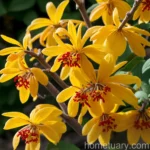
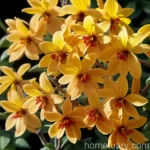
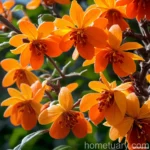
Hamamelis vernalis, commonly known as Vernal Witch Hazel, is a deciduous shrub native to the central United States. With its striking, fragrant flowers and unique blooming time, it has become a favorite among gardeners and landscape enthusiasts. The ‘Kohankie Red’ variety of Hamamelis vernalis is particularly prized for its vibrant red blooms, which add a splash of color to the late winter and early spring landscape.
Cultivar: Hamamelis vernalis ‘Kohankie Red’
- Common Name: Vernal Witch Hazel ‘Kohankie Red’
- Scientific Name: Hamamelis vernalis ‘Kohankie Red’
- Family: Hamamelidaceae
- USDA Hardiness Zones: 4-8
- Mature Size: 6-10 feet in height and spread
- Growth Rate: Slow to moderate
Plant Characteristics and Attributes
The Kohankie Red Witch Hazel variety possesses several distinctive characteristics that set it apart from other cultivars of Hamamelis vernalis. Understanding these attributes is crucial for successfully cultivating and caring for this unique plant.
Hamamelis vernalis ‘Kohankie Red’ Attributes
- Exceptional red flowers
- Fragrant blooms
- Deciduous, multi-stemmed shrub
- Brilliant fall foliage
- Serrated, oval leaves
- Suckering growth habit
- Cold and drought tolerant
- Pest and disease resistant
Care Tips for Hamamelis vernalis ‘Kohankie Red’
To ensure the optimal growth and blooming of Hamamelis vernalis ‘Kohankie Red’, it’s essential to provide appropriate care and maintenance. Let’s explore the key care tips for this captivating shrub.
Water
- Watering Requirements: Adequate moisture is crucial, especially during the establishment phase. Regular watering is essential, particularly in periods of drought.
- Watering Schedule: Water deeply but infrequently to encourage deep root growth and drought tolerance.
Sunlight
- Sun Exposure: Partial to full sun. Thrives in areas with dappled sunlight or partial shade, especially in warmer climates.
Fertilizer
- Fertilization: Apply a balanced, slow-release fertilizer in early spring before new growth appears. Avoid excessive nitrogen fertilizers that can promote lush growth at the expense of flowering.
Soil
- Soil Preferences: Well-drained, acidic to neutral soil. Rich, organic soil with good drainage is ideal for healthy growth.
Pruning
- Pruning Techniques: Minimal pruning is generally required. Remove any dead, damaged, and crossing branches. Prune immediately after flowering to shape the plant and promote branching.
Propagation
- Propagation Methods: Propagate via softwood or hardwood cuttings. Softwood cuttings taken in early summer or hardwood cuttings in late summer can both be successful.
Container Gardening
- Container Considerations: Suitable for large containers or tubs. Ensure the container has drainage holes and use a well-draining potting mix.
Landscape Uses and Varieties
Hamamelis vernalis ‘Kohankie Red’ offers a range of landscape uses and design possibilities, making it a versatile and valuable addition to gardens and outdoor spaces.
Landscape Uses
- Specimen Plant: The vibrant red blooms make it a stunning focal point in the winter garden.
- Mixed Borders: Complement other winter and early spring flowering plants to create a dynamic landscape.
- Naturalized Areas: Flourishes in woodland gardens and naturalized settings.
- Shrub Borders: Adds color and interest to shrub borders and mass plantings.
- Winter Gardens: Provides much-needed color and fragrance during the winter months.
Varieties
- Other Varieties: While Kohankie Red is particularly popular, other Vernal Witch Hazel varieties include ‘Sandra’, ‘Autumn Embers’, and ‘Christmas Cheer’. Each variety offers distinct flower colors and growth habits.
Disease Resistance and Pruning Techniques
One of the appealing aspects of Hamamelis vernalis ‘Kohankie Red’ is its natural resistance to many common diseases and pests. This resilience makes it a low-maintenance plant in the garden.
Disease Resistance
- Resistant to: Powdery mildew, leaf spot, and many other common fungal diseases.
- Hardy and Resilient: Demonstrates excellent tolerance to environmental stressors.
Pruning Techniques
- Pruning Schedule: Ideally prune after flowering in late winter or early spring.
- Tools: Use clean, sharp pruning shears to remove dead wood and shape the plant.
- Minimal Pruning: Avoid excessive pruning to maintain the plant’s natural form and encourage flowering.
Common Diseases and Pest Control
While Hamamelis vernalis ‘Kohankie Red’ is generally robust and disease resistant, there are a few potential issues to be aware of to ensure the plant’s overall health and vigor.
Common Diseases
- Potential Issues: Occasional susceptibility to aphids, spider mites, and scale insects.
- Disease Diagnosis: Monitor for discoloration, wilting, or unusual growth patterns, which may indicate pest infestation or disease.
Disease Diagnosis
- Symptom Identification: Look for yellowing, stippling, or distorted growth on leaves, which may indicate pest activity. Fungal diseases may manifest as spots, powdery residue, or leaf wilting.
Common Pests
- Aphids: Small, soft-bodied insects that cluster on new growth and undersides of leaves.
- Spider Mites: Tiny arachnids that cause stippling and webbing on leaves.
- Scale Insects: Small, immobile insects that attach to stems and branches, often resembling waxy or crusty growths.
Botanist’s Tips
As a plant scientist, I’ve compiled a few expert tips to help enthusiasts cultivate and care for Hamamelis vernalis ‘Kohankie Red’ with confidence.
Expert Recommendations
- Seasonal Care: Pay special attention to adequate watering during dry and drought-prone periods, especially in the first few years of establishment.
- Pollinator-Friendly Plant: The fragrant blooms of Kohankie Red Witch Hazel attract early pollinators such as bees and butterflies, contributing to the early spring ecosystem.
- Companion Planting: Pair with spring bulbs, early flowering perennials, and other shrubs to create a dynamic and diverse garden landscape.
Fun Facts
Let’s uncover some intriguing and delightful facts about Hamamelis vernalis ‘Kohankie Red’ that showcase its unique characteristics and ecological significance.
Fascinating Tidbits
- Winter Fragrance: The flowers of Vernal Witch Hazel emit a delightful, spicy fragrance, providing a sensory delight during the winter months.
- Medicinal Uses: Historically, the astringent properties of Witch Hazel have been utilized in traditional medicine for various topical applications.
- Wildlife Habitat: In addition to attracting early pollinators, the shrub provides cover for small wildlife and contributes to the diversity of natural habitats.
Links to External Resources
For further exploration and in-depth information about Hamamelis vernalis ‘Kohankie Red’ and Vernal Witch Hazel plants, here are valuable external resources:
- Royal Horticultural Society (RHS) – Hamamelis vernalis
- University of Missouri Extension – Witch Hazels
- North Carolina State University – Witch Hazels for the Landscape
In this comprehensive guide, we have explored the captivating attributes, care tips, uses, and interesting facts about Hamamelis vernalis ‘Kohankie Red’ (Vernal Witch Hazel). By understanding its unique characteristics and requirements, enthusiasts can cultivate and appreciate this exceptional shrub in their gardens and landscapes, adding color, fragrance, and ecological significance to the winter and early spring environment.