Acer Palmatum ‘Garnet’ (Laceleaf Japanese Maple)
Plants have the remarkable ability to add beauty, serenity, and life to any space. Within the diverse world of plants, the Acer palmatum ‘Garnet’ (Laceleaf.
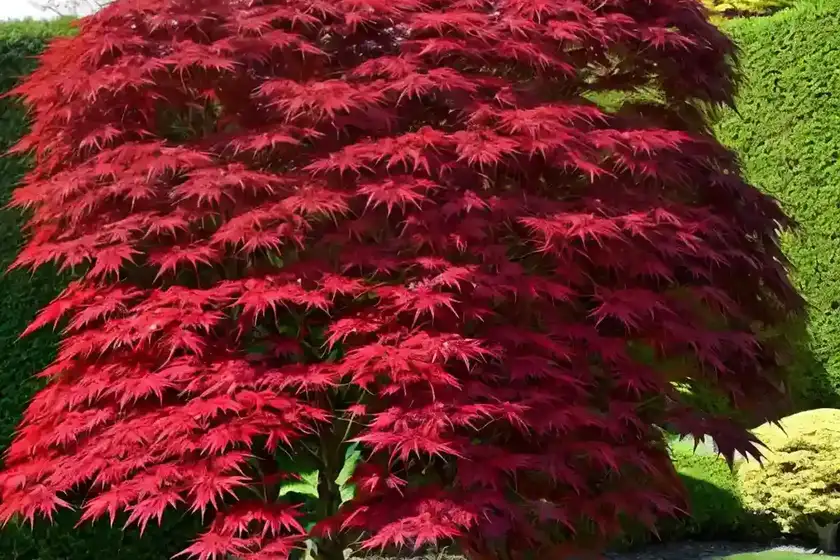
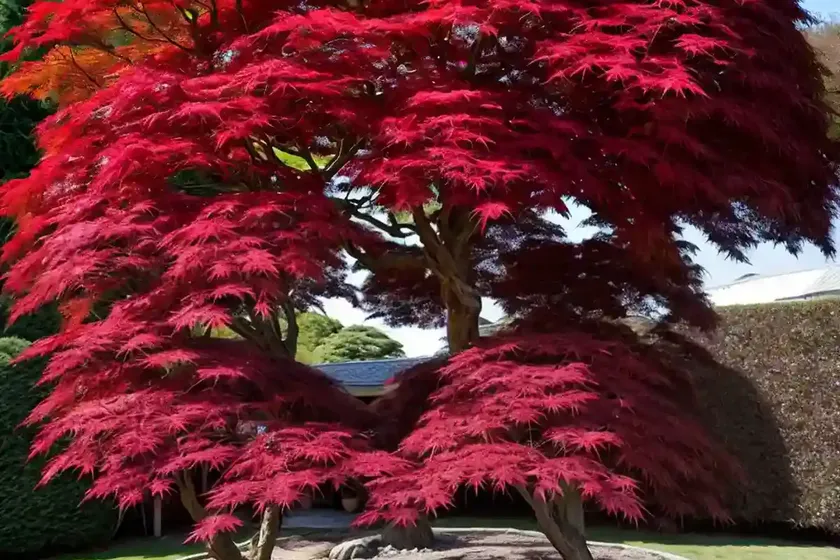
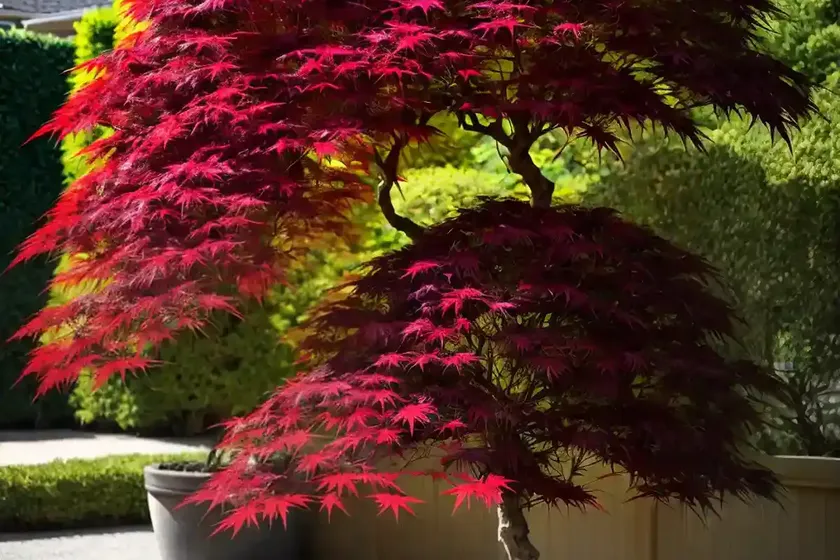
Plants have the remarkable ability to add beauty, serenity, and life to any space. Within the diverse world of plants, the Acer palmatum ‘Garnet’ (Laceleaf Japanese Maple) stands out as a stunning and popular ornamental tree. In this comprehensive guide, we will delve into the description, care, characteristics, and much more about this exquisite plant.
What is Acer palmatum ‘Garnet’?
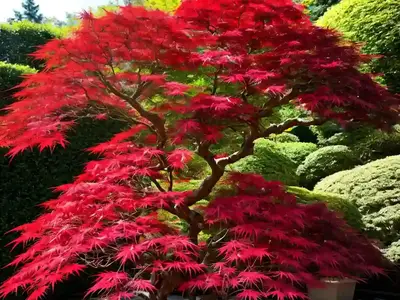
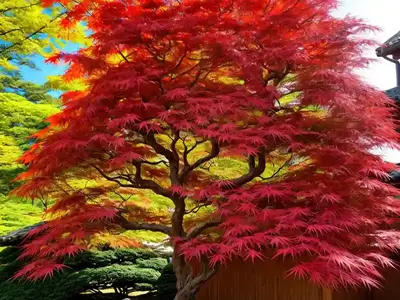
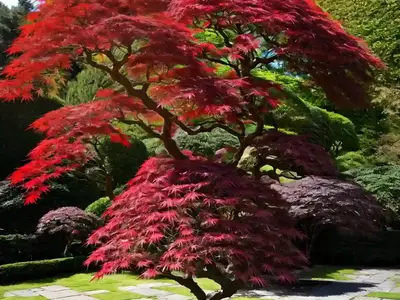
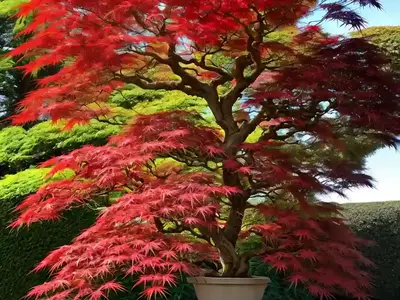
Acer palmatum ‘Garnet’ is a stunning cultivar of the Acer palmatum, commonly known as the Japanese Maple. This delicate and graceful tree is cherished for its brilliant foliage, vibrant color changes throughout the seasons, and elegant lace-like leaves. Its unique foliage, compact size, and remarkable beauty make it a sought-after choice for gardens, landscapes, and container plantings.
Key Takeaways – Acer palmatum ‘Garnet’ (Laceleaf Japanese Maple)
Let’s dive into the various aspects of Acer palmatum ‘Garnet’, including its culture, uses, water requirements, sunlight preferences, fertilizer needs, soil preferences, pruning techniques, propagation methods, container suitability, common diseases, and pests.
Culture
Before diving into the details of ‘Garnet’ Japanese Maple care, it’s essential to understand its cultural requirements, including its preferred environment, hardiness zones, and growth habits.
Environment and Hardiness
- USDA Hardiness Zones: 5-9
- Preferred Climate: Temperate
Growth Habits
- Height: 6-8 feet
- Spread: 4-6 feet
- Growth Rate: Slow to moderate
Uses
Acer palmatum ‘Garnet’ is a versatile plant that can be used in various settings for different purposes. Its uses include, but are not limited to:
- Ornamental focal point in gardens and landscapes
- Container planting for patios and small spaces
- Hedge or privacy screening
- Bonsai cultivation
Water
Proper watering is crucial for the health and vitality of ‘Garnet’ Japanese Maple. Understanding its water needs and ensuring appropriate moisture levels is essential for its well-being.
Watering Tips
- Frequency: Regular watering, especially during dry spells
- Moisture Level: Keep the soil consistently moist but not waterlogged
- Signs of Overwatering: Yellowing or wilting leaves
- Signs of Underwatering: Drooping or crispy leaves
Sunlight
Understanding the sunlight requirements of Acer palmatum ‘Garnet’ is fundamental for positioning it in the optimal location for healthy growth and vibrant foliage.
Sun Exposure
- Ideal Light: Partial shade with some dappled sunlight
- Sun Tolerance: Can tolerate full sun in cooler climates but may require protection in hot afternoon sun
- Foliage Color: Brightest in dappled light
Fertilizer
Proper nutrition is essential for the ‘Garnet’ Japanese Maple to thrive and display its characteristic vivid foliage colors.
Fertilizing Guidelines
- Fertilizer Type: Balanced, slow-release fertilizer formulated for acid-loving plants
- Application Time: Early spring before new growth appears
- Frequency: Once a year
Soil
Choosing the right soil type and ensuring proper soil conditions is vital for the healthy growth and development of ‘Garnet’ Japanese Maple.
Soil Requirements
- Type: Well-draining, acidic soil
- Texture: Loamy, rich in organic matter
- pH Level: Slightly acidic (pH 5.5-6.5)
Pruning
Pruning is an essential aspect of Acer palmatum ‘Garnet’ care, enabling you to shape the tree, enhance its form, and remove any damaged or crowded growth.
Pruning Tips
- Timing: Late winter to early spring
- Purpose: Remove dead or damaged branches, enhance the tree’s form, and promote airflow
- Technique: Use clean, sharp tools and avoid over-pruning
Propagation
For those looking to propagate ‘Garnet’ Japanese Maple, understanding the propagation methods is essential to successfully grow new plants.
Propagation Techniques
- Method: Softwood cuttings or grafting
- Timing: Early summer for softwood cuttings; late winter for grafting
- Soil Medium: Well-draining potting mix for cuttings; compatible rootstock for grafting
Container Popularity
The compact size and ornamental beauty of ‘Garnet’ Japanese Maple make it a popular choice for container planting in various outdoor and indoor settings.
Container Planting Tips
- Container Size: Choose a spacious container to accommodate the tree’s root system and allow room for growth
- Drainage: Ensure adequate drainage holes in the container to prevent waterlogging
- Soil Medium: Well-draining potting mix suitable for acid-loving plants
Common Diseases
Understanding the potential diseases affecting Acer palmatum ‘Garnet’ is essential for proactive disease management and maintaining its health.
Disease Risks
- Anthracnose: Fungal disease causing leaf spots and blight
- Verticillium Wilt: Soil-borne fungus leading to wilting and dieback
- Tar Spot: Fungal disease causing black spots on leaves
Disease Diagnosis
Early detection and accurate diagnosis of diseases are crucial for implementing effective treatment and management strategies.
Diagnosis Tips
- Leaf Examination: Check for spots, lesions, or abnormal discoloration
- Bark Inspection: Look for any signs of cankers or lesions on the trunk and branches
Common Pests
Being aware of the potential pests that may affect ‘Garnet’ Japanese Maple allows for proactive pest control measures and maintaining the tree’s vigor.
Pest Threats
- Aphids: Small, sap-sucking insects causing leaf distortion and honeydew secretion
- Scale Insects: Minute, immobile pests feeding on plant sap and causing yellowing of leaves
- Caterpillars: Larval stage of various insects that may defoliate the tree
Botanist’s Tips
This section includes expert insights and recommendations from botanists and horticulturists on caring for Acer palmatum ‘Garnet’ and maximizing its ornamental value.
Expert Recommendations
- Mulching: Apply a layer of organic mulch to conserve soil moisture and regulate temperature
- Seasonal Observation: Monitor seasonal changes and adapt care routines accordingly
- Consistent Monitoring: Regularly inspect the tree for signs of pests, diseases, or nutritional deficiencies
Fun Facts
Uncover intriguing and captivating facts about Acer palmatum ‘Garnet’ that showcase its unique characteristics and charm.
Notable Features
- Dwarf Variety: ‘Garnet’ is a compact and slow-growing cultivar perfect for small gardens and confined spaces
- Foliage Changes: The leaves transition from crimson in spring to burgundy in summer and fiery red in fall
- Lace-like Leaves: The delicate, deeply dissected leaves create an elegant, lacy appearance
Links to External Resources
For further exploration and in-depth understanding of Acer palmatum ‘Garnet’, the following resources provide valuable information and insights:
- Royal Horticultural Society – Acer palmatum ‘Garnet’
- Missouri Botanical Garden – Laceleaf Japanese Maple
- University of Florida IFAS Extension – Japanese Maple Diseases
- North Carolina State University Extension – Japanese Maple Pests
- American Society for the Prevention of Cruelty to Plants – Japanese Maple Care Guide
In conclusion, Acer palmatum ‘Garnet’ (Laceleaf Japanese Maple) is a captivating and versatile plant that adds a touch of elegance and color to any garden or landscape. Its unique foliage, compact size, and adaptability to container planting make it a beloved choice for both novice and experienced gardeners. By understanding its cultural requirements, care guidelines, potential threats, and intrinsic charm, plant enthusiasts can effectively nurture and showcase the beauty of ‘Garnet’ Japanese Maple in various settings.