Hakonechloa macra ‘Alboaurea’ (Hakone Grass): A Comprehensive Guide
Hakonechloa macra ‘Alboaurea’, commonly known as Hakone Grass, is an enchanting ornamental grass that adds a touch of elegance to any garden or landscape. With its cascading, variegated foliage and graceful demeanor, this cultivar has captured the hearts of gardeners and landscape designers around the world. In this detailed guide, we will explore all aspects of Hakonechloa macra ‘Alboaurea’, from its cultural requirements to its landscape uses, maintenance, and unique characteristics.
What is Hakonechloa macra ‘Alboaurea’?
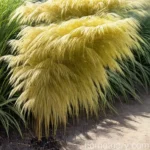
Hakonechloa macra ‘Alboaurea’ is a deciduous perennial grass that belongs to the Poaceae family. It is native to the woodlands and moist mountain slopes of Japan, where it thrives in the dappled shade provided by towering trees. The plant is valued for its striking yellow and green variegated foliage, which forms cascading mounds that sway gracefully in the breeze.
As an ornamental grass, Hakonechloa macra ‘Alboaurea’ is highly prized for its versatility in landscaping, serving as a groundcover, edging plant, or accent in various garden styles. Its aesthetic appeal is enhanced by its seasonal interest, as the foliage transitions through different shades of green and gold throughout the year.
Key Takeaways
Before delving into the specifics of Hakonechloa macra ‘Alboaurea’, let’s highlight some key takeaways about this captivating ornamental grass:
- Scientific Name: Hakonechloa macra ‘Alboaurea’
- Common Name: Hakone Grass
- Characteristics: Variegated foliage, cascading growth habit
- Cultural Requirements: Partial shade, moist, well-drained soil
- Landscape Uses: Groundcover, edging, accent plant
- Maintenance: Low maintenance, minimal pruning required
Now that we have a basic understanding of Hakonechloa macra ‘Alboaurea’, let’s explore its cultural requirements in more detail.
Culture
The successful cultivation of Hakonechloa macra ‘Alboaurea’ hinges on understanding and meeting its specific cultural requirements. This section will cover its needs in terms of water, sunlight, fertilizer, soil, and pruning.
Water
Maintaining adequate soil moisture is crucial for the health and vitality of Hakonechloa macra ‘Alboaurea’. As a plant native to woodland areas, it thrives in consistently moist, well-drained soil. Regular watering is essential, especially during dry periods, to prevent the soil from drying out. However, it’s equally important to ensure that the soil does not become waterlogged, as excessive moisture can lead to root rot and other issues.
Sunlight
Hakone Grass is renowned for its preference for partial shade, making it an excellent choice for gardens with dappled light or filtered shade. While it can tolerate some morning sun, especially in cooler climates, it generally performs best in locations with protection from the intense afternoon sun. When grown in full sun, the delicate foliage of Hakonechloa macra ‘Alboaurea’ may scorch, leading to a decline in its ornamental appeal.
Fertilizer
In terms of fertilization, Hakonechloa macra ‘Alboaurea’ is not particularly demanding. A balanced, slow-release fertilizer applied in spring can provide the necessary nutrients for healthy growth and vibrant foliage. It’s important not to over-fertilize, as this can result in excessive vegetative growth at the expense of the plant’s natural, elegant form. It’s advisable to follow soil test recommendations or use a general-purpose fertilizer with a balanced NPK ratio.
Soil
The choice of soil is critical for the well-being of Hakonechloa macra ‘Alboaurea’. It thrives in rich, well-drained soil with a slightly acidic to neutral pH. Adding organic matter, such as compost or well-rotted manure, to the planting area can improve soil structure and fertility, creating an optimal environment for the grass to flourish. Additionally, ensuring good drainage is essential, as standing water can be detrimental to the plant’s health.
Pruning
One of the appealing aspects of Hakone Grass is its minimal pruning requirements. The graceful, arching foliage of Hakonechloa macra ‘Alboaurea’ typically does not need to be pruned for aesthetic purposes. However, removing any damaged or discolored leaves can help maintain the plant’s appearance. In late winter or early spring, before the new growth emerges, it’s advisable to trim back the old foliage to encourage fresh, healthy growth.
Now that we have covered the cultural requirements of Hakonechloa macra ‘Alboaurea’, let’s explore its various uses in the garden and landscape.
Uses
Hakone Grass offers a myriad of uses in garden and landscape settings, thanks to its versatile nature and captivating appearance. Below, we’ll delve into its primary uses and explore how this ornamental grass can enrich different aspects of the outdoor environment.
Landscape Uses
- Groundcover: The cascading growth habit and lush foliage of Hakonechloa macra ‘Alboaurea’ make it an excellent choice for creating soft, undulating groundcover in shaded areas. It can carpet the ground with its bright variegated leaves, adding visual interest and texture to the landscape.
- Edging: Due to its low-growing nature and graceful appearance, Hakone Grass can be used to edge pathways, borders, or garden beds. Its arching form and vibrant foliage create a distinct delineation while seamlessly blending with surrounding plants.
- Accent Plant: Whether in containers, rock gardens, or focal points within the landscape, Hakonechloa macra ‘Alboaurea’ serves as a captivating accent plant. Its delicate, cascading leaves imbue the surroundings with an air of elegance and tranquility.
Propagation
Hakonechloa macra ‘Alboaurea’ can be propagated through several methods, including division and seed sowing.
Division
Dividing established clumps of Hakone Grass is a common and effective method of propagation. This process is typically carried out in early spring before new growth emerges, or in early autumn when the weather begins to cool. The steps for dividing Hakonechloa macra ‘Alboaurea’ are as follows:
- Prepare the Plant: Water the plant thoroughly the day before division to ensure that the soil is adequately moist. This will make the division process easier and minimize stress on the plant.
- Dig Out the Clump: Using a sharp spade or garden fork, carefully dig out the entire clump of Hakone Grass, taking care to avoid damaging the roots.
- Separate the Sections: Gently tease apart the clump into smaller sections, ensuring that each division has a good root system and a sufficient number of healthy shoots.
- Replant the Divisions: Plant the divisions in prepared soil at the same depth as the original plant. Water them in thoroughly to settle the soil around the roots.
Seed Sowing
While Hakonechloa macra ‘Alboaurea’ can be grown from seed, this method is less commonly used due to the slow and variable germination of the seeds. Sowing Hakone Grass seeds indoors in trays or pots in late winter or early spring can yield new plants, but patience is required, as it may take some time for the seeds to germinate and establish themselves.
Container Popularity
The graceful and cascading growth habit of Hakone Grass lends itself beautifully to container cultivation. Whether in traditional terracotta pots, modern planters, or hanging baskets, Hakonechloa macra ‘Alboaurea’ adds an elegant touch to outdoor living spaces, patios, and balconies. Its bright variegated foliage can provide a striking contrast when paired with darker foliage plants or act as a harmonious complement alongside colorful blooms. When grown in containers, it’s important to ensure that Hakone Grass receives adequate moisture and protection from hot afternoon sun, as pots and containers can potentially dry out more quickly than garden soil.
Common Diseases
While Hakonechloa macra ‘Alboaurea’ is relatively resilient, it is susceptible to a few common diseases that can affect its growth and appearance.
Disease Diagnosis
Anthracnose
Anthracnose, caused by various fungal pathogens, can manifest as irregular tan to brown lesions on the leaves of Hakone Grass, often surrounded by a dark margin. In severe cases, the disease can lead to defoliation and reduced vigor in the plant. Anthracnose is favored by damp, humid conditions, and its incidence can be minimized through cultural practices that promote good air circulation, such as maintaining proper spacing between plants and avoiding overhead irrigation.
Rust
Rust diseases, characterized by orange to rusty brown pustules on the leaves, can also affect Hakonechloa macra ‘Alboaurea’. These pustules may release spores, contributing to the spread of the disease. Rust infections are more likely to occur in periods of high humidity and can be exacerbated by overcrowding and excess moisture. Pruning out infected foliage and ensuring proper air circulation can help manage rust diseases.
Disease Prevention
To minimize the risk of disease in Hakone Grass, it’s essential to adhere to good garden hygiene practices, including proper spacing of plants, adequate air circulation, and regular removal of any dead or diseased foliage. Additionally, avoiding overhead irrigation and watering the plant at the base can help reduce leaf wetness and create an environment less conducive to fungal diseases.
Common Pests
While Hakone Grass is generally resistant to pest infestations, it may occasionally encounter a few common pests that can affect its growth and overall health.
Pest Control
Aphids
Aphids are small, soft-bodied insects that can cluster on the foliage of Hakonechloa macra ‘Alboaurea’, sucking plant juices and potentially causing leaf distortion or yellowing. Monitoring the plant regularly and using a strong jet of water to dislodge aphids can help keep their populations in check. Additionally, introducing natural predators, such as ladybugs, can aid in controlling aphid infestations without the need for chemical intervention.
Slugs and Snails
In moist, shaded environments, slugs and snails can pose a threat to Hakone Grass, as they may feed on the tender foliage, leaving behind characteristic slime trails and irregular holes in the leaves. Employing physical barriers, such as copper tape or diatomaceous earth, can help deter these pests. In addition, handpicking slugs and snails during evening hours can be an effective method of population control.
Botanist’s Tips
To ensure the success and vitality of Hakonechloa macra ‘Alboaurea’ in the garden, consider the following botanist’s tips:
- Mulching: Applying a layer of organic mulch around the base of Hakone Grass can help retain soil moisture, regulate soil temperature, and minimize weed competition. Use a lightweight, well-aerated mulch to avoid smothering the plant.
- Companion Planting: Pair Hakonechloa macra ‘Alboaurea’ with shade-tolerant perennials, such as hostas, ferns, and heucheras, to create visually appealing combinations that thrive in similar growing conditions.
- Seasonal Maintenance: In regions with cold winters, consider protecting Hakone Grass from excessive moisture and weighty snow accumulation by gently brushing off snow or providing a light covering of evergreen boughs during the winter months.
Adhering to these tips can contribute to the overall health and longevity of Hakone Grass in the landscape.
Fun Facts
Discover some fascinating fun facts about Hakonechloa macra ‘Alboaurea’ that showcase its unique qualities and appeal:
- Japanese Origins: The genus name “Hakonechloa” is derived from the Hakone region in Japan, where the grass is known to grow in abundance.
- Variegated Beauty: The striking yellow and green variegated foliage of Hakone Grass changes in intensity throughout the seasons, creating a dynamic and ever-changing display.
- Award-Winning Species: Hakonechloa macra, the species to which ‘Alboaurea’ belongs, has received accolades, including the prestigious Royal Horticultural Society’s Award of Garden Merit (AGM) for its garden performance and appeal.
Now that we’ve explored the cultural requirements, uses, maintenance, and unique traits of Hakonechloa macra ‘Alboaurea’, it’s time to delve into some additional resources for further information and guidance.
Links to External Resources
For additional insights into Hakone Grass and its cultivation, the following external resources are valuable references:
- The Royal Horticultural Society – Hakonechloa macra
- Missouri Botanical Garden – Hakonechloa macra
- American Horticultural Society – Hakonechloa macra ‘Alboaurea’
- University of Wisconsin-Madison Extension – Growing Ornamental Grasses
These resources provide a wealth of information on Hakonechloa macra ‘Alboaurea’ and offer guidance on its care, cultivation, and landscape use.
In conclusion, Hakonechloa macra ‘Alboaurea’, with its elegant presence and graceful allure, stands as a testament to the captivating beauty of ornamental grasses. Its adaptability to diverse growing conditions, minimal maintenance requirements, and aesthetic appeal make it a cherished addition to gardens, landscapes, and outdoor spaces worldwide. By understanding and embracing the cultural nuances and unique attributes of Hakone Grass, gardeners and plant enthusiasts can celebrate its enduring charm and enhance their outdoor environments with its timeless elegance.
The above comprehensive guide delves into the world of Hakonechloa macra ‘Alboaurea,’ providing insights into its cultural requirements, uses, maintenance, propagation, and more. With a focus on enriching the reader’s understanding of this captivating ornamental grass, the guide aims to serve as a valuable resource for both novice and experienced gardeners.
Please feel free to share any additional resources or specific topics you would like to see covered in greater detail regarding Hakone Grass. I look forward to providing further information and expanding on any aspects of interest.