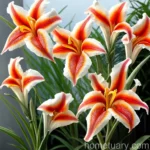
Gladiolus ‘Costa’ (Sword Lily): A Complete Guide
In this comprehensive guide, we will delve into the nuances of caring for the Gladiolus ‘Costa’, commonly known as the Sword Lily. We will explore its cultural practices, growth requirements, common diseases, and much more. Whether you are an experienced horticulturist or a novice gardener, this article will equip you with the knowledge to successfully cultivate Gladiolus ‘Costa’ and appreciate its beauty to the fullest.
What is Gladiolus ‘Costa’?
Gladiolus ‘Costa’, a member of the Iris family, is a striking perennial plant known for its elegant and vibrant sword-shaped flowers. Originating from the Mediterranean region, this species has captivated gardeners and flower enthusiasts for generations with its dazzling display of colors and graceful demeanor.
The Sword Lily is revered not only for its ornamental allure but also for its symbolic significance. Its long, slender spike adorned with multiple blooms has earned it a place in both formal garden settings and casual floral arrangements.
Key Takeaways – Gladiolus ‘Costa’
Here are the key takeaways that we will delve into in this guide:
- Culture
- Uses
- Water
- Sunlight
- Fertilizer
- Soil
- Pruning
- Propagation
- Container Popularity
- Container Common Diseases
- Disease diagnosis
- Common pests
- Botanist’s tips
- Fun facts
- Links to External Resources
Now, let’s embark on a journey to unravel the secrets of cultivating and caring for Gladiolus ‘Costa’ in your garden.
Culture of Gladiolus ‘Costa’
Understanding the cultural requirements of Gladiolus ‘Costa’ is essential for fostering healthy growth and vibrant blooms. Let’s explore the various aspects of its cultivation, from planting to maintenance.
Planting Guide
Location
When choosing a location for planting Gladiolus ‘Costa’, consider areas with well-draining soil and ample sunlight exposure. Select a site that receives at least 6-8 hours of direct sunlight daily to ensure optimal flower production.
Soil Preparation
Prepare the soil by incorporating organic matter, such as compost or well-rotted manure, to improve its fertility and drainage. Gladiolus ‘Costa’ thrives in loamy, well-aerated soils with a slightly acidic to neutral pH level (6.0-7.0).
Planting Depth and Spacing
Plant the corms (bulbs) of Gladiolus ‘Costa’ at a depth of approximately 4-6 inches, with the pointed side facing upwards. Ensure a spacing of 6-8 inches between individual corms to allow for adequate airflow and future growth.
Planting Time
In regions with frost-free winters, plant the corms in early spring once the soil has warmed up. For cooler climates, wait until the danger of frost has passed and the soil temperature has risen to around 55°F before planting.
Water
Watering Needs
Gladiolus ‘Costa’ thrives in moderately moist soil conditions during its active growth phase. Water the plants regularly, ensuring that the soil remains evenly moist but not waterlogged. During periods of extended drought, increase the frequency of watering to support healthy flower development.
Water Conservation Techniques
Implement water conservation techniques such as mulching to reduce moisture evaporation from the soil surface. Applying a layer of organic mulch, such as wood chips or straw, around the base of the plants also aids in weed suppression and soil moisture retention.
Winter Care
As the growing season comes to an end, gradually reduce watering to prepare the plants for dormancy. Once the foliage has dried and withered after the first frost, discontinue watering to prevent rot and fungal diseases during the dormant period.
Sunlight
Sunlight Requirements
Gladiolus ‘Costa’ thrives in full sunlight and requires a minimum of 6-8 hours of direct sun exposure daily to flower abundantly. Plant them in open areas or garden beds where they can bask in the sun’s warmth and radiance.
Heat Tolerance
This species exhibits remarkable heat tolerance, making it well-suited for cultivation in regions with warm summer climates. However, adequate moisture is crucial during periods of intense heat to prevent stress and dehydration in the plants.
Cold Hardiness
While Gladiolus ‘Costa’ prefers warmer temperatures, it can withstand mild frosts and cooler weather conditions. In regions with colder winters, consider mulching the soil around the corms to provide insulation and protect them from freezing temperatures.
Fertilizer
Fertilizing Tips
Apply a balanced fertilizer, such as a 10-10-10 or 20-20-20 formulation, to the soil at the time of planting to provide essential nutrients for the initial growth phase. Subsequently, top-dress the soil with a low-nitrogen, high-phosphorus fertilizer when the first signs of active growth emerge.
Sustainable Gardening
Incorporate organic fertilizers, such as compost or fish emulsion, into your fertilization practices to promote sustainable gardening practices and reduce the environmental impact of synthetic fertilizers.
Pruning
Pruning Techniques
After the flowering period has concluded, deadhead the spent blooms to encourage the development of new flower spikes and prevent the plant from expending energy on seed production. Additionally, remove any yellowing or withered foliage to maintain a clean and tidy appearance.
Floral Industry Impact
The cut flowers of Gladiolus ‘Costa’ hold significant value in the floral industry, where they are used in bouquets, arrangements, and floral displays. Pruning the plants at the right time ensures a bountiful supply of high-quality blooms for commercial and decorative purposes.
Propagation
Propagation Methods
Gladiolus ‘Costa’ can be propagated through various methods, including division of corms, offsets, and seed propagation. Division of corms is the most common and reliable technique for maintaining the desired characteristics of the parent plant.
Bulb Storage Tips
If you intend to store Gladiolus ‘Costa’ bulbs for future planting, carefully dig up the corms after the foliage has dried and store them in a cool, dry location. Inspect the bulbs for any signs of rot or damage before placing them in storage to ensure their viability and health.
Container Gardening
Container Popularity
The Sword Lily is an excellent candidate for container gardening, allowing individuals with limited garden space to enjoy its stunning blooms on patios, balconies, and decks. Select deep containers with adequate drainage holes to accommodate the growth of the corms and provide ample room for root development.
Indoor Cultivation
For indoor cultivation, choose a bright and sunny location for the containers, such as a south-facing window or a sunroom. Regularly monitor the moisture levels in the soil and adjust your watering schedule to suit the indoor environmental conditions.
Vertical Gardening
Embrace vertical gardening techniques by incorporating Gladiolus ‘Costa’ into trellises or vertical planters, adding a vertical dimension to your garden space. Train the flower spikes to climb the support structure, creating an enchanting display of cascading flowers.
Common Diseases and Pests
Disease Prevention
Implement disease prevention strategies, such as proper sanitation and regular inspections, to mitigate the risk of fungal diseases, including botrytis and fusarium wilt. Avoid overhead watering, which can promote the spread of fungal spores, and promptly remove any infected plant material to prevent the disease from spreading.
Disease-Resistant Cultivars
Select disease-resistant cultivars of Gladiolus ‘Costa’ when sourcing your planting material to minimize the likelihood of disease outbreaks and enhance the overall resilience of your garden.
Pest Control
Monitor your plants for common pests such as thrips and aphids, which may feed on the foliage and flowers of Gladiolus ‘Costa’. Employ natural pest control methods, such as introducing beneficial insects or using insecticidal soap, to manage pest populations without harming the environment.
Pollination Process
Gladiolus ‘Costa’ relies on insect pollinators, particularly bees and butterflies, for the transfer of pollen between individual flowers. Encourage pollinator activity in your garden by cultivating nectar-rich flowering plants that attract and support these vital pollinators.
Wildlife Attractions
The vibrant blooms of Gladiolus ‘Costa’ serve as an alluring attraction for various wildlife species, including hummingbirds and bees. Create a wildlife-friendly garden by incorporating a diverse array of plants that provide food and shelter for these beneficial creatures.
Botanist’s Tips and Fun Facts
Botanical Features
- Gladiolus ‘Costa’ belongs to the family Iridaceae and is characterized by its tall flower spikes adorned with multiple florets in a range of colors, including red, pink, purple, yellow, and white.
- The flowers of Gladiolus ‘Costa’ exhibit bilateral symmetry, with three outer tepals and three inner tepals forming a distinctive floral structure.
Flower Symbolism
- In the language of flowers, the Gladiolus symbolizes strength, integrity, and infatuation, making it a popular choice for conveying heartfelt emotions through floral arrangements and bouquets.
Medicinal Uses
- In traditional medicine, certain parts of the Gladiolus plant were utilized for their purported medicinal properties, including the treatment of respiratory ailments and digestive disorders.
Culinary Applications
- While not commonly consumed, certain cultures incorporate Gladiolus corms into traditional cuisine, where they are prepared through specialized cooking methods to render them palatable and nutritious.
Historical Background
- Gladiolus has a rich historical background, with references to the plant’s cultivation dating back to ancient Roman and Greek civilizations, where it held symbolic and ornamental significance.
Landscape Architecture
- In landscape architecture, Gladiolus ‘Costa’ finds its place in formal flower beds, cottage gardens, and mixed perennial borders, where its vertical flower spikes add height and visual interest.
Color Variations
- The Sword Lily exhibits an extensive range of color variations, including solid hues, bicolored patterns, and intricate markings, offering ample opportunities for creative color combinations in the garden.
Fragrance Description
- While Gladiolus ‘Costa’ is not renowned for its fragrance, certain cultivars may emanate a subtle floral scent, adding an olfactory dimension to their visual appeal.
Cultural Significance
- Various cultures and societies hold the Gladiolus in high regard, attributing symbolic meanings and cultural significance to this majestic flower, often associating it with valor and moral integrity.
Garden Maintenance Tips
- Regularly monitor the plants for signs of stress, disease, or nutrient deficiencies, and intervene promptly to address any issues and maintain the overall health and vigor of Gladiolus ‘Costa’.
Conclusion
In conclusion, Gladiolus ‘Costa’, the captivating Sword Lily, embodies a remarkable blend of ornamental splendor, cultural symbolism, and ecological value. By embracing the comprehensive care guidelines and insights shared in this guide, you can embark on a rewarding journey of nurturing these magnificent plants and witnessing their resplendent floral displays.
As you cultivate Gladiolus ‘Costa’ in your garden, remember to appreciate its rich heritage, versatile uses, and ecological role, as it continues to enchant and inspire generations of plant enthusiasts and nature admirers.
External Resources
For additional information and resources on Gladiolus ‘Costa’ (Sword Lily), explore the following links:
- Gladiolus ‘Costa’ Care Guide – Royal Horticultural Society
- Growing Gladiolus ‘Costa’ – University of Florida Extension
- Gladiolus ‘Costa’ Planting and Maintenance Tips – The Spruce
- Sword Lily ‘Costa’ – American Iris Society
By incorporating these valuable resources into your exploration of Gladiolus ‘Costa’, you can further enrich your understanding and appreciation of this remarkable botanical treasure. Happy gardening!