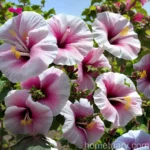
What is Hibiscus ‘Mars Madness’ (Rose Mallow)?
Hibiscus ‘Mars Madness’, commonly known as Rose Mallow, is a stunning perennial plant known for its large, colorful flowers and impressive landscape presence. This plant belongs to the Malvaceae family and is a native of North America, where it thrives in wetlands, along rivers, and in open woods. The botanical name for this particular variety is Hibiscus moscheutos ‘Mars Madness.’
The hibiscus genus encompasses over 200 species, and ‘Mars Madness’ is a cultivar that has been selected for its striking features and adaptability. This plant is popular among gardeners and landscaping enthusiasts for its low maintenance, tolerance to wet soils, and ability to attract pollinators like bees and butterflies.
Key Takeaways – Hibiscus ‘Mars Madness’ (Rose Mallow)
- Scientific Name: Hibiscus moscheutos ‘Mars Madness’
- Plant Type: Perennial
- Hardiness Zone: 5-10
- Mature Size: 4-6 feet tall and 3-4 feet wide
- Sun Exposure: Full sun to partial shade
- Soil Type: Moist, well-drained
- Bloom Time: Summer to early fall
- Flower Color: Reddish-pink with a bright red eye
- Attracts: Bees, butterflies
With its vibrant blooms and impressive height, Hibiscus ‘Mars Madness’ is an excellent addition to gardens, landscapes, and even containers. In this blog post, we will dive deep into its culture, uses, care requirements, and much more to help you successfully grow and enjoy this stunning plant.
Culture
Water
Being a water-loving plant, Hibiscus ‘Mars Madness’ thrives in consistently moist soil. While it can tolerate brief periods of drought once it’s established, regular watering is essential, especially during the hot summer months. To keep the soil consistently moist, consider using a soaker hose or drip irrigation system to water the plants deeply without wetting the foliage excessively.
Sunlight
This stunning Rose Mallow prefers full sun to partial shade, with at least 6 hours of direct sunlight per day for optimal growth and flowering. In regions with scorching summers, providing some afternoon shade can prevent the flowers and foliage from becoming stressed. However, make sure the plant still receives ample sunlight to promote healthy growth.
Fertilizer
To encourage vigorous growth and prolific flowering, fertilize Hibiscus ‘Mars Madness’ in early spring with a balanced, slow-release fertilizer. A 10-10-10 or 20-20-20 fertilizer can provide the necessary nutrients for healthy foliage and abundant blooms. Refrain from over-fertilizing, as excessive nitrogen can promote lush, weak growth that is more susceptible to pests and diseases.
Soil
Rose Mallow thrives in moist, well-drained soil rich in organic matter. A slightly acidic to neutral pH level in the range of 6.0 to 7.5 is ideal for this plant. When planting in clayey or sandy soils, amending the soil with compost or well-rotted manure can improve its structure and fertility, promoting healthier growth and better water retention.
Pruning
Pruning Hibiscus ‘Mars Madness’ is essential for maintaining its shape, promoting flowering, and removing dead or diseased growth. In late winter or early spring, before new growth emerges, prune the plant to about 6-12 inches above the ground. This rejuvenation pruning encourages the development of new, vigorous stems and ensures a more compact, bushy habit with abundant flowers.
Additionally, remove spent flowers regularly to encourage the plant to continue producing new blooms. Deadheading also prevents the formation of seed heads, directing the plant’s energy toward further flower production rather than seed development.
Propagation
Propagating Hibiscus ‘Mars Madness’ can be done through various methods, including stem cuttings, division, and seeds.
-
Stem Cuttings: Take 6-8 inch semi-hardwood cuttings in late spring or early summer, dip the cut ends in rooting hormone, and plant them in a well-draining potting mix. Keep the soil consistently moist and provide bottom heat to encourage root development.
-
Division: As the plant matures, it forms clumps of stems and root systems. Dividing these clumps in early spring allows you to create new plants while rejuvenating the existing ones. Each division should include several shoots and a portion of the root system.
-
Seeds: While growing from seed can be a slower process, it allows you to produce a large number of plants. Sow the seeds in a seed-starting mix in early spring and keep them warm, moist, and in bright, indirect light. Once the seedlings have developed several leaves, they can be transplanted into individual pots.
Container Popularity
The compact nature and striking appearance of Hibiscus ‘Mars Madness’ make it an excellent candidate for container gardening. Whether you have a small courtyard, balcony, or patio, this plant can thrive in a container, adding a pop of color and tropical charm to the space.
When growing Rose Mallow in containers, choose a large pot with drainage holes to prevent waterlogging, and use a high-quality, well-draining potting mix. Regular watering and fertilizing are crucial for container-grown plants to support their growth and ensure ample flowering throughout the season.
Common Diseases
Hibiscus ‘Mars Madness’ is typically a low-maintenance plant, but it can be susceptible to certain diseases, especially if grown in suboptimal conditions. Common diseases that may affect Rose Mallow include:
-
Fungal Leaf Spot: This disease appears as dark, water-soaked spots on the leaves, often surrounded by yellow halos. Providing adequate air circulation, avoiding overhead watering, and keeping the foliage dry can help prevent fungal leaf spot.
-
Powdery Mildew: A white, powdery growth on the leaves indicates a powdery mildew infection. Ensure good air circulation and avoid overcrowding plants to reduce the risk of this fungal disease.
-
Root Rot: Overly wet soil or poor drainage can lead to root rot, causing the plant to wilt and decline. To prevent root rot, ensure the soil has good drainage and adjust watering practices to maintain consistent soil moisture without waterlogging.
Disease Diagnosis
When diagnosing diseases in Hibiscus ‘Mars Madness’, closely inspect the plant for symptoms and consider the environmental conditions and cultural practices. Correctly identifying the specific disease affecting the plant is crucial for implementing effective control measures. Assistance from local gardening experts or plant disease clinics can provide valuable insights and solutions to address the diagnosed disease.
Common Pests
Although relatively resistant to pests, Hibiscus ‘Mars Madness’ may occasionally encounter pest issues. Common pests that can affect this plant include:
-
Aphids: These tiny, soft-bodied insects can cluster on new growth and undersides of leaves, sucking the plant’s sap and potentially transmitting viruses. Regularly inspect the plant and use a strong blast of water or insecticidal soap to control aphid populations.
-
Japanese Beetles: These metallic green beetles can skeletonize the leaves of Hibiscus ‘Mars Madness’. Handpick the beetles in the early morning when they are less active or use traps to manage their populations.
-
Spider Mites: These pests thrive in hot, dry conditions and can cause stippled, discolored foliage. Regularly mist the plant to increase humidity and use insecticidal soap to manage spider mite infestations.
Identifying pests early and implementing appropriate control measures can prevent significant damage to the plant and preserve its overall health and vigor.
Botanist’s Tips
1. Choose the Right Location
When selecting a planting site for Hibiscus ‘Mars Madness’, prioritize a location that receives ample sunlight and offers well-draining, consistently moist soil. Assess the space to ensure the plant has enough room to grow to its mature size without getting crowded by other vegetation.
2. Monitor Soil Moisture
Regularly check the soil moisture levels, especially during hot, dry periods. Providing consistent moisture without waterlogging the soil is crucial for the plant’s health and overall performance.
3. Deadhead Regularly
Remove spent flowers promptly to encourage the production of new blooms, prolonging the flowering period and maintaining a neat, tidy appearance.
4. Prune Wisely
Pruning Hibiscus ‘Mars Madness’ in late winter or early spring promotes new growth and an abundance of flowers. Take the time to rejuvenate the plant through careful pruning to ensure a stunning display of blooms during the growing season.
Fun Facts
- Hibiscus flowers are edible and can be used to make tea, jams, and syrups.
- The flowers of some hibiscus species are used in traditional medicine for various health benefits.
- Hawaii chose the hibiscus as its state flower, representing the beautiful and exotic flora found in the region.
Discovering interesting facts about Hibiscus ‘Mars Madness’ adds to the overall fascination and appreciation for this beautiful and versatile plant.
Links to External Resources
For further information on Hibiscus ‘Mars Madness’ care, propagation, and landscaping uses, explore the following resources:
- The American Hibiscus Society
- University of Florida IFAS Extension: Hibiscus
- Missouri Botanical Garden: Hibiscus moscheutos
- Royal Horticultural Society: Hibiscus
These resources provide valuable insights into the care and cultivation of Hibiscus ‘Mars Madness’, ensuring that you can successfully grow and enjoy this captivating plant in your garden or landscape.
In conclusion, Hibiscus ‘Mars Madness’ (Rose Mallow) is a versatile and visually stunning plant that brings vibrant color and tropical charm to any garden or landscape. With proper care, attention to its cultural needs, and disease and pest management, this perennial plant can thrive and delight with its impressive display of large, colorful flowers. Whether grown in the garden or in containers, Hibiscus ‘Mars Madness’ is sure to captivate and enhance outdoor spaces with its beauty and allure.