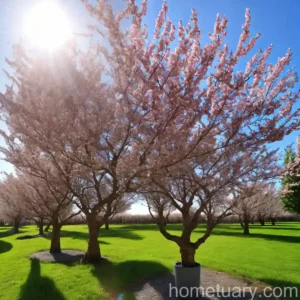
Grey Birch (Betula populifolia): A Comprehensive Guide for Plant Enthusiasts
Table of Contents
- Introduction to Grey Birch
- Physical Characteristics
- Cultivation and Care
- Water
- Sunlight
- Fertilizer
- Soil
- Pruning
- Propagation
- Container Popularity
- Common Uses
- Common Diseases and Pests
- Disease Diagnosis
- Common Pests
- Botanist’s Tips
- Fun Facts
- Links to External Resources
1. Introduction to Grey Birch
The grey birch (Betula populifolia) is a beautiful and versatile tree that is native to North America. It is commonly found in various ecosystems, including forests, wetlands, and urban landscapes. This deciduous tree belongs to the Betulaceae family and is known for its distinctive grayish-white bark and delicate leaves. With its unique characteristics and adaptability, the grey birch has become a popular choice for landscaping and has also been used traditionally for various purposes.
In this comprehensive guide, we will explore the physical characteristics, cultivation and care requirements, common uses, diseases and pests, interesting facts, and resources related to the grey birch tree.
2. Physical Characteristics
The grey birch tree is known for its distinctive features that make it easily recognizable in natural settings and cultivated landscapes. The following are some key physical characteristics of the grey birch:
-
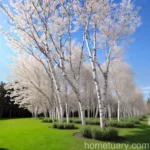
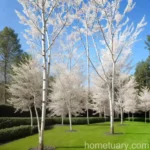
Bark: The bark of the grey birch is a prominent and appealing feature. It has a smooth texture with a silvery-gray hue that adds visual interest to the tree, especially during the winter months.
-
Leaves: The leaves of the grey birch are ovate or triangular in shape and have serrated edges. They are light green in color and turn a beautiful yellow shade in the fall, adding to the tree’s aesthetic appeal.
-
Growth Pattern: The grey birch typically grows to a height of 20 to 40 feet and has a spread of 15 to 25 feet. It has an open, irregular crown and a slender, upright form that lends a graceful look to the tree.
-
Flowers and Fruits: The grey birch produces catkins (slender, cylindrical clusters of flowers) in the spring, which add a delicate and elegant touch to the tree. The fruits appear as small, winged nutlets that are dispersed by the wind.
3. Cultivation and Care
Water
Proper watering is essential for the healthy growth and development of grey birch trees. While they are adaptable to various moisture conditions, especially in the wild, providing consistent moisture is important for optimal growth, particularly during dry periods.
Sunlight
Grey birch trees thrive in well-lit environments and prefer full sun to partial shade. Planting them in locations with ample sunlight promotes robust growth and the development of their characteristic foliage.
Fertilizer
Applying a balanced, slow-release fertilizer in the early spring can help promote healthy growth and vigor in grey birch trees. It is important to follow the recommended guidelines for fertilization to avoid overfeeding and potential adverse effects on the tree.
Soil
The grey birch prefers well-drained, slightly acidic soils. They are adaptable to a range of soil types, including loamy and sandy soils. Soil compaction can be problematic for their root systems, so it’s important to ensure adequate aeration and drainage.
Pruning
Pruning grey birch trees can be done to remove dead or damaged branches, improve their shape, and promote air circulation. It is generally recommended to prune them in late winter to early spring when they are dormant.
Propagation
Grey birch trees can be propagated through various methods, including seed propagation and hardwood cuttings. Propagating from seeds requires stratification to break dormancy, while hardwood cuttings can be taken in the winter for successful propagation.
Container Popularity
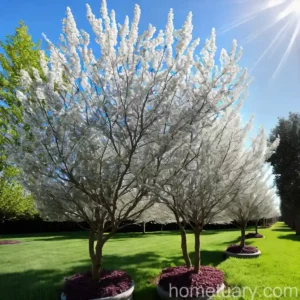
Due to their moderate size and elegant appearance, grey birch trees are well-suited for container cultivation. They can be grown in large containers on patios, decks, or other outdoor spaces, adding a touch of natural beauty to urban and suburban settings.
4. Common Uses
The grey birch tree has a range of practical and aesthetic uses that make it a valuable addition to landscapes and natural habitats. Some common uses of grey birch include:
-
Landscaping: Grey birch trees are often used in landscaping to provide shade, visual interest, and seasonal color. Their graceful form and distinctive bark make them a popular choice for parks, gardens, and residential properties.
-
Wood Products: The wood of grey birch trees is used in crafting furniture, cabinets, and decorative items. It is valued for its attractive appearance and workability, making it a preferred choice for various woodworking projects.
-
Wildlife Habitat: Grey birch trees provide valuable habitat and food for wildlife, including birds, insects, and mammals. Their catkins and seeds serve as a food source, while their branches offer nesting sites and cover.
-
Erosion Control: Due to their extensive root systems and adaptable nature, grey birch trees are utilized for erosion control in riparian areas and landscapes prone to soil erosion.
5. Common Diseases and Pests
Disease Diagnosis
Grey birch trees are susceptible to various diseases, including:
-
Leaf Spot: Fungal diseases such as Septoria and Cylindrosporium can cause leaf spot, leading to unsightly blemishes on the foliage.
-
Root Rot: Excessive moisture and poor drainage can contribute to root rot in grey birch trees, leading to decline and dieback.
Common Pests
Pests that may impact grey birch trees include:
-
Bronze Birch Borer: The larvae of this destructive insect bore into the wood of birch trees, causing damage to the vascular tissues and potentially leading to decline and mortality.
-
Birch Leafminer: These tiny insects feed within the leaves of birch trees, causing them to become distorted and discolored.
6. Botanist’s Tips
As a plant scientist, I recommend the following tips for ensuring the health and vitality of grey birch trees:
-
Monitor Moisture: Regularly check the soil moisture around grey birch trees to ensure that they are receiving adequate water without becoming waterlogged.
-
Inspect for Pests: Keep an eye out for signs of pest infestations, such as abnormal leaf discoloration or dieback, and take appropriate measures to manage pest populations.
-
Prune Carefully: When pruning grey birch trees, use sharp, clean tools to make smooth cuts and avoid removing excessive foliage, which can stress the tree.
7. Fun Facts
- The grey birch is also known as the gray birch or the wire birch.
- It is a pioneer species, often one of the first trees to colonize disturbed areas.
- Indigenous communities traditionally used grey birch bark for various practical and cultural purposes, such as crafting containers and making canoes.
8. Links to External Resources
For further information on grey birch trees, you may find the following resources helpful:
- USDA Plants Database: Betula populifolia
- The Morton Arboretum: Grey Birch
- University of Connecticut Plant Database: Betula populifolia
In conclusion, the grey birch (Betula populifolia) is a captivating and valuable tree species with diverse characteristics, uses, and ecological significance. By understanding its cultivation and care requirements, recognizing common diseases and pests, and appreciating its unique attributes, plant enthusiasts and professionals can cultivate, preserve, and celebrate the beauty and resilience of the grey birch in various landscapes and natural settings.