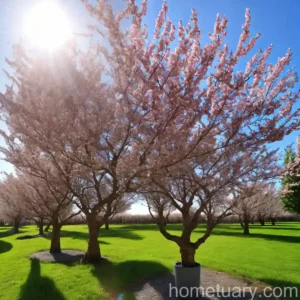
Himalayan Birch (Betula utilis)
Himalayan birch (Betula utilis) is a stunning deciduous tree known for its graceful habit, attractive bark, and delicate foliage. This tree is native to the Himalayas, where it thrives in high altitudes and cold climates. The Himalayan birch is a popular choice for landscapes, gardens, and urban areas due to its ornamental features and environmental benefits. In this comprehensive guide, we will explore the various aspects of Himalayan birch, including its culture, uses, care tips, diseases, and more.
What is Himalayan Birch (Betula utilis)?
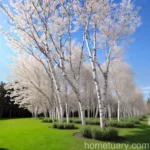
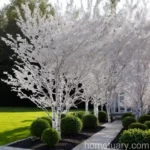
Himalayan birch, scientifically known as Betula utilis, is a species of birch tree that belongs to the Betulaceae family. It is a medium-sized deciduous tree that can reach a height of 15 to 25 meters (50 to 80 feet) upon maturity. The distinguishing feature of the Himalayan birch is its striking white bark, which peels in horizontal strips, exposing the cinnamon-colored bark underneath.
Key Takeaways – Himalayan Birch (Betula utilis)
Before we delve into the specific details of Himalayan birch, let’s have a look at the key takeaways associated with this remarkable tree:
-
Betula utilis varieties: There are several cultivated varieties of Betula utilis, each with its unique characteristics and growth habits.
-
Himalayan birch tree: Found in the Himalayan region, the Betula utilis tree is admired for its elegant appearance and resilience.
-
Birch tree species: Betula utilis is a species of birch tree, known for its beautiful bark, leaves, and landscape uses.
-
Growth habits of Betula utilis: Understanding the growth habits of Himalayan birch is crucial for successful cultivation and maintenance.
-
Himalayan birch characteristics: The characteristics of Betula utilis include its distinctive bark, leaf shape, and ornamental features.
-
Betula utilis leaves: The leaves of Himalayan birch are deciduous, featuring a serrated edge and a bright green color.
-
Uses of Himalayan birch: Himalayan birch serves various purposes, including ornamental planting, timber production, and traditional medicine.
-
Planting Betula utilis: Proper planting techniques are essential for establishing healthy Himalayan birch trees in the landscape.
-
Betula utilis care tips: Providing adequate water, sunlight, soil, and maintenance is crucial for the optimal growth of Himalayan birch.
-
Himalayan birch propagation: Understanding the propagation methods of Betula utilis is beneficial for expanding its presence in gardens and natural areas.
-
Betula utilis diseases: Being aware of potential diseases and their management is vital for maintaining the health of Himalayan birch trees.
-
Pruning Himalayan birch: Proper pruning techniques can enhance the form and structure of Betula utilis while promoting healthy growth.
-
Betula utilis landscape uses: Himalayan birch is valued for its landscape uses, including as a shade tree, specimen tree, and ornamental feature.
-
Himalayan birch bark: The distinctive bark of Betula utilis is a key ornamental feature, adding visual interest to landscapes.
-
Betula utilis in gardens: Gardeners and horticulturists often incorporate Betula utilis into their designs to add beauty and diversity.
-
Growing Betula utilis from seed: Exploring the seed propagation of Himalayan birch can offer insights into its reproductive strategies and seedling care.
-
Betula utilis common names: Himalayan birch is known by various common names, reflecting its widespread distribution and popularity.
-
Himalayan birch wood: The wood of Betula utilis has various applications, ranging from timber production to artistic activities.
-
Betula utilis hardiness: Understanding the hardiness of Himalayan birch is essential for selecting suitable growing conditions and climates.
-
Benefits of Betula utilis: The Himalayan birch provides numerous benefits, including environmental, aesthetic, and cultural advantages.
Now that we have outlined the key takeaways associated with Himalayan birch, let’s explore each aspect in detail.
Culture of Himalayan Birch (Betula utilis)
Cultivating Himalayan birch requires an understanding of its cultural requirements, including water, sunlight, fertilizer, soil, and pruning. By providing the ideal growing conditions, you can ensure the health and vitality of Betula utilis in your landscape.
Uses
Himalayan birch is valued for its various uses, making it a versatile and desirable tree for different settings. The following are the primary uses of Betula utilis:
- Ornamental planting in landscapes, gardens, and public areas
- Timber production for woodworking and crafting
- Traditional medicine for its medicinal properties
- Environmental benefits, including erosion control and wildlife habitat
Water
Proper watering is essential for the establishment and ongoing health of Himalayan birch trees. While the water needs of Betula utilis may vary based on environmental factors and soil conditions, it generally thrives in moderately moist soil. During the growing season, it is crucial to provide regular watering, especially during dry periods, to prevent stress and promote vigorous growth.
Sunlight
Himalayan birch is well-suited to partial to full sunlight exposure. When selecting a planting site, ensure that the tree receives adequate sunlight for the majority of the day. Adequate sunlight is crucial for promoting strong growth, vibrant foliage, and the development of its characteristic white bark.
Fertilizer
Providing appropriate nutrients through fertilization can enhance the growth and vitality of Himalayan birch trees. A balanced fertilizer, with an N-P-K ratio of 10-10-10 or similar, can be applied in the early spring to support the tree’s nutrient requirements. It is essential to follow the recommended application rates and avoid over-fertilization, which can lead to adverse effects on the tree’s health.
Soil
Himalayan birch tolerates a wide range of soil types, but it thrives in well-draining, slightly acidic soils. Loamy soils with good drainage and organic content are ideal for supporting the healthy growth of Betula utilis. Before planting, it is beneficial to amend the soil with organic matter to improve its structure and fertility.
Pruning
Pruning is an essential aspect of Himalayan birch care, contributing to the tree’s overall health, form, and appearance. Proper pruning techniques, such as the removal of dead or diseased branches, shaping, and thinning, can promote good air circulation, reduce the risk of diseases, and accentuate the tree’s natural beauty.
Propagation of Himalayan Birch (Betula utilis)
The propagation of Himalayan birch involves various methods, including seed propagation, cuttings, and grafting. Understanding the propagation techniques of Betula utilis can enable gardeners and horticulturists to expand its presence in natural areas and cultivated landscapes.
Container Popularity
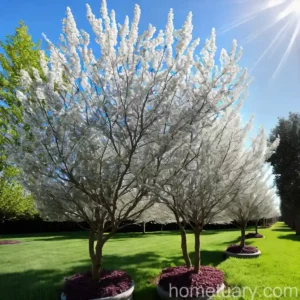
Given its attractive appearance and manageable size, Himalayan birch is well-suited to container cultivation. It is often grown as a container plant in urban landscapes, patios, and small gardens, where its ornamental features can be appreciated up close.
Container Common Diseases
When growing Himalayan birch in containers, it is essential to monitor for common diseases that can affect the tree. Diseases such as leaf spot, powdery mildew, and cankers can occur in container-grown birch trees, requiring proper management to maintain their health and vigor.
Disease Diagnosis
Diagnosing diseases in Himalayan birch involves careful observation of symptoms such as leaf discoloration, wilting, and abnormal growth. By accurately identifying the disease and its causal agent, appropriate control measures can be implemented to mitigate its impact and prevent further spread.
Common Pests
Himalayan birch is susceptible to certain pests, including aphids, bronze birch borers, and birch leafminers. Regular monitoring and early intervention can help mitigate pest infestations and protect the tree from significant damage.
Botanist’s Tips for Himalayan Birch (Betula utilis)
As a plant scientist, I have gathered some valuable tips for the successful cultivation and care of Himalayan birch. These tips are based on scientific knowledge and practical experience, aiming to assist enthusiasts, horticulturists, and nature lovers in growing and appreciating the beauty of Betula utilis.
-
Optimal growing conditions: Providing the ideal cultural conditions, including proper soil, sunlight, and water, is crucial for the healthy growth of Himalayan birch.
-
Maintenance of tree health: Regular monitoring, disease prevention, and pest management are essential for maintaining the vigor and resilience of Betula utilis.
-
Pruning practices: Employing correct pruning techniques, such as the removal of dead or diseased branches, can improve the overall structure and aesthetics of Himalayan birch.
-
Propagation methods: Understanding the various propagation methods, such as seed propagation and cuttings, can enable the expansion of Betula utilis in different environments.
-
Container cultivation: When growing Himalayan birch in containers, ensure adequate care and monitoring to address potential diseases and ensure the tree’s well-being.
Fun Facts about Himalayan Birch (Betula utilis)
As we explore the fascinating world of Himalayan birch, here are some fun and intriguing facts about Betula utilis:
- The peeling bark of Himalayan birch provides year-round visual interest, especially during the winter months when the tree is devoid of foliage.
- The characteristic white bark of Betula utilis is an adaptation to reflect sunlight and reduce water loss, particularly in high-altitude environments.
- Himalayan birch has been traditionally used for various purposes, including crafting containers, producing paper, and creating dyes.
- The leaves of Betula utilis turn a beautiful golden yellow in the fall, adding a vibrant display of color to the landscape.
- Himalayan birch is often associated with tranquility and symbolism, making it a popular choice for garden design and contemplative spaces.
Links to External Resources
For further exploration of Himalayan birch and related topics, here are some valuable external resources that provide in-depth information and insights:
- Royal Horticultural Society – Betula utilis
- Missouri Botanical Garden – Betula utilis
- USDA Forest Service – Trees of the Himalayas
In conclusion, Himalayan birch (Betula utilis) stands as a remarkable tree species with aesthetic, cultural, and ecological significance. Its distinctive features, cultural requirements, and diverse uses make it a valuable addition to landscapes, gardens, and natural environments. By understanding and appreciating the intricacies of Betula utilis, we can cultivate and cherish this elegant tree while contributing to the beauty and diversity of our surroundings.
Keywords: Betula utilis varieties, Himalayan birch tree, Birch tree species, Growth habits of Betula utilis, Himalayan birch characteristics, Betula utilis leaves, Uses of Himalayan birch, Planting Betula utilis, Betula utilis care tips, Himalayan birch propagation, Betula utilis diseases, Pruning Himalayan birch, Betula utilis landscape uses, Himalayan birch bark, Betula utilis in gardens, Growing Betula utilis from seed, Betula utilis common names, Himalayan birch wood, Betula utilis hardiness, Benefits of Betula utilis, Betula utilis in horticulture, Medicinal uses of Himalayan birch, Betula utilis for erosion control, Himalayan birch as a shade tree, Companion plants for Betula utilis, Betula utilis habitat, Uses of Himalayan birch in traditional medicine, Betula utilis pruning techniques, Dwarf varieties of Betula utilis, Himalayan birch ornamental features, Betula utilis in urban landscapes, Betula utilis flowering season, Himalayan birch fall color, Betula utilis as a windbreak tree, Betula utilis leaf shape, Pests of Himalayan birch, Betula utilis soil requirements, Betula utilis in arid climates, Betula utilis as a specimen tree, Himalayan birch cultivars, Betula utilis timber uses, Betula utilis root system, Himalayan birch leaf color variations, Betula utilis planting techniques, Betula utilis resiliency to climate change, Betula utilis as a privacy screen tree, Betula utilis environmental benefits, Betula utilis in xeriscaping, Himalayan birch wildlife habitat