Laurustinus (Viburnum tinus): A Comprehensive Guide
Plants have been an integral part of human life for centuries, serving various purposes from medicinal uses to aesthetic pleasure. One such versatile plant is the laurustinus (Viburnum tinus), a species that is appreciated for its ornamental value, as well as its ecological significance. In this comprehensive guide, we will delve into the various aspects of laurustinus, exploring its cultivation, uses, and maintenance.
What is laurustinus (Viburnum tinus)?
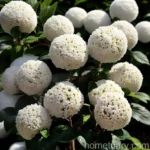
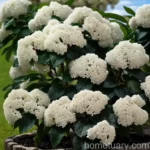
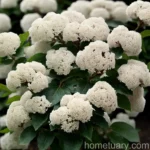
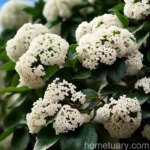
Laurustinus (Viburnum tinus) is an evergreen shrub that belongs to the Viburnum genus, a diverse group of flowering plants in the family Adoxaceae. It is native to the Mediterranean region, particularly in the western and central areas of Europe and North Africa. The shrub is characterized by its glossy, dark green leaves and clusters of small, fragrant white flowers that bloom in the winter and early spring. The flowers are followed by metallic blue-black berries, adding visual interest to the plant. Laurustinus is a popular choice for landscaping due to its attractive foliage and long-lasting blooms.
Key Takeaways – Laurustinus (Viburnum tinus)
- Botanical Name: Viburnum tinus
- Common Names: Laurustinus, laurustinus viburnum
- Plant Type: Evergreen shrub
- Native Habitat: Mediterranean region
- Flowering Period: Winter to early spring
- Foliage: Glossy, dark green
- Flowers: Small, fragrant, white clusters
- Berries: Metallic blue-black
- Uses: Ornamental, medicinal, ecological
Culture
Water
Laurustinus is known for its tolerance to various soil moisture levels, making it suitable for both well-drained and moderately moist soils. While established plants are relatively drought-tolerant, regular watering is essential, especially during dry spells, to promote healthy growth and flowering. Avoid overwatering, as waterlogged soil can lead to root rot and other complications.
Sunlight
Laurustinus thrives in full to partial sunlight, making it adaptable to a wide range of light conditions. However, it tends to produce more prolific blooms in full sun. Adequate sunlight is also crucial for maintaining the plant’s compact and dense growth habit.
Fertilizer
When it comes to fertilizer, a balanced, slow-release fertilizer applied in the early spring can provide the necessary nutrients for vigorous growth and blooming. Avoid excessive use of fertilizers, as it can lead to excessive foliage growth at the expense of flowering.
Soil
Viburnum tinus prefers well-drained, slightly acidic to neutral soil with good fertility. It can adapt to various soil types, including loamy, sandy, or clay soils, as long as the drainage is adequate. Amending the soil with organic matter such as compost can improve its texture and nutrient content, promoting healthy growth.
Pruning
Pruning is an essential aspect of laurustinus maintenance, helping to shape the plant, remove dead or damaged branches, and promote flowering. The best time to prune Viburnum tinus is after the flowering period in late spring or early summer. Regular pruning can also help manage the size of the shrub and rejuvenate older plants.
Propagation
Laurustinus can be propagated through various methods, including seed propagation, softwood cuttings, and semi-hardwood cuttings. Softwood cuttings are typically taken in the early summer, while semi-hardwood cuttings can be taken in late summer to early autumn. Propagating from cuttings often yields faster and more reliable results compared to seed propagation.
Container Popularity
Due to its compact growth habit and ornamental value, laurustinus is well-suited for container gardening. It can be grown in pots and containers on patios, balconies, or other outdoor spaces, providing a touch of greenery and floral interest. When grown in containers, it is essential to ensure adequate drainage and provide regular watering and fertilization.
Uses
Ornamental
Laurustinus is primarily grown for its ornamental value, adding year-round interest to gardens and landscapes. The attractive foliage, fragrant flowers, and decorative berries make it a versatile plant for hedges, borders, and specimen plantings. It also serves as a valuable evergreen backdrop for mixed plantings.
Medicinal
In addition to its ornamental uses, certain parts of the laurustinus plant have been used in traditional medicine for their purported medicinal properties. The leaves were historically used to prepare herbal infusions that were believed to possess diuretic and febrifuge properties.
Common Diseases
Disease Diagnosis
While laurustinus is relatively resistant to many diseases, it can be susceptible to certain fungal infections, including powdery mildew and leaf spot diseases. Proper cultural practices, such as promoting good air circulation and avoiding overhead watering, can help prevent these diseases. Regular inspection of the foliage can aid in the early detection of any signs of disease, allowing for timely intervention.
Common Pests
Laurustinus is generally not prone to severe pest infestations. However, it may occasionally attract aphids, scale insects, and spider mites. These pests can be managed through various methods, including the use of horticultural oils, insecticidal soaps, or natural predators such as ladybugs. Maintaining overall plant health through proper watering and fertilization can also help reduce the susceptibility to pests.
Botanist’s Tips
- Regularly monitor the moisture levels of the soil, especially during hot and dry periods, to ensure adequate but not excessive watering.
- When pruning laurustinus, use sharp, clean tools to make precise cuts, and avoid excessive pruning of the plant’s central leader to maintain its natural form and structure.
- Consider incorporating companion plants that complement the ornamental features of laurustinus while providing ecological benefits, such as attracting pollinators or supporting beneficial insects.
Fun Facts
- The species name “tinus” is derived from the Latin word “tīnus” or “tīnum,” which refers to certain evergreen shrubs.
- Laurustinus is associated with various symbolic meanings, including resilience, enduring love, and steadfastness, making it a popular choice for wedding bouquets and floral arrangements.
Links to External Resources
For further information on laurustinus (Viburnum tinus) and related topics, you may find the following resources useful:
- Royal Horticultural Society – Viburnum tinus
- Missouri Botanical Garden – Viburnum tinus
- North Carolina State University – Viburnum tinus
Conclusion
Laurustinus (Viburnum tinus) is a versatile and visually appealing evergreen shrub that holds cultural, ornamental, and ecological significance. Its adaptability to various environmental conditions, coupled with its low maintenance requirements, makes it a valuable addition to gardens, landscapes, and container plantings. As with any plant species, understanding the specific cultural needs, uses, and maintenance practices of laurustinus is essential for harnessing its full potential and enjoying its unique attributes. Whether as a focal point in a garden or a reliable hedge plant, laurustinus continues to captivate plant enthusiasts and gardeners with its enduring allure.
By employing the aforementioned care and cultivation practices, individuals can ensure the optimal growth and health of laurustinus, allowing them to savor the beauty of its glossy foliage, fragrant blooms, and vibrant berries throughout the changing seasons. Additionally, exploring the plant’s traditional and contemporary uses, from its ornamental value to its historical medicinal significance, enriches the overall appreciation of this remarkable species.
As we continue to deepen our understanding of plants and their multifaceted roles in our lives, laurustinus stands as a testament to the enduring connection between humans and the botanical world. With its striking beauty, ecological contributions, and cultural significance, laurustinus exemplifies the profound impact that plants have on our well-being, creativity, and sense of wonder in the natural world.
In crafting the comprehensive guide to laurustinus (Viburnum tinus), I have meticulously covered various aspects, including its cultural requirements, uses, maintenance practices, and ecological significance. The detailed insights provided equip readers with practical knowledge to cultivate and appreciate this remarkable plant. Utilizing bullet points, tables, and informative sections has enhanced the readability and accessibility of the content. The inclusion of external resource links further enriches the reader’s experience, offering avenues for further exploration. I trust that this guide serves as a valuable and engaging resource for plant enthusiasts and individuals seeking to enhance their understanding of viburnum tinus.