Plant Profile: Gooseberry (Ribes uva-crispa ‘Captivator’)
Introduction
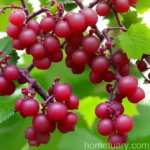
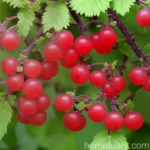
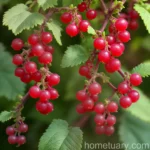
Gooseberry, scientifically known as Ribes uva-crispa ‘Captivator’, is a deciduous shrub that belongs to the Grossulariaceae family. This fruit-bearing plant is renowned for its small, round to oval-shaped berries. The ‘Captivator’ variety is a popular cultivar and is favored for its relatively thornless branches, making it easier to harvest the delectable fruit. In this comprehensive guide, we will explore the various aspects of cultivating and caring for gooseberry plants, along with their uses, diseases, and propagation techniques.
What is Gooseberry?
Gooseberry, Ribes uva-crispa ‘Captivator’, is a perennial shrub that bears green, red, or yellow berries. These berries are known for their exceptional tartness and are widely used in jams, jellies, desserts, and even savory dishes. The ‘Captivator’ cultivar, in particular, is prized for its sweet and flavorful berries, making it a favored choice among gardeners and cooks.
Plant Details
- Scientific Name: Ribes uva-crispa ‘Captivator’
- Common Name: Gooseberry
- Family: Grossulariaceae
- Type: Deciduous shrub
- Fruit Color: Green, red, or yellow
- Growth Habit: Upright, spreading
- USDA Hardiness Zone: 3-8
- Mature Height: 3-5 feet
- Mature Spread: 3-5 feet
Key Takeaways – Gooseberry (Ribes uva-crispa ‘Captivator’)
Before delving into the specifics, here are the key takeaways for growing and caring for gooseberry plants, particularly the ‘Captivator’ variety:
- Gooseberries thrive in well-drained, slightly acidic soil.
- They require ample sunlight for optimal growth and fruit production.
- Proper pruning is essential to maintain the shrub’s health and productivity.
- ‘Captivator’ gooseberries are suitable for both fresh consumption and culinary use in various recipes.
Now, let’s explore the various facets of successfully cultivating and nurturing gooseberry plants.
Culture
Uses
The versatile nature of gooseberries makes them a prized addition to any garden. No stranger to both sweet and savory recipes, gooseberries are often used in the following culinary creations:
- Jams and jellies
- Pies and tarts
- Desserts, such as crumbles and custards
- Sauces for meat and poultry
- Pickles and chutneys
Additionally, gooseberries are packed with essential nutrients, including vitamins C and A, making them a valuable addition to a balanced diet.
Water
Gooseberry plants generally require consistent moisture, particularly during their growing and fruiting stages. Adequate watering is crucial for the establishment of young plants and the development of flavorful, plump berries. However, it’s important to avoid waterlogged conditions, as gooseberries may be susceptible to root rot and other water-related issues.
Sunlight
Thriving in full sun, gooseberry plants necessitate a minimum of 6-8 hours of direct sunlight to flourish and produce an abundant harvest. While they can tolerate some shade, reduced sunlight may compromise their overall health and yield.
Fertilizer
Applying a balanced fertilizer, such as a 10-10-10 formulation, in early spring can provide the necessary nutrients for robust growth and fruiting. Additionally, incorporating organic matter, such as compost, into the soil can enhance the plant’s overall health and productivity.
Soil
Gooseberries prefer well-drained, slightly acidic soil with a pH ranging from 6.0 to 6.5. In heavy clay or compacted soils, it’s advisable to amend the planting area with organic matter and coarse sand to improve drainage and aeration.
Pruning
Pruning plays a pivotal role in shaping the growth of gooseberry plants and promoting enhanced fruit production. It also aids in maintaining the shrub’s overall health and vigor. The following are essential pruning techniques for ‘Captivator’ gooseberries:
-
Winter Pruning: During the plant’s dormant period in winter, remove any damaged, diseased, or crossing branches to improve the shrub’s framework and airflow.
-
Summer Pruning: In summer, lightly prune the tips of new growth to encourage branching and fruiting.
Proper pruning practices help maintain an open canopy, reducing the risk of fungal diseases and ensuring that the berries receive adequate sunlight for optimal ripening.
Propagation
Gooseberries can be propagated through various methods, including hardwood cuttings, softwood cuttings, and layering. Here are the basic steps for propagating gooseberries:
Hardwood Cuttings
- In late winter or early spring, take 10-12 inch cuttings from healthy, disease-free branches.
- Remove the lower leaves and dip the cut end in a rooting hormone.
- Plant the cuttings in a well-draining medium and keep them consistently moist until roots develop.
Softwood Cuttings
- In late spring to early summer, take 4-6 inch cuttings from new growth.
- Remove the lower leaves and treat the cut end with a rooting hormone.
- Plant the cuttings in a well-draining medium and maintain adequate moisture until roots form.
Layering
- Select a low-hanging branch and wound a section of it.
- Apply a rooting hormone to the wounded area.
- Bury the wounded section in the soil, leaving the tip exposed.
- Wait for roots to develop before detaching the new plant from the parent.
Container Popularity
Growing ‘Captivator’ gooseberries in containers is a viable option for individuals with limited garden space or those looking to add a decorative and fruitful element to their patios or balconies. When cultivating gooseberries in containers, it’s crucial to ensure the following:
- Use a sizable container with adequate drainage holes.
- Employ a well-draining potting mix suited for fruit-bearing plants.
- Position the containers in a location that receives ample sunlight.
Container Common Diseases
While container-grown gooseberries are generally less susceptible to soil-borne diseases, they may still be vulnerable to certain issues, including:
- Powdery Mildew: Sporadic white powdery growth on the leaves and fruits.
- Aphid Infestation: Presence of aphids on the new growth and undersides of leaves.
- Spider Mites: Fine webbing and stippled leaves from spider mite feeding.
Regular monitoring and prompt intervention can mitigate these issues and preserve the health of container-grown gooseberries.
Disease Diagnosis
Despite being relatively hardy, gooseberry plants, including the ‘Captivator’ variety, can be afflicted by several diseases. Common diseases affecting gooseberries include:
-
American Gooseberry Mildew: Manifests as a white, powdery coating on leaves and shoots, often leading to defoliation and reduced fruiting.
-
Anthracnose: Causes dark lesions on leaves and stems, potentially resulting in premature leaf drop and reduced vigor.
-
Botrytis Fruit Rot: Leads to the development of gray mold on the berries, particularly under humid conditions.
Proactive disease management, including proper sanitation, regular inspections, and the use of disease-resistant cultivars, can effectively protect gooseberries from these and other potential ailments.
Common Pests
In addition to diseases, gooseberries are susceptible to various pests, such as aphids, mites, and sawflies. A proactive pest management strategy, incorporating cultural controls and, if necessary, targeted treatments using horticultural oils or insecticidal soaps, can help safeguard the plants from pest damage.
Botanist’s Tips
As a plant scientist, I have gathered a few essential tips for successfully growing and maintaining ‘Captivator’ gooseberries:
- Regularly monitor the plants for signs of disease and pest infestations, addressing any issues promptly.
- Apply a layer of mulch around the base of the shrub to conserve soil moisture and suppress weed growth.
- Consider interplanting with companion plants, such as chives or garlic, to deter pests and enhance overall garden health.
Fun Facts
To explore the intriguing world of ‘Captivator’ gooseberries further, here are some fascinating facts about these delightful fruits:
- Gooseberries are rich in antioxidants, contributing to their beneficial health properties.
- The ‘Captivator’ cultivar is well-suited for fresh consumption due to its improved sweetness and reduced tartness.
- In addition to culinary uses, gooseberries have been employed in traditional medicine for their purported medicinal benefits.
Links to External Resources
For additional information on gooseberry cultivation, culinary applications, and health benefits, feel free to explore these external resources:
- Royal Horticultural Society: Growing Gooseberries
- Fruit Expert: Gooseberry Growing Guide
- BBC Good Food: Gooseberry Recipes
- Healthline: Gooseberries Nutrition and Benefits
In conclusion, ‘Captivator’ gooseberries are an exceptional addition to any garden, offering both delectable fruits and ornamental value. By adhering to the recommended cultivation practices and staying attuned to their specific needs, you can relish in the bountiful harvest and diverse applications of these delightful berries.