Gooseberry (Ribes ‘Welcome’)
In the world of gardening, gooseberries are often overlooked, but these delightful fruits are a wonderful addition to any garden. With their unique flavor.
In the world of gardening, gooseberries are often overlooked, but these delightful fruits are a wonderful addition to any garden. With their unique flavor, versatility in culinary use, and ornamental beauty, gooseberries make for a rewarding and practical plant to grow. In this comprehensive guide, we will delve into the various aspects of growing and caring for gooseberries, specifically focusing on the Ribes ‘Welcome’ variety. From cultivation and maintenance to pest and disease management, this article will provide you with all the necessary information to successfully grow and enjoy your own gooseberry plants.
What is Gooseberry (Ribes ‘Welcome’)?
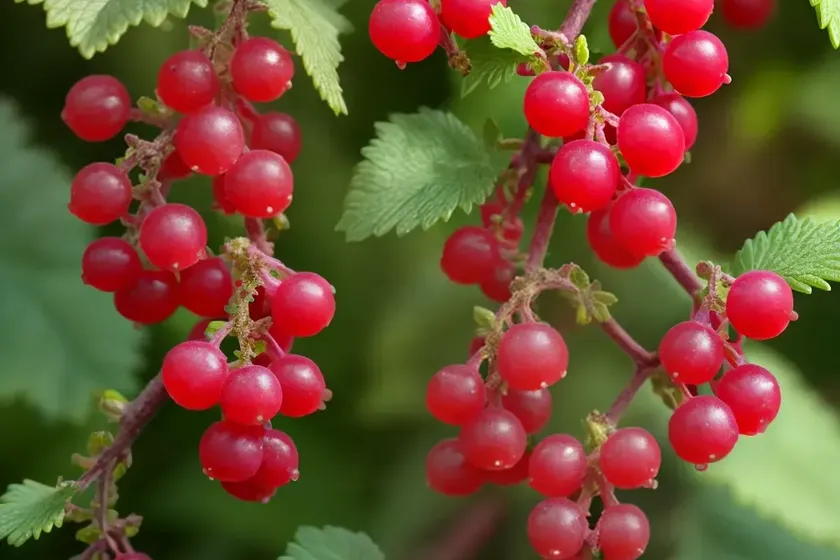
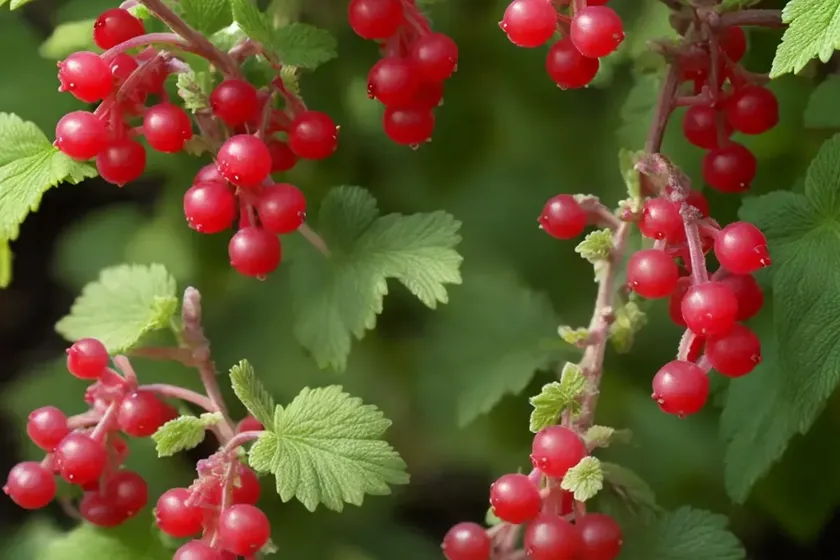
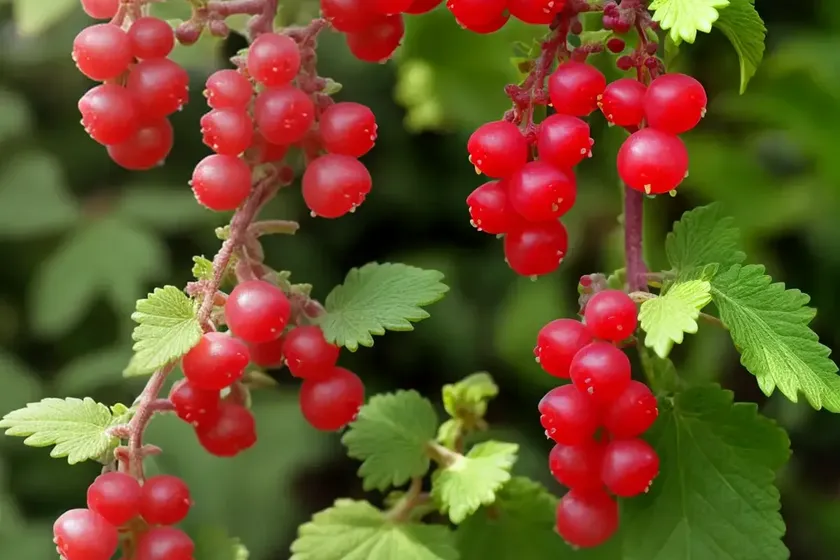
The gooseberry, scientifically known as Ribes ‘Welcome’, is a deciduous shrub that belongs to the genus Ribes and the Grossulariaceae family. It is native to Europe, North Africa, and parts of Asia and is well-regarded for its edible, tart berries. The ‘Welcome’ variety of gooseberry is recognized for its vigorous growth, disease resistance, and high yield, making it a preferred choice for many gardeners. The berries themselves are small, round, and typically greenish-yellow or red when ripe.
Key Takeaways – Gooseberry (Ribes ‘Welcome’)
- Botanical Name: Ribes ‘Welcome’
- Common Name: Gooseberry
- Plant Type: Deciduous shrub
- Growth Habit: Upright, spreading
- Fruit Color: Greenish-yellow to red
- Culinary Use: Edible berries
- Ornamental Value: Attractive foliage and flowers
- Hardiness Zones: 3-8
Now that we have an overview of what gooseberry (Ribes ‘Welcome’) is, let’s explore the specific cultural requirements for successfully growing and maintaining these plants.
Culture
Cultivating gooseberries, especially the ‘Welcome’ variety, requires attention to various cultural aspects. From soil composition to pruning techniques, every element plays a crucial role in ensuring the optimal growth and productivity of these plants.
Uses
Culinary Use
- Gooseberries, including the ‘Welcome’ variety, are highly versatile and can be used in numerous culinary applications.
- They are commonly utilized in jams, jellies, pies, desserts, and even savory dishes due to their tangy flavor.
Ornamental Use
- In addition to their delicious fruits, gooseberries also exhibit ornamental value, with their lush foliage and delicate blooms adding aesthetic appeal to gardens.
Water
Gooseberries, including Ribes ‘Welcome’, have specific watering requirements that should be met to maintain their health and vigor.
- Young Plants: Newly planted gooseberries require regular watering to establish a strong root system.
- Mature Plants: Once established, mature gooseberry plants are relatively drought-tolerant but benefit from regular watering, especially during dry periods and fruit development.
- Watering Frequency: Water deeply but infrequently to encourage deep root growth and prevent waterlogging.
Sunlight
Proper sunlight exposure is essential for the growth and fruiting of gooseberries.
- Light Requirement: Gooseberries thrive in full sun to partial shade. Aim for at least six hours of direct sunlight to ensure healthy growth and a bountiful harvest.
- Shade Tolerance: While they prefer full sun, gooseberries can tolerate partial shade, especially in hotter climates.
Soil
The right soil composition is crucial for the success of gooseberry (Ribes ‘Welcome’) plants.
- Acidic Soil: Gooseberries prefer slightly acidic soil with a pH range of 6.0 to 6.5. Test your soil and amend it as necessary to maintain the ideal pH level.
- Well-Draining Soil: Good drainage is essential to prevent waterlogged conditions that can lead to root rot. Incorporate organic matter into heavy soils to improve drainage.
- Nutrient Requirements: Gooseberries benefit from fertile soil with ample organic matter. Incorporate compost or well-rotted manure into the soil before planting.
Fertilizer
Proper fertilization is essential to support the growth and fruit production of gooseberries, including the ‘Welcome’ variety.
- Spring Application: In early spring, apply a balanced fertilizer, such as 10-10-10, according to the manufacturer’s instructions.
- Annual Feeding: Each year, provide a dose of fertilizer to replenish the soil and supply essential nutrients for robust growth and fruit development.
- Organic Options: Organic fertilizers, such as compost and well-rotted manure, can also be used to nourish gooseberry plants.
Pruning
Pruning is a critical aspect of gooseberry care, promoting airflow, light penetration, and better fruit production.
- Timing: Prune gooseberries during late winter or early spring before new growth emerges.
- Objective: Remove old, weak, or overcrowded branches to encourage new growth and improve fruiting.
- Sanitation: Always use clean, sharp pruning tools and sanitize them between cuts to prevent disease spread.
Propagation
Propagating gooseberry plants, including the ‘Welcome’ variety, allows for the expansion of your gooseberry patch and the preservation of your favorite cultivars.
Methods
Hardwood Cuttings
- Take hardwood cuttings from healthy, disease-free gooseberry plants in late winter or early spring.
- Prepare the cuttings by selecting 12 to 18-inch sections of last year’s growth and planting them in well-draining soil or a propagation medium.
- Ensure the cuttings receive consistent moisture and protection from extreme temperatures until they root and establish.
Layering
- Layering is another effective propagation method, especially for gardeners who want to multiply their gooseberry plants without the need for specialized equipment.
- Select a low-growing, flexible stem and gently bend it to the ground.
- Make a small incision on the underside of the stem and cover it with soil to promote root development.
- Once roots have formed, detach the new plant from the parent and transplant it to its desired location.
Container Popularity
While gooseberries are typically grown in the ground, they can also thrive in containers, making them an excellent option for gardeners with limited space or those who prefer the flexibility of container gardening.
- Container Selection: Choose a large, sturdy container with adequate drainage holes to accommodate the extensive root system of the gooseberry plant.
- Soil Requirements: Use a quality potting mix that provides good drainage and aeration for container-grown gooseberries.
- Location: Place the containers in a sunny location, and ensure they receive regular watering and fertilization to support healthy growth and fruiting.
Now that we have covered the cultural aspects of growing gooseberries, let’s delve into common diseases, pests, and effective management strategies to ensure the optimal health of your plants and a bountiful harvest of delicious berries.
Common Diseases
As with any plant, gooseberries, including the ‘Welcome’ variety, are susceptible to certain diseases that can hinder their growth and fruit production.
Disease Diagnosis
American Gooseberry Mildew (Podosphaera mors-uvae)
- Symptoms: Look for a white powdery fungal growth on leaves and shoots, which can lead to leaf distortion and reduced fruit yield.
- Management: Prune affected parts, improve air circulation, and apply fungicidal sprays as necessary.
Powdery Mildew (Sphaerotheca mors-uvae)
- Symptoms: Powdery white patches on leaves, shoots, and fruits, accompanied by leaf distortion and reduced vigor.
- Management: Prune affected plant parts, apply fungicidal sprays, and maintain good air circulation to reduce humidity levels.
Botrytis Blight (Botrytis cinerea)
- Symptoms: Gray mold on affected plant parts, including leaves, shoots, and fruits, leading to tissue decay and rot.
- Management: Remove and dispose of affected plant parts, ensure good airflow, and apply fungicidal sprays to prevent further spread.
Gooseberry Wilt (Drepanopeziza ribis)
- Symptoms: Wilting, yellowing, and premature defoliation of the plant, resulting from a fungal infection.
- Management: Ensure proper watering and drainage, avoid excessive moisture, and apply fungicidal treatments if necessary.
Common Pests
Pests can also pose a threat to gooseberry plants and their fruit, requiring diligent monitoring and intervention to prevent infestations and minimize damage.
European Imported Currant Worm (Nematus ribesii)
- Identification: Look for green, yellow-striped larvae that feed on foliage, causing skeletonization of leaves.
- Management: Handpick and destroy larvae, apply insecticidal sprays as necessary, and encourage natural predator populations.
Gooseberry Sawfly (Pristiphora grossulariae)
- Identification: Look for yellowish-green larvae with black spots that consume the leaves from the edges inwards.
- Management: Handpick larvae, monitor plants for early signs of infestation, and utilize insecticidal treatments if necessary.
Aphids
- Identification: Look for small, soft-bodied insects on the undersides of leaves, which can cause curling, yellowing, and stunted growth.
- Management: Use insecticidal soaps, neem oil, or predatory insects to control aphid populations and prevent damage.
Spider Mites
- Identification: Look for tiny, reddish-brown mites and webbing on the undersides of leaves, causing stippling and reduced plant vigor.
- Management: Use horticultural oils or insecticidal soaps to control spider mite infestations and improve plant health.
As we have covered the potential challenges of disease and pest management, let’s move on to practical tips from a botanist’s perspective to ensure the health and productivity of gooseberry (Ribes ‘Welcome’) plants.
Botanist’s Tips
Fostering Health and Productivity
- Regularly inspect plants for signs of disease and pest activity, addressing issues promptly to prevent widespread damage.
- Promote good air circulation by spacing plants adequately and pruning for open canopies, reducing the risk of fungal diseases.
- Maintain proper soil moisture, avoiding both waterlogged and excessively dry conditions to support healthy root development and overall plant vigor.
- Mulch around gooseberry plants to maintain soil moisture, suppress weeds, and provide a stable root temperature.
Maximizing Fruit Production
- Thoroughly thin the fruit clusters to allow for adequate spacing between berries, promoting larger and higher-quality fruits.
- Provide structural support, such as stakes or trellises, to prevent sprawling and increase light exposure to promote fruit ripening.
- Monitor plant nutrition and supplement with appropriate fertilization to support robust fruit development and overall plant health.
Disease and Pest Prevention
- Practice crop rotation to minimize the carryover of diseases and pests, preventing the buildup of harmful organisms in the soil.
- Implement integrated pest management (IPM) strategies, including beneficial insect release and cultural practices, to maintain pest populations in check.
- Choose disease-resistant cultivars, such as the ‘Welcome’ variety, to reduce the likelihood of infections and subsequent management efforts.
Fun Facts
- Gooseberries have been cultivated for over 500 years and are prized for their unique flavor and nutritional benefits.
- The term “gooseberry” is thought to have originated from the medieval English practice of serving the tart berries as a sauce for roast goose.
- Gooseberries are rich in vitamins, minerals, and antioxidants, offering numerous health benefits when consumed regularly.
We have now covered a wide range of aspects related to the cultivation and care of gooseberries, with a specific focus on the Ribes ‘Welcome’ variety. As we deepen our understanding of this delightful fruit-bearing plant and its requirements, it is also essential to explore additional resources and further information to support successful gooseberry gardening.
Links to External Resources
- Gooseberries Planting and Harvesting Guide
- Growing Gooseberries in Home Gardens
- Pruning Gooseberries for Productivity
- Gooseberry Pests and Diseases Management
- Healthy Recipes Using Fresh Gooseberries
- Companion Planting for Gooseberries
In conclusion, growing and caring for gooseberries, particularly the ‘Welcome’ variety, can be an immensely rewarding experience for gardeners and fruit enthusiasts. By understanding the specific requirements of these plants, implementing proper cultural practices, and addressing potential challenges with disease and pest management, you can create a flourishing gooseberry garden and enjoy a plentiful harvest of these delightful fruits.
Remember, successful gardening is an ongoing learning process, and each season presents opportunities for further refinement and exploration. With the right knowledge, resources, and dedication, you can savor the unique charm and delicious rewards of cultivating Ribes ‘Welcome’ gooseberries in your own garden.


