Jostaberry (Ribes Hybrid (Ribes Uva-crispa X R. Nigrum)
Plants are an integral part of our ecosystem, providing essential resources for both humans and other organisms. They are not only aesthetically pleasing.
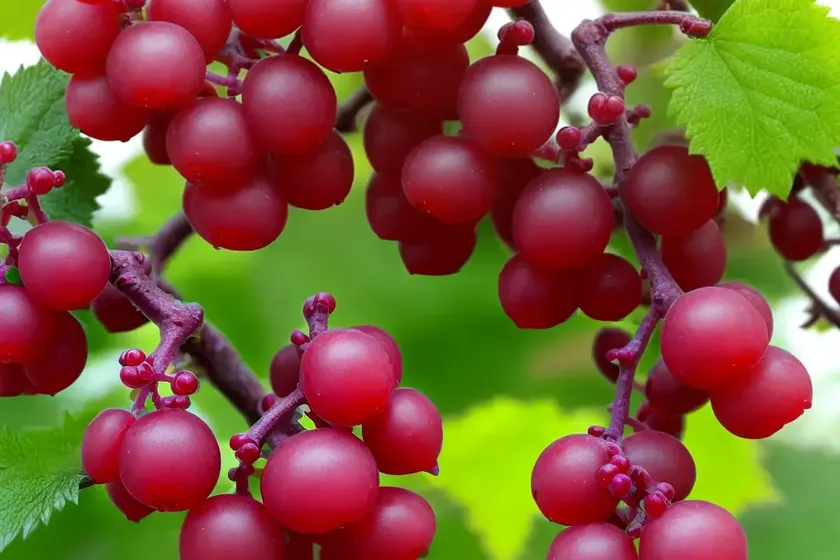
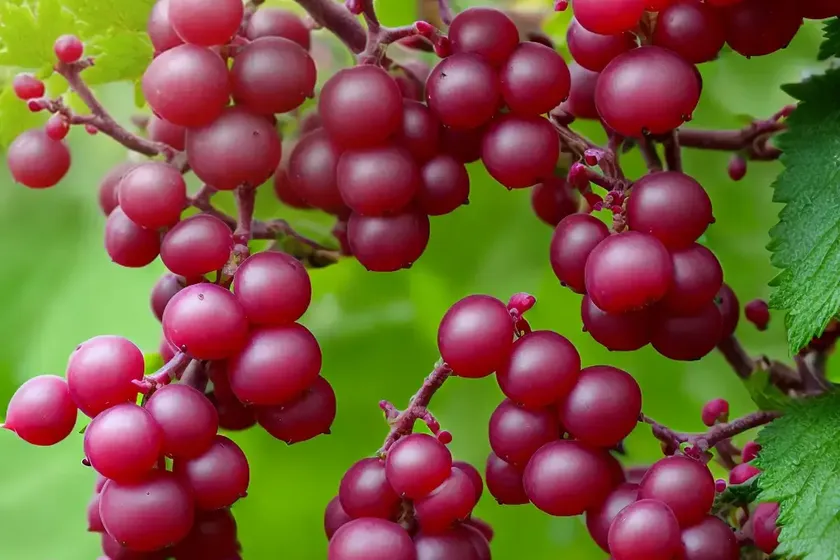
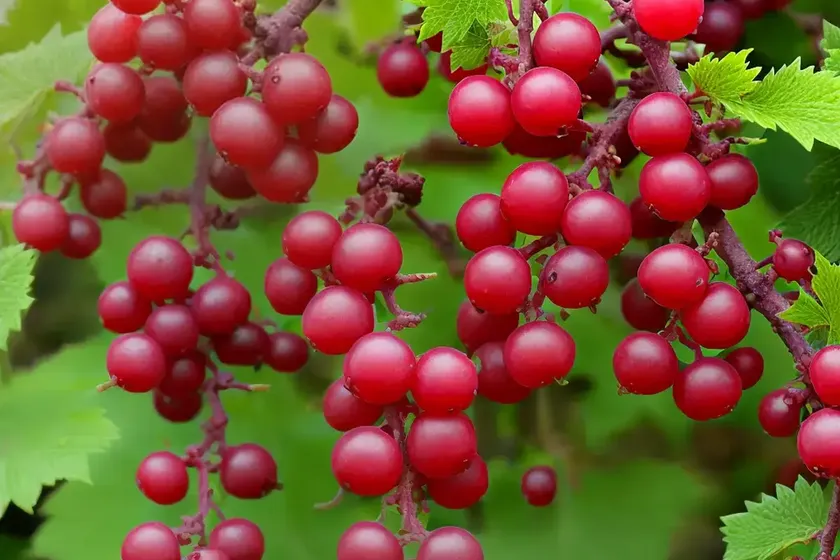
Plants are an integral part of our ecosystem, providing essential resources for both humans and other organisms. They are not only aesthetically pleasing but also contribute to the overall well-being of the environment. Understanding plants, their characteristics, and their cultivation is crucial for anyone interested in gardening, agriculture, or simply a nature enthusiast. In this blog post, we will delve into the fascinating world of one particular plant: the jostaberry.
What is a Jostaberry?
The jostaberry, scientifically known as Ribes hybrid (Ribes uva-crispa x R. nigrum), is a unique and relatively less-known fruit-bearing plant that is a hybrid of the black currant (R. nigrum) and the gooseberry (R. uva-crispa). It belongs to the genus Ribes and carries the genetic characteristics of both parent plants, resulting in a distinctive fruit with a range of potential uses.
The jostaberry is renowned for its remarkable resilience, ease of cultivation, and the nutritional value of its fruits. It has gained attention among gardeners and plant enthusiasts due to its hardiness and the versatility of its berries. Let’s explore the various aspects of jostaberry cultivation, care, and utilization to gain a comprehensive understanding of this intriguing plant.
Key Takeaways
Before we delve into the specifics of jostaberry cultivation and care, let’s highlight some key takeaways that will guide us through the comprehensive exploration of this fascinating plant.
- Plant Name: Jostaberry (Ribes hybrid (Ribes uva-crispa x R. nigrum)
- Family: Grossulariaceae
- Genus: Ribes
- Scientific Name: Ribes hybrid (Ribes uva-crispa x R. nigrum)
- Common Names: Jostaberry, Josta Berry
- Hardiness Zone: 4-8
- Sun Exposure: Full sun to partial shade
- Soil pH: 5.5-7.0
- Plant Type: Deciduous Shrub
- Mature Height: 4-6 feet
- Mature Spread: 3-5 feet
- Bloom Time: Spring
- Harvest Time: Mid to late summer
With these key takeaways in mind, let’s embark on a detailed exploration of jostaberry cultivation, care, and utilization.
Cultivation
Cultivating jostaberries can be an immensely rewarding experience, given their remarkable adaptability and the nutritional bounty they offer. Understanding the ideal conditions for their growth and development is essential to ensure a plentiful harvest. Here are the critical factors to consider when cultivating jostaberries:
Uses
The jostaberry is primarily cultivated for its delectable and versatile fruits. The berries are suitable for various culinary purposes, including making jams, jellies, syrups, desserts, and even wines and liqueurs. Additionally, their high nutritional value makes them an excellent addition to a health-conscious diet.
Water
Jostaberries require consistent moisture, particularly during the flowering and fruiting stages. Adequate watering is essential to ensure the development of plump, flavorful berries. While the plant can tolerate short periods of drought, it thrives when provided with regular watering, especially during dry spells.
Sunlight
Optimal sunlight exposure is crucial for the vigorous growth and fruit production of jostaberries. They thrive in full sun to partial shade, with at least 6-8 hours of direct sunlight being ideal for ensuring robust plant development and a bountiful harvest.
Fertilizer
Appropriate fertilization is essential to support the growth and fruiting of jostaberry plants. A balanced, slow-release fertilizer formulated for fruit-bearing shrubs can be applied in early spring to provide essential nutrients for the growing season. Additionally, organic mulches can be used to enrich the soil and regulate moisture levels.
Soil
Jostaberries prefer well-drained, loamy soil with a slightly acidic to neutral pH ranging from 5.5 to 7.0. Amending the soil with organic matter such as compost or well-rotted manure can enhance its texture and fertility, creating an optimum growing environment for the plants.
Pruning
Proper pruning plays a significant role in shaping the growth of jostaberry plants and promoting prolific fruiting. Pruning should be conducted during the dormant season, typically in late winter or early spring, to remove old, damaged, or crossing branches and encourage healthy regrowth and fruit production.
Propagation
Jostaberries can be propagated through various methods, including hardwood cuttings, softwood cuttings, and layering. Choosing the appropriate propagation technique and timing is crucial for ensuring successful establishment and vigorous growth of new plants.
Container Popularity
Jostaberries can also be cultivated in containers, making them a versatile option for individuals with limited space or those interested in patio gardening. Container-grown jostaberries require adequate drainage, regular watering, and proper fertilization to thrive in a confined environment.
Common Diseases
Like any plant, jostaberries are susceptible to certain diseases that can affect their growth and fruit production. Understanding these common diseases and implementing preventive measures is crucial for maintaining healthy jostaberry plants.
Disease Diagnosis
The diagnosis of jostaberry diseases often involves careful observation of symptoms such as leaf discoloration, wilting, and abnormal growth patterns. Identifying the specific disease affecting the plants is essential for implementing targeted management strategies and minimizing the impact on overall plant health.
Common Pests
Various pests, including aphids, spider mites, and caterpillars, can pose a threat to jostaberry plants, potentially compromising their growth and fruit quality. Implementing integrated pest management practices and monitoring for early signs of infestation is essential for preventing pest-related damage.
Botanist’s Tips
As a plant scientist, I would like to share some valuable tips for successfully cultivating and caring for jostaberry plants based on scientific insights and practical experience. These tips encompass key aspects of jostaberry cultivation, including soil requirements, watering guidelines, and pest management strategies, to promote the optimal growth and productivity of the plants.
Fun Facts
To enrich your knowledge and appreciation of jostaberries, here are some intriguing and lesser-known facts about these remarkable plants:
- Jostaberries are a relatively recent introduction, developed in the early 20th century through deliberate hybridization efforts to combine the desirable traits of black currants and gooseberries.
- The berries of jostaberry plants are rich in antioxidants, vitamins, and essential nutrients, making them a valuable addition to a healthy diet.
- Jostaberry plants are known for their vigorous growth habit and high productivity, often yielding abundant harvests with minimal maintenance.
- The versatility of jostaberries extends to their culinary applications, as they can be used to create a wide range of delectable treats, including jams, pies, and beverages.
Links to External Resources
For further exploration of jostaberry cultivation, care, and utilization, I recommend the following external resources with valuable information and insights:
- University of Maryland Extension: Growing Black Currants and Jostaberries
- Royal Horticultural Society: Ribes (Currants and Gooseberries)
- Ontario Ministry of Agriculture, Food and Rural Affairs: Jostaberries
In conclusion, jostaberry plants offer an exciting opportunity for both seasoned gardeners and enthusiasts to cultivate a unique, resilient fruit-bearing shrub with a plethora of culinary and nutritional benefits. By understanding the essential aspects of jostaberry cultivation, care, and utilization, individuals can embark on a rewarding journey of fostering these remarkable plants and enjoying the delightful fruits they yield.
Keywords: Jostaberry benefits, Growing jostaberries, Jostaberry cultivation, Jostaberry plant care, Jostaberry varieties, Jostaberry health benefits, Jostaberry nutritional value, Jostaberry recipes, Jostaberry jam, Jostaberry syrup, Jostaberry dessert, Jostaberry hybrid, How to propagate jostaberry, Jostaberry pruning, Jostaberry diseases, Jostaberry pest control, Jostaberry harvesting, Jostaberry season, Jostaberry plants for sale, Jostaberry fruit, Jostaberry taste, Jostaberry uses, Jostaberry liqueur, Jostaberry wine, Jostaberry tea, Jostaberry jelly, Jostaberry health benefits, Jostaberry antioxidants, Jostaberry vitamin content, Jostaberry nutritional facts, Jostaberry pollination, Jostaberry companion plants, Jostaberry garden design, Jostaberry landscape ideas, Jostaberry container gardening, Jostaberry in pots, Jostaberry propagation methods, Jostaberry soil requirements, Jostaberry watering guide, Jostaberry sun exposure, Jostaberry plant size, Jostaberry plant characteristics, Jostaberry plant growth, Jostaberry plant diseases, Jostaberry plant pests, Jostaberry plant fertilization, Jostaberry plant propagation, Benefits of Ribes hybrid, Ribes uva-crispa x R. nigrum characteristics, Ribes hybrid plant information


