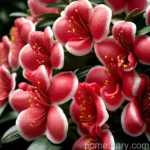
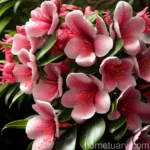
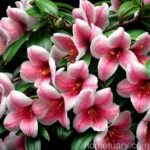
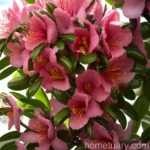
Azalea (Rhododendron ‘Purple Splendour’)
Azaleas are a magnificent genus of flowering shrubs that belong to the family Ericaceae, which also includes heathers and rhododendrons. They are beloved for their stunning, colorful blooms and come in a wide range of varieties. One such variety is the Rhododendron ‘Purple Splendour’, which is known for its beautiful purple flowers. In this comprehensive guide, we will delve into the culture, uses, care, and maintenance of this exquisite plant, offering valuable insights to horticulturists and gardening enthusiasts.
Key Takeaways – Azalea (Rhododendron ‘Purple Splendour’)
Before we immerse ourselves in the intricacies of Rhododendron ‘Purple Splendour’, let’s quickly grasp the key takeaways:
– Azaleas are part of the Rhododendron genus and are admired for their vibrant blooms.
– Rhododendron ‘Purple Splendour’ is a stunning variety known for its striking purple flowers.
– Understanding its cultural requirements, including water, sunlight, fertilizer, soil, and pruning, is crucial for its thriving.
– Azaleas can be propagated through various methods, and they are commonly grown in containers for added ornamental appeal.
– While being popular garden plants, azaleas are susceptible to specific diseases and pest infestations, requiring diligent care and maintenance.
Now, let’s explore each aspect of the Rhododendron ‘Purple Splendour’ in detail.
What is Azalea (Rhododendron ‘Purple Splendour’)?
Description
Rhododendron ‘Purple Splendour’ is a deciduous azalea variety that exhibits stunning purple flowers, adding a vibrant touch to gardens and landscapes. It is adorned with clusters of showy blooms that captivate the eye with their rich color. The plant grows into a compact, rounded shape, enhancing its ornamental appeal.
Azalea Varieties
Azaleas are available in a plethora of varieties, each distinguished by its unique flower color, size, and growth habit. This diversity allows for the creation of vibrant and diverse gardens and landscapes. Some popular azalea varieties include the following:
| Variety | Description |
|————————–|——————————|
| Rhododendron ‘Flame’ | Noted for its fiery red blooms|
| Rhododendron ‘Delaware Valley White’ | Famed for its pure white flowers |
| Rhododendron ‘Gibraltar’ | Showcases brilliant orange blooms |
| Rhododendron ‘Pride of Mobile’ | Displays soft pink blossoms |
| Rhododendron ‘Mandarin Lights’ | Features vivid orange flowers |
The ‘Purple Splendour’ is an exceptionally captivating variety due to its distinct purple flowers, making it a prized addition to any garden.
Culture
Uses
Azaleas, including the ‘Purple Splendour’ variety, are valued for a multitude of purposes in landscaping and gardening. Some common uses of azaleas include:
– Ornamental Purposes: Azaleas are prized for their ornamental value, adding vibrant colors and visual appeal to garden beds, borders, and landscapes.
– Hedging: Their dense growth habit makes azaleas an excellent choice for creating decorative hedges and boundaries.
– Accent Planting: Azaleas are often used as focal points or accent plants to draw attention to specific areas in the garden.
– Container Gardening: Many azalea varieties, including the ‘Purple Splendour’, are well-suited for container planting, allowing individuals to enjoy their beauty on patios, balconies, and terraces.
– Woodland Gardens: Some azaleas, owing to their natural habitat, thrive in woodland gardens, imparting a touch of the wild to cultivated spaces.
Water
Proper watering is essential for the health and vitality of Rhododendron ‘Purple Splendour’. As a general guideline, azaleas prefer consistently moist but well-drained soil. Here are some key considerations for watering azaleas:
– Soil Moisture: Azaleas thrive in moderately moist soil. It is important to ensure that the soil does not dry out completely, especially during the growing season.
– Mulching: Applying a layer of organic mulch around the base of the plant helps retain soil moisture by reducing evaporation and suppressing weed growth.
– Avoid Overwatering: While azaleas require adequate moisture, they are susceptible to root rot if the soil becomes waterlogged. It is crucial to strike a balance and avoid overwatering, especially in heavy or poorly-draining soils.
Sunlight
The lighting requirements of azaleas, particularly the ‘Purple Splendour’ variety, play a critical role in their overall growth and blooming potential. Consider the following factors when determining the sunlight needs of azaleas:
– Light Conditions: Azaleas thrive in partial shade to dappled sunlight. They benefit from protection against the intense afternoon sun, especially in warmer climates, to prevent leaf scorch and heat stress.
– Morning Sun: Morning sunlight is generally preferable for azaleas, as it is less intense than the afternoon sun and promotes healthy, robust growth.
– Shade Considerations: In regions with harsh sun exposure, providing filtered shade or situating azaleas near trees or taller shrubs can help create an ideal microclimate for their growth.
Fertilizer
Proper fertilization is vital for promoting the growth and blooming of azaleas, including the ‘Purple Splendour’ variety. Here are some essential guidelines for fertilizing azaleas:
– Acidic Fertilizers: Azaleas thrive in slightly acidic soil, and it is crucial to use fertilizers specifically formulated for acid-loving plants. These fertilizers typically contain a higher concentration of sulfur, iron, and other micronutrients tailored to the needs of azaleas.
– Schedule: Fertilize azaleas in early spring, just before the start of the growing season. A second application may be beneficial in late spring or early summer.
– Avoid Overfertilization: Excessive fertilization can lead to salt buildup in the soil, potentially causing root damage and negatively impacting the overall health of the plant. Follow the recommended dosage and application frequency specified on the fertilizer packaging.
Soil
The choice of soil and its characteristics significantly impact the well-being of azaleas, including the ‘Purple Splendour’ variety. Consider the following soil-related factors when cultivating azaleas:
– Acidic Soil pH: Azaleas thrive in acidic soil with a pH range of 4.5 to 6.0. Amending the soil with organic matter and suitable acidifiers can help maintain the optimal pH level for azaleas.
– Well-Draining Soil: Azaleas require soil that provides good drainage to prevent waterlogging, which can lead to root rot and other moisture-related issues.
– Soil Composition: A combination of organic matter, such as compost or peat moss, and a well-balanced soil mix designed for acid-loving plants can create an ideal growing medium for azaleas.
Pruning
Pruning is an essential aspect of azalea care, contributing to their overall health, shape, and blooming potential. Follow these guidelines when pruning Rhododendron ‘Purple Splendour’:
– Prune After Flowering: The best time to prune azaleas is shortly after they finish blooming. This timing allows for the removal of spent flowers and the shaping of the plant without sacrificing the next season’s blooms.
– Deadheading: Removing spent flowers not only enhances the plant’s appearance but also encourages additional blooming in subsequent years.
– Selective Pruning: Focused pruning to remove dead or congested branches and maintain a balanced form is essential for promoting healthy growth and flowering.
Propagation
Azaleas, including the ‘Purple Splendour’ variety, can be propagated through various methods. Here are some common approaches to azalea propagation:
– Cuttings: Propagating azaleas from stem cuttings is a popular and effective method. Select healthy, non-flowering shoots for cuttings, and ensure that they receive the appropriate moisture and temperature conditions for successful rooting.
– Layering: Air layering or simple layering can also be utilized to propagate azaleas. These methods involve encouraging aerial roots to develop on a stem, which can then be separated to form new plants.
Container Popularity
The compact size, striking blooms, and ornamental appeal of Rhododendron ‘Purple Splendour’ contribute to its popularity as a container plant. Here are some noteworthy considerations for container gardening with azaleas:
– Container Selection: Choose a well-draining container with sufficient depth for healthy root development.
– Potting Mix: Utilize a high-quality, acidic potting mix designed for azaleas and other acid-loving plants.
– Placement: Position the container in a location that provides the ideal lighting conditions for azaleas, ensuring they receive adequate but not excessive sunlight.
Common Diseases
Disease Diagnosis
Azaleas, including the ‘Purple Splendour’ variety, are susceptible to specific diseases that can impact their health and vitality. Common azalea diseases include:
– Powdery Mildew: Manifesting as a white, powdery growth on the leaves, powdery mildew can weaken the plant and hinder its growth.
– Leaf Spot: Caused by various fungal pathogens, leaf spot diseases result in dark, spotted lesions on the foliage, potentially leading to defoliation and reduced vigor.
– Root Rot: Excessive soil moisture and poor drainage can contribute to root rot, leading to the decay of the plant’s root system.
Common Pests
In addition to diseases, azaleas are also vulnerable to pest infestations, which can diminish their beauty and cause stress to the plant. Some common azalea pests include:
– Azalea Lace Bug: These small, winged insects feed on the sap of azalea leaves, leading to stippling and discoloration.
– Spider Mites: Tiny arachnids that can cause stippling and webbing on the foliage, resulting in reduced plant vigor.
Botanist’s Tips
As a botanist, I have some valuable tips for successfully growing and caring for Rhododendron ‘Purple Splendour’ and other azalea varieties:
– Understand Your Soil: Conduct a soil test to ascertain its pH and nutrient levels. This knowledge will guide you in making appropriate amendments to create an ideal growing environment for azaleas.
– Consistent Moisture: Maintain a consistent level of soil moisture to ensure the health and vigor of azaleas. Pay attention to watering needs, especially during periods of drought or intense heat.
– Pruning Mastery: Hone your pruning skills to effectively shape and maintain azaleas, promoting robust growth and abundant flowering.
Fun Facts
Uncover some captivating and lesser-known facts about azaleas and the captivating Rhododendron ‘Purple Splendour’:
– Azaleas are native to several continents, including Asia, Europe, and North America, and they have been cultivated for centuries due to their aesthetic allure.
– The bloom time of azaleas varies depending on the variety, with some flowering in early spring and others showcasing their blooms in late spring or early summer.
– Azaleas are celebrated for their role in traditional Japanese gardens, where they are cherished for their elegance and symbolism.
Links to External Resources
For further exploration and in-depth information on azaleas and Rhododendron ‘Purple Splendour’, I recommend the following resources:
– American Rhododendron Society
– The American Azalea Society
– Royal Horticultural Society – Azaleas and Rhododendrons
As we conclude our exploration of the captivating azalea variety, Rhododendron ‘Purple Splendour’, I hope this guide has instilled a deeper appreciation for the intricate beauty and horticultural significance of this stunning plant. Whether adorning gardens or brightening indoor spaces as container plants, azaleas continue to enchant with their exquisite blooms and rich cultural legacy. Happy gardening!