The Diverse World of Broadleaf Arrowhead (Sagittaria latifolia)
Welcome to the wonderful world of the broadleaf arrowhead, scientifically known as Sagittaria latifolia! In this comprehensive guide, we will explore every aspect of this fascinating plant, from its cultural significance to its ecological role and beyond. Whether you are a seasoned gardener, a nature enthusiast, or a plant science enthusiast, this in-depth exploration of Sagittaria latifolia will surely captivate your interest and expand your knowledge.
What is broadleaf arrowhead (Sagittaria latifolia)?
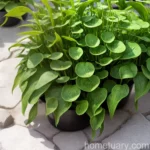
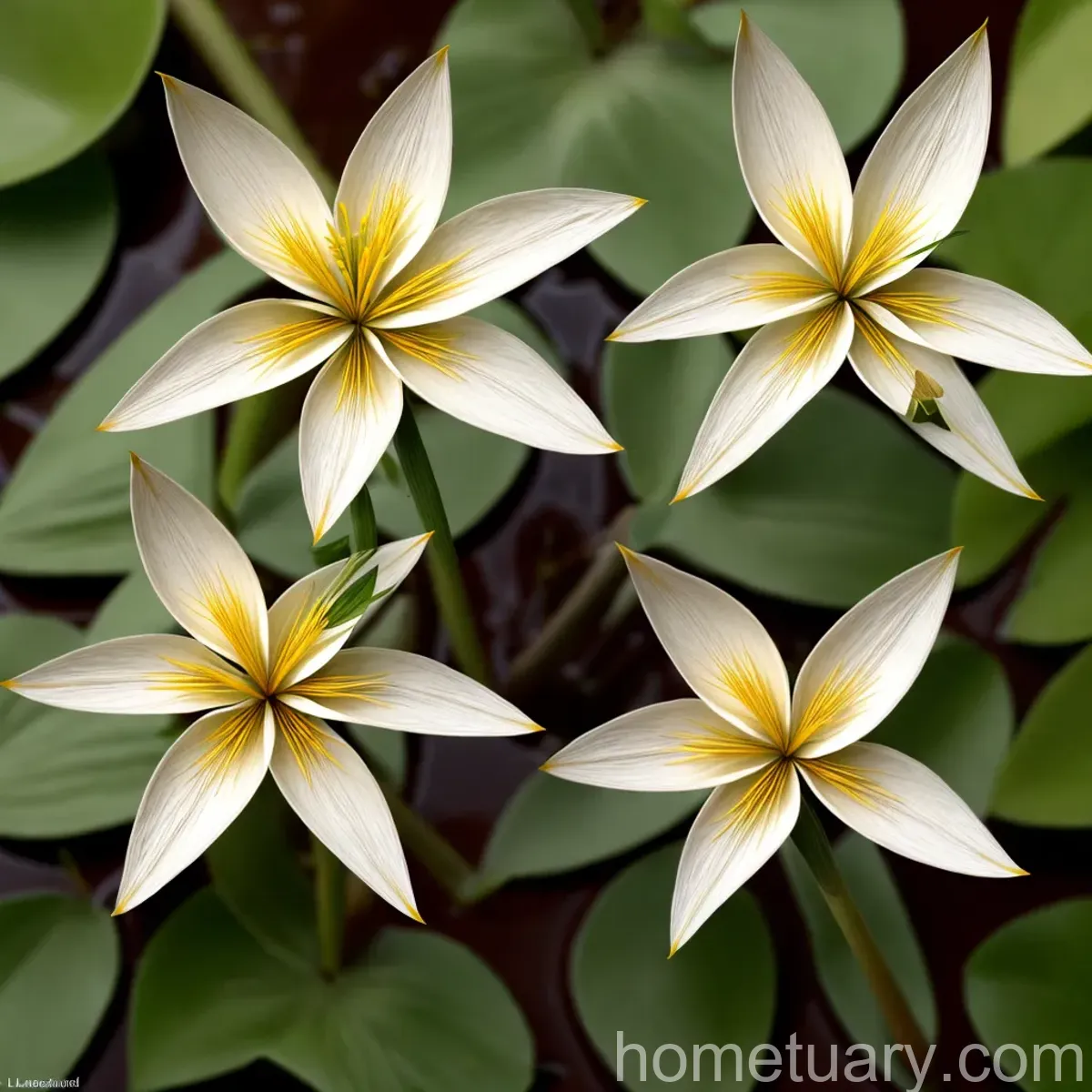
Broadleaf arrowhead, also known as duck-potato, wapato, Indian potato, or just arrowhead, is a perennial, aquatic plant belonging to the Alismataceae family. It is native to North and Central America and is known for its striking arrowhead-shaped leaves and delicate white flowers. This plant thrives in various aquatic habitats, including marshes, ponds, lakes, and slow-moving streams, where its roots are submerged in nutrient-rich, muddy soils.
Broadleaf arrowhead is an integral part of aquatic ecosystems, providing food and shelter for various wildlife species. It has also been historically significant as a source of food and medicine for indigenous communities. Additionally, its ornamental appeal has made it a popular choice for water gardens and landscape design.
Key Takeaways – Broadleaf Arrowhead (Sagittaria latifolia)
Before delving into the intricacies of caring for and cultivating broadleaf arrowhead, let’s summarize the key takeaways regarding this captivating plant.
- Plant Name: Broadleaf Arrowhead (Sagittaria latifolia)
- Common Names: Duck-potato, wapato, Indian potato, arrowhead
- Family: Alismataceae
- Native Habitat: North and Central America
- Ecological Role: Provides food and habitat for wildlife, contributes to wetland biodiversity, and supports ecological restoration efforts.
- Cultural Significance: Historically used as a food source and medicinal plant by indigenous communities, valued for its ornamental beauty in contemporary landscape design.
- Growth Habit: Aquatic perennial with arrowhead-shaped leaves and white flowers.
- Cultural Requirements: Thrives in waterlogged, nutrient-rich soils with full to partial sunlight.
Now that we have established a foundational understanding of broadleaf arrowhead, let’s delve into the detailed aspects of cultivating and caring for this remarkable plant.
Culture
Understanding the cultural requirements of broadleaf arrowhead is essential for successfully cultivating and nurturing this aquatic gem. From water and sunlight needs to soil preferences and seasonal considerations, here’s a comprehensive overview of the plant’s cultural requirements.
Water
As an aquatic plant, broadleaf arrowhead has a high affinity for water and thrives in wetland environments. When grown in garden ponds or natural wetlands, it is essential to ensure that the plant’s roots remain consistently submerged in water, typically at a depth of 6 to 18 inches. While broadleaf arrowhead is well-adapted to aquatic conditions, it is crucial to avoid water stagnation, as stagnant water can lead to oxygen deprivation and root rot.
The ideal water quality for broadleaf arrowhead cultivation is characterized by low to moderate nutrient levels and good oxygenation. Additionally, periodic changes in water depth, such as seasonal fluctuations, can mimic the plant’s natural habitat and promote healthy growth.
Key Points:
- Submerged roots at a depth of 6 to 18 inches
- Avoid water stagnation
- Ensure good oxygenation and moderate nutrient levels
Sunlight
Broadleaf arrowhead exhibits a preference for full to partial sunlight, making it well-suited for both open water bodies and partially shaded aquatic environments. When grown in a garden pond or water feature, it is essential to position the plant in a location that receives at least 4 to 6 hours of direct sunlight per day. This optimal sunlight exposure promotes robust growth and encourages the development of vibrant foliage and flowers.
While broadleaf arrowhead possesses a degree of shade tolerance, prolonged periods of low light may inhibit its growth and flowering potential. Therefore, striking a balance between sunlight and shade is crucial for maximizing the plant’s ornamental and ecological value.
Key Points:
- Full to partial sunlight (4 to 6 hours of direct sunlight per day)
- Optimal sunlight exposure for robust growth and flowering
- Moderate shade tolerance
Soil
The soil preferences of broadleaf arrowhead are intrinsically tied to its aquatic nature, as the plant’s roots are adapted to thrive in nutrient-rich, muddy substrates. In a garden pond or wetland setting, the ideal substrate for cultivating broadleaf arrowhead is a mix of loamy soil, clay, and organic matter. This soil composition provides a nutrient-dense foundation for the plant’s roots and supports healthy growth and development.
It is important to note that broadleaf arrowhead is not suited for dry, well-drained soils, as these conditions are incompatible with its aquatic habitat requirements. Therefore, when creating a habitat for this plant, it is essential to mimic the waterlogged, nutrient-rich soils of its natural wetland habitats.
Key Points:
- Nutrient-rich, muddy substrates
- Mix of loamy soil, clay, and organic matter
- Incompatible with dry, well-drained soils
Uses
From ecological restoration and landscape design to culinary applications and traditional medicine, broadleaf arrowhead holds diverse uses and significance across various domains. Let’s explore the multifaceted uses of this remarkable plant, shedding light on its cultural, ecological, and practical importance.
Ecological Significance
Broadleaf arrowhead plays a vital role in wetland ecosystems, contributing to biodiversity, wildlife habitat, and ecological balance. As an aquatic plant, it provides food and shelter for various aquatic and semi-aquatic species, including insects, amphibians, and waterfowl. Its dense, submerged foliage offers refuge for aquatic organisms and supports the intricate web of life within wetland habitats.
Furthermore, broadleaf arrowhead contributes to ecological restoration efforts by stabilizing soil, improving water quality, and enhancing the overall resilience of wetland ecosystems. Its extensive root system helps to prevent erosion and maintain the structural integrity of shorelines, making it a valuable asset in the conservation and restoration of natural water bodies.
Key Points:
- Supports wetland biodiversity
- Provides food and habitat for aquatic species
- Contributes to ecological restoration and soil stabilization
Culinary and Medicinal Uses
Historically, broadleaf arrowhead has been revered by indigenous communities for its culinary and medicinal properties. The starchy tubers of the plant, known as “wapato,” were a significant food source for Native American tribes, who harvested and consumed them as a seasonal delicacy. The tubers, which develop underground at the base of the plant, are rich in carbohydrates and were traditionally prepared by boiling or roasting.
In addition to its culinary importance, broadleaf arrowhead has been utilized in traditional medicine for its purported diuretic and digestive properties. While modern scientific research on its medicinal uses is limited, the plant’s historical significance as a nourishing food source and potential medicinal plant underscores its cultural and practical value.
Key Points:
- Starchy tubers historically harvested as food source
- Traditional medicinal uses for diuretic and digestive purposes
- Culinary and cultural significance in indigenous communities
Ornamental and Landscape Uses
Beyond its ecological and cultural significance, broadleaf arrowhead also holds appeal for landscape design and ornamental horticulture. Its graceful, arrowhead-shaped leaves and delicate white flowers make it an attractive addition to water gardens, ponds, and naturalistic landscapes. The plant’s aesthetic charm, coupled with its low-maintenance nature, has positioned it as a favored choice for enhancing the visual and ecological appeal of aquatic settings.
In garden ponds and water features, broadleaf arrowhead adds vertical interest, texture, and a sense of natural authenticity, creating an immersive and vibrant aquatic environment. Moreover, its capacity to attract pollinators and provide habitat for beneficial wildlife further accentuates its role in enriching and enlivening landscape aesthetics.
Key Points:
- Ornamental appeal for water gardens and ponds
- Adds vertical interest and texture to aquatic landscapes
- Attracts pollinators and supports beneficial wildlife
Fertilizer
The fertilization of broadleaf arrowhead is a topic that warrants attention, particularly when cultivating the plant in a controlled environment such as a garden pond or contained water feature. While the plant derives essential nutrients from the water and substrate, supplemental fertilization can bolster its vigor and promote robust growth.
In aquatic settings, slow-release aquatic plant fertilizers are commonly used to provide a balanced nutrient profile that supports the plant’s physiological needs. These specialized fertilizers are designed to release nutrients gradually, ensuring long-term nourishment without causing water quality issues or detrimental effects on aquatic life.
When selecting a fertilizer for broadleaf arrowhead, it is crucial to choose formulations specifically tailored for aquatic plants and to follow application guidelines to prevent over-fertilization. By supplying the plant with the necessary nutrients in a controlled manner, optimal growth and vitality can be maintained, enhancing the plant’s ornamental and ecological contributions.
Key Points:
- Supplemental fertilization can promote robust growth
- Slow-release aquatic plant fertilizers provide balanced nutrient profile
- Follow application guidelines to prevent over-fertilization
Pruning
Pruning plays a minimal role in the maintenance of broadleaf arrowhead, as its growth habit and natural form typically require little intervention. However, occasional pruning may be necessary to manage excessive growth, maintain aesthetic appeal, and ensure the plant’s vitality within the aquatic environment.
When pruning broadleaf arrowhead, the focus is primarily on removing dead or decaying foliage, spent flowers, or overly dense vegetation that may impede water circulation or overshadow other aquatic plants. By selectively thinning out crowded areas and removing any detritus, the overall health and visual appeal of the plant can be preserved.
Additionally, the occasional removal of old or exhausted foliage can stimulate new growth and rejuvenate the plant, contributing to its vigor and longevity. As with any pruning activity, it is essential to exercise care and utilize appropriate tools to minimize stress on the plant and maintain the integrity of its submerged root system.
Key Points:
- Occasional pruning may be necessary to manage growth and maintain plant vitality
- Focus on removing dead or decaying foliage, spent flowers, and overcrowded vegetation
- Careful pruning can stimulate new growth and rejuvenate the plant
Propagation
The propagation of broadleaf arrowhead offers an opportunity to expand its presence within aquatic environments and cultivate new specimens for ornamental or ecological purposes. Understanding the methods of propagation and the optimal conditions for successful establishment is integral to the propagation process.
Division
Division is one of the primary methods of propagating broadleaf arrowhead, particularly in aquatic and garden pond settings. This technique involves dividing established clumps or rhizomes of the plant, creating individual sections that can be replanted to produce new growth.
To successfully propagate broadleaf arrowhead through division, it is advisable to select healthy, well-established clumps and carefully separate them into distinct segments, ensuring that each division retains a viable portion of rhizome and associated roots. These divisions can then be planted in suitable aquatic substrates, where they can take root and initiate new growth.
Seed Propagation
Though less commonly practiced in cultivated settings, broadleaf arrowhead can also be propagated from seeds under controlled conditions. Collecting mature seeds from the plant and sowing them in a moist, nutrient-rich substrate can yield new seedlings, provided that favorable environmental conditions and adequate moisture levels are maintained.
Seed propagation offers a way to introduce genetic diversity and expand the plant population, contributing to the conservation and enhancement of wetland ecosystems. While it may require more patience and careful management compared to division, seed propagation can be a rewarding method for generating new broadleaf arrowhead specimens.
Rhizome Cuttings
Rhizome cuttings present another viable method of propagating broadleaf arrowhead, particularly in situations where division is not feasible or when controlled propagation is desired. This approach involves taking sections of the plant’s rhizomes and establishing them in appropriate aquatic substrates to facilitate root development and new shoot production.
Rhizome cuttings offer a straightforward and efficient means of multiplying broadleaf arrowhead plants, as they leverage the natural regeneration capacity of the plant’s rhizomatous growth habit. By ensuring proper planting depth and optimal environmental conditions, rhizome cuttings can swiftly establish themselves and initiate vigorous growth.
Key Points:
- Propagation methods include division, seed propagation, and rhizome cuttings
- Division involves separating established clumps into individual segments
- Seed propagation introduces genetic diversity and supports wetland conservation efforts
Container Popularity
While broadleaf arrowhead is predominantly cultivated in aquatic environments such as garden ponds, wetlands, and natural water bodies, its popularity in container gardening has steadily increased. The appeal of growing broadleaf arrowhead in containers lies in its ornamental beauty, adaptability to confined spaces, and ease of maintenance, making it an attractive option for water feature enthusiasts and aquatic plant enthusiasts.
Container gardening allows for the creation of miniature aquatic habitats, where the unique charm of broadleaf arrowhead can be showcased in a more controlled and manageable setting. A well-designed container arrangement featuring broadleaf arrowhead can serve as a focal point in outdoor landscapes, patios, or indoor aquatic displays, adding a touch of natural elegance and ecological vibrancy to the surroundings.
When cultivating broadleaf arrowhead in containers, it is essential to select suitable aquatic substrates, providing adequate space for root development and considering the plant’s water and sunlight requirements. With proper care and attention to environmental conditions, broadleaf arrowhead can thrive and grace container gardens with its captivating presence.
Key Points:
- Increasing popularity of broadleaf arrowhead in container gardening
- Ornamental beauty, adaptability, and ease of maintenance make it an attractive option
- Suitable for creating miniature aquatic habitats in outdoor and indoor settings
Container Common Diseases
While broadleaf arrowhead is generally resilient to diseases and pests, certain environmental stressors and suboptimal conditions can make it susceptible to specific issues. Understanding the common diseases that may affect broadleaf arrowhead in container settings is essential for proactive disease management and maintaining plant health.
Fungal Diseases
Fungal diseases, such as root and crown rot, can pose a threat to container-grown broadleaf arrowhead, particularly if the growing medium is overly saturated or poorly drained. These conditions create a favorable environment for fungal pathogens to proliferate, leading to symptoms such as wilting, discoloration, and decay in the plant’s roots and lower stems.
To prevent fungal diseases, it is crucial to ensure proper drainage in the container, use well-draining aquatic substrates, and avoid overwatering. Additionally, maintaining optimal air circulation and reducing humidity levels around the plant can mitigate the risk of fungal infection, bolstering the plant’s defenses against potential diseases.
Bacterial Infections
Bacterial infections, though less common, can also affect container-grown broadleaf arrowhead, manifesting as rotting, leaf spot, or general decline in plant vigor. These infections often arise from contaminated water sources, poor sanitation practices, or compromised plant tissue, highlighting the importance of hygiene and preventive measures in container gardening.
To minimize the risk of bacterial infections, it is advisable to use clean, uncontaminated water for irrigation, sterilize pruning tools and containers, and promptly remove any infected plant material to prevent the spread of pathogens. By establishing and maintaining strict hygiene protocols, the likelihood of bacterial diseases impacting container-grown broadleaf arrowhead can be significantly reduced.
Nutrient Deficiencies
In container settings, nutrient deficiencies may arise due to inadequate fertilization, substrate exhaustion, or imbalanced nutrient uptake. Without sufficient nutrients, broadleaf arrowhead may exhibit stunted growth, chlorosis, or diminished flowering, signaling a need for corrective measures to address the underlying nutritional imbalances.
Regularly monitoring the plant’s growth and appearance, supplementing fertilization as needed, and periodically refreshing the growing medium can help prevent and alleviate nutrient deficiencies in container-grown broadleaf arrowhead. By providing a well-rounded nutrient regimen and monitoring plant health closely, the risk of nutrient-related issues can be effectively managed.
Key Points:
- Common diseases in container-grown broadleaf arrowhead include fungal infections, bacterial diseases, and nutrient deficiencies
- Proper drainage, hygiene practices, and balanced fertilization are crucial for disease prevention and management
Disease Diagnosis
Diagnosing diseases in broadleaf arrowhead requires keen observation, an understanding of common disease symptoms, and proactive measures to identify and address potential issues. By recognizing the signs of diseases early on and implementing appropriate interventions, the overall health and vitality of the plant can be safeguarded.
Visual Symptoms
Diseases in broadleaf arrowhead may manifest through a range of visual symptoms, including wilting, yellowing or browning of foliage, lesions on leaves or stems, and overall decline in plant vigor. Additionally, changes in growth patterns, such as stunted or distorted growth, can indicate potential disease presence and prompt further investigation.
When inspecting broadleaf arrowhead for disease symptoms, it is essential to examine both above-ground and below-ground plant parts, paying close attention to the color, texture, and structural integrity of the foliage and roots. Any anomalies or deviations from the plant’s typical appearance should be noted and evaluated to determine the potential cause.
Environmental Risk Factors
Consideration of environmental risk factors is integral to disease diagnosis in broadleaf arrowhead, as certain conditions, such as water stagnation, poor drainage, or excessive humidity, can predispose the plant to specific diseases. By assessing the environmental conditions and noting any deviations from the plant’s cultural requirements, potential disease triggers can be identified and mitigated.
Understanding the interplay between environmental stressors and disease susceptibility enables proactive disease management and the implementation of preventative measures to safeguard broadleaf arrowhead against potential threats. By addressing underlying environmental risk factors, the plant’s resilience and disease resistance can be significantly enhanced.
Pathogen Identification
In cases where visual symptoms indicate a potential disease issue, it may be necessary to conduct pathogen identification through laboratory analysis or diagnostic testing. Identifying the specific pathogens responsible for the observed symptoms can provide crucial insights for targeted disease management strategies and the selection of appropriate control measures.
Laboratory analysis can involve the isolation and characterization of pathogens from symptomatic plant samples, DNA-based diagnostics, or microscopic examination to pinpoint the causative agents of disease. This precise identification facilitates the development of tailored disease management protocols and supports informed decision-making in mitigating disease impact.
Key Points:
- Disease diagnosis in broadleaf arrowhead relies on visual symptom recognition and understanding of environmental risk factors
- Identification of specific pathogens through laboratory analysis enables targeted disease management strategies
Common Pests
While broadleaf arrowhead is resilient to many pests due to its aquatic habitat and natural defenses, certain pests may pose a threat to the plant, particularly in container or cultivated settings. Understanding the common pests that may impact broadleaf arrowhead and implementing preventive measures are essential for maintaining the plant’s health and vitality.
Aquatic Insects
Aquatic insects, such as water beetles, dragonfly larvae, and water bugs, are potential pests that may affect broadleaf arrowhead in aquatic environments. These insects can cause damage to the plant’s leaves, stems, or roots, leading to feeding injury and compromised plant health.
Preventive measures against aquatic insects include biological controls, such as introducing predatory insects or aquatic animals that feed on pest species, and physical barriers, such as fine mesh screens or aquatic netting, to deter insect access to the plant. By incorporating these measures, the impact of aquatic insects on broadleaf arrowhead can be minimized.
Snails and Mollusks
Snails and mollusks, particularly invasive species, can pose a threat to broadleaf arrowhead