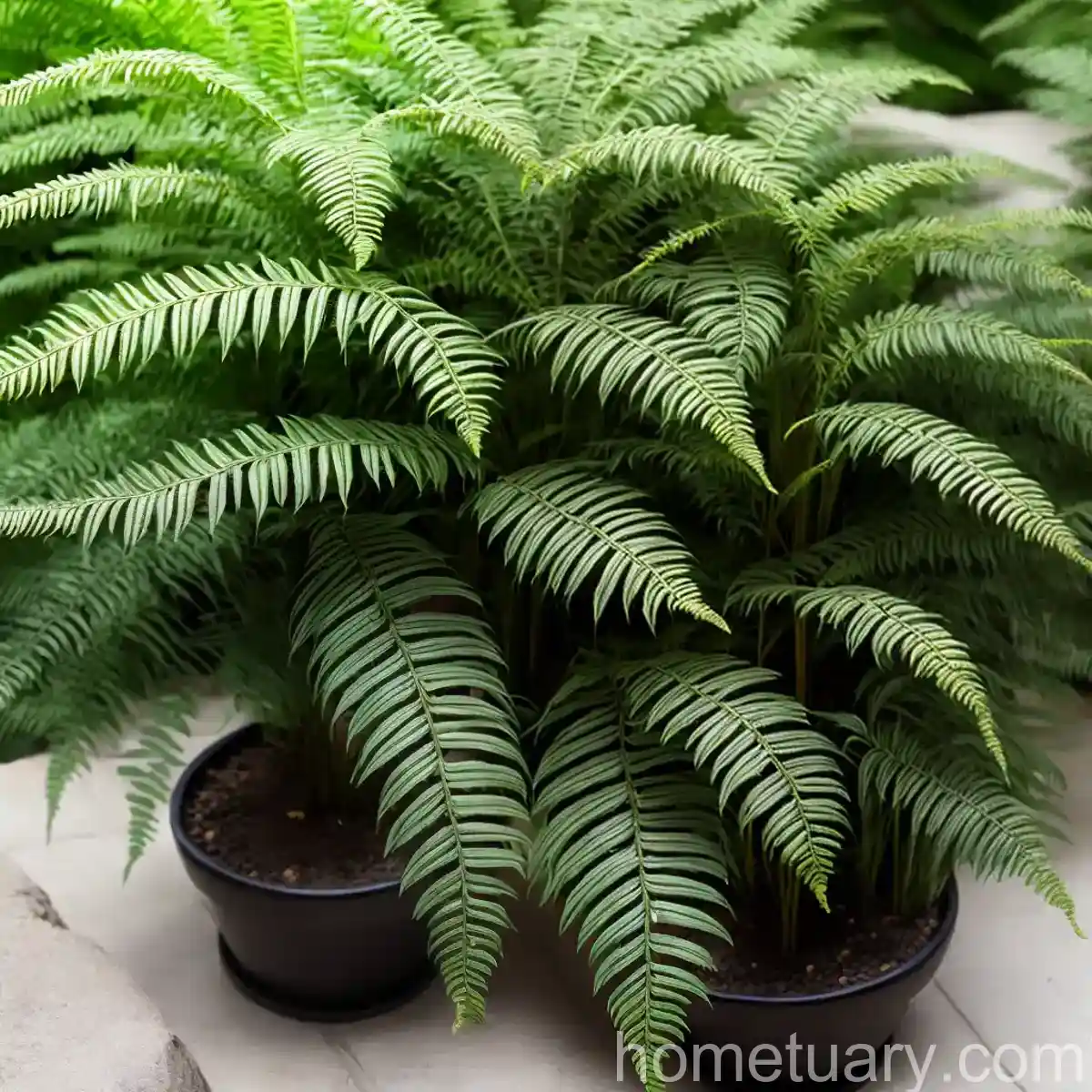
Leather Fern (Rumohra adiantiformis): A Comprehensive Guide to Care and Cultivation
The leather fern, scientifically known as Rumohra adiantiformis, is a charming and popular fern species that graces gardens, interiors, and landscapes with its elegant fronds and easy-care nature. Also referred to as the leather leaf fern, Rumohra adiantiformis is favored for its attractive foliage and adaptability to diverse growing conditions.
In this extensive guide, we will delve into various aspects of leather fern care, propagation, uses, and interesting facts. Whether you are an experienced horticulturist, a gardening enthusiast, or someone who appreciates the beauty of indoor plants, this comprehensive article will provide valuable insights into unlocking the full potential of leather ferns in your living and outdoor spaces.
What is Leather Fern (Rumohra adiantiformis)?
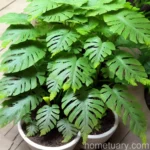
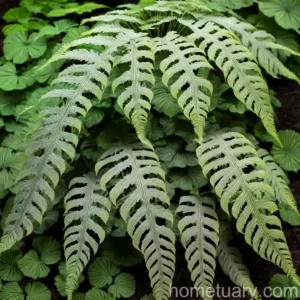
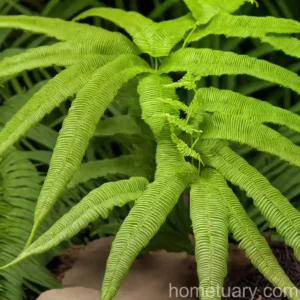
Leather fern (Rumohra adiantiformis) is a species of fern belonging to the family Dryopteridaceae. Native to New Zealand, Australia, and various Pacific islands, this evergreen perennial plant is renowned for its distinct leathery, lance-shaped fronds that make it a popular choice for landscaping, indoor decorating, and as a cut foliage.
Rumohra adiantiformis typically thrives in moist, well-draining soil and shaded areas, making it an excellent choice for those seeking a low-maintenance plant with lush, dense foliage. Its resilience and adaptability make it a versatile addition to a wide range of environments, from temperate gardens to indoor containers.
To truly appreciate the leather fern and unlock its full potential, understanding its culture, care requirements, and various uses is essential. Whether you are considering introducing this elegant fern into your home or garden, or perhaps you are looking to enhance your horticultural knowledge, this guide will serve as a comprehensive resource on all aspects linked to Rumohra adiantiformis.
Key Takeaways – Leather Fern (Rumohra adiantiformis)
To provide a structured and organized approach to understanding and caring for leather ferns, we will approach the discussion through the following key aspects:
- Culture
- Uses
- Water
- Sunlight
- Fertilizer
- Soil
- Pruning
- Propagation
- Container
- Popularity
- Common Diseases
- Disease Diagnosis
- Common Pests
- Botanist’s Tips
- Fun Facts
- Links to External Resources
Let’s explore each of these aspects in detail to gain a comprehensive understanding of the unique charm and care requirements of the Rumohra adiantiformis plant.
Culture
Understanding the cultural requirements of leather ferns is crucial for ensuring their optimum growth and health. Culture encompasses the environmental conditions, habitat preferences, and overall care practices that contribute to the well-being of the plant.
Leather Fern Habitat and Natural Environment
Rumohra adiantiformis is indigenous to regions with moderate to high humidity levels, such as New Zealand, Australia, and select Pacific islands. It is commonly found in shaded areas of forests, along riverbanks, and in other locations with ample moisture and indirect sunlight.
In its natural habitat, leather ferns thrive under the partial shade of taller trees, where they receive dappled sunlight and protection from direct exposure. The high humidity levels and well-draining soil characteristic of these environments contribute to the robust growth of Rumohra adiantiformis.
Adaptability and Versatility
One of the remarkable characteristics of leather ferns is their adaptability to diverse conditions. While they prefer partial shade and moist, well-draining soil, they can also tolerate periods of dryness and are remarkably resilient when exposed to various light intensities.
This adaptability makes leather ferns well-suited for a range of indoor and outdoor spaces, from shaded gardens to well-lit interiors, making them a popular choice for both seasoned gardeners and beginners.
Climate Considerations
When cultivating leather ferns, it is essential to consider the specific climate requirements to create an environment that mimics their natural habitat. While they are adaptable, maintaining a consistent temperature and humidity level is vital for their sustained growth.
Uses
The versatility and aesthetic appeal of leather ferns make them valuable for various applications, with both practical and decorative purposes. Understanding the uses of Rumohra adiantiformis can provide insights into leveraging its attributes for enhancing living spaces and garden landscapes.
Decorative Foliage
The distinctive, leathery foliage of leather ferns makes them a popular choice for decorative purposes. The glossy, deep green fronds add a touch of elegance and lushness to floral arrangements, bouquets, and indoor foliage displays. Their long-lasting nature and ability to hold moisture make them an ideal complement to cut flowers and other foliage in floral designs.
Landscaping and Garden Design
In outdoor environments, leather ferns are favored for their ability to thrive in shaded areas and contribute to lush, green landscapes. Their dense foliage and ease of care make them a desirable addition to woodland gardens, shaded borders, and understory plantings. Additionally, their adaptability to different light conditions allows for versatile landscaping options, from accentuating shaded corners to filling out mixed plantings.
Indoor Decor
As a houseplant, Rumohra adiantiformis brings a touch of nature indoors and effortlessly complements various interior styles. Its low-light tolerance and preference for higher humidity levels make it suitable for placement in bathrooms, kitchens, and other areas with indirect sunlight and moisture. The lush, green foliage adds a refreshing and calming element to indoor spaces.
Soil Erosion Control
In addition to their ornamental value, leather ferns also play a role in soil erosion control. The extensive root systems and dense growth habit of Rumohra adiantiformis make them effective in stabilizing soil in erosion-prone areas, such as slopes, banks, and woodland settings.
Air Purification
Like many other plants, leather ferns contribute to indoor air purification by removing pollutants and enhancing air quality. Their ability to thrive in higher humidity levels and low-light conditions makes them a valuable asset for improving the air quality in indoor environments.
Traditions and Symbolism
Plants, including leather ferns, often hold cultural and symbolic significance. In some traditions, ferns are associated with themes of resilience, longevity, and renewal. Understanding the symbolic connotations of leather ferns can add depth to their appreciation and utilization in various settings.
Water
Proper watering is vital to the health and vitality of leather ferns. Understanding the moisture needs of Rumohra adiantiformis is crucial for preventing issues such as dehydration, leaf yellowing, or root rot.
Basic Watering Guidelines
Leather ferns thrive in consistently moist soil, but they also require good drainage to prevent waterlogged conditions. The key to successful watering is to maintain a balance by ensuring that the soil remains evenly moist, but not waterlogged. Avoid allowing the soil to dry out completely, as this can lead to stress and foliage decline.
Frequency of Watering
The frequency of watering leather ferns depends on several factors, including the environmental conditions, potting medium, and season. During the active growing season, which typically spans from spring to early fall, leather ferns may require more frequent watering to sustain their growth and lush foliage. In contrast, during the dormant period in winter, they may require less frequent watering to accommodate reduced growth and evaporation rates.
Checking Soil Moisture
Regularly checking the moisture level of the soil is essential for determining when to water leather ferns. This can be done by gently inserting a finger into the soil or using a moisture meter to assess the moisture content. The goal is to water the plant when the top inch of the soil feels slightly dry, while ensuring that the lower layers remain evenly moist.
Watering Techniques
When watering leather ferns, it is advisable to use room-temperature water and apply it evenly across the soil surface. Avoid directly watering the foliage, as this can lead to issues such as fungal diseases or water spotting on the fronds. Water the plant until it begins to drain from the bottom of the container, ensuring thorough hydration without waterlogging the soil.
Seasonal Adjustments
In response to seasonal changes, it may be necessary to adjust the watering frequency and intensity to accommodate the shifting needs of leather ferns. During periods of increased heat or dryness, the plant may require more frequent watering to offset the elevated evaporation rates. Conversely, during cooler or less light-intensive periods, such as winter, reducing the watering frequency can prevent overhydration and associated problems.
Sunlight
As a shade-loving plant, leather ferns have specific requirements when it comes to sunlight exposure. Understanding their light preferences is crucial for ensuring their health and longevity in both indoor and outdoor environments.
Shade Preferences
Rumohra adiantiformis thrives in shaded or partially shaded locations, making it well-suited for placement in areas with limited direct sunlight. In its natural habitat, leather ferns are often found under the canopy of taller trees or alongside shaded waterways, where they receive dappled light and protection from harsh, direct sunlight. Mimicking these conditions in cultivation is essential for the optimal growth and vibrancy of leather ferns.
Indoor Light Considerations
When growing leather ferns indoors, it is crucial to place them in locations that receive indirect or filtered light. Rooms with east or north-facing windows typically provide favorable light conditions for leather ferns, as they offer gentle, indirect sunlight without exposing the plant to intense heat or sunburn. Avoid placing leather ferns in south or west-facing windows, as these orientations can subject the plant to excessive direct sunlight, leading to foliage scorching or dehydration.
Outdoor Light Considerations
In outdoor environments, leather ferns can be incorporated into shaded areas, such as under the canopy of trees, alongside buildings, or in other locations shielded from direct sunlight. Shaded garden beds, woodland settings, and sheltered patios or porches are ideal locations for cultivating Rumohra adiantiformis outdoors, as they provide the low-light conditions the plant prefers.
Light Intensity and Duration
Understanding the intensity and duration of light exposure is crucial for maintaining the well-being of leather ferns. While they appreciate gentle, indirect light, it is essential to avoid exposing them to prolonged periods of direct, intense sunlight, as this can lead to issues such as sunburn, leaf discoloration, and foliage decline. Monitoring the light levels in indoor and outdoor spaces to ensure they align with the plant’s preferences is integral to promoting healthy growth.
Adjusting Light Conditions
In response to seasonal changes, it may be necessary to adjust the light conditions to accommodate the shifting requirements of leather ferns. During periods of increased sunlight or heat, providing additional shade or protection from direct rays can prevent issues such as leaf scorching and dehydration. Conversely, during periods of reduced light intensity, such as in winter, ensuring that the plant receives adequate, albeit indirect, light is necessary to sustain its health.
Fertilizer
Proper fertilization plays a vital role in enhancing the growth and vitality of leather ferns. Understanding the appropriate fertilizer types, application methods, and frequency is crucial for providing the plant with essential nutrients for sustained health.
Fertilizer Selection
When selecting a fertilizer for leather ferns, it is essential to opt for a balanced, water-soluble fertilizer formulated for use with foliage plants. These types of fertilizers typically contain a balanced ratio of essential nutrients, including nitrogen, phosphorus, and potassium, as well as additional micronutrients to support overall plant health. Additionally, selecting a fertilizer with reduced or no urea content is beneficial for preventing potential issues such as salt buildup and root damage.
Application Frequency
Fertilization frequencies for leather ferns depend on several factors, including the growing environment, potting medium, and overall growth rate of the plant. During the active growing season, typically from spring to early fall, leather ferns may benefit from regular fertilization to support robust growth and lush foliage. In contrast, during the dormant period in winter, reducing or suspending fertilization can align with the plant’s reduced growth and nutrient requirements.
Application Method
When applying fertilizer to leather ferns, it is advisable to use a diluted, water-soluble fertilizer solution and apply it evenly across the soil surface. Avoid directly fertilizing the foliage, as this can lead to issues such as leaf burn or salt accumulation. Water the plant before and after fertilization to help distribute the nutrients throughout the root zone and minimize the risk of overfertilization.
Nutrient Balance
Maintaining a balanced nutrient profile is crucial for promoting the health and vigor of leather ferns. Nitrogen, phosphorus, and potassium are essential macronutrients that support various aspects of plant growth, including foliage development, root establishment, and overall vitality. Additionally, providing the plant with micronutrients such as iron, manganese, and zinc can further enhance its resilience and appearance.
Seasonal Adjustments
Adjusting the fertilization schedule and intensity in response to seasonal changes is vital for aligning with the shifting growth patterns and requirements of leather ferns. During periods of increased growth, increasing the frequency or concentration of fertilizer may be necessary to support the plant’s nutritional needs. Conversely, during periods of reduced growth, such as in winter, scaling back or suspending fertilization can prevent nutrient imbalances and potential issues.
Soil
The type of soil and potting medium used for leather ferns significantly impacts their growth, moisture retention, and overall health. Understanding the soil requirements and considerations is vital for creating an environment that supports the well-being of Rumohra adiantiformis.
Suitable Soil Types
Leather ferns thrive in a well-draining, moisture-retentive potting mix that provides adequate aeration and water permeability. Opting for a high-quality, peat-based potting mix with added perlite or vermiculite can help create the ideal soil environment for leather ferns, supporting their preference for consistent moisture and good drainage.
pH Considerations
Maintaining a slightly acidic to neutral soil pH is beneficial for leather ferns, as it aligns with their native habitat and natural preferences. Soil pH levels in the range of 5.5 to 6.5 provide an environment conducive to nutrient uptake, root development, and overall foliage health. Regularly monitoring and adjusting the soil pH as needed can help sustain the optimal growing conditions for leather ferns.
Moisture Retention
Ensuring the soil has adequate moisture-retaining capabilities is crucial for sustaining the hydration needs of leather ferns. A well-draining potting mix that retains moisture without becoming waterlogged is ideal for supporting the lush growth and foliage health of Rumohra adiantiformis. Additionally, incorporating organic matter, such as peat moss or compost, can enhance moisture retention and promote a favorable soil structure.
Drainage Considerations
In addition to moisture retention, providing good drainage is essential for preventing waterlogged conditions and associated problems, such as root rot and fungal diseases. Using pots or containers with drainage holes, as well as incorporating materials such as perlite or coarse sand into the potting mix, can facilitate effective drainage and ensure the health of leather ferns.
Soil Amendments
Periodically amending the potting mix with organic matter or slow-release fertilizers can help replenish nutrients and maintain optimal soil conditions for leather ferns. Incorporating organic amendments, such as compost or well-rotted manure, during repotting or routine maintenance can contribute to soil structure and fertility, enhancing the long-term health and vitality of the plant.
Pruning
Pruning plays a role in maintaining the appearance, vigor, and overall health of leather ferns. Understanding the principles of pruning and the appropriate techniques is essential for promoting tidy growth and preventing issues such as overcrowding or foliage decline.
Dead Leaf Removal
Regularly removing dead or yellowing fronds is important for maintaining the aesthetic appeal and vitality of leather ferns. As part of routine maintenance, inspect the plant for any discolored or damaged foliage and gently prune it off at the base to encourage new growth and prevent the spread of potential diseases or pests.
Sucker Removal
Leather ferns may produce suckers or offshoots at the base of the plant, especially in mature specimens. Pruning out excess suckers can help prevent overcrowding, promote a tidy growth habit, and encourage the allocation of resources to main foliage growth.
Pruning Frequency
Pruning leather ferns can be performed as needed, typically as part of routine maintenance or when the plant shows signs of foliage decline or overgrowth. Regularly inspecting the plant for dead or damaged fronds and performing gentle pruning as needed can help maintain the plant’s appearance and health throughout the year.
Pruning Techniques
When pruning leather ferns, it is advisable to use clean, sharp scissors or pruning shears to make precise cuts without causing excessive damage to the plant. Ensure that the blades are sterilized prior to pruning to prevent potential transmission of diseases or pests. When removing dead or damaged fronds, make clean cuts at the base of the stem to promote efficient healing and new growth.
Growth Regulation
Pruning can also help regulate the growth and density of leather ferns, particularly in containers or confined spaces. Adjusting the overall shape and size of the plant through targeted pruning can contribute to a balanced and tidy appearance, ensuring that the plant fits harmoniously into its designated space.
Propagation
Propagation allows for the expansion and perpetuation of leather ferns, enabling gardeners to create new plants from existing specimens. Understanding the propagation methods and best practices is valuable for reproducing Rumohra adiantiformis and enriching garden or indoor plant collections.
Spore Propagation
Leather ferns can be propagated from spores, which are produced on the undersides of mature fronds. Collecting the spores and sowing them on a suitable growing medium, such as moist, well-draining potting mix, allows for the germination and cultivation of new ferns. While spore propagation is a viable method for expanding leather fern populations, it is a relatively slow process that requires patience and attention to detail.
Division
Dividing existing leather fern plants is a practical and efficient propagation method that allows for the creation of new, independent specimens. This method involves carefully separating the root ball into smaller sections, each containing viable root systems and foliage. These divided sections can then be potted or planted into individual containers or garden locations, where they can establish and grow into independent plants.
Propagation Timing
The optimal timing for propagating leather ferns depends on factors such as the plant’s growth cycle, environmental conditions, and overall health. Propagation methods, such as division and spore sowing, can be performed during the active growing season, particularly in spring or early summer, to align with the plant’s natural growth and establishment periods.
Sowing Considerations
When sowing spores for leather fern propagation, creating a suitable germination environment with consistent moisture, gentle light, and favorable temperatures is essential for facilitating successful germination and seedling growth. In the case of division propagation, ensuring that the divided sections are planted into well-prepared soil with adequate moisture and protection from direct sunlight can help promote their establishment and resiliency.
Post-Propagation Care
After propagating leather ferns, providing appropriate care, including adequate watering, partial shading, and protection from environmental stressors, is essential for supporting the new plants’ establishment and ongoing growth. Monitoring the propagated specimens for signs of dehydration, pests, or nutrient deficiency can help ensure their successful adaptation and integration into their new environment.
Container
The choice of container for growing leather ferns significantly influences the plant’s growth, moisture retention, and overall presentation. Understanding the container considerations and best practices is essential for cultivating Rumohra adiant