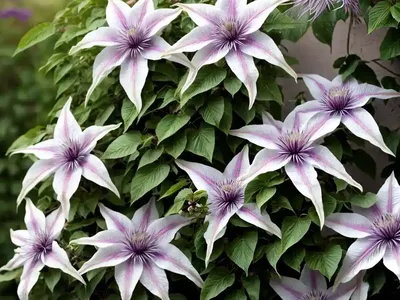
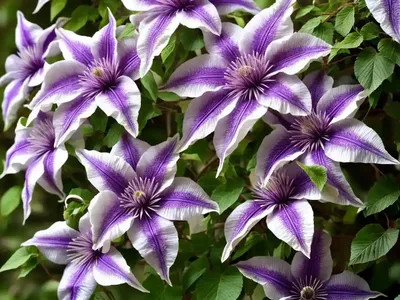
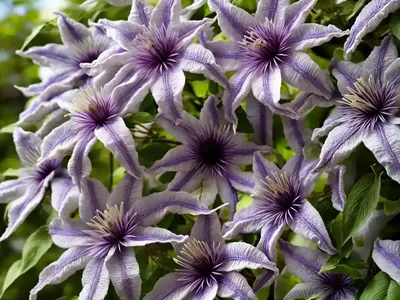
Clematis (Clematis Pitcheri)
Clematis, specifically Clematis pitcheri, is a stunning flowering plant known for its climbing vines and enchanting blooms. In this comprehensive guide, we.
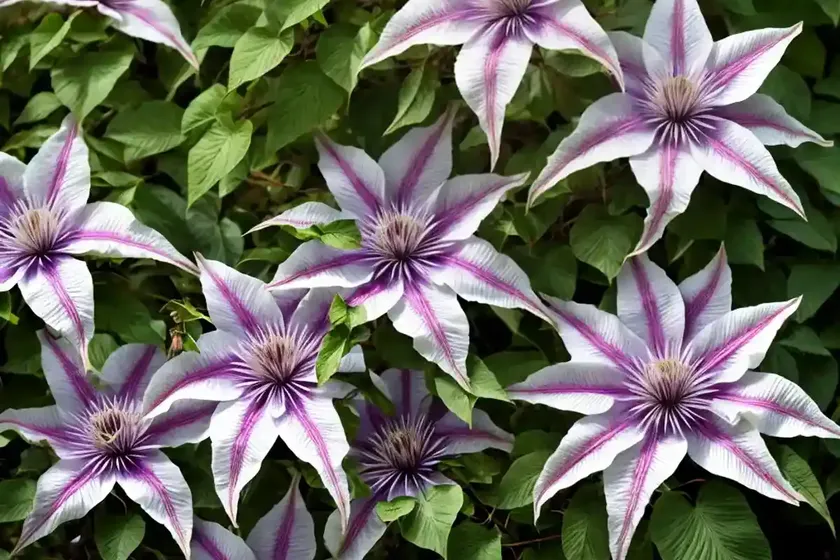
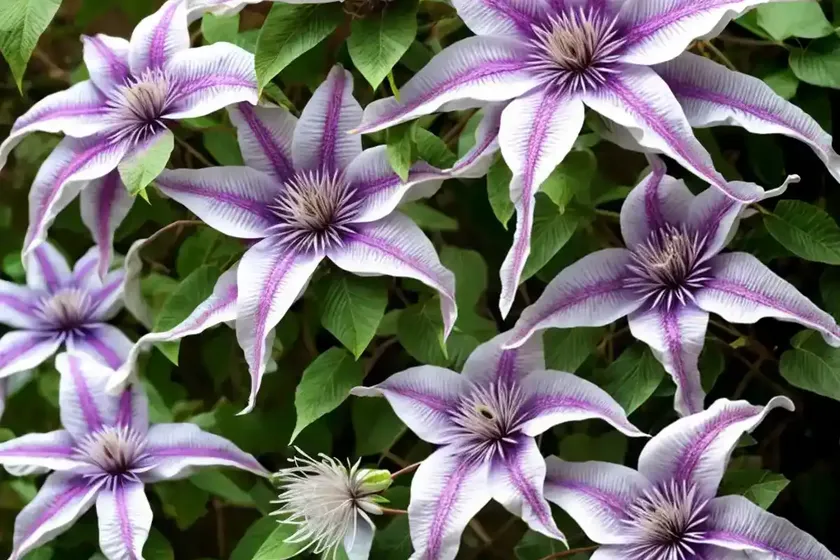
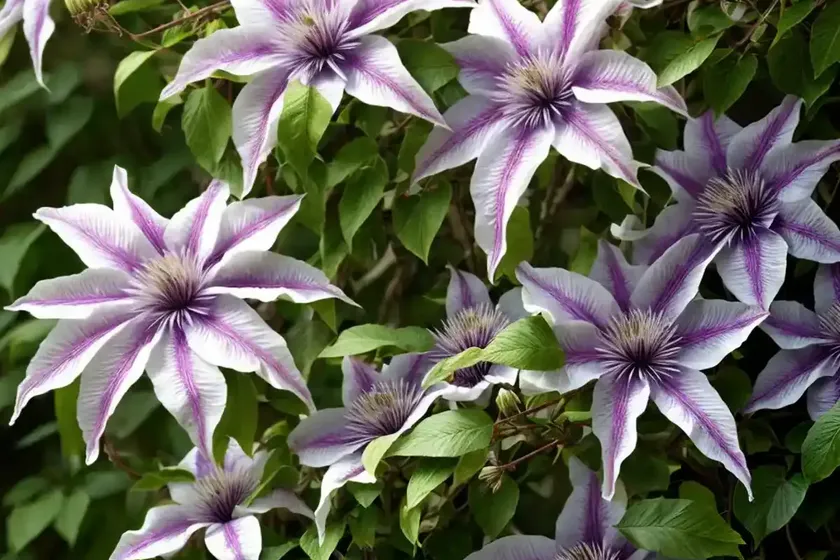
Clematis, specifically Clematis pitcheri, is a stunning flowering plant known for its climbing vines and enchanting blooms. In this comprehensive guide, we will delve into the various aspects of this captivating plant, including its culture, uses, care tips, and much more. Whether you are an aspiring gardener, an avid plant enthusiast, or a professional horticulturist, this article will provide you with all the information you need to cultivate and appreciate the splendor of Clematis pitcheri.
What is Clematis pitcheri?
Clematis pitcheri, also known as Pitcher’s Leather Flower, is a species of flowering plant in the buttercup family Ranunculaceae. It is native to the central and eastern parts of the United States, where it thrives in a variety of habitats, from woodlands to prairies. The plant is renowned for its exquisite, bell-shaped flowers that adorn the landscape with hues of purple and lavender. As a deciduous perennial, Clematis pitcheri exhibits vigorous growth and can reach impressive heights when provided with suitable support structures.
Key Takeaways
Before we delve into the specifics of cultivating and caring for Clematis pitcheri, let’s explore some key takeaways about this remarkable plant:
- Scientific Name: Clematis pitcheri
- Common Name: Pitcher’s Leather Flower
- Family: Ranunculaceae
- Native Range: Central and eastern United States
- Growth Type: Deciduous perennial climber
- Flower Characteristics: Bell-shaped blooms in shades of purple and lavender
- Climbing Habit: Clematis pitcheri is known for its climbing vines and can be trained to ascend fences, trellises, walls, and pergolas.
- Cultural Importance: Beyond its ornamental value, Clematis pitcheri holds significance in herbal medicine and has garnered attention for its unique folklore and historical associations.
Now that we have acquainted ourselves with the essential traits of Clematis pitcheri, let’s proceed to explore the various aspects of its culture, care, and uses.
Culture
Water
Clematis pitcheri thrives in moist, well-draining soil and benefits from consistent moisture, especially during the growing season. While it is important to ensure that the plant’s root system does not become waterlogged, it is equally crucial to prevent the soil from drying out completely. Adequate watering is particularly essential during hot and dry periods to support the plant’s growth and flowering.
Sunlight
In terms of sunlight requirements, Clematis pitcheri flourishes in areas that receive partial to full sun. Providing the plant with at least six hours of sunlight per day is ideal for promoting robust growth and prolific flowering. However, in regions with extremely intense or prolonged sun exposure, providing some afternoon shade can help protect the plant from excessive heat and sunburn.
Fertilizer
To promote healthy growth and abundant flowering, it is advisable to fertilize Clematis pitcheri regularly during the growing season. A balanced, water-soluble fertilizer formulated for flowering plants can be applied in early spring as new growth emerges. Additionally, a second round of fertilization can be administered in mid-summer to provide the plant with the essential nutrients it needs to sustain its vigor and floral display.
Soil
When it comes to soil preferences, Clematis pitcheri thrives in a fertile, well-drained growing medium. A nutrient-rich soil with a slightly acidic to neutral pH range is conducive to the plant’s overall health and development. Organic matter, such as compost or well-rotted manure, can be incorporated into the soil to enhance its structure and fertility, thereby creating an optimal environment for Clematis pitcheri to thrive.
Pruning
Pruning is a crucial aspect of Clematis pitcheri care, as it helps maintain the plant’s shape, vigor, and flowering performance. The timing and technique of pruning may vary depending on the specific growth habits and flowering characteristics of the cultivar. Generally, pruning can be conducted in late winter or early spring before new growth emerges. Removal of dead or damaged wood, as well as the shaping of the plant to encourage lateral branching, are typical objectives of Clematis pitcheri pruning.
Propagation
Prospering Clematis pitcheri plants often present opportunities for propagation, allowing enthusiasts to expand their collection or share the plant with fellow gardeners. The following methods can be employed for propagating Clematis pitcheri:
-
Seed Propagation: Collecting and germinating seeds from mature clematis flowers is a viable approach to propagate new plants. However, it is important to note that seeds may not produce true-to-type offspring, particularly in the case of hybrid varieties.
-
Stem Cuttings: Propagation via stem cuttings involves carefully selecting healthy, non-flowering stems and encouraging them to root in a suitable growing medium. With proper care and favorable conditions, these cuttings can develop into independent plants.
-
Layering: Layering is a propagation technique that involves encouraging a portion of a mature clematis stem to produce roots while still attached to the parent plant. Once roots have formed, the layered section can be detached and transplanted as a new individual.
Container Popularity
While Clematis pitcheri is renowned for its prowess as a climber, it also exhibits versatility as a container plant. Cultivating Clematis pitcheri in containers allows individuals with limited outdoor space to enjoy the plant’s beauty on patios, balconies, or terraces. Moreover, containers provide the added benefit of mobility, enabling gardeners to position the plant strategically to accentuate different areas of their outdoor living space.
Container Care
When growing Clematis pitcheri in containers, it is imperative to select a sizable pot that accommodates the plant’s growth habit and root system. The container should feature adequate drainage holes to prevent waterlogging and allow excess moisture to escape. Employing a high-quality, well-draining potting mix formulated for flowering climbers can facilitate optimal growth and performance in the container environment.
Common Diseases
Clematis pitcheri, like many other plants, is susceptible to certain diseases that can impact its overall health and vitality. Being aware of these common ailments and implementing appropriate preventive measures is crucial for safeguarding the well-being of the plant. Some of the prevalent diseases that may affect Clematis pitcheri include:
-
Powdery Mildew: Powdery mildew is a fungal disease that often manifests as a powdery, white coating on the plant’s foliage. It can impede photosynthesis and weaken the plant if left unaddressed.
-
Leaf Spot: Leaf spot diseases can cause unsightly blemishes and discoloration on the leaves of Clematis pitcheri. These can be caused by various fungi and bacteria and may require targeted management approaches to mitigate their impact.
-
Stem Rot: Excessive soil moisture or poor drainage can predispose Clematis pitcheri to stem rot, which can lead to decay and decline of affected plant parts.
Disease Diagnosis
When encountering signs of disease on Clematis pitcheri, it is essential to accurately diagnose the issue to determine the most effective course of action. Seeking guidance from plant health professionals, such as certified arborists or horticulturists, can aid in the precise identification of the disease and the development of an appropriate treatment strategy. Furthermore, utilizing reputable plant disease diagnostic resources and laboratories can provide invaluable insights into the nature of the ailment and potential control measures.
Common Pests
In addition to diseases, Clematis pitcheri may also face challenges from various pests that can compromise its well-being. Familiarizing oneself with the common pests that may target the plant and implementing vigilant monitoring and management practices is integral to preserving its health. Some of the pests that may afflict Clematis pitcheri include:
-
Aphids: Aphids are small, sap-sucking insects that can cluster on the tender growth of Clematis pitcheri, potentially causing distortion of leaves and excretion of honeydew.
-
Spider Mites: Spider mites are minuscule arachnids that can inflict damage to the plant by piercing leaf tissues and extracting cell contents, resulting in stippling and discoloration of foliage.
-
Slugs and Snails: These mollusks are known for their voracious appetite for plant tissues and may feed on the leaves and stems of Clematis pitcheri, especially in moist environments.
Botanist’s Tips
For enthusiasts and horticulturists seeking to maximize the potential of Clematis pitcheri in their landscapes, the following botanist’s tips can prove invaluable in promoting the plant’s growth, resilience, and ornamental value:
-
Support Structures: Providing sturdy, well-anchored support structures for Clematis pitcheri is essential to facilitate its climbing habit. Strong trellises, fences, or arbors can accommodate the plant’s ascending vines and showcase its splendid flowers.
-
Pruning Precision: While pruning is vital for managing Clematis pitcheri, it is essential to exercise caution and precision to avoid inadvertently removing potential flowering wood. Familiarizing oneself with the specific pruning requirements of the plant, based on its growth habits and flowering patterns, can aid in achieving optimal results.
-
Mulching Benefits: Applying a protective layer of organic mulch around the base of Clematis pitcheri can confer multiple benefits, including moisture retention, weed suppression, and insulation of the root zone. Organic materials such as compost, shredded bark, or straw can serve as efficacious mulching options.
Fun Facts
Here are some intriguing and delightful facts about Clematis pitcheri that highlight its unique attributes and significance:
-
Medicinal Traditions: Historically, certain Native American tribes utilized Clematis pitcheri in traditional herbal medicine, employing various parts of the plant for their purported medicinal properties.
-
Folklore and Symbolism: Clematis pitcheri has been associated with diverse folklore and symbolisms, with interpretations varying across different cultures and regions. Its enchanting blooms and climbing nature have inspired imaginative tales and folklore.
-
Wildlife Encounters: The nectar-rich flowers of Clematis pitcheri attract pollinators such as butterflies and hummingbirds, enhancing the ecological appeal of the plant and contributing to the biodiversity of its surroundings.
Links to External Resources
To further expand your knowledge and appreciation of Clematis pitcheri, consider exploring the following external resources:
- American Clematis Society
- Royal Horticultural Society – Clematis
- University of Illinois Extension – Growing Clematis
In conclusion, Clematis pitcheri stands as a captivating plant that encompasses both ornamental and cultural significance. Whether adorning garden landscapes with its elegant vines and blossoms, or captivating enthusiasts with its folklore and historical associations, Clematis pitcheri continues to captivate and inspire. By incorporating the insights and tips provided in this guide, individuals can embark on a fulfilling journey of cultivating and cherishing the beauty of Clematis pitcheri, while also contributing to its conservation and appreciation.