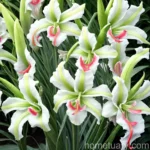
Gladiolus ‘Volcano’ (Sword Lily): A Flowering Wonder
The Gladiolus ‘Volcano’, commonly known as the Sword Lily, is a stunning flowering plant that has captured the hearts of many garden enthusiasts. With its vibrant colors and elegant flower spikes, it adds a touch of elegance to any garden or floral arrangement. In this comprehensive guide, we will explore the various aspects of the Gladiolus ‘Volcano’, from its cultural requirements to maintenance tips and interesting facts. Whether you’re a seasoned gardener or just starting, this guide will equip you with valuable insights to cultivate and care for this remarkable plant.
What is Gladiolus ‘Volcano’?
The Gladiolus ‘Volcano’, a member of the Iris family (Iridaceae), is a perennial plant known for its tall, striking flower spikes and sword-shaped leaves. It is native to South Africa, where it thrives in warm, Mediterranean climates. The plant derives its name from the Latin word “gladius,” which means sword, in reference to its sword-shaped leaves.
The ‘Volcano’ variety of Gladiolus is celebrated for its intense and fiery hues, reminiscent of the colors one might find in a volcanic eruption. Its blooms come in a range of colors including vibrant reds, oranges, and yellows, creating a visually captivating display in gardens and floral arrangements.
Key Takeaways – Gladiolus ‘Volcano’ (Sword Lily)
Let’s delve into the key aspects of cultivating and caring for the Gladiolus ‘Volcano’, from its cultural requirements to maintenance and common pests and diseases. With this comprehensive guide, you’ll gain a deeper understanding of how to nurture this beautiful plant to its full potential.
Culture
Cultivating the Gladiolus ‘Volcano’ involves a culmination of art and science. Understanding its cultural requirements is pivotal to ensuring its healthy growth and vibrant blooms. Here are the significant cultural considerations for the Sword Lily:
- USDA Hardiness Zones: Gladiolus ‘Volcano’ thrives in USDA hardiness zones 8-11, where it can be grown as a perennial.
- Planting Season: In most regions, planting Gladiolus ‘Volcano’ bulbs should take place in early spring after the last frost.
- Soil Type: Well-draining, fertile soil is essential for healthy growth. A slightly acidic to neutral soil pH range between 6.0 and 7.0 is optimal.
- Watering: The plant requires regular watering, ensuring the soil remains consistently moist but not waterlogged.
- Sunlight: Gladiolus ‘Volcano’ thrives in full sunlight, requiring at least 6-8 hours of direct sunlight daily.
By adhering to these cultural guidelines, you can lay a solid foundation for the successful cultivation of the Gladiolus ‘Volcano’.
Uses
The Sword Lily holds various uses and is valued for different applications:
- Ornamental Plant: As a stunning ornamental plant, the Gladiolus ‘Volcano’ is widely used in gardens, landscapes, and floral arrangements.
- Cut Flower: Its impressive flower spikes make it a popular choice for cut flower arrangements, providing a striking focal point in floral designs and bouquets.
- Butterfly Attraction: The vibrant blooms of the Sword Lily have the potential to attract butterflies, adding an enchanting element to the garden.
Understanding the diverse uses of the Gladiolus ‘Volcano’ enables enthusiasts to appreciate its versatility and beauty in different settings.
Water
Proper watering practices are essential for the optimal growth of Gladiolus ‘Volcano’. While the plant requires consistent moisture, excessive waterlogging can lead to root rot and other issues. Here are some key considerations for watering the Sword Lily:
- Regular Watering: Providing regular, moderate watering to keep the soil consistently moist without becoming waterlogged is crucial.
- Avoiding Waterlogging: Ensuring proper drainage in the planting area and containers is essential to prevent waterlogging and potential root rot.
Mastering the art of watering is integral to promoting robust growth and vibrant blooms in the Gladiolus ‘Volcano’.
Sunlight
Sunlight plays a pivotal role in the growth and bloom development of Gladiolus ‘Volcano’. Understanding its sunlight requirements is fundamental to its overall health and vitality. Here’s what you need to know about providing the optimal sunlight conditions for the Sword Lily:
- Full Sun: The plant thrives in full sunlight, requiring at least 6-8 hours of direct sunlight daily for robust growth and prolific flowering.
By ensuring the Sword Lily receives the necessary sunlight, you can foster its development and enhance the vibrancy of its blooms.
Fertilizer
Proper nourishment is essential for the Gladiolus ‘Volcano’ to thrive and flourish. Utilizing the right fertilization approach can significantly impact its growth and flowering. Here’s a guide to understanding the fertilizer needs of the Sword Lily:
- Balanced Fertilizer: Applying a balanced, all-purpose fertilizer before planting and as the plant begins to grow can provide the necessary nutrients for healthy development.
- Top Dressing: Incorporating a top dressing of compost or well-decomposed organic matter around the plants can enrich the soil and promote robust growth.
By implementing an appropriate fertilization regimen, you can support the Sword Lily in achieving its full blooming potential.
Soil
The type of soil used for cultivating Gladiolus ‘Volcano’ is pivotal in providing the necessary support and nutrients for its growth. Understanding the optimal soil conditions is essential for the plant’s overall health. Here’s a look at the soil requirements for the Sword Lily:
- Well-Draining Soil: A well-draining, fertile soil is ideal for the Sword Lily, preventing waterlogging and promoting healthy root development.
- pH Range: The plant thrives in a slightly acidic to neutral soil pH range between 6.0 and 7.0, which supports nutrient uptake and overall vigor.
By ensuring the proper soil conditions, you can establish an optimal growing environment for the Gladiolus ‘Volcano’.
Pruning
Pruning is a significant aspect of maintaining the health and vigor of Gladiolus ‘Volcano’. Strategic pruning practices can promote better airflow and reduce the risk of diseases. Here’s a guide to pruning the Sword Lily:
- Removing Spent Blooms: Pruning off spent blooms can redirect the plant’s energy into producing new flowers, prolonging the blooming period.
- Trimming Foliage: Trimming back yellowing or damaged foliage can enhance the plant’s appearance and overall health.
By incorporating pruning into your maintenance routine, you can help the Sword Lily maintain its vitality and visual appeal.
Propagation
The ability to propagate the Gladiolus ‘Volcano’ allows enthusiasts to expand their collection and share the beauty of this plant with others. Here’s a look at how to propagate the Sword Lily:
- Corm Division: Dividing mature corms during the dormant season provides an effective means of propagation, yielding new plants for your garden or to share with fellow gardeners.
Understanding the propagation techniques for the Sword Lily opens up opportunities to further cultivate and appreciate this captivating plant.
Container Popularity
The Gladiolus ‘Volcano’ is also well-suited for container cultivation, offering an excellent option for enthusiasts with limited garden space. Here are the key considerations for growing the Sword Lily in containers:
- Container Size: Selecting a spacious container that allows for adequate root growth is essential for cultivating Gladiolus ‘Volcano’.
- Drainage: Ensuring proper drainage in the container is crucial to prevent waterlogging and promote healthy root development.
- Versatility: Container-grown Sword Lilies offer the flexibility of being showcased on patios, balconies, and other outdoor spaces, adding vibrant color and elegance.
By embracing container cultivation, gardeners can enjoy the beauty of the Gladiolus ‘Volcano’ in a variety of settings, regardless of garden size.
Common Diseases
While Gladiolus ‘Volcano’ is relatively resilient, it is susceptible to certain diseases that can impact its overall vigor. Understanding and addressing common diseases is essential for maintaining the plant’s health. Here’s an overview of common diseases that can affect the Sword Lily:
- Botrytis Blight: This fungal disease can cause browning and wilting of flowers and foliage. Proper ventilation and avoiding overhead watering can help prevent this disease.
- Rust: Rust infections can lead to the appearance of yellow or orange spots on the foliage. Removing and disposing of infected leaves can help manage the spread of the disease.
By being proactive in disease prevention and early intervention, you can safeguard the health and beauty of the Sword Lily.
Disease Diagnosis
Identifying and diagnosing diseases affecting Gladiolus ‘Volcano’ is crucial for implementing targeted management strategies. Here are key steps for diagnosing and addressing diseases:
- Visual Inspection: Careful observation of the plant for any signs of discoloration, wilting, or abnormal growth can provide insights into potential diseases.
- Consulting Experts: Seeking guidance from horticultural specialists or local extension services can aid in accurate disease diagnosis and treatment recommendations.
By promptly diagnosing and addressing diseases, you can take proactive measures to protect the health of the Gladiolus ‘Volcano’.
Common Pests
Just like diseases, pests can pose a threat to the Sword Lily and necessitate vigilant pest management practices. Understanding the common pests and their control measures is essential for safeguarding the plant. Here are some common pests that may affect Gladiolus ‘Volcano’:
- Thrips: Thrips can cause stippling and distortion of foliage. Using insecticidal soap or neem oil can help manage thrips infestations.
- Aphids: Aphids may cluster on the stems and undersides of leaves, sucking plant juices. Strong blasts of water or insecticidal soaps can help eliminate aphids from the plant.
Vigilance and prompt action are crucial in addressing pest issues and preserving the health of the Sword Lily.
Botanist’s Tips
Drawing insights from experienced botanists and horticulturists can provide valuable guidance for cultivating and caring for Gladiolus ‘Volcano’. Here are some expert tips to enhance your success with the Sword Lily:
- Mulching: Applying a layer of organic mulch around the base of the plant can help conserve soil moisture and suppress weed growth.
- Supporting Stakes: Tall Gladiolus ‘Volcano’ flower spikes may require staking to prevent them from bending or breaking in windy conditions.
By integrating expert tips into your gardening practices, you can elevate the growth and beauty of the Sword Lily.
Fun Facts
Uncover some fascinating and intriguing facts about Gladiolus ‘Volcano’ that add to its allure and fascination:
- Symbolism: The Gladiolus is associated with strength, integrity, and infatuation, making it a popular choice for various occasions such as birthdays and anniversaries.
- Official Flower: In August 1977, the Gladiolus was named the official flower of the city of August, Florida, symbolizing its significance and popularity.
Discovering the fun and symbolic aspects of the Gladiolus ‘Volcano’ adds a layer of charm to its already captivating presence in gardens and arrangements.
Links to External Resources
To further enrich your understanding and knowledge of Gladiolus ‘Volcano’, exploring external resources can provide valuable insights and tips for successful cultivation and care. Here are some recommended external resources:
- Royal Horticultural Society – Gladiolus Growing Guide
- University of Florida – Gladiolus Production Handbook
- American Society for the Prevention of Cruelty to Animals – Plants Toxic to Animals: Gladiolus
- Missouri Botanical Garden – Gladiolus Care
- North Carolina State University Extension – Multiplying Gladiolus by Division
Exploring these external resources will provide a wealth of information and guidance for enhancing your experience in cultivating, caring for, and appreciating the beauty of the Gladiolus ‘Volcano’.
In conclusion, the Gladiolus ‘Volcano’ (Sword Lily) stands as a stunning embodiment of beauty and elegance in the world of flowering plants. With its vibrant blooms and versatile uses, it continues to captivate and inspire gardeners and floral enthusiasts worldwide. By embracing the insights and guidelines presented in this comprehensive guide, you can embark on a rewarding journey of cultivating, caring for, and celebrating the splendor of the Gladiolus ‘Volcano’ in your own garden and floral arrangements.