Juniperus communis ‘Suecica Aurea’ (Swedish Juniper): A Complete Plant Guide
Plants have an incredible ability to brighten up any space, whether it’s a garden, a balcony, or a living room. One such captivating plant is the Juniperus communis ‘Suecica Aurea’, also known as the Swedish Juniper. This evergreen shrub is renowned for its stunning golden foliage and versatility in various landscaping settings. In this comprehensive plant guide, we will delve into the characteristics, care tips, uses, and much more about the ‘Suecica Aurea’ variety. Let’s begin our journey into the enchanting world of Swedish Juniper.
What is Juniperus communis ‘Suecica Aurea’?
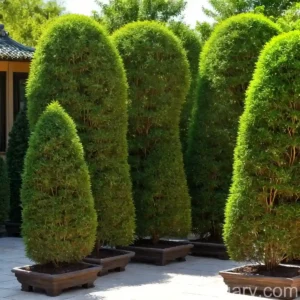
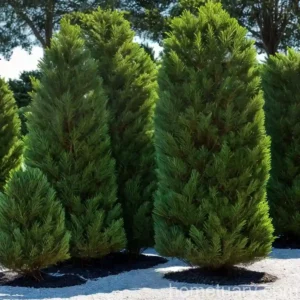
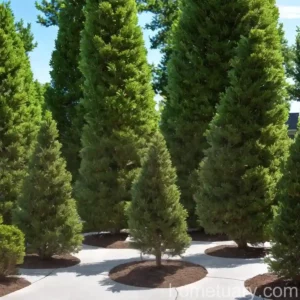
Juniperus communis ‘Suecica Aurea’ is a cultivar of the common juniper (Juniperus communis), a species of conifer in the cypress family (Cupressaceae). This evergreen shrub is characterized by its striking golden-yellow foliage, which lends a vibrant and alluring appeal to any landscape. The ‘Suecica Aurea’ variety is particularly valued for its ornamental features and its adaptability to various growing conditions.
Key Takeaways – Juniperus communis ‘Suecica Aurea’
Here are the key takeaways for the Swedish Juniper, Juniperus communis ‘Suecica Aurea’:
- Characteristics: Golden-yellow foliage, evergreen, conical growth habit.
- Care Tips: Well-draining soil, full sunlight, minimal pruning, drought-tolerant.
- Growing: Suitable for both outdoor and container cultivation, adaptable to various climates.
- Uses: Landscaping, erosion control, privacy screening, ornamental focal point.
- Disease and Pest Control: Resistant to many common diseases and pests.
Now, let’s explore each of these key takeaways in greater detail.
Culture
Uses
The Juniperus communis ‘Suecica Aurea’ has multifaceted uses in landscaping and gardening, making it a versatile and valuable addition to outdoor spaces. Some of the common uses of this remarkable plant include:
- Landscaping: The vibrant golden hue of the foliage brightens up garden beds and borders, providing a striking contrast to other greenery.
- Erosion Control: Its dense growth habit and resilience make it an excellent choice for stabilizing soil on slopes and embankments.
- Privacy Screening: The Swedish Juniper is often utilized as a natural and visually appealing privacy screen, creating a sense of seclusion in outdoor spaces.
- Ornamental Focal Point: Whether in a residential garden or a public park, the ‘Suecica Aurea’ variety serves as an eye-catching focal point, especially in winter when its golden foliage stands out amidst the surrounding landscape.
Water
In terms of water requirements, Juniperus communis ‘Suecica Aurea’ is remarkably adaptable. Once established, it exhibits excellent drought tolerance, making it suitable for xeriscaping and water-wise gardening. However, it’s important to ensure proper watering during the initial establishment period, especially in hot and arid climates. Once the plant is well-rooted, it requires minimal supplemental watering and can thrive with natural rainfall.
Sunlight
The Swedish Juniper thrives in full sunlight, exhibiting the best growth and coloration when provided with at least six to eight hours of direct sunlight per day. In shadier conditions, the vibrant golden foliage may lose some of its luster, so it’s advisable to position the plant in a sunny location to fully appreciate its ornamental attributes.
Fertilizer
As a relatively low-maintenance plant, Juniperus communis ‘Suecica Aurea’ typically does not require frequent fertilization. In fact, excessive fertilization can lead to undesirable rapid growth and diminished foliage coloration. However, if the plant appears to be lacking essential nutrients, a balanced slow-release fertilizer specifically formulated for evergreens can be applied in spring, following the dosage recommendations on the product label. It’s important to avoid fertilizers high in nitrogen, which can adversely affect the plant’s overall health and appearance.
Soil
The Swedish Juniper thrives in well-draining soil, including various soil types such as sandy, loamy, or rocky soils. It is essential to avoid waterlogged or excessively compacted soil, as this can lead to root rot and other detrimental conditions. Prior to planting, amending the soil with organic matter such as compost can promote better drainage and soil structure, contributing to the plant’s overall health and vigor.
Pruning
Pruning requirements for Juniperus communis ‘Suecica Aurea’ are relatively minimal, making it an attractive option for low-maintenance landscapes. Light pruning can be carried out in early spring to remove any dead, damaged, or overgrown branches. It’s important to avoid heavy pruning, particularly into old wood, as the plant may not regenerate growth from such areas. Trimming for shaping can be done sparingly, bearing in mind the natural conical growth habit of the plant.
Propagation
The propagation of Juniperus communis ‘Suecica Aurea’ can be achieved through various methods, including:
- Cuttings: Semi-hardwood cuttings taken in mid to late summer can be rooted in a suitable growing medium under controlled conditions.
- Seeds: While possible, seed propagation is less commonly employed due to the time it takes for the seedlings to reach a desirable size for landscaping purposes.
Container Popularity
The Swedish Juniper is well-suited for container cultivation, offering a touch of elegance and natural charm to patios, balconies, and small outdoor spaces. Its adaptability to container growth makes it a sought-after choice for urban and suburban gardening, allowing individuals to enjoy the beauty of this evergreen shrub in a more confined environment.
Container Common Diseases
When growing Juniperus communis ‘Suecica Aurea’ in containers, it’s crucial to be mindful of potential issues such as root rot and fungal diseases, which can arise from overwatering and poor air circulation around the roots. By ensuring proper drainage and using a well-draining potting mix, the risk of these container-specific diseases can be minimized.
Disease Diagnosis
The ‘Suecica Aurea’ variety is generally resilient against many common juniper diseases. However, it is important to monitor the plant for any signs of needle blight, cedar rust, or phytophthora root rot, especially during periods of prolonged moisture. Prompt action, such as pruning off affected areas and ensuring adequate airflow around the plant, can help mitigate the impact of these diseases.
Common Pests
While relatively resistant to pests, Swedish Juniper may occasionally encounter certain insect pests such as bagworms, spider mites, and juniper scale. Regularly inspecting the plant for signs of pest activity, such as webbing, stippled foliage, or scale coverings, allows for early intervention with targeted control measures, including natural pesticides or horticultural oils.
Botanist’s Tips
- Optimal Growing Conditions: Select a well-draining site with plenty of sunlight for the best performance and coloration of the ‘Suecica Aurea’ variety.
- Minimal Pruning: Avoid excessive pruning, particularly into the older wood, to maintain the natural shape and robustness of the plant.
- Drought Tolerance: Once established, this juniper cultivar exhibits exceptional drought tolerance, requiring minimal supplemental watering.
- Soil Considerations: Ensure the soil is well-draining and amend it with organic matter to promote optimal growth and vigor.
Fun Facts
- The golden foliage of Juniperus communis ‘Suecica Aurea’ adds a touch of warmth and vibrancy to winter landscapes, standing out amidst the subdued winter palette.
- In some cultures, juniper trees are associated with protection and are often planted near homes for their symbolic significance.
Links to External Resources
For further information on Juniperus communis ‘Suecica Aurea’ and related topics, the following resources may be helpful:
- Royal Horticultural Society: Juniperus communis ‘Suecica Aurea’
- University of Minnesota Extension: Growing Junipers in Minnesota
This comprehensive plant guide provides valuable insights into the characteristics, care tips, uses, and maintenance requirements of the Juniperus communis ‘Suecica Aurea’, also known as the Swedish Juniper. By understanding the unique attributes and versatility of this captivating plant, enthusiasts and gardeners can make informed decisions regarding its cultivation and integration into various landscape settings. Whether as a striking focal point or a resilient ground cover, the ‘Suecica Aurea’ variety offers enduring beauty and functional benefits for diverse outdoor spaces.