Geranium macrorrhizum ‘Bevan’s Variety’ (Cranesbill) – A Complete Plant Care Guide

Introduction
Plants are a diverse group of organisms that play a crucial role in the environment and in the lives of humans. They can be found in various forms, from tiny mosses to giant sequoias, and they are essential for the ecosystem, as they produce oxygen, provide food, and contribute to the overall aesthetic of the environment. Among the vast array of plant species, Geranium macrorrhizum ‘Bevan’s Variety’ stands out with its vibrant flowers and ease of cultivation, making it a popular choice for gardeners and landscapers.
What is Geranium macrorrhizum ‘Bevan’s Variety’ (Cranesbill)?
Geranium macrorrhizum ‘Bevan’s Variety’, commonly known as Cranesbill, is a flowering perennial plant that belongs to the Geraniaceae family. It is native to the mountainous regions of Europe, particularly in the Balkans, where it thrives in rocky woodlands and meadows. This hardy and low-maintenance plant has gained popularity for its attractive foliage and beautiful, long-lasting blooms.
Geranium macrorrhizum ‘Bevan’s Variety’ Description
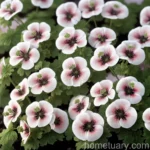
Geranium macrorrhizum ‘Bevan’s Variety’ is characterized by its dense, spreading habit and deeply divided, aromatic leaves. It produces abundant clusters of delicate, magenta-pink flowers in late spring to early summer, which add a splash of color to garden beds and borders. The foliage is semi-evergreen, providing visual interest even when not in bloom. With a moderate growth rate and a clump-forming nature, this Cranesbill cultivar is well-suited for ornamental purposes in both formal and informal garden settings, as well as in container plantings.
Key Takeaways – Geranium macrorrhizum ‘Bevan’s Variety’ (Cranesbill)
Before diving into the specific care guidelines for Geranium macrorrhizum ‘Bevan’s Variety’, let’s summarize the key takeaways regarding this delightful plant.
- Common Name: Cranesbill
- Scientific Name: Geranium macrorrhizum ‘Bevan’s Variety’
- Family: Geraniaceae
- Plant Type: Perennial
- Mature Size: 12-18 inches in height and spread
- Sun Exposure: Full sun to part shade
- Soil Type: Well-draining, fertile soil
- Bloom Time: Late spring to early summer
- Hardiness Zones: 4-8
- Attracts: Bees, butterflies
- Common Uses: Garden beds, borders, containers
- Special Features: Fragrant foliage, deer resistant
- Maintenance: Low maintenance
Now that we have a brief overview of Geranium macrorrhizum ‘Bevan’s Variety’, let’s delve into the specific care requirements and characteristics of this charming plant.
Culture
Uses
Geranium macrorrhizum ‘Bevan’s Variety’ is a versatile plant that can be utilized in various ways within a garden or landscape. Some common uses include:
- Garden Beds and Borders: The low-growing, spreading nature of Cranesbill makes it an excellent choice for use as ground cover in garden beds and borders. It creates a dense mat of foliage and flowers, providing a colorful and textural backdrop for other plants.
- Containers: Due to its compact size and attractive foliage, Geranium macrorrhizum ‘Bevan’s Variety’ is well-suited for container plantings. Whether in terracotta pots on the patio or window boxes on a balcony, it adds a touch of elegance to any container garden.
- Rock Gardens: The natural habitat of this plant in rocky woodlands makes it an ideal candidate for rock gardens and alpine plantings. Its ability to thrive in well-draining, rocky soil makes it a perfect fit for this type of landscape design.
- Underplanting: In woodland or naturalized areas, Cranesbill can be used as an underplanting beneath larger shrubs or trees, where its colorful blooms and aromatic foliage can brighten up the understory.
Water
In terms of water requirements, Geranium macrorrhizum ‘Bevan’s Variety’ is relatively low-maintenance once established. It is tolerant of dry soil conditions and can withstand short periods of drought. However, consistent moisture is beneficial, especially during the active growing season and when the plant is setting buds and blooming. Adequate watering, especially during dry spells, will ensure healthy foliage and prolific flowering.
Sunlight
Cranesbill thrives in a variety of light conditions, making it adaptable to different garden settings. It prefers full sun to partial shade, with the ideal balance being partial shade, especially in regions with hot summers. When grown in full sun, it’s important to ensure that the soil remains consistently moist, as prolonged exposure to intense sunlight can lead to quicker moisture loss.
Fertilizer
The nutritional needs of Geranium macrorrhizum ‘Bevan’s Variety’ are minimal, and it can thrive without heavy fertilization. A balanced, all-purpose fertilizer applied in early spring, as new growth begins to emerge, can support healthy foliage and promote a bountiful display of flowers. Alternatively, amending the soil with organic matter such as compost or well-rotted manure can provide the necessary nutrients for vigorous growth.
Soil
The ideal soil for Cranesbill is well-draining and fertile, with a slightly acidic to neutral pH. It can adapt to various soil types, including loamy, sandy, or clay soils, as long as they do not become waterlogged. Amending heavy clay soils with organic matter and providing proper drainage will create an optimal growing environment for this plant. Additionally, a layer of mulch around the base of the plant helps retain soil moisture and suppress weed growth.
Pruning
One of the appealing attributes of Geranium macrorrhizum ‘Bevan’s Variety’ is its minimal pruning requirements. After the flowering period, spent flower stems can be deadheaded to encourage additional blooming and maintain a tidy appearance. In late fall or early spring, any tattered or damaged foliage can be trimmed back to the base to rejuvenate the plant. Overall, this low-maintenance approach to pruning makes it an attractive choice for gardeners seeking easy-care plants.
Propagation
Propagation Methods
Cranesbill can be easily propagated through several methods, allowing gardeners to expand their collection or share this delightful plant with others. The following are the primary propagation techniques for Geranium macrorrhizum ‘Bevan’s Variety’:
- Division: In early spring or fall, the plant can be divided by carefully digging up the clump and separating the root ball into smaller sections, each containing several shoots. These divisions can then be replanted in suitable locations, resulting in new, healthy plants.
- Seed Propagation: Collecting seeds from mature seed pods and sowing them in a seed-starting mix provides another avenue for propagating Cranesbill. The seeds should be sown at the appropriate depth and kept consistently moist until germination occurs.
- Softwood Cuttings: Taking softwood cuttings in late spring or early summer and rooting them in a propagation medium under controlled conditions can yield new plants. With the right care, these cuttings will develop roots and can be transplanted once they have established a healthy root system.
Container Popularity
Due to its compact size and attractive foliage and flowers, Geranium macrorrhizum ‘Bevan’s Variety’ is highly suitable for container gardening. Whether placed on a patio, balcony, or deck, it adds a delightful touch to container arrangements, providing color and interest throughout the growing season. Pairing it with other complementary plants, such as trailing vines or upright annuals, can create visually striking compositions in containers.
Common Diseases
Disease Diagnosis
While Cranesbill is generally resistant to most diseases, it can occasionally be affected by certain fungal infections or foliar diseases. Paying attention to the following symptoms can help in diagnosing and addressing potential diseases:
- Powdery Mildew: A white, powdery coating on the leaves and stems.
- Botrytis Blight: Grayish mold on the flowers and buds, often accompanied by wilting or rotting.
- Leaf Spot: Circular lesions on the foliage, which may be discolored or have a water-soaked appearance.
- Canker: Sunken, darkened areas on stems or trunk that may ooze sap.
Upon noticing any signs of disease, it’s essential to promptly remove and dispose of the affected plant parts, as well as improve air circulation and reduce overhead watering to prevent the spread of the disease.
Common Pests
Botanist’s Tips
Geranium macrorrhizum ‘Bevan’s Variety’ exhibits resistance to most insect pests, making it a relatively trouble-free plant. However, keeping an eye out for the following common pests and taking preventive measures is advisable to maintain plant health:
- Aphids: Small, soft-bodied insects that cluster on new growth, excreting sticky honeydew and causing distortion of foliage.
- Spider Mites: Tiny arachnids that feed on the undersides of leaves, causing stippling and webbing.
- Snails and Slugs: These mollusks can feed on the foliage and flowers, leaving behind ragged edges and holes.
Regular inspection of the plant and prompt intervention, if necessary, can help control pest infestations and minimize damage.
Fun Facts
As we continue to explore the world of Geranium macrorrhizum ‘Bevan’s Variety’, here are some fascinating and fun facts about this charming plant:
- The species name “macrorrhizum” is derived from the Greek words “makro” meaning large and “rhiza” meaning root, referencing the plant’s robust, rhizomatous root system.
- Geranium macrorrhizum is commonly known as the Bigroot Geranium, alluding to its large, fleshy roots.
- This Cranesbill cultivar earned the prestigious Award of Garden Merit from the Royal Horticultural Society, a testament to its outstanding performance and ornamental value in garden settings.
- In addition to its aesthetic appeal, Geranium macrorrhizum ‘Bevan’s Variety’ has aromatic foliage, emitting a pleasant, herbal scent when brushed against or crushed.
- Cranesbill species, including Geranium macrorrhizum, are known for their attractive, distinctive fruit capsules, which develop after the blooms fade and add visual interest to the plant.
Links to External Resources
To further expand your knowledge and appreciation for Geranium macrorrhizum ‘Bevan’s Variety’ and other related topics, consider exploring the following external resources:
- The Royal Horticultural Society
- Missouri Botanical Garden – Plant Finder
- North Carolina State University – Extension Gardener Plant Toolbox
- American Horticultural Society
With the help of these valuable resources, you can gain a deeper understanding of Geranium macrorrhizum ‘Bevan’s Variety’, explore additional cultivation tips, and discover related plants and gardening insights.
In conclusion, Geranium macrorrhizum ‘Bevan’s Variety’ is a delightful and versatile plant that brings beauty, fragrance, and ease of care to gardens and landscapes. Whether used as a ground cover, border accent, or container plant, its vibrant flowers and aromatic foliage contribute to a welcoming and visually appealing outdoor environment. By following the recommended cultural practices and embracing the charming characteristics of Cranesbill, gardeners can create thriving and captivating plantings that enrich their outdoor spaces.
Remember to share your love for Geranium macrorrhizum ‘Bevan’s Variety’ with fellow gardeners and enthusiasts, and continue to explore the wonderful world of plants and gardening!