Hydrangea arborescens Incrediball® (Smooth Hydrangea) – A Complete Guide
Hydrangea arborescens Incrediball®, commonly known as Smooth Hydrangea, is a beautifully stunning and low-maintenance flowering shrub that has gained immense popularity amongst gardeners and landscapers. This native North American plant boasts large, rounded flower heads and attractive foliage, making it a perfect choice for ornamental and landscaping purposes. In this comprehensive guide, we’ll delve into crucial aspects of the Hydrangea arborescens Incrediball®, including its cultural requirements, uses, care tips, common diseases, and much more. So, whether you are a seasoned green thumb or an enthusiast looking to enhance the appeal of your garden, this guide will serve as your ultimate reference point for everything related to the captivating Smooth Hydrangea.
What is Hydrangea arborescens Incrediball® (Smooth Hydrangea)?
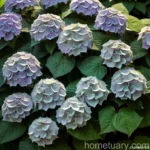
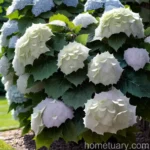
Hydrangea arborescens Incrediball®, a cultivar of the native Smooth Hydrangea, is revered for its breathtaking flower clusters and robust, reliable nature. As one of the standout members of the Hydrangeaceae family, this deciduous shrub is hailed for its vigor, adaptability, and ability to flourish in a variety of environmental conditions. The plant features lush, dark green foliage and produces enormous ball-shaped blossoms that transform from a striking lime green in the early stages to a pure, snowy white at their peak, adding a touch of elegance to any garden or landscape.
Unlike its counterpart, the Hydrangea macrophylla or mophead hydrangea commonly associated with large, rounded flower clusters, the Incrediball® variety of Hydrangea arborescens blooms on new wood, ensuring a spectacular floral display even after harsh winters. This exceptional characteristic makes it resilient against frost and essential for gardens in colder climates. Incrediball® is widely cherished for its ability to thrive in various soil types, offering gardeners across different regions the opportunity to incorporate this stunning cultivar into their outdoor spaces.
Key Takeaways – Hydrangea arborescens Incrediball® (Smooth Hydrangea)
Before we delve into the nitty-gritty of understanding and caring for the Hydrangea arborescens Incrediball®, here are the key takeaways that will guide us through this comprehensive guide:
- Plant Name: Hydrangea arborescens Incrediball®
- Scientific Classification:
- Family: Hydrangeaceae
- Genus: Hydrangea
- Species: arborescens
- Common Names: Smooth Hydrangea, Incrediball Hydrangea
- Characteristics:
- Large, rounded flower clusters
- Lush, dark green foliage
- Deciduous nature
- Special Features:
- Blooms on new wood
- Resilient in cold climates
- Ideal Uses:
- Ornamental shrub
- Landscaping centerpiece
- Garden borders
- Popularity: Widely favored for its stunning floral displays and low-maintenance requirements.
Now, let’s dive into a detailed exploration of cultivating, caring for, and enjoying the spectacular Hydrangea arborescens Incrediball®.
Cultivation of Hydrangea arborescens Incrediball®
Cultivating Hydrangea arborescens Incrediball® involves understanding its specific environmental needs, nurturing practices, and potential uses. Here, we’ll explore cultural aspects, including water requirements, sunlight preferences, soil conditions, and appropriate fertilization to ensure the successful growth and flowering of this magnificent shrub.
Water
Like most hydrangeas, Hydrangea arborescens Incrediball® has specific watering needs that are crucial for its overall health and vigor. Adequate hydration is essential, especially during the plant’s establishment period and dry spells. Here are key considerations regarding watering this cultivar:
- Young Plants: Newly planted Incrediball hydrangeas require regular watering to help their roots establish in the soil. Providing approximately 1 inch of water per week during the growing season is ideal, especially during the hotter months.
- Established Plants: Mature Incrediball hydrangeas are relatively drought-tolerant; however, they still benefit from regular watering, particularly during prolonged periods of drought. Deep, infrequent waterings are preferable to frequent shallow waterings as they encourage the development of a robust root system capable of sustaining the plant during dry periods.
Sunlight
The amount of sunlight your Hydrangea arborescens Incrediball® receives directly influences its growth, flowering, and overall appearance. While it tends to thrive in partially shaded locations, especially in warmer climates, it also exhibits a remarkable tolerance for varying light conditions. Here’s a breakdown of its sunlight preferences:
- Partial Shade: Incrediball hydrangeas typically prefer partial shade, especially in regions with hot summers, as excessive direct sunlight might cause leaf scorch. Morning sun with afternoon shade or dappled light throughout the day is generally ideal.
- Full Sun: In cooler, northern regions, these hydrangeas can tolerate full sun, especially if they receive consistent moisture and the soil is sufficiently enriched to support their growth.
Fertilizer
Proper fertilization plays a pivotal role in ensuring the healthy growth and abundant flowering of Hydrangea arborescens Incrediball®. Understanding the appropriate timing, type, and method of fertilizing is essential to promote the shrub’s optimal performance. Consider the following fertilization guidelines:
- Timing: Apply a balanced, slow-release fertilizer in early spring as new growth begins to emerge. Refrain from fertilizing in late summer or fall, as this could potentially stimulate late-stage growth that may not have sufficient time to harden before the onset of winter.
- Type: Opt for a well-balanced, all-purpose fertilizer formulated specifically for flowering shrubs. A fertilizer with an N-P-K ratio of 10-10-10 or similar is suitable for promoting healthy growth and robust flowering.
- Application Method: Gently work the fertilizer into the soil around the base of the plant, ensuring that it is spread evenly without coming into direct contact with the stems or foliage. Water the area thoroughly after application to facilitate the nutrients’ absorption.
Soil
Hydrangea arborescens Incrediball® exhibits remarkable adaptability to varying soil conditions, making it relatively easy to cultivate in different garden settings. Understanding the ideal soil type, pH range, and potential amendments provides invaluable insights into the requirements of this stunning shrub:
- Soil Type: Well-draining, loamy soil enriched with organic matter is generally ideal for cultivating Incrediball hydrangeas. However, they are adaptable and can thrive in a range of soil textures, provided adequate drainage is ensured.
- pH Range: Incrediball hydrangeas prefer slightly acidic to neutral soil, with a pH range of 5.5 to 7.0. Soil pH profoundly influences the flower color of this cultivar, with acidic soils producing blue or lavender blooms and neutral to slightly alkaline soils yielding pink or red blossoms.
- Amendments: Mixing organic compost or well-rotted manure into the soil during planting or as a top-dressing in subsequent years can improve soil structure, fertility, and overall moisture retention, benefitting the health and vigor of the Incrediball hydrangea.
Pruning Hydrangea arborescens Incrediball®
Pruning is an essential aspect of caring for Hydrangea arborescens Incrediball®, contributing to its overall health, appearance, and flowering performance. Understanding the specific pruning requirements, including timing, techniques, and rejuvenation practices, is vital for cultivating an attractive and robust shrub. Here’s a detailed look at the key aspects of pruning this captivating cultivar:
Timing
Pruning Hydrangea arborescens Incrediball® at the appropriate time is crucial to prevent unintentional removal of flower buds and support the plant’s overall growth and development. Here’s a breakdown of the ideal timing for pruning this stunning shrub:
- Early Spring: Incrediball hydrangeas bloom on new wood, which means they produce flowers on the current season’s growth. Therefore, the ideal time for pruning is early spring, preferably before the new growth emerges. This allows for the removal of any damaged, weak, or older stems while encouraging the development of new growth and abundant flower clusters.
- Winter Pruning: In regions with harsh winters, particularly to manage the size of the shrub or rejuvenate its growth, winter pruning can be considered. This involves the removal of older and weaker stems to stimulate the production of vigorous new shoots in the coming growing season.
Pruning Techniques
Adopting appropriate pruning techniques is essential for maintaining the shape, size, and flowering performance of Hydrangea arborescens Incrediball®. Employing the right methods ensures that the shrub remains healthy, visually appealing, and capable of producing abundant blooms. Consider the following pruning techniques:
- Deadheading: Remove spent flower clusters immediately after flowering to encourage the development of new shoots and potential reblooms. Snip the old flower heads just above a pair of healthy, emerging leaves to prevent the plant from wasting energy on the production of seeds.
- Thinning: Periodically thinning out older, weaker, or overcrowded stems can improve air circulation, promote the development of new growth, and create a more open and visually pleasing structure.
- Size Management: Prune any excessively tall or sprawling stems to manage the size and shape of the shrub, particularly if it starts encroaching on neighboring plants or obstructing pathways. This helps maintain a tidy and compact appearance, especially in formal garden settings.
Rejuvenation Pruning
In some cases, particularly if Hydrangea arborescens Incrediball® becomes overgrown, sparse, or exhibits diminished flowering, rejuvenation pruning can revitalize the plant and restore its vigor. This drastic but effective approach involves cutting the entire shrub back to a lower height, stimulating the growth of vigorous new shoots and ensuring a renewed display of lush foliage and abundant blossoms.
Propagation of Hydrangea arborescens Incrediball®
The propagation of Hydrangea arborescens Incrediball® offers enthusiasts and landscapers the opportunity to expand their collection of this stunning cultivar or share its beauty with others. Understanding the methods, timing, and essential considerations for successful propagation is essential for cultivating new plants and ensuring their healthy establishment. Here’s a detailed look at the key aspects of propagating Incrediball hydrangeas:
Propagation Methods
Hydrangea arborescens Incrediball® can be propagated through several methods, including but not limited to division, softwood cuttings, and layering. Each propagation method offers unique benefits and challenges, providing flexibility for enthusiasts and growers to select the most suitable approach. Here’s an overview of the popular propagation methods for Incrediball hydrangeas:
- Division: Dividing mature Incrediball hydrangeas during the early spring or fall allows enthusiasts to separate established clumps into individual sections, each with their own root system. This method is ideal for rejuvenating overcrowded plants and producing new, well-established specimens.
- Softwood Cuttings: Taking softwood cuttings from healthy, actively growing stems in the early summer allows enthusiasts to propagate new Incrediball hydrangeas with high success rates. Rooting hormone and consistent moisture are essential for ensuring the successful establishment of these cuttings.
- Layering: Air layering or ground layering techniques can also be employed to propagate Incrediball hydrangeas. Layering involves encouraging the development of roots on a portion of a stem while it is still attached to the parent plant, enabling it to be severed and replanted as a new individual once well-rooted.
Timing
The timing of propagation plays a critical role in determining the success of establishing new Hydrangea arborescens Incrediball® plants. Understanding the optimal timing for each propagation method is essential for ensuring the healthy and vigorous development of the propagated specimens. Consider the following timing considerations for successful propagation:
- Division: Early spring or fall, when the plant is not undergoing active growth, is the ideal time for dividing mature Incrediball hydrangeas. Cool, moist conditions during these seasons promote successful division and establishment of the divided sections.
- Softwood Cuttings: The early summer, when the plant is actively growing and producing new, flexible stems, presents the best timing for taking softwood cuttings for propagation. Selecting healthy, vigorous stems for cuttings enhances their ability to root and establish as new plants.
- Layering: Ground or air layering can be performed at a suitable time during the growing season, ensuring that the parent plant and the developing rooted section receive optimal care and attention for successful establishment.
Hydrangea arborescens Incrediball® in Containers
The versatility and adaptability of Hydrangea arborescens Incrediball® make it suitable for container cultivation, adding a touch of elegance, color, and texture to patios, balconies, and other outdoor living spaces. Container gardening offers a unique way to showcase the stunning blooms and lush foliage of this cultivar while providing an opportunity to maneuver its placement to meet specific aesthetic and care requirements. Here’s a comprehensive look at cultivating and caring for Incrediball hydrangeas in containers:
Popularity in Containers
Incrediball hydrangeas are increasingly favored for container gardening due to their compact size, stunning floral displays, and low-maintenance nature. These versatile shrubs thrive in containers of various sizes and can be utilized to create captivating focal points, accentuate outdoor seating areas, or add visual interest to entryways and walkways.
Container Common Diseases
While container cultivation offers numerous benefits, it also presents unique challenges, particularly concerning the susceptibility of Incrediball hydrangeas to specific diseases and issues. Understanding the common diseases and afflictions that can affect these shrubs in containers helps enthusiasts and growers proactively address potential concerns. Here are the common diseases that may impact Hydrangea arborescens Incrediball® in containers:
- Root Rot: Overly wet conditions and poorly draining container soil can lead to the development of root rot, a fungal disease that affects the roots and overall health of the plant. Symptoms include wilting, yellowing foliage, and stunted growth.
- Powdery Mildew: Inadequate air circulation and high humidity levels in container environments can promote the development of powdery mildew, a fungal disease that appears as a white, powdery coating on the leaves and stems of the plant.
Disease Diagnosis
Diagnosing and addressing potential diseases that affect Hydrangea arborescens Incrediball® in containers requires careful observation, timely intervention, and appropriate preventive measures. Recognizing the symptoms and signs of common diseases is essential for effectively managing and mitigating potential issues. Consider the following disease diagnosis guidelines for Incrediball hyndrangeas in containers:
- Visual Inspection: Regularly inspect the foliage, stems, and overall appearance of the plant for any unusual spots, discoloration, or signs of distress. Early detection and intervention can prevent the development and spread of diseases.
- Leaf Examination: Examine the undersides of leaves for powdery white or grayish coatings, which may indicate the presence of powdery mildew. Dark, water-soaked spots on the leaves may be indicative of other foliar diseases or issues.
- Root Examination: If the plant exhibits symptoms of decline, carefully remove it from the container and inspect its root system for signs of rot, discoloration, or decay. Healthy roots are firm, white, and devoid of any foul odors.
Common Pests
While container cultivation offers relative protection against certain pests, Hydrangea arborescens Incrediball® is still susceptible to infestations by common garden pests that can affect its overall health and appearance. Understanding the potential pests and implementing proactive measures can help safeguard the shrubs and ensure their vigor. Here are the common pests that may impact Hydrangea arborescens Incrediball® in containers:
- Aphids: These small, soft-bodied insects feed on the sap of the plant, causing distortion of the foliage, yellowing, and a sticky residue known as honeydew. Regularly inspect the foliage and stems for signs of aphid infestations and employ appropriate control measures as needed.
- Spider Mites: These minuscule pests are notorious for causing stippling, webbing, and overall decline of the plant. They thrive in dry, warm environments, making container-grown Incrediball hydrangeas potentially susceptible to infestations.
Botanist’s Tips for Container Cultivation
Successfully cultivating Hydrangea arborescens Incrediball® in containers requires adherence to specific care practices and a keen understanding of the plant’s needs in a confined environment. Implementing botanist’s tips for container gardening ensures the healthy growth, abundant flowering, and overall well-being of these captivating shrubs. Here are essential botanist’s tips for cultivating Incrediball hydrangeas in containers:
- Container Selection: Choose a spacious, well-draining container with ample drainage holes to prevent waterlogging and promote healthy root development. Selecting a container that accommodates the mature size of the plant ensures long-term growth and display success.
- Growing Medium: Utilize a high-quality, well-aerated potting mix rich in organic matter to provide the ideal growing medium for container-grown Incrediball hydrangeas. Avoid heavy, compacted soils or those prone to retaining excessive moisture.
Fun Facts about Hydrangea arborescens Incrediball®
Understanding the unique characteristics, historical significance, and captivating attributes of Hydrangea arborescens Incrediball® adds depth and appreciation to the cultivation and enjoyment of this stunning shrub. Here are some fun and intriguing facts that shed light on the captivating nature of the Smooth Hydrangea and its remarkable cultivar, Incrediball®:
- Native Heritage: Hydrangea arborescens, the native species from which the Incrediball® cultivar originates, has a rich heritage and has been cherished by North American tribes for its medicinal properties and ornamental value.
- Incredible Blooms: The Incrediball® variety is renowned for its remarkable flower size, with individual blossoms reaching diameters of up to 12 inches, making it a standout attraction in any garden setting.
- Cold Hardy Nature: Incrediball hydrangeas are prized for their resilience and ability to withstand harsh winters, making them a popular choice for gardens in colder climates.
- Color Transformation: The flower clusters of Incrediball hydrangeas undergo a captivating transformation, progressing from a vivid lime green in their early stages to a pristine white at the peak of their bloom, adding an element of fascination and allure to the shrub.
Links to External Resources
For further insights and in-depth research on Hydrangea arbo