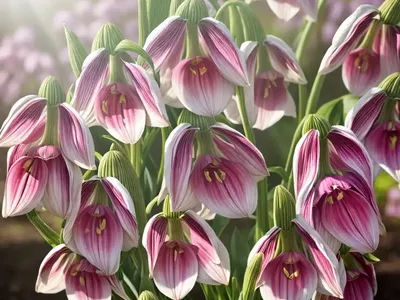
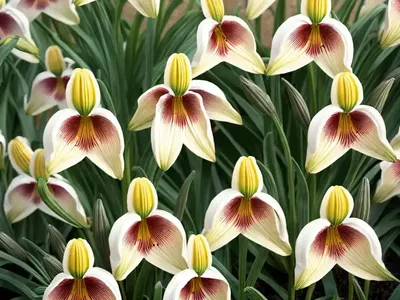
Fritillaria Persica ‘Ivory Bells’ (Persian Lily)
Fritillaria persica ‘Ivory Bells’ or Persian Lily is a stunning flowering plant that belongs to the Fritillaria genus, which is part of the Liliaceae.
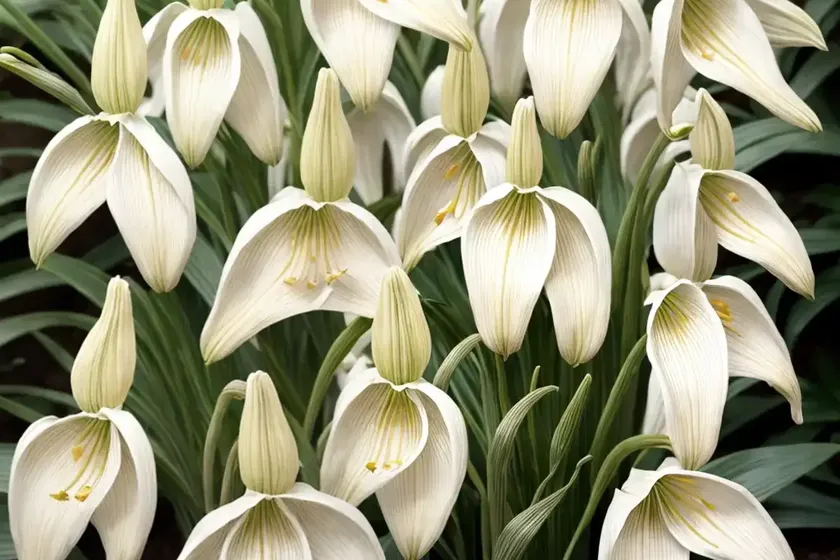
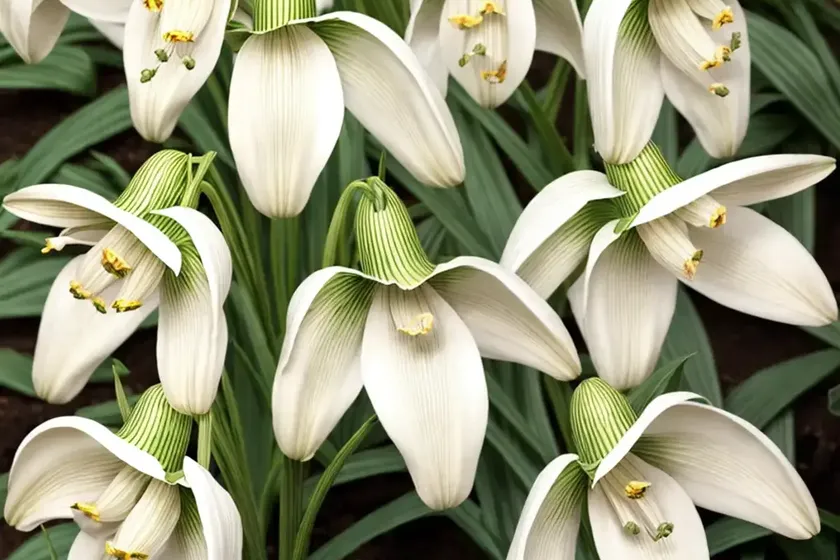
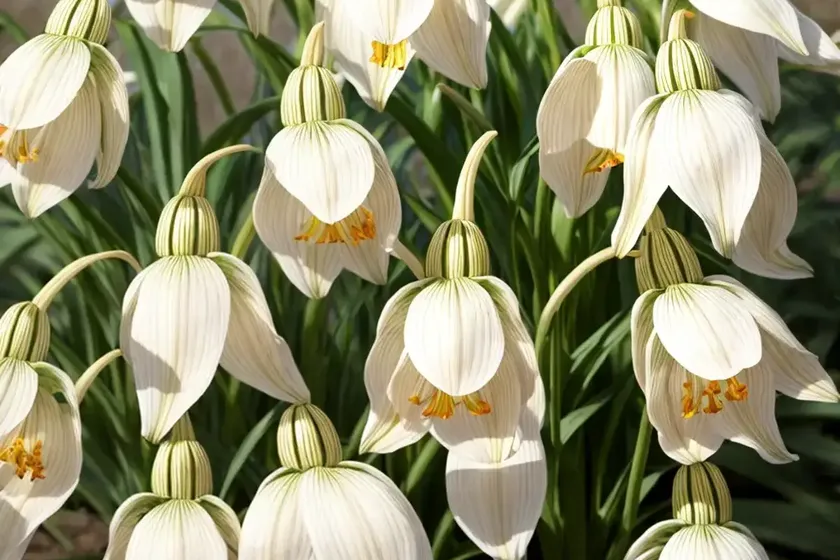
What is Plant: Fritillaria persica ‘Ivory Bells’ (Persian Lily)
Fritillaria persica ‘Ivory Bells’ or Persian Lily is a stunning flowering plant that belongs to the Fritillaria genus, which is part of the Liliaceae family. This plant is native to the Middle East and is particularly prevalent in regions such as Iran, Iraq, and Turkey. The ‘Ivory Bells’ variety is renowned for its elegant and bell-shaped ivory-white flowers that add a touch of beauty to any garden or landscape.
Key Takeaways – Fritillaria persica ‘Ivory Bells’ (Persian Lily)
Before delving into the details of the cultivation, care, and maintenance of the Fritillaria persica ‘Ivory Bells’, let’s overview the key takeaways of this majestic plant:
- Common Name: Persian Lily ‘Ivory Bells’
- Genus: Fritillaria
- Species: persica
- Variety: ‘Ivory Bells’
- Family: Liliaceae
- Native Habitat: Middle East, particularly Iran, Iraq, and Turkey
- Flower Color: Ivory-white
- Flowering Season: Spring
- Average Height: 24-36 inches (60-90 cm)
- Uses: Ornamental, cut flower, garden focal point
Now, let’s dive into the details of cultivating and caring for the stunning Fritillaria persica ‘Ivory Bells’.
Culture
Understanding the cultural requirements of Fritillaria persica ‘Ivory Bells’ is crucial for successfully cultivating and maintaining these plants. This encompasses various aspects such as a suitable climate, soil conditions, and sunlight exposure.
Climate
Fritillaria persica ‘Ivory Bells’ thrives in regions with a Mediterranean climate, characterized by hot, dry summers and mild, wet winters. However, it can adapt to a range of climates, provided it is given the necessary care and attention. This plant is well-suited to USDA hardiness zones 5-8.
Uses
The Persian Lily ‘Ivory Bells’ is primarily cultivated for ornamental purposes. Its graceful appearance and captivating flowers make it a popular choice for adding visual interest to gardens, borders, and rockeries. Additionally, the elegant blooms of ‘Ivory Bells’ make exquisite cut flowers for floral arrangements.
Water
When it comes to watering Fritillaria persica ‘Ivory Bells’, it is essential to strike a balance. In general, these plants prefer moderately moist soil during their active growth phase but are quite tolerant of dry conditions when they are dormant.
During the growing season, it is best to water the plants regularly, ensuring that the soil is consistently moist, but not waterlogged. As the flowering period approaches, reduce the watering frequency to prevent any waterlogged conditions that may lead to bulb rot.
Sunlight
Fritillaria persica ‘Ivory Bells’ thrives in full sun to partial shade. While they appreciate ample sunlight during their growing phase, they can also tolerate partial shade, making them versatile for various garden settings. However, it is crucial to provide adequate sunlight to ensure robust growth and prolific flowering.
Fertilizer
In order to support the growth and development of Fritillaria persica ‘Ivory Bells’, it is beneficial to provide them with a balanced fertilizer. In early spring, as the plants emerge from dormancy, a light application of a balanced slow-release fertilizer can aid in promoting healthy growth and abundant flowering. Furthermore, a top dressing of organic matter can enhance the soil quality and provide essential nutrients.
Soil
The soil requirements for Fritillaria persica ‘Ivory Bells’ are relatively straightforward. These plants thrive in well-draining, fertile soil with a slightly acidic to neutral pH. A loamy soil composition with good drainage is ideal for preventing waterlogging, which can be detrimental to the bulbs.
Pruning
When it comes to pruning Fritillaria persica ‘Ivory Bells’, minimal intervention is generally required. After the flowering period, you can deadhead any spent blooms to encourage the plant to channel its energy into bulb development rather than seed production. Additionally, as the foliage begins to wither and turn yellow, you can trim it back to ground level, allowing the bulbs to enter dormancy.
Propagation
Propagating Fritillaria persica ‘Ivory Bells’ can be achieved through various methods such as division, offsets, and seed propagation.
Division
Dividing the bulbs is a common and effective method of propagating Fritillaria persica ‘Ivory Bells’. The best time to divide the bulbs is during their dormant phase, which typically occurs in late summer or early autumn. Carefully lift the bulbs from the ground, separate the offsets, and replant them at the appropriate spacing.
Offset Bulbils
These are small bulbs that develop alongside the main bulbs of Fritillaria persica ‘Ivory Bells’. Once the bulbils have matured and developed their own roots, they can be carefully detached from the parent bulb and replanted in a suitable location.
Seed Propagation
Growing Fritillaria persica ‘Ivory Bells’ from seeds can be a rewarding but time-consuming process. Collect the ripe seeds after the flowering period and sow them in a well-prepared seed bed. It is important to note that Fritillaria persica ‘Ivory Bells’ grown from seed may take several years to mature and produce flowers.
Container Popularity
While Fritillaria persica ‘Ivory Bells’ can be grown in containers, it is important to choose a container with sufficient depth to accommodate the long roots of the plant. Additionally, the potting mix should mimic the well-draining and fertile soil that is suitable for in-ground cultivation.
Container Common Diseases
When growing Fritillaria persica ‘Ivory Bells’ in containers, it is essential to be mindful of potential diseases that can affect these plants:
- Botrytis Blight: This fungal disease can lead to the development of gray mold on the foliage and flowers, particularly in humid conditions.
- Bulb Rot: Excessive moisture and poor drainage can cause the bulbs to rot, leading to stunted growth and poor flowering.
Disease Diagnosis
In diagnosing diseases affecting Fritillaria persica ‘Ivory Bells’, it is crucial to closely observe the plants for any signs of discoloration, wilting, or unusual growth. If disease symptoms are present, swift action is necessary to mitigate the spread and impact on the plants.
Common Pests
While Fritillaria persica ‘Ivory Bells’ is relatively resistant to pests, there are a few potential culprits that gardeners should watch out for:
- Bulb Mites: These tiny pests can infest the bulbs, leading to distorted growth and diminished vigor.
- Slugs and Snails: These common garden pests can feed on the foliage and flowers of Fritillaria persica ‘Ivory Bells’, causing significant damage.
Botanist’s Tips
For those looking to cultivate Fritillaria persica ‘Ivory Bells’ successfully, here are some expert tips to consider:
- Select a well-draining location or amend the soil to improve drainage, as excess moisture can lead to bulb rot.
- Ensure adequate sunlight exposure, as this is essential for robust growth and prolific flowering.
- Monitor the plants for any signs of pests or diseases and take proactive measures to address any issues promptly.
- Consider planting Fritillaria persica ‘Ivory Bells’ in groupings or clusters to create a striking visual impact in the garden.
Fun Facts
- Historically, Fritillaria species were known for their medicinal properties and were used in traditional herbal remedies.
- The bell-shaped flowers of Fritillaria persica ‘Ivory Bells’ are particularly attractive to pollinators such as bees and butterflies.
Links to External Resources
To further expand your knowledge and understanding of Fritillaria persica ‘Ivory Bells’, consider exploring the following external resources:
- Royal Horticultural Society – Fritillaria persica
- Missouri Botanical Garden – Fritillaria
- American Society for the Prevention of Cruelty to Plants – Growing Fritillaria
In conclusion, Fritillaria persica ‘Ivory Bells’ is a captivating plant with its elegant, ivory-white flowers and graceful stature. By understanding and fulfilling its cultural requirements, the Persian Lily ‘Ivory Bells’ can flourish in a garden setting, adding beauty and allure to any landscape. Whether grown in the ground or in containers, the charm of Fritillaria persica ‘Ivory Bells’ is sure to captivate any gardening enthusiast.
Keywords: Fritillaria persica ‘Ivory Bells’ care, Persian Lily ‘Ivory Bells’, Growing Fritillaria persica ‘Ivory Bells’, Fritillaria persica ‘Ivory Bells’ planting guide, Persian Lily bulbs, How to grow Persian Lily ‘Ivory Bells’, Fritillaria persica ‘Ivory Bells’ cultivation, Persian Lily ‘Ivory Bells’ characteristics, Tips for growing Fritillaria persica ‘Ivory Bells’, Fritillaria persica ‘Ivory Bells’ flower care, Persian Lily ‘Ivory Bells’ varieties, Soil requirements for Fritillaria persica ‘Ivory Bells’, Fritillaria persica ‘Ivory Bells’ sunlight needs, Persian Lily ‘Ivory Bells’ propagation methods, Watering Fritillaria persica ‘Ivory Bells’, How to divide Persian Lily ‘Ivory Bells’, Fritillaria persica ‘Ivory Bells’ pest and disease control, Persian Lily ‘Ivory Bells’ companion plants, Fritillaria persica ‘Ivory Bells’ flower facts, Persian Lily ‘Ivory Bells’ gardening tips.