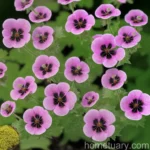
Geranium psilostemon (Armenian Cranesbill): A Complete Guide for Plant Enthusiasts
Geranium psilostemon, commonly known as Armenian Cranesbill, is a charming perennial plant that has gained popularity among gardeners and landscape enthusiasts. Its vibrant magenta flowers and ornamental foliage make it a valuable addition to any garden or landscape. In this comprehensive guide, we will explore the various aspects of Geranium psilostemon, including its cultural requirements, benefits, and potential uses in gardening and beyond.
What is Geranium psilostemon?
Geranium psilostemon is a species of hardy geranium native to the Caucasus region, particularly Armenia and Turkey. It is a member of the Geraniaceae family, which includes a diverse group of flowering plants commonly known as cranesbills due to the shape of their seedpods.
This species is valued for its vigorous growth habit, attractive foliage, and striking flowers, making it a popular choice for borders, rock gardens, and naturalistic plantings. With the right care, Geranium psilostemon can thrive and provide an eye-catching display of color in various garden settings.
Key Takeaways – Geranium psilostemon (Armenian Cranesbill)
Before delving into the detailed care and maintenance guidelines, let’s highlight some key takeaways about Geranium psilostemon:
- Botanical Name: Geranium psilostemon
- Common Name: Armenian Cranesbill
- Family: Geraniaceae
- Native Habitat: Caucasus region, particularly Armenia and Turkey
- Growth Habit: Clump-forming perennial
- Flower Color: Vibrant magenta with dark veins
- Foliage: Deeply cut, lobed leaves with attractive fall colors
- Preferred Growing Conditions: Well-draining soil, ample sunlight, and moderate water availability
- Landscape Uses: Borders, rock gardens, naturalistic plantings, and cottage gardens
- Special Features: Drought-tolerant, attracts pollinators, and adds vibrant color to the landscape
Now that we have an overview of Geranium psilostemon, let’s explore the specific cultural requirements and best practices for growing and caring for this captivating plant.
Culture
Understanding the cultural preferences of Geranium psilostemon is essential for creating an environment where this plant can thrive and express its full ornamental potential. From sunlight exposure to soil quality, each aspect plays a crucial role in shaping the plant’s overall health and vigor.
Uses
Geranium psilostemon is highly versatile and can be used in various garden settings and landscaping projects. Its ornamental value, coupled with its adaptability, makes it a sought-after plant for a range of purposes. Some common uses of Geranium psilostemon include:
- Borders: The bold flowers and foliage of Geranium psilostemon make it an excellent choice for defining borders and creating visual interest along garden edges.
- Rock Gardens: Its compact growth habit and drought tolerance make Geranium psilostemon well-suited for rock gardens, where it can thrive in well-draining soil and receive ample sunlight.
- Naturalistic Plantings: In more informal or wild garden settings, Geranium psilostemon adds a touch of wild beauty and attracts pollinators, contributing to the overall biodiversity of the landscape.
- Cottage Gardens: With its old-fashioned charm and robust growth, Geranium psilostemon complements the relaxed and casual atmosphere of cottage gardens, where it can mingle with other traditional garden favorites.
- Mixed Borders: This versatile plant lends itself well to mixed borders, where its long flowering period and attractive foliage can enhance the overall aesthetics of the planting scheme.
With its wide range of potential uses, Geranium psilostemon is a valuable addition to any garden, offering both ornamental beauty and functional benefits.
Water
Understanding the water requirements of Geranium psilostemon is crucial for maintaining its health and promoting optimal growth. While this plant is relatively drought-tolerant once established, it still benefits from regular watering, especially during periods of prolonged dryness.
Water Requirements:
– Geranium psilostemon prefers moderately moist soil during the growing season, but it can tolerate short periods of drought once established.
– Water deeply and infrequently, allowing the soil to dry out slightly between waterings. Avoid overwatering, as this can lead to root rot and other issues.
– During extended dry spells, particularly in the heat of summer, provide supplemental watering to ensure the plant’s vitality and floral display.
Sunlight
Proper sunlight exposure is essential for the growth, flowering, and overall health of Geranium psilostemon. Understanding the plant’s sunlight preferences enables gardeners to position it in the optimal location within the landscape.
Sunlight Requirements:
– Geranium psilostemon thrives in full sun to partial shade, with a preference for at least 6 hours of direct sunlight per day.
– In regions with hot summers, partial shade during the peak of the day can help protect the plant from excessive heat and sunburn.
– Adequate sunlight exposure promotes robust growth, vibrant flower colors, and an abundance of blooms throughout the growing season.
Fertilizer
Proper nutrition is essential for supporting the growth, flowering, and overall vigor of Geranium psilostemon. While this plant is relatively low-maintenance, it benefits from periodic fertilization to ensure it has access to essential nutrients.
Fertilizer Recommendations:
– In early spring, apply a balanced, slow-release fertilizer formulated for flowering perennials. Follow the manufacturer’s instructions for application rates and methods.
– Avoid excessive nitrogen, as this can lead to lush foliage at the expense of flower production.
– Consider top-dressing the soil around the plant with a layer of compost or well-aged manure in spring to provide a gentle, organic boost to the soil fertility.
Soil
The quality and composition of the soil directly impact the growth, flowering, and overall performance of Geranium psilostemon. Understanding the plant’s soil preferences enables gardeners to create an optimal growing environment that encourages healthy development.
Soil Preferences:
– Well-draining soil is essential for Geranium psilostemon, as it is susceptible to root rot in saturated or waterlogged conditions.
– A loamy, fertile soil with good organic content provides an ideal growing medium for this plant. Incorporating compost into the soil at planting time can improve its structure and nutrient content.
– While Geranium psilostemon can tolerate a range of soil types, it thrives in soil that is moderately moist and rich in organic matter.
Pruning
Proper pruning promotes tidiness, encourages a bushy growth habit, and helps maintain the overall health and vitality of Geranium psilostemon. Regular pruning and deadheading also contribute to prolonged flowering and an attractive appearance.
Pruning Guidelines:
– Throughout the growing season, remove spent flowers to encourage the production of new blooms and prevent the plant from diverting energy into seed production.
– In late fall or early spring, cut back the foliage to ground level to rejuvenate the plant and stimulate fresh growth.
– Remove any damaged, diseased, or dead foliage as soon as it is noticed to maintain the plant’s overall appearance and prevent the spread of diseases.
Propagation
Propagating Geranium psilostemon allows gardeners to expand their plantings, share the beauty of this species with others, and rejuvenate older specimens. Understanding the various propagation methods empowers enthusiasts to multiply their plant stock effectively.
Propagation Techniques:
– Division: In early spring or fall, divide mature clumps of Geranium psilostemon by carefully separating the root mass into smaller sections, each containing several shoots and roots. Replant the divisions in prepared soil, and provide adequate water and aftercare.
– Cuttings: Take stem tip cuttings in late spring or early summer, ensuring each cutting has several nodes and a healthy leaf. Dip the cut ends in a rooting hormone, and place the cuttings in a well-draining rooting medium. Enclose the container in a plastic bag to maintain high humidity, and provide gentle bottom heat if possible.
Container Popularity
Geranium psilostemon is a popular choice for container gardening, offering its vibrant colors and ornamental foliage to enhance outdoor living spaces, patios, and balconies. Its adaptability and low-maintenance nature make it well-suited for container culture, provided that certain guidelines are followed.
Container Gardening Tips:
– Choose a large, well-draining container to accommodate the plant’s root system and provide ample growing space.
– Use a high-quality potting mix that offers good drainage and aeration while retaining sufficient moisture for the plant’s needs.
– Position the container in a location that receives at least 6 hours of sunlight per day, adjusting as needed to protect the plant from excessive heat and sunburn.
– Water the container-grown Geranium psilostemon regularly, ensuring that the soil remains consistently moist but not waterlogged.
– Fertilize the plant with a balanced, water-soluble fertilizer according to the manufacturer’s recommendations, adjusting the feeding schedule to promote healthy growth and flowering.
Common Diseases
While Geranium psilostemon is generally resilient and disease-resistant, it can fall prey to certain fungal infections and issues under adverse growing conditions. Familiarizing oneself with common diseases and their symptoms enables prompt intervention and effective management strategies.
Disease Diagnosis:
– Powdery Mildew: Identified by a powdery white coating on the plant’s foliage, powdery mildew can affect Geranium psilostemon, particularly in humid or poorly ventilated conditions.
– Botrytis Blight: This fungal disease causes browning, wilting, and stem lesions on the plant, often manifesting in rainy or excessively moist conditions.
– Root Rot: Soggy, waterlogged soil can lead to root rot, resulting in yellowing, wilting, and eventual collapse of the plant.
Common Pests
Geranium psilostemon is relatively resistant to pest infestations, but certain insects may pose a threat under specific circumstances. Vigilance and early detection are key to preventing pest-related damage and preserving the plant’s health.
Common Pests:
– Aphids: These tiny, soft-bodied insects may congregate on the tender new growth of Geranium psilostemon, sucking sap and causing distorted foliage.
– Spider Mites: Under hot, dry conditions, spider mites may infest the plant, leading to stippled, discolored foliage and a decline in overall health.
– Slugs and Snails: These mollusks can feed on the leaves and tender shoots of Geranium psilostemon, particularly in wet or humid weather.
Botanist’s Tips
As a plant enthusiast or gardener, here are some additional tips and insights to help you successfully grow and enjoy Geranium psilostemon in your garden:
- Companion Planting: Pair Geranium psilostemon with other pollinator-friendly plants such as Echinacea, Salvia, and Nepeta to create a vibrant, wildlife-friendly garden.
- Mulching: Apply a layer of organic mulch around the base of the plant to conserve soil moisture, suppress weeds, and insulate the root zone during temperature fluctuations.
- Overwintering: In regions with harsh winters, provide a layer of mulch or straw to protect the plant’s root zone from freezing temperatures and frost heaving.
- Wildlife Benefits: Embrace Geranium psilostemon for its role in supporting local wildlife, including pollinators such as bees and butterflies that are attracted to the nectar-rich flowers.
Fun Facts
Uncover some engaging and lesser-known facts about Geranium psilostemon that further highlight its appeal and ecological significance:
- Geranium psilostemon has a long blooming period, often extending from late spring to early fall, providing ongoing visual interest in the garden.
- The plant’s specific epithet, “psilostemon,” is derived from the Greek words “psilos” (naked) and “stemon” (stamen), alluding to the prominent exposed stamens of its flowers.
- Geranium psilostemon is known for its reliable performance in challenging conditions, making it a resilient and adaptable choice for various garden settings.
- In addition to its ornamental value, Geranium psilostemon has been traditionally used for its potential medicinal properties, especially in herbal remedies and traditional medicine practices.
- When planted in drifts or massed plantings, Geranium psilostemon creates a stunning display of color and texture, adding visual impact to the landscape.
Links to External Resources
For further exploration of Geranium psilostemon, including in-depth care guidelines, historical significance, and specialized uses, consider consulting the following external resources:
- Royal Horticultural Society – Geranium psilostemon
- Missouri Botanical Garden – Geranium psilostemon
- University of Vermont Extension – Armenian Cranesbill
- Plant Heritage – Geranium psilostemon Conservation
- The Hardy Geranium – Geranium psilostemon Overview
In conclusion, Geranium psilostemon (Armenian Cranesbill) holds significant appeal and value for gardeners, landscape designers, and nature enthusiasts alike. Its resilient nature, vibrant flowers, and multiple uses make it a prized addition to diverse garden settings, encouraging biodiversity and fostering visual interest throughout the growing season. By embracing the cultural recommendations and insights outlined in this guide, you can cultivate and appreciate the beauty of Geranium psilostemon in your own garden, creating a lasting impact on both the landscape and its inhabitants.