Garden Phlox (Phlox Paniculata ‘Empty Feelings’)
Garden phlox, scientifically known as Phlox paniculata ‘Empty Feelings’, is a stunning perennial plant that has gained popularity among gardeners for its.
Introduction
Garden phlox, scientifically known as Phlox paniculata ‘Empty Feelings’, is a stunning perennial plant that has gained popularity among gardeners for its vibrant and fragrant flowers. In this comprehensive guide, we will delve into the culture, uses, care, diseases, pests, and propagation of garden phlox. By the end of this article, you will have a thorough understanding of how to grow and care for this beautiful plant in your garden.
What is Garden Phlox (Phlox paniculata ‘Empty Feelings’)?
Garden phlox, also known as summer phlox, is a species of flowering plant in the family Polemoniaceae. It is native to parts of the United States and Canada and is prized for its attractive clusters of fragrant flowers. The cultivar ‘Empty Feelings’ is a specific variety known for its unique characteristics and stunning bloom. Garden phlox is a popular choice for garden borders, cottage gardens, and pollinator-friendly landscapes due to its long-lasting, colorful blooms and its ability to attract butterflies and hummingbirds.
Key Takeaways – Garden Phlox (Phlox paniculata ‘Empty Feelings’)
Culture
- Hardiness: Zones 4 to 8
- Mature Height: 2 to 4 feet
- Bloom Time: Late spring to late summer
- Watering: Moderate
- Soil Type: Well-drained, fertile soil
Uses
- Garden Borders: Garden phlox creates stunning borders with its vibrant colors.
- Cut Flowers: The flowers can be used in floral arrangements.
Water
- Maintain moderate soil moisture.
- Water deeply when the soil is dry to the touch.
Sunlight
- Full Sun: 6 to 8 hours of direct sunlight.
- Partial Shade: Tolerates partial shade but may result in fewer flowers.
Fertilizer
- Apply a balanced fertilizer in early spring.
Soil
- Well-drained, fertile soil with a slightly acidic to neutral pH.
Pruning
- Deadhead spent blooms to encourage prolonged flowering.
- Cut back the foliage in late fall or early spring.
Propagation
- Divide mature clumps in early spring.
- Take stem cuttings in late spring or early summer.
Container Popularity
- Suitable for growing in containers.
Common Diseases
- Powdery Mildew: Common in humid conditions.
- Botrytis Blight: Caused by a fungus in cool, wet weather.
Disease Diagnosis
- Look for powdery white spots on leaves for powdery mildew.
- Gray mold on flowers and buds may indicate botrytis blight.
Common Pests
- Spider Mites: Tiny pests that can cause leaf stippling.
- Leafhoppers: They may cause stippling on leaves as well.
Botanist’s Tips
- Regular deadheading can promote prolonged blooms.
- Avoid overhead watering to prevent foliar diseases.
Fun Facts
- The name “phlox” is derived from the Greek word for flame, symbolizing the bright, fiery colors of the flowers.
Garden Phlox Varieties
The world of garden phlox offers a diverse array of varieties, each with its own unique characteristics and colors. Some popular garden phlox varieties include:
- Phlox paniculata ‘David’: Features pure white flowers and strong disease resistance.
- Phlox paniculata ‘Blue Paradise’: Showcases striking lavender-blue flowers.
- Phlox paniculata ‘Nicky’: Produces rich, magenta-colored blooms.
- Phlox paniculata ‘Bright Eyes’: Displays soft pink flowers with a dark pink eye.
- Phlox paniculata ‘David’s Lavender’: Boasts delicate lavender blossoms.
Phlox paniculata ‘Empty Feelings’
The cultivar ‘Empty Feelings’ is a captivating variety of garden phlox known for its unique flower color and striking appearance. It features:
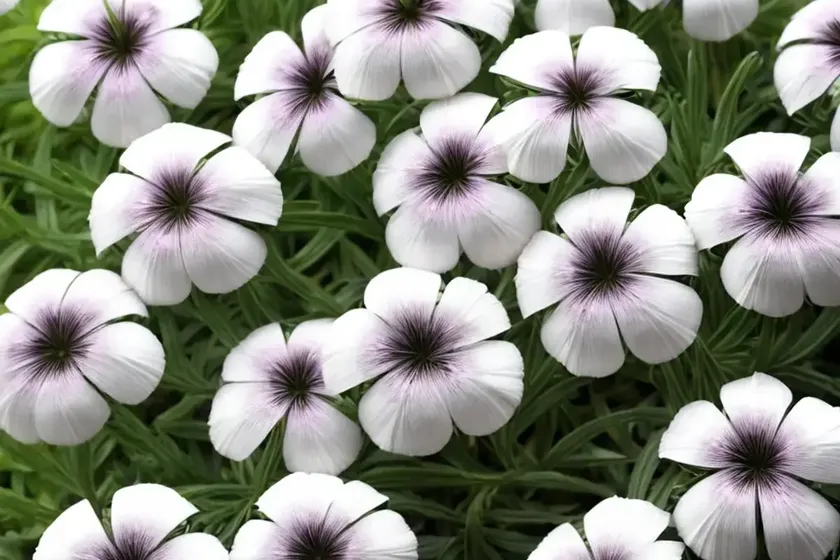
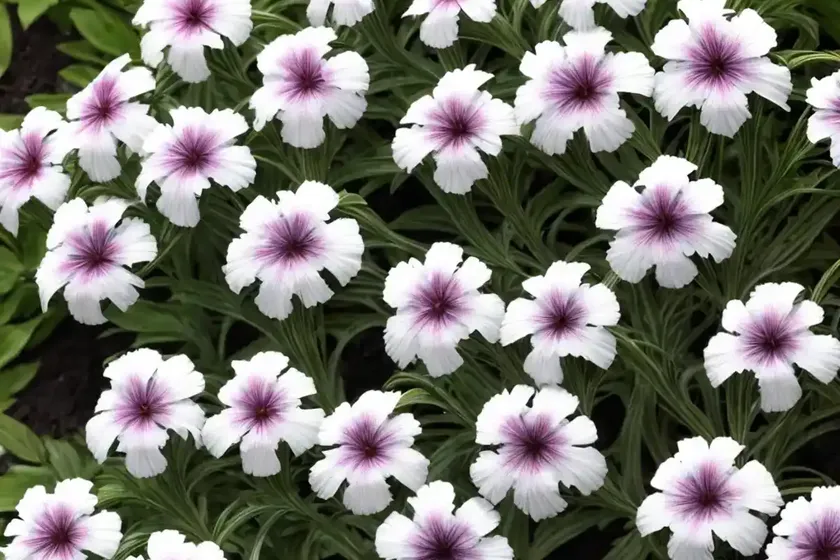
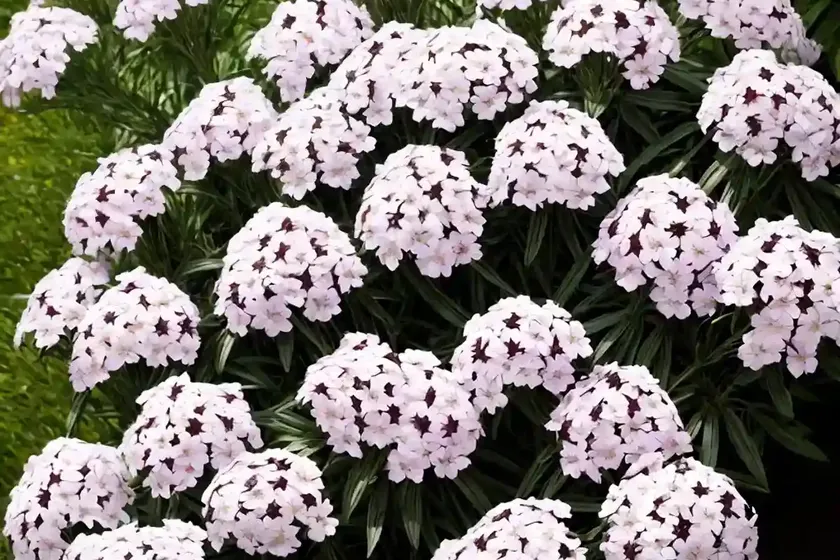
- Flower Color: A distinctive blend of lavender-pink with a white starburst center.
- Height: Reaches a mature height of 24 to 36 inches.
- Bloom Time: Produces vibrant flowers from midsummer to early fall.
- Fragrance: Exhibits a delightful, sweet fragrance.
Growing Garden Phlox
Best Conditions for Garden Phlox
For optimal growth and abundant blooms, garden phlox thrives in the following conditions:
- Sunlight: Plant in a location with full sun exposure for at least 6 to 8 hours daily.
- Soil: Well-drained, fertile soil with a slightly acidic to neutral pH.
- Watering: Maintain moderate soil moisture, ensuring the plant is not waterlogged.
- Pruning: Regular deadheading and light pruning help promote continuous flowering and a tidy appearance.
Planting Garden Phlox
When planting garden phlox:
- Spacing: Space plants 18 to 24 inches apart to allow for adequate air circulation.
- Depth: Plant at the same depth as the pot it comes in, ensuring the crown is not buried.
Watering Requirements for Phlox paniculata
- Water deeply when the top inch of soil is dry to the touch.
- Avoid overhead watering to prevent foliar diseases such as powdery mildew.
Sunlight Needs for Garden Phlox
- Full Sun: Ideal for vibrant blooms and sturdy growth.
- Partial Shade: Tolerated, but may result in reduced flowering.
Phlox paniculata Planting Tips
- Plant in well-draining soil to prevent waterlogged conditions.
- Incorporate organic matter into the soil for added fertility.
Phlox paniculata Care
Pruning Phlox paniculata
Pruning garden phlox is essential for promoting vigorous growth and prolonged blooming. Follow these pruning tips:
- Deadheading: Regularly remove spent blooms to encourage continued flowering.
- Fall Cleanup: Cut back the foliage in late fall or early spring to promote new growth.
Disease-Resistant Phlox Varieties
Selecting disease-resistant phlox varieties can help prevent common foliar diseases, such as powdery mildew and botrytis blight. Look for resistant cultivars like Phlox paniculata ‘David’ and ‘Jeana’ to minimize disease issues.
Attracting Pollinators with Phlox
Garden phlox is a valuable addition to pollinator-friendly gardens, attracting butterflies, bees, and hummingbirds with its nectar-rich blooms. Incorporating phlox into your garden can contribute to a thriving ecosystem and support pollinator populations.
Hardy Phlox for Landscapes
Garden phlox is a hardy perennial plant suitable for various landscapes and garden settings, offering enduring beauty and color from late spring to late summer.
Phlox paniculata Blooming Season
The blooming season for garden phlox typically extends from midsummer to early fall, presenting an extended period of floral display in the garden.
Companion Plants for Garden Phlox
Complement your garden phlox with the following companion plants:
- Daylilies (Hemerocallis): With their diverse colors and extended bloom time.
- Salvia: Adds vertical interest and complements phlox’s lower mounding form.
- Russian Sage (Perovskia atriplicifolia): Offers a striking contrast with its aromatic, silvery foliage.
Perennial Phlox for Gardens
Low-Maintenance Phlox for Gardens
Garden phlox is relatively low-maintenance, requiring minimal care once established. Its resilience and enduring blooms make it an excellent choice for gardeners seeking low-maintenance perennials.
Soil Preferences for Phlox paniculata
To ensure the best growing conditions for garden phlox, plant it in well-drained, fertile soil with a slightly acidic to neutral pH. Amending the soil with organic matter enhances its fertility.
Phlox paniculata Propagation Methods
Propagate garden phlox through the following methods:
- Division: Divide mature clumps in early spring for vigorous growth and rejuvenation.
- Cuttings: Take stem cuttings in late spring or early summer for propagation.
Common Pests of Garden Phlox
Garden phlox may encounter the following pests:
- Spider Mites: Look for stippling on leaves and use insecticidal soap for control.
- Leafhoppers: These pests can cause similar stippling damage and can be managed with insecticidal sprays.
Fragrant Phlox Varieties
Certain garden phlox cultivars, including ‘Blue Paradise’ and ‘Eva Cullum’, offer delightful fragrances that enhance the sensory experience of the garden.
Benefits of Growing Phlox paniculata
Growing garden phlox offers numerous benefits, including:
- Long-Lasting Blooms: Enjoy vibrant blooms from midsummer to early fall.
- Attracting Pollinators: The nectar-rich flowers entice butterflies, bees, and hummingbirds.
- Low-Maintenance: Once established, garden phlox requires minimal care.
Popular Uses of Phlox paniculata ‘Empty Feelings’
Phlox paniculata as a Cut Flower
The striking blooms of Phlox paniculata ‘Empty Feelings’ make it an excellent cut flower for floral arrangements and bouquets, adding a touch of elegance and color to indoor spaces.
Drought-Tolerant Phlox Varieties
While garden phlox thrives in moderately moist soil, certain varieties, such as ‘Jeana’, exhibit increased drought tolerance, making them suitable for drier garden settings.
Phlox paniculata Disease Prevention
To prevent foliar diseases in garden phlox:
- Air Circulation: Provide adequate spacing between plants for good air circulation.
- Avoid Overhead Watering: Minimize moisture on the foliage to reduce the risk of foliar diseases.
Pest Control for Garden Phlox
Controlling pests on garden phlox involves:
- Monitoring for pest activity, particularly spider mites and leafhoppers.
- Employing integrated pest management strategies for effective pest control.
Vibrant Phlox paniculata Colors
Phlox paniculata ‘Empty Feelings’ showcases a unique blend of lavender-pink with a white starburst center, adding vibrant, eye-catching color to garden beds and borders.
Companion Plants for Phlox paniculata ‘Empty Feelings’
When designing a garden with Phlox paniculata ‘Empty Feelings’, consider pairing it with the following companion plants:
- Rudbeckia (Black-Eyed Susan): Offers bold yellow blooms and contrasting color.
- Coreopsis: Presents cheerful yellow or pink flowers that complement the phlox’s hues.
- Allium: Adds vertical interest and visual appeal with globe-shaped flower clusters.
Tips for Successful Phlox paniculata Transplanting
When transplanting garden phlox:
- Choose the Right Timing: Opt for early spring or early fall for successful transplanting.
- Prepare the Soil: Amend the soil with organic matter for added fertility and plant vigor.
Best USDA Zones for Garden Phlox
Garden phlox, including Phlox paniculata ‘Empty Feelings’, thrives in USDA Hardiness Zones 4 to 8, making it suitable for a wide geographic range in the United States.
Phlox paniculata for Butterfly Gardens
Create a welcoming habitat for butterflies by incorporating Phlox paniculata ‘Empty Feelings’ into butterfly gardens, attracting these enchanting winged visitors with its nectar-rich blooms.
Native Phlox Varieties for Eco-Friendly Gardens
Choosing native phlox varieties promotes eco-friendly gardening practices, supporting local ecosystems and wildlife with plants that are well-adapted to the region.
Phlox paniculata for Shady Areas
While garden phlox thrives in full sun, certain varieties, such as ‘Morris Berd’, are tolerant of partial shade, making them suitable for shaded garden spots and woodland settings.
Early Blooming Phlox Varieties
Early blooming phlox varieties, including ‘Blue Paradise’ and ‘Nicky’, offer an extended blooming season from late spring into early summer, adding early-season color to the garden.
Phlox paniculata for Rock Gardens
The compact form and vibrant blooms of garden phlox, such as ‘Shortwood’, make it a suitable addition to rock gardens and cascading over rock walls, adding vivid color and texture.
Long-Lasting Blooms of Garden Phlox
Garden phlox exhibits long-lasting blooms from midsummer to early fall, providing enduring color and beauty throughout the growing season.
Conclusion
Garden phlox, especially the captivating variety Phlox paniculata ‘Empty Feelings’, is a valuable addition to any garden, offering enduring beauty, vibrant colors, and the ability to attract pollinators. By understanding the cultural requirements, uses, propagation methods, and pest and disease management strategies for garden phlox, you can cultivate and enjoy this stunning perennial with confidence. Whether adorning garden borders, cut flower arrangements, or attracting butterflies, Phlox paniculata ‘Empty Feelings’ has much to offer to garden enthusiasts and nature lovers alike.
Continue reading about Garden Phlox
References
- Missouri Botanical Garden. (n.d.). Phlox paniculata. Missouri Botanical Garden. https://www.missouribotanicalgarden.org/PlantFinder/PlantFinderDetails.aspx?kempercode=b510
- National Gardening Association. (2021, March 2). Growing Garden Phlox. https://garden.org/plants/group/phlox/
- The Ohio State University. (n.d.). Powdery Mildew of Phlox. https://ohioline.osu.edu/factsheet/plpath-gen-4
- University of Vermont Extension Department of Plant and Soil Science. (n.d.). Common Problems of Phlox. https://pss.uvm.edu/ppp/articles/phloxmg.html
- University of Florida IFAS Extension. (2021, January). Phlox spp. Phlox. https://edis.ifas.ufl.edu/mg318


