Garden Phlox (Phlox Paniculata)
Garden phlox, scientifically known as Phlox paniculata, is a charming perennial plant cherished for its colorful, fragrant blooms and its versatility in.
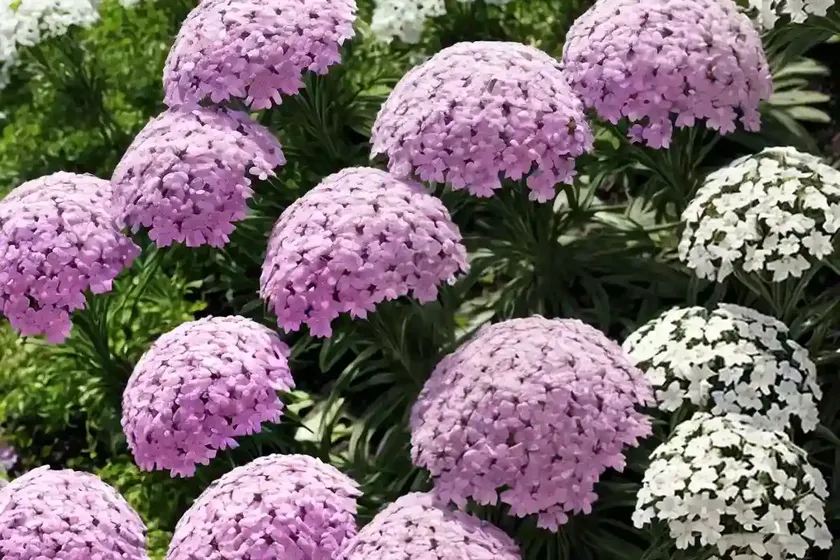
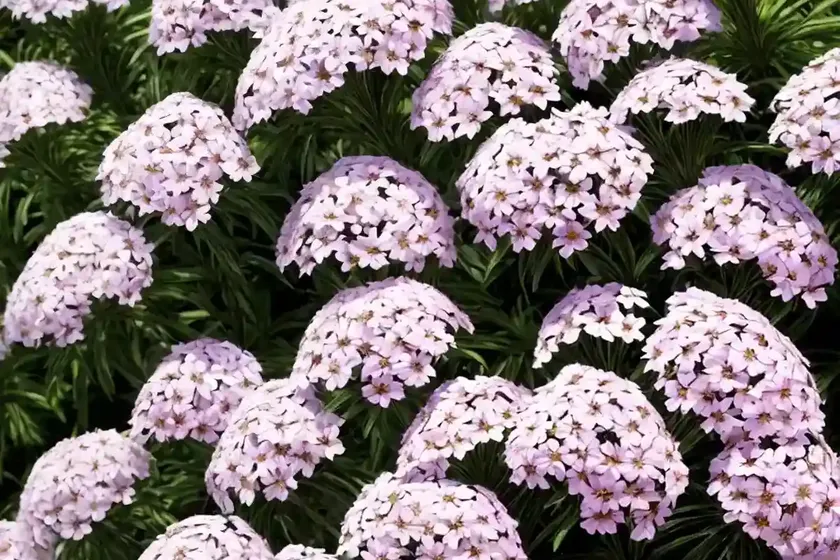
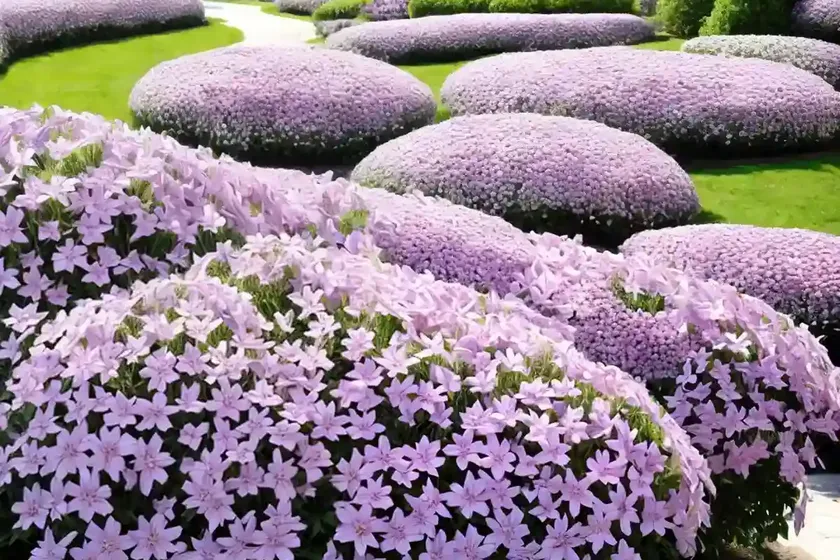
Garden phlox, scientifically known as Phlox paniculata, is a charming perennial plant cherished for its colorful, fragrant blooms and its versatility in landscaping. With a wide variety of cultivars available, this delightful plant is a favorite among gardeners for its low maintenance and ability to attract pollinators. In this comprehensive guide, we will delve into the key aspects of garden phlox care, including its culture, uses, ideal growing conditions, common diseases and pests, propagation, and much more.
What is Garden Phlox (Phlox paniculata)?
Phlox paniculata is a species of flowering plant in the family Polemoniaceae and is native to North America. It is commonly referred to as garden phlox and is valued for its clusters of vibrant, fragrant flowers that bloom in a variety of colors including pink, purple, red, white, and bi-colors. The plant typically grows to a height of 2 to 4 feet and has a spread of 1 to 3 feet. It is prized for its long-lasting summer blooms and its ability to attract butterflies and hummingbirds to the garden.
Key Takeaways – Garden Phlox (Phlox paniculata)
Culture
- Hardiness Zone: 4-8
- Life Cycle: Perennial
- Height: 2-4 feet
- Spread: 1-3 feet
- Bloom Time: Summer
- Fragrance: Some varieties have a delightful fragrance
- Attracts: Butterflies, hummingbirds, and pollinators
- Native: North America
Uses
- Landscaping: Borders, mixed borders, rock gardens
- Cut Flowers: Some varieties are suitable for cut flower arrangements
- Wildlife Gardens: Attracts butterflies and hummingbirds
Water
- Water Needs: Moderate
- Drought Tolerance: Some cultivars are more tolerant of dry conditions
Sunlight
- Sunlight Requirements: Full sun to partial shade
- Shade Tolerance: Some varieties are suitable for shaded areas
- Ideal Conditions: Well-draining soil with 6-8 hours of sunlight
Fertilizer
- Fertilization: Balanced fertilizer in spring
- Frequency: Once a year
Soil
- Soil Type: Well-draining, fertile soil
- pH: Slightly acidic to neutral (pH 6.0-7.0)
- Soil Amendments: Organic matter can improve soil structure
Pruning
- Pruning: Deadhead spent blooms to promote additional flowering
- Cut Back: In late spring/early summer to encourage bushier growth
Propagation
- Propagation: Division, stem cuttings
- Division Time: Early spring or early fall
Container Popularity
- Container Gardening: Suitable for large containers
Common Diseases
- Diseases: Powdery mildew, leaf blight, root rot
- Prevention: Proper air circulation and well-draining soil
- Treatment: Fungicides if necessary
Common Pests
- Pests: Spider mites, caterpillars
- Control: Insecticidal soap, neem oil
Botanist’s Tips
- Companion Plants: Pair with asters, ornamental grasses, coneflowers
- Winter Care: Mulch to protect roots during winter
- Attracting Pollinators: Consider planting near other pollinator-friendly plants
- Naturalizing: Some varieties are suitable for naturalizing in the garden
Fun Facts
- Fragrance Varieties: Some garden phlox cultivars have a delightful fragrance
- Deer-Resistant Varieties: Certain cultivars are less appealing to deer
- Native Species: Phlox paniculata is native to North America
Garden Phlox Varieties
Garden phlox has a wide array of varieties, each offering unique colors, heights, and growth habits. Whether you’re looking for a specific color to complement your garden palette or a particular height for your landscape design, there is a garden phlox variety to suit your needs. Some popular varieties include:
- Bright Eyes: Known for its pale pink flowers with a dark pink eye.
- David: A classic white-flowering variety with a good resistance to powdery mildew.
- Blue Paradise: Showcases stunning, fragrant lavender-blue flowers.
- Laura: Boasts large clusters of light purple flowers with a sweet fragrance.
- Nicky: Produces bold, magenta-colored blooms that are highly attractive to butterflies.
Phlox paniculata Care
Growing Garden Phlox
Garden phlox is relatively easy to grow, making it an excellent choice for both beginner and experienced gardeners. Here are some essential tips for successfully growing garden phlox:
- Planting: Choose a well-draining location with 6-8 hours of sunlight.
- Spacing: Space plants 18-24 inches apart to allow for good air circulation.
- Watering: Water deeply and consistently during the growing season.
- Fertilization: Apply a balanced fertilizer in spring to promote healthy growth and abundant blooms.
- Deadheading: Regularly remove spent blooms to encourage continuous flowering.
- Mulching: Mulch around the base of plants to conserve moisture and suppress weed growth.
Ideal Conditions for Garden Phlox
Garden phlox thrives in the right conditions, and providing an ideal environment will result in healthy, vigorous plants and abundant blooms. Here are the ideal conditions for growing garden phlox:
- Sunlight: 6-8 hours of direct sunlight is preferred, but some varieties can tolerate partial shade.
- Soil: Well-draining, fertile soil with a slightly acidic to neutral pH (6.0-7.0).
- Water: Moderate water needs; avoid waterlogged soil.
- Air Circulation: Good air circulation to prevent diseases.
Tips for Growing Phlox paniculata
- Invasive Roots: Consider planting in a confined area or using root barriers for aggressive varieties.
- Pest Vigilance: Regularly inspect plants for pests and signs of disease.
- Dividing: Divide plants every 3-4 years to maintain vigor and prevent overcrowding.
Summer-Flowering Garden Phlox
One of the key attributes of Phlox paniculata is its prolific summer blooming period. The plant bursts into a riot of color, adding vibrancy and beauty to the garden landscape. The summer-flowering nature of garden phlox makes it a valuable addition to any garden, bringing joy and visual interest during the warmer months.
Best Companion Plants for Phlox paniculata
Companion planting is an essential aspect of garden design, and choosing the right companion plants for your Phlox paniculata can enhance its beauty and highlight its best features. Here are some excellent companion plants that pair well with garden phlox:
- Echinacea (Coneflowers): Complement the tall, airy blooms of garden phlox with the daisy-like flowers of coneflowers.
- Coreopsis: Create a stunning display with the bright, cheery blooms of coreopsis alongside garden phlox.
- Salvia: Pair the vertical aspect of salvia blooms with the billowy clusters of garden phlox for a dynamic garden bed.
- Sedum: Add texture and interest with low-growing sedums that contrast beautifully with the upright growth of garden phlox.
Perennial Garden Phlox
As a perennial plant, Phlox paniculata returns year after year, delighting gardeners with its colorful blooms and easy-going nature. The longevity of garden phlox makes it a valuable addition to perennial beds and borders, offering reliable beauty and charm with minimal upkeep.
Phlox paniculata Propagation
How to Divide Garden Phlox
Dividing garden phlox is a straightforward process that helps rejuvenate the plants and prevent overcrowding. Division should be done every 3-4 years to maintain the vigor and health of the plants. Here’s a simple guide to dividing your garden phlox:
- Timing: Division is best done in early spring or early fall when the weather is cooler.
- Preparation: Water the phlox thoroughly a day before dividing to ensure the roots are well-hydrated.
- Digging: Carefully dig around the base of the plant to loosen the root ball.
- Division: Use a sharp, clean knife to divide the root ball into sections, each containing healthy shoots and roots.
- Replanting: Plant the divided sections in prepared, well-draining soil and water thoroughly.
Landscaping with Phlox paniculata
Phlox paniculata is a versatile plant that can be used in various landscaping settings to add beauty, color, and fragrance. Whether used in borders, mixed borders, rock gardens, or as a backdrop for other perennials, garden phlox makes a wonderful addition to any landscape design.
Phlox paniculata Fragrance
Several varieties of garden phlox are renowned for their delightful fragrance, adding an extra sensory dimension to the garden. The sweet, floral scent of fragrant phlox varieties enhances the garden experience and attracts pollinators such as butterflies and hummingbirds.
Attracting Pollinators with Garden Phlox
Garden phlox is a valuable addition to pollinator gardens, attracting butterflies, hummingbirds, and bees with its colorful, nectar-rich blooms. By planting garden phlox, you can create a vibrant, wildlife-friendly garden that supports and nourishes local pollinator populations.
Deer-Resistant Phlox Varieties
While no plant can be considered entirely deer-proof, certain varieties of Phlox paniculata have shown increased resistance to browsing by deer. If deer are a concern in your area, consider selecting deer-resistant phlox varieties to minimize potential damage to your garden.
Phlox paniculata Pests and Diseases
Common Diseases and Their Diagnosis
Phlox paniculata is susceptible to a few common diseases that can impact its overall health and appearance. Understanding these diseases and their early symptoms can aid in timely intervention and preventive measures to protect your garden phlox. The most prevalent diseases include:
- Powdery Mildew: White, powdery spots on leaves, stunting of growth.
- Leaf Blight: Dark spots on leaves, yellowing, and premature leaf drop.
- Root Rot: Wilting, yellowing, and stunted growth despite ample watering.
Disease Management and Treatment
- Preventive Measures: Provide good air circulation, avoid overhead watering, and ensure well-draining soil.
- Fungicides: Use fungicidal sprays at the first signs of disease to prevent further spread.
Common Pests and Their Control
Phlox paniculata can sometimes fall victim to various pests that can affect its growth and flowering. Vigilance is key to identifying and controlling these pests before they cause significant damage. The common pests include:
- Spider Mites: Fine webbing on leaves, stippling, and discoloration.
-
Caterpillars: Chewed leaves, frass (droppings) on leaves, and visible caterpillars.
-
Control Measures: Use insecticidal soap, neem oil, or botanical insecticides for effective control of pests.
Botanist’s Tips for Garden Phlox
Fun Facts
- Some cultivars of Phlox paniculata boast a delightful fragrance, adding another layer of appeal to these beautiful plants.
- Certain varieties of garden phlox are less appealing to deer, making them a suitable choice for gardens in deer-populated areas.
- Garden phlox is a native species of North America, adding ecological value to the garden landscape.
Links to External Resources
- The American Phlox Society
- Missouri Botanical Garden – Phlox paniculata
- Colorado State University Extension – Growing Phlox
- University of Florida IFAS Extension – Phlox Diseases
- University of Maryland Extension – Preventing Deer Damage
Conclusion
Phlox paniculata holds a special place in the hearts of gardeners due to its enchanting blooms, ease of care, and ability to attract pollinators. By following the guidelines outlined in this comprehensive guide, you can cultivate thriving garden phlox plants that contribute beauty, fragrance, and ecological value to your garden. Whether you’re a beginner or an experienced gardener, the allure of Phlox paniculata is sure to captivate you and enrich your garden with its vibrant presence.
Remember, as you care for your garden phlox, you are also nurturing a vital habitat for local wildlife and contributing to the rich tapestry of nature in your own backyard. Happy gardening, and may your garden phlox bloom abundantly for years to come!


