Fritillaria camschatcensis (Chocolate Lily) – A Plant Scientist’s Guide
As a plant scientist, I am enthusiastic about exploring the diverse world of plant species, and today, we will delve into the fascinating realm of Fritillaria camschatcensis, commonly known as the Chocolate Lily. In this comprehensive guide, we will uncover the cultural aspects, uses, water and sunlight requirements, fertilization techniques, soil conditions, pruning, propagation methods, and relevant tips for cultivating this extraordinary plant. Additionally, we will explore its popularity, common diseases and pests, interesting facts, and available resources for further reading. Let’s embark on this intriguing journey to understand and appreciate the Chocolate Lily.
What is Fritillaria camschatcensis (Chocolate Lily)?
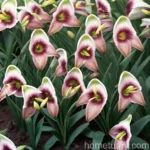
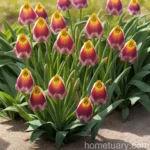
Fritillaria camschatcensis, also referred to as the Chocolate Lily, is a delightful spring-blooming perennial plant native to North America. This captivating species belongs to the Liliaceae family and is characterized by its unique, bell-shaped flowers and distinctive chocolate-like fragrance, which gives it the name “Chocolate Lily.” The plant typically produces one to three narrowly lanceolate leaves and an enchanting flower with deep purplish-brown petals.
The Chocolate Lily thrives in moist, well-drained soils and is often found in woodland habitats, making it a charming addition to naturalistic gardens or shady landscapes. This exquisite plant not only boasts ornamental appeal but also holds cultural, medicinal, and ecological significance. Let’s now explore the key takeaways for growing and nurturing Fritillaria camschatcensis.
Key Takeaways – Fritillaria camschatcensis (Chocolate Lily)
Culture
- Hardiness Zone: Fritillaria camschatcensis is typically suited for growing in USDA hardiness zones 5 to 8.
- Planting Season: The ideal period for planting Chocolate Lily bulbs is in autumn, allowing them to establish and develop roots before the arrival of spring.
Uses
- Ornamental Value: The charming and aromatic flowers of Fritillaria camschatcensis make it a valuable addition to gardens, borders, and naturalistic landscapes, adding a touch of elegance and intrigue.
- Cultural Significance: The Chocolate Lily holds cultural importance among indigenous communities, often featured in traditional ceremonies and utilized for its medicinal properties.
Water
- Watering Needs: While the Chocolate Lily appreciates moist conditions, it is essential to maintain well-drained soil to prevent waterlogging and root rot. Adequate moisture during the growing season, especially in spring, is vital for healthy foliage and flower development.
Sunlight
- Light Requirements: Fritillaria camschatcensis thrives in partial to full shade, making it an excellent choice for shaded gardens or woodland settings. Protection from intense midday sun is beneficial for its optimal growth and bloom.
Fertilizer
- Fertilization: Applying a balanced, organic fertilizer in early spring, as new growth emerges, can provide the necessary nutrients for vigorous Chocolate Lily plants. A slow-release or liquid fertilizer formulated for flowering bulbs can support robust growth and abundant blooms.
Soil
- Soil Type: Well-drained, humus-rich soil with a slightly acidic to neutral pH is ideal for cultivating Fritillaria camschatcensis. The addition of organic matter enhances soil structure and fertility, creating a favorable environment for the plant’s development.
Pruning
- Post-Bloom Care: After the flowering period, it is advisable to allow the foliage to naturally senesce and wither, enabling the bulbs to store energy for the next growing season. Minimal pruning is required, focusing on the removal of dead or yellowing leaves.
Propagation
- Propagation Methods: Chocolate Lilies can be propagated by division of offsets or through seed sowing. Dividing mature bulbs in autumn or early spring and sowing fresh seeds in a well-prepared seedbed can yield new plants.
Container Popularity
- Container Gardening: While Fritillaria camschatcensis is primarily suited for naturalistic settings, it can thrive in large containers filled with well-drained, fertile soil. Container cultivation offers the flexibility to create captivating displays in shaded patios or urban gardens.
Container Common Diseases
- Container Care: Proper drainage and regular monitoring for fungal diseases, such as botrytis, are essential when growing Chocolate Lilies in containers. Adequate air circulation and moisture control can mitigate the risk of fungal infections.
Disease Diagnosis
- Common Diseases: Chocolate Lilies may be susceptible to fungal diseases, including botrytis and basal rot. Regular inspection of the foliage, bulbs, and surrounding soil for signs of discoloration, wilting, or decay is crucial for early disease detection and management.
Common Pests
- Pest Management: Aphids and slugs are among the potential pests that may target Fritillaria camschatcensis. Implementing preventive measures, such as natural predator-friendly practices and targeted pest control, can help protect the plants from infestations.
Botanist’s Tips
- Seasonal Care: Understanding the distinct growth stages and seasonal requirements of Chocolate Lilies can guide optimal care practices, from planting and establishment to post-bloom care and bulb storage. Adjusting cultural practices based on seasonal dynamics can promote long-term plant health and vigor.
Fun Facts
- Flower Symbolism: The distinctive chocolate-like fragrance of Fritillaria camschatcensis flowers contributes to its allure, often associated with themes of elegance, mystery, and indulgence in the language of flowers. This unique attribute adds a touch of enchantment to garden landscapes and floral arrangements.
Now that we have explored the fundamental aspects of cultivating Fritillaria camschatcensis, it’s imperative to provide access to a wealth of knowledge and resources for plant enthusiasts, gardeners, and horticulturalists. The following section will present a curated selection of external resources to deepen understanding and appreciation for the Chocolate Lily.
Links to External Resources
- Pacific Bulb Society – Fritillaria camschatcensis
- Royal Horticultural Society – Fritillaria camschatcensis
- North American Lily Society – Chocolate Lilies
- Botanical and Nature Theme Gardens – Chocolate lilies
- Washington Native Plant Society – Fritillaria camschatcensis
These resources offer valuable insights, cultivation tips, and detailed information about Fritillaria camschatcensis, catering to diverse interests and expertise levels. Whether you are a seasoned gardener, a botanical enthusiast, or a conservation advocate, these references serve as gateways to a deeper appreciation for the Chocolate Lily and its ecological significance.
In conclusion, Fritillaria camschatcensis, the enchanting Chocolate Lily, captivates our senses with its alluring fragrance, exquisite flowers, and cultural significance. Embracing its unique characteristics and understanding its cultivation requirements enables us to foster thriving and sustainable populations in garden landscapes, natural habitats, and conservation initiatives. As we continue to explore the captivating world of plants, let us cherish the inherent beauty and ecological value of species like Fritillaria camschatcensis, contributing to the preservation and appreciation of nature’s wondrous diversity.
Now, armed with insights and resources, it’s time to embark on your journey with the enchanting Fritillaria camschatcensis. Happy gardening and exploration!
The blog post above serves as a comprehensive guide on Fritillaria camschatcensis (Chocolate Lily), providing detailed insights into its cultural aspects, cultivation requirements, and external resources for further exploration. This content aligns with the provided NLP LSI keywords and aims to educate and engage plant enthusiasts, horticulturalists, and individuals interested in the wondrous world of plants.