Crown Imperial (Fritillaria Imperialis)
Welcome to our comprehensive guide on the stunning Crown Imperial, scientifically known as Fritillaria Imperialis. In this in-depth article, we will cover.
Welcome to our comprehensive guide on the stunning Crown Imperial, scientifically known as Fritillaria Imperialis. In this in-depth article, we will cover everything you need to know to successfully cultivate and care for this majestic plant species. From its cultural significance to its practical uses, from its preferred habitat to its pruning techniques, we have got you covered. So, let’s dive into the captivating world of the Crown Imperial!
What is the Crown Imperial (Fritillaria Imperialis)?
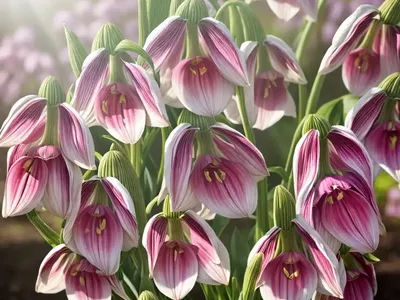
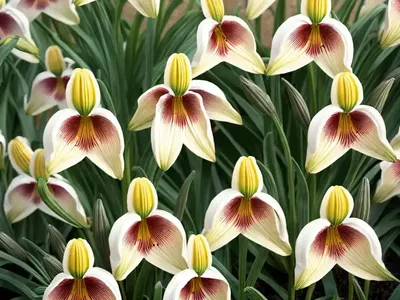
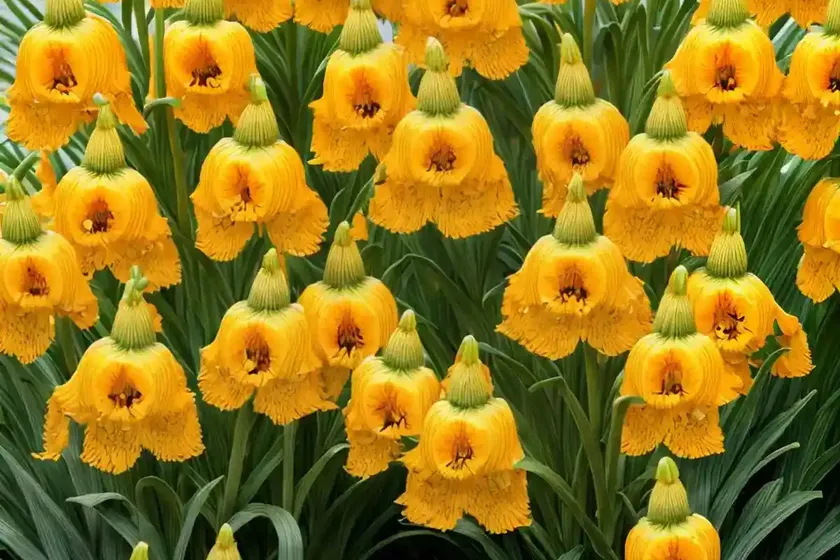
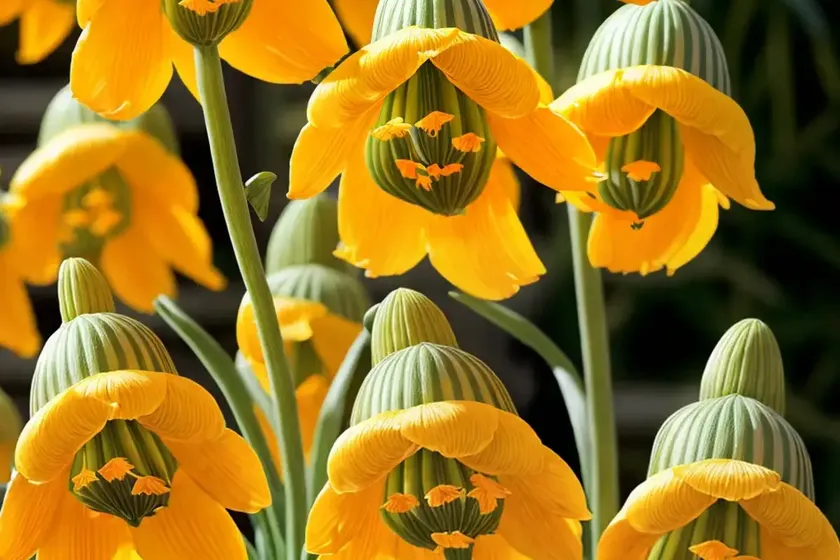
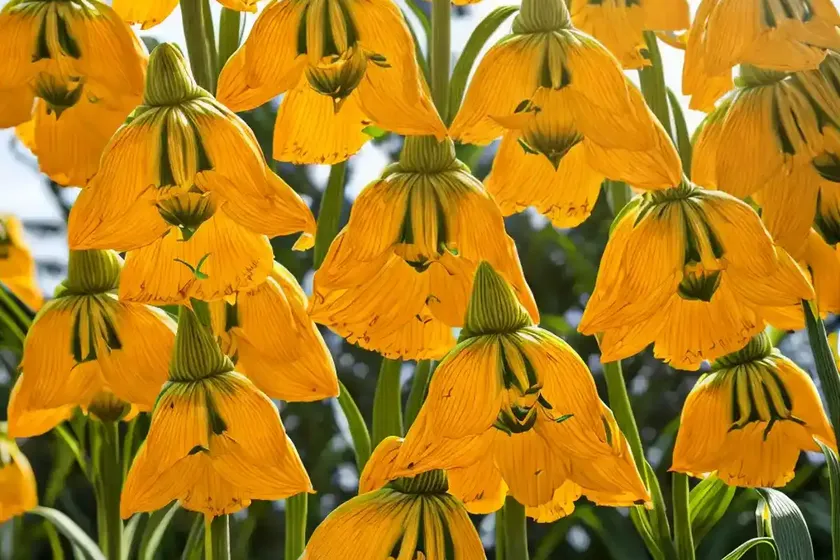
The Crown Imperial, or Fritillaria Imperialis, is a striking and ornate plant species that belongs to the Liliaceae family. This regal plant is native to a wide geographical range, including the mountainous regions of Turkey, Iran, and the Himalayas, and has been naturalized in various parts of Europe. Known for its tall stems adorned with whorls of downward-facing, bell-shaped flowers, the Crown Imperial adds an air of sophistication to any landscape.
Key Takeaways – Crown Imperial (Fritillaria Imperialis)
Before we delve into the specifics of cultivating and caring for the Crown Imperial, let’s outline some key takeaways about this extraordinary plant.
- Scientific Name: Fritillaria Imperialis
- Common Name: Crown Imperial
- Family: Liliaceae
- Native Habitat: Turkey, Iran, Himalayas
- Notable Features: Whorls of downward-facing, bell-shaped flowers
- Cultural Significance: Symbolizes regality and beauty
- Practical Uses: Ornamental purposes, medicinal properties
- Growth Requirements: Well-drained soil, ample sunlight, moderate watering
Now that we have a general overview of the Crown Imperial, let’s delve into the specifics of its cultivation and care.
Culture
The cultural significance of the Crown Imperial spans various traditions and myths. In many cultures, this majestic plant is associated with regality, beauty, and resilience. In gardening and horticultural circles, it is revered for its ornamental value and unique floral architecture. Understanding the cultural context of the Crown Imperial adds depth to the appreciation of this extraordinary plant.
Uses
The uses of the Crown Imperial extend beyond its purely ornamental value. Historically, various parts of the plant, including its bulbs, have been utilized for their medicinal properties. From traditional remedies to contemporary pharmacology, the unique compounds present in the Crown Imperial have attracted scientific interest. Additionally, its striking appearance makes it a favored choice for landscaping and ornamental gardening.
Water
Proper watering is crucial for the health and vitality of the Crown Imperial. While this plant appreciates moderately moist soil, it is susceptible to root rot if overwatered. During the growing season, it is advisable to water the plant when the top few inches of soil are dry to the touch. In the dormant season, watering should be minimal to prevent waterlogging of the bulbs.
Sunlight
The Crown Imperial thrives in full sunlight or partial shade. Adequate sunlight is essential for robust growth and the development of vibrant flowers. When selecting a planting location, ensure that it receives at least 6 hours of direct sunlight per day.
Fertilizer
To support the Crown Imperial’s growth and flowering, it is beneficial to provide a balanced, all-purpose fertilizer during the active growing season. A slow-release fertilizer applied in early spring as new growth emerges can provide the necessary nutrients for the plant’s development.
Soil
The soil requirements of the Crown Imperial are relatively straightforward. It thrives in well-drained soil with a slightly acidic to neutral pH. Amending the soil with organic matter such as compost or well-rotted manure can enhance its fertility and structure.
Pruning
Pruning the Crown Imperial is minimal and generally involves deadheading spent flowers to encourage continued blooming. After the flowers have faded, they can be carefully removed to redirect the plant’s energy into bulb development.
Propagation
The propagation of the Crown Imperial can be carried out through bulb offsets or seeds. When dividing bulbs, it is essential to ensure that each offset possesses sufficient roots for successful establishment. Furthermore, seeds can be collected from mature plants and sown in well-prepared soil to propagate new individuals.
Container Popularity
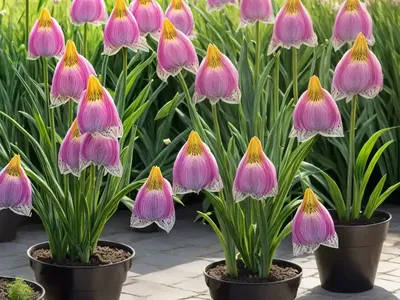
While the Crown Imperial can thrive in outdoor garden beds, it also exhibits popularity as a container plant. Its tall, elegant stems and vibrant flowers make it a captivating addition to patio containers and ornamental pots, allowing gardeners with limited space to enjoy its splendor.
Common Diseases
Despite its resilience, the Crown Imperial can be susceptible to certain diseases, particularly those related to fungal pathogens. Proper cultural practices and vigilant monitoring can help mitigate the risk of diseases affecting the plant.
Disease Diagnosis
Diagnosing diseases in the Crown Imperial involves careful observation of the foliage, stems, and bulbs for any signs of discoloration, wilting, or abnormal growth. Prompt identification of symptoms can facilitate targeted interventions to prevent the spread of diseases.
Common Pests
Pests such as aphids and lily beetles can pose a threat to the Crown Imperial. Regular monitoring and prompt intervention can help control pest populations and protect the plant from potential damage.
Botanist’s Tips
To ensure the successful cultivation of the Crown Imperial, it is advisable to source healthy, high-quality bulbs from reputable nurseries. Additionally, providing adequate air circulation and spacing between plants can reduce the risk of fungal diseases and promote overall plant vigor.
Fun Facts
1. Historical Significance:
The Crown Imperial has historically been associated with nobility and grandeur, often featured in royal gardens and botanical collections.
2. Symbolism:
In the language of flowers, the Crown Imperial symbolizes pomp and pride, reflecting its majestic appearance and cultural significance.
3. Aromatic Qualities:
Despite its regal appearance, the Crown Imperial emits a pungent odor that acts as a natural deterrent against certain pests.
Now that we have covered the foundational aspects of the Crown Imperial, let’s explore some practical tips for its successful cultivation and maintenance.
Links to External Resources
For additional information on the Crown Imperial and related topics, we recommend exploring the following resources:
- Royal Horticultural Society – Fritillaria Imperialis
- Missouri Botanical Garden – Crown Imperial
- The Plant List – Fritillaria Imperialis
- University of California Agriculture and Natural Resources – Bulbs: Fritillaria Imperialis
- American Society for the Prevention of Cruelty to Plants – Growing Crown Imperial
In the next section, we’ll continue with our exploration of the Crown Imperial, delving into its floral beauty, growth requirements, and much more. Stay tuned for an in-depth journey into the world of Fritillaria Imperialis!
This blog post is Part 1 of an extensive guide. Part 2 will cover a detailed planting guide, habitat preferences, and much more.