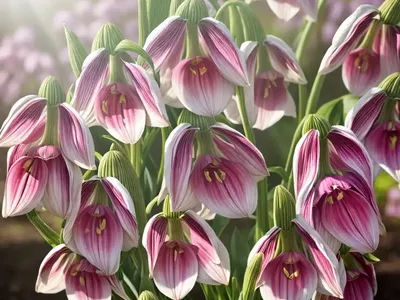
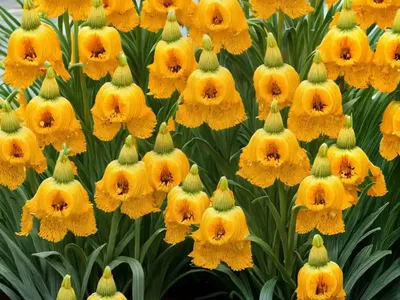
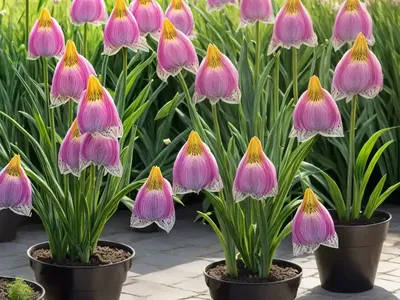
Fritillaria Persica ‘Adiyaman’ (Persian Lily)
Fritillaria persica ‘Adiyaman’ is a stunning and majestic flowering plant that belongs to the family Liliaceae, native to the Middle East. This unique.
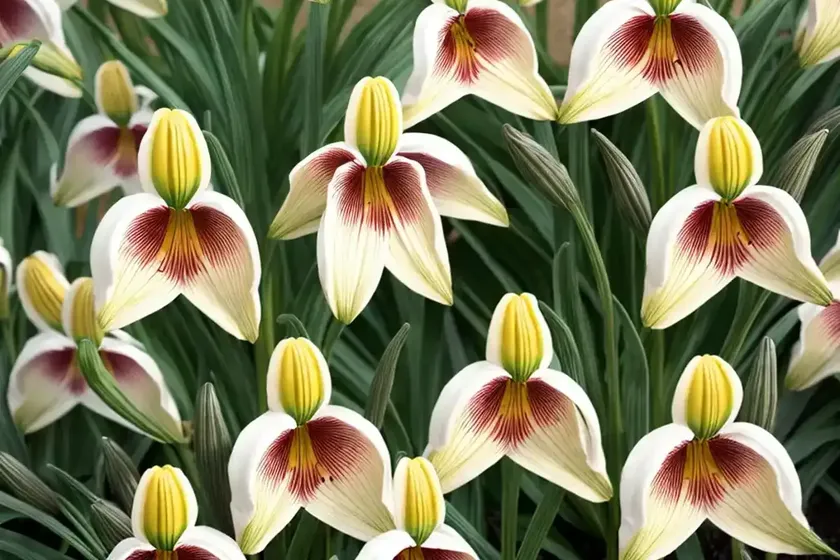
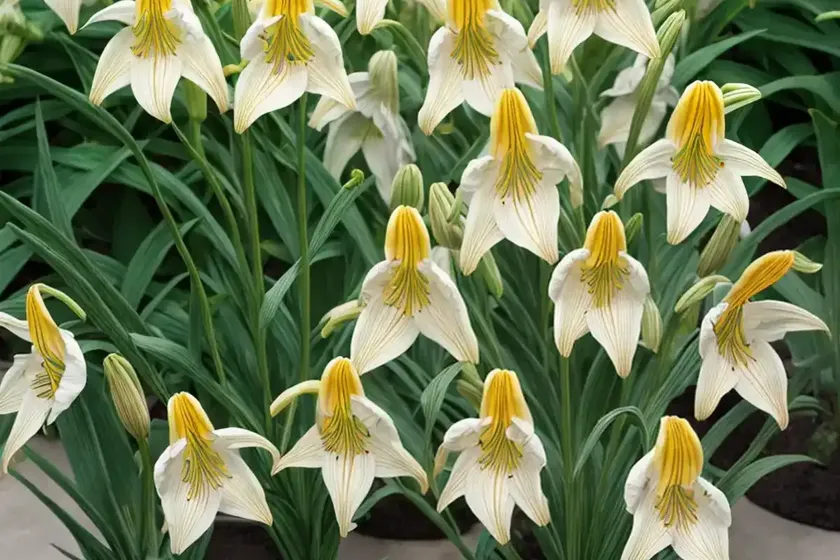
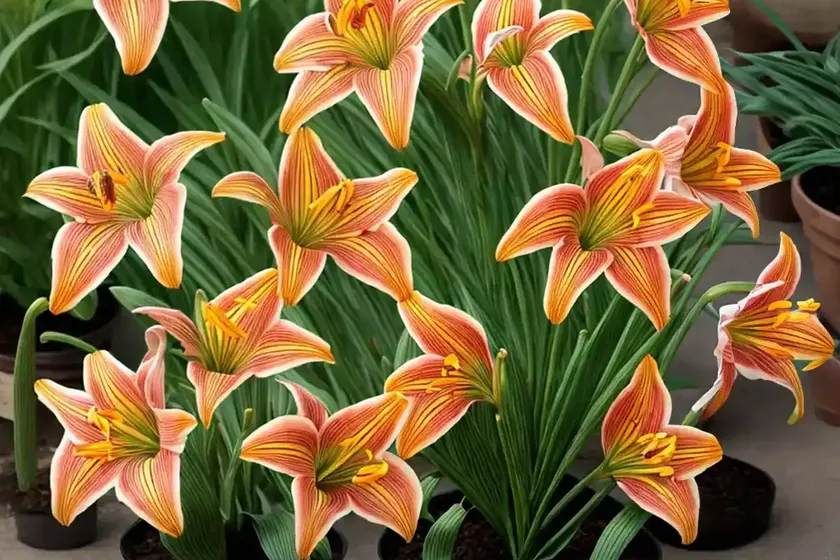
Fritillaria persica ‘Adiyaman’ is a stunning and majestic flowering plant that belongs to the family Liliaceae, native to the Middle East. This unique ornamental plant, commonly known as Persian Lily Adiyaman, features tall stems adorned with bell-shaped, deep purple flowers. The cultivar ‘Adiyaman’ refers to a specific variety of Persian Lily, known for its exceptional characteristics and cultural significance.
Key Takeaways – Fritillaria persica ‘Adiyaman’ (Persian Lily)
- Plant Name: Fritillaria persica ‘Adiyaman’ (Persian Lily)
- Common Names: Persian Lily Adiyaman
- Botanical Classification: Family – Liliaceae, Genus – Fritillaria, Species – persica
- Origin: The Adiyaman region, Middle East
- Growth Habit: Perennial bulbous plant
- Flower Color: Deep purple
- Height: Up to 3 feet
- Sunlight: Full to partial sun
- Watering: Moderate
- Soil: Well-draining, fertile soil
- Uses: Ornamental, medicinal
- Popularity: Increasing interest in horticulture and landscaping
- Conservation Status: Not currently listed as endangered
Culture
The culture of Fritillaria persica ‘Adiyaman’ involves understanding its specific environmental requirements, growth habits, and care practices to ensure its successful cultivation.
Uses
Fritillaria persica ‘Adiyaman’ is primarily grown for its ornamental value, adding elegance and charm to gardens and landscapes. Additionally, some varieties of Fritillaria have been traditionally used for their medicinal properties.
Water
Proper watering is crucial for the health of Persian Lily Adiyaman. While it requires regular moisture, it is important to avoid waterlogged conditions, as this can lead to bulb rot. During the active growing season, a moderate amount of water is needed, and in the dormancy period, the moisture level should be reduced.
Sunlight
This plant thrives in full to partial sun conditions. Providing adequate sunlight is essential for its growth and flowering. In regions with intense heat, partial shade during the hottest part of the day may be beneficial.
Fertilizer
During the growing season, the application of a balanced, all-purpose fertilizer can promote healthy growth and flowering. It is recommended to fertilize the soil before the emergence of new growth in early spring.
Soil
Fritillaria persica ‘Adiyaman’ prefers well-draining and fertile soil. A slightly acidic to neutral pH level is suitable for its cultivation. Amending the soil with organic matter such as compost can improve its structure and nutrient content.
Pruning
Pruning requirements for Persian Lily Adiyaman are minimal. Deadheading spent flowers and removing any yellowing or withered foliage can help maintain the plant’s appearance and divert its energy back into bulb development.
Propagation
The propagation of Fritillaria persica ‘Adiyaman’ can be achieved through division of offsets or by sowing seeds. Dividing the bulbs should be done when they are dormant, and sowing seeds should be carried out in the autumn.
Container Popularity
The striking appearance of Persian Lily Adiyaman makes it a desirable choice for container gardening. When grown in containers, it offers the flexibility to showcase its beauty on patios, balconies, or in smaller outdoor spaces.
Container Common Diseases
While growing in containers can provide a controlled environment, issues such as bulb rot and fungal diseases can still occur. Proper soil drainage and adequate ventilation are essential to prevent these problems.
Disease Diagnosis
Diagnosing diseases in Fritillaria persica ‘Adiyaman’ involves observing the foliage and flowers for signs of discoloration, wilting, or unusual growth. Prompt action, such as adjusting watering practices or applying appropriate treatments, can help manage and prevent diseases.
Common Pests
Certain pests, such as aphids and mites, may occasionally pose a threat to Persian Lily Adiyaman. Regular inspection of the plant can aid in early pest detection, and organic pest control methods can be employed if necessary.
Botanist’s Tips
- When planting Fritillaria persica ‘Adiyaman’, ensure that the bulbs are positioned at an adequate depth to promote stability and protection from extreme temperatures.
- Incorporating a layer of mulch around the base of the plant can help conserve soil moisture and regulate soil temperature.
Fun Facts
- Fritillaria persica ‘Adiyaman’ is known for its captivating, pendulous flowers that make a dramatic statement in the garden landscape.
- The deep purple hue of the flowers adds a sense of mystery and allure to the overall aesthetic of the plant.
Links to External Resources
To further explore the world of Fritillaria persica ‘Adiyaman’ and gain valuable insights into its cultivation, the following external resources can be useful:
– Royal Horticultural Society – Fritillaria persica
– The American Fritillaria Society
– University of California Botanical Garden at Berkeley – Fritillaria persica
– Missouri Botanical Garden – Plant Finder
– North American Lily Society
In the subsequent sections, we will delve deeper into the characteristics, care, and significance of Fritillaria persica ‘Adiyaman’ and explore its unique role in various aspects of horticulture and the natural world.