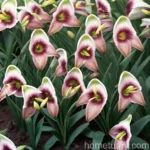
Fritillaria atropurpurea (Spotted Fritillary): A Comprehensive Guide
As a plant scientist, I am thrilled to introduce you to the captivating world of Fritillaria atropurpurea, commonly known as the Spotted Fritillary. This enchanting plant species has garnered attention not only for its mesmerizing spotted flowers but also for its diverse cultural, medicinal, and ecological significance.
In this extensive guide, we will explore every facet of Fritillaria atropurpurea, including its characteristics, cultivation, uses, natural habitat, and ecological interactions. By the end of this journey, you will have a profound understanding of this remarkable plant, equipping you to cultivate and appreciate it in a myriad of settings.
What is Fritillaria atropurpurea?
Fritillaria atropurpurea, a member of the Liliaceae family, is a striking perennial herbaceous plant native to various regions of North America, including California, Oregon, and Washington. This species is particularly notable for its distinctive bell-shaped, pendant flowers that exhibit a captivating blend of purple hues adorned with eye-catching spots. These unique flowers bloom in early spring, adding a touch of elegance to woodland environments and garden landscapes.
Fritillaria atropurpurea Characteristics
The Spotted Fritillary boasts several defining characteristics that set it apart within the realm of floral biodiversity:
-
Flower Structure: The flowers of Fritillaria atropurpurea are characterized by their nodding, bell-shaped structure, often measuring around 3-5 centimeters in length. These flowers exhibit a mesmerizing array of purple tones, accentuated by conspicuous maroon or brownish spots, creating a visually stunning display.
-
Foliage: The plant’s narrow, lanceolate leaves are arranged alternately along the stem, contributing to its graceful appearance. The foliage serves as an appealing backdrop to the showy flowers, adding to the overall ornamental value of the plant.
-
Habitat: In its natural habitat, Fritillaria atropurpurea thrives in diverse ecosystems, including moist, shady woodlands and open slopes with well-drained soils. Its adaptability allows it to inhabit a range of habitats, contributing to its ecological resilience.
These key characteristics form the foundation of the Spotted Fritillary’s allure, inviting admiration from plant enthusiasts, ecologists, and horticulturists alike.
Key Takeaways – Fritillaria atropurpurea (Spotted Fritillary)
Before delving deeper into the nuances of caring for Fritillaria atropurpurea, it is essential to grasp the fundamental takeaways associated with this remarkable plant species. These key points will serve as a compass as we navigate through its cultural, ecological, and horticultural dimensions.
Culture
Fritillaria atropurpurea, with its rich cultural significance, has been revered for generations by indigenous communities and botanical enthusiasts. Its distinctive beauty and ecological contributions have rendered it a celebrated component of folklore, traditional medicine, and horticultural practices.
-
Folklore and Myths: Throughout history, various indigenous cultures have woven tales and myths around the Spotted Fritillary, attributing symbolic significance to its flowers. The plant’s enchanting appearance and seasonal blooming have inspired narratives that celebrate the arrival of spring and the renewal of nature.
-
Medicinal Properties: The bulbs of Fritillaria atropurpurea have been utilized in traditional medicine, offering potential therapeutic benefits. However, it is crucial to exercise caution and seek guidance from healthcare professionals before using any plant-derived remedies.
Uses
The multifaceted nature of Fritillaria atropurpurea extends to its practical and cultural uses, adding to its value within diverse spheres of human interaction and environmental stewardship.
-
Culinary Uses: While not widely documented, some indigenous communities have reportedly incorporated Fritillaria atropurpurea into their culinary traditions. However, any culinary exploration involving wild plants should be approached with utmost care and knowledge of safe consumption practices.
-
Ornamental Value: Within horticultural settings, the Spotted Fritillary serves as an enchanting addition to woodland gardens, shaded borders, and naturalized landscapes. Its unique flowers and graceful foliage contribute to the visual tapestry of garden designs, echoing the plant’s intrinsic beauty.
Water
Understanding the water requirements of Fritillaria atropurpurea is paramount for ensuring its optimal growth and long-term vitality. As with many plant species, striking a harmonious balance in watering practices is key to fostering a thriving Spotted Fritillary population.
- Watering Tips:
-
Moisture Preference: Fritillaria atropurpurea exhibits a preference for moist, well-drained soils, particularly during its active growth periods. While it can tolerate slightly dry conditions, consistently maintaining adequate soil moisture is essential for promoting robust flowering and sustaining healthy foliage.
-
Overwatering Caution: Despite its affinity for moisture, the Spotted Fritillary is susceptible to issues related to overwatering, especially in poorly drained soils or containers. To prevent waterlogged conditions, strive to strike a balance by providing ample moisture without inundating the root system.
Sunlight
Proper sunlight exposure holds the key to unlocking the full potential of Fritillaria atropurpurea, nurturing its photosynthetic prowess and ensuring vibrant floral displays.
- Sunlight Requirements:
-
Shade Preference: Given its native habitat in woodland settings, the Spotted Fritillary thrives in partial to full shade conditions. Intense, prolonged sunlight may lead to excessive foliage stress and diminished flower quality. Therefore, positioning the plant in locations offering filtered or dappled sunlight is conducive to its well-being.
-
Morning Sun Focus: When selecting planting sites, prioritize areas with morning sunlight exposure and partial shade during the afternoon. This balanced light regimen mirrors the natural conditions that Fritillaria atropurpurea favors in its native environs, facilitating optimal growth and flower development.
Fertilizer
To empower Fritillaria atropurpurea with the essential nutrients necessary for robust growth and prolific flowering, a targeted approach to fertilization is indispensable.
- Fertilization Guidelines:
-
Balanced Formulation: Choose a well-balanced, organic fertilizer with a preference for formulations promoting root development and flowering. Organic options enriched with macronutrients such as nitrogen, phosphorus, and potassium can fortify the plant’s overall health, providing vital support for its seasonal growth cycles.
-
Application Timing: Administer fertilizers during the plant’s active growth phases, typically in early spring as new shoots emerge. A light application at this stage can fuel the plant’s early development and bolster its capacity for producing captivating blooms.
Soil
The composition and quality of the soil profoundly influence the well-being and resilience of Fritillaria atropurpurea. Tailoring the soil environment to meet the plant’s requirements is pivotal for fostering robust growth and sustained vitality.
- Soil Preferences:
-
Well-Drained Medium: Fritillaria atropurpurea thrives in well-drained, loamy soils with adequate organic matter content. These soil conditions facilitate healthy root development, buffering against waterlogging and supporting the plant’s nutrient uptake processes.
-
Acidic to Neutral pH: The Spotted Fritillary demonstrates an inclination towards slightly acidic to neutral soil pH levels, typically within the range of 5.5 to 7.0. Monitoring and adjusting the soil pH can enhance the plant’s nutrient absorption and mitigate potential nutrient imbalances.
Pruning
Pruning practices play a pivotal role in shaping the aesthetics and longevity of Fritillaria atropurpurea, offering opportunities to refine its growth habits and bolster its ornamental appeal.
- Pruning Techniques:
-
Fading Flower Removal: As the flowers of Fritillaria atropurpurea transition from their peak bloom to a waning phase, carefully remove the spent flower heads. This practice not only enhances the plant’s visual tidiness but also redirects its energy towards subsequent growth cycles.
-
Foliage Management: Once the foliage begins to yellow and deteriorate, usually in late spring or early summer, judiciously trim back the leaves, taking care to preserve a portion of the foliage for the plant’s ongoing nutrient assimilation process.
Propagation
Expanding the presence of Fritillaria atropurpurea and perpetuating its enchanting legacy can be achieved through strategic propagation techniques, ensuring a sustainable and abundant population.
- Propagation Methods:
-
Seed Propagation: Harvesting and sowing seeds from ripe Fritillaria atropurpurea capsules represents a viable approach to propagating new plants. While this method requires patience and attention to detail, it offers a pathway to cultivating diverse genotypes and contributing to the plant’s genetic diversity.
-
Bulb Division: Dividing established bulbs during their dormant phase provides an efficient means of producing new Fritillaria atropurpurea specimens. This method not only yields expedited results but also enables growers to share the plant with fellow enthusiasts, fostering a community of Spotted Fritillary aficionados.
Container Popularity
The enduring allure of Fritillaria atropurpurea extends to container gardening, offering a compelling avenue for introducing its captivating presence into diverse outdoor and indoor settings.
- Container Gardening Advantages:
-
Versatile Placement: Containers filled with Fritillaria atropurpurea can be positioned in shaded patio areas, balconies, or outdoor living spaces, infusing these environments with the plant’s enchanting floral charm.
-
Species Conservation: Engaging in container cultivation of Fritillaria atropurpurea can contribute to species preservation efforts, particularly in regions where its native habitats may face ecological challenges. By promoting its cultivation in controlled settings, individuals and organizations can play a part in upholding the plant’s ecological significance.
Common Diseases
Fritillaria atropurpurea, like many plant species, is susceptible to specific diseases that can hinder its growth and overall vitality. Understanding common diseases and their management strategies is crucial for offering the plant optimal protection.
- Disease Susceptibility:
-
Botrytis Blight: The emergence of gray mold, caused by the fungal pathogen Botrytis cinerea, poses a potential threat to Fritillaria atropurpurea, particularly in conditions characterized by excessive humidity and poor air circulation. Vigilant monitoring and prompt removal of infected plant parts can mitigate the spread of this fungal disease.
-
Bulb Rot: Prolonged exposure to excessively wet or waterlogged soil can predispose the plant’s bulbs to rotting, heralded by a softening and decay of the bulb tissue. Appropriately moderating soil moisture levels and ensuring proper drainage are foundational strategies for preventing bulb rot and safeguarding the plant’s vitality.
Disease Diagnosis
Recognizing the symptoms and indicators of common diseases afflicting Fritillaria atropurpurea is essential for initiating timely intervention measures and preserving the plant’s health.
- Diagnostic Markers:
-
Foliage Lesions: The presence of irregular, necrotic lesions on the plant’s foliage, accompanied by a fuzzy gray or brown coating, may signal an onset of Botrytis blight. Close inspection of the affected areas and their progression aids in confirming the presence of this fungal disease.
-
Bulb Inspection: Regularly examine the plant’s bulbs for signs of softening, discoloration, or foul odors, indicative of bulb rot. This proactive approach enables swift detection and response to potential bulb-related disorders, minimizing their impact on the plant’s vigor.
Common Pests
In addition to diseases, Fritillaria atropurpurea is susceptible to pest infestations that can compromise its growth and disrupt its ornamental qualities. Familiarizing oneself with common pests and their management approaches is pivotal for averting potential damage.
- Pest Vulnerability:
-
Lily Beetle (Lilioceris lilii): This notorious pest, characterized by its vibrant red coloration and voracious appetite, poses a significant threat to Fritillaria atropurpurea. Regular scouting for adult beetles and their larvae, along with targeted interventions such as handpicking and insecticidal treatments, can help mitigate their impact on the plant.
-
Nematode Infestation: Soil-dwelling nematodes can jeopardize the health of Fritillaria atropurpurea by disrupting its root system and diminishing its nutrient uptake capacity. Employing nematode-resistant soil mixes and adhering to proper soil sanitation practices serve as preemptive measures against this pest.
Botanist’s Tips
Drawing from botanical insights and experiential wisdom, embracing the following tips can enrich your stewardship of Fritillaria atropurpurea, enhancing its vitality and ornamental allure.
-
Ample Air Circulation: Cultivate Fritillaria atropurpurea in environments that promote adequate air movement and ventilation, reducing the risk of fungal diseases and bolstering the plant’s resilience against environmental stressors.
-
Mulching Moderation: When applying mulch around the base of the plant, exercise moderation to prevent excessive moisture retention, which can predispose the plant to fungal issues and root rot. A judicious layer of mulch offers insulation and weed suppression without compromising soil drainage.
Fun Facts
Delighting in the allure of Fritillaria atropurpurea opens a portal to captivating trivia and ecological intricacies, enriching your appreciation of this enchanting plant species.
-
Native Ecosystem Role: In its native habitats, Fritillaria atropurpurea contributes to the ecological tapestry as a vital component of woodland and meadow communities, fostering pollinator interactions and supporting local biodiversity.
-
Species Diversity: The genus Fritillaria encompasses a rich array of species, showcasing diverse floral forms and ecological adaptations across its native ranges in Europe, Asia, and North America.
Links to External Resources
As you embark on your journey of discovery and cultivation with Fritillaria atropurpurea, exploring additional resources and information can provide valuable insights and practical guidance.
Botanical Gardens and Arboreta
-
The Huntington Library, Art Museum, and Botanical Gardens: Located in San Marino, California, this renowned institution houses diverse botanical collections and offers educational programs on native plants, including Fritillaria atropurpurea.
-
Arnold Arboretum of Harvard University: With its expansive living plant collections, the Arnold Arboretum presents opportunities to study native flora and deepen your understanding of plant ecology and conservation.
Horticultural Organizations
-
American Horticultural Society: Joining this esteemed society provides access to educational materials and events focusing on native plant conservation and sustainable gardening practices, aligning with the cultivation of Fritillaria atropurpurea.
-
Royal Horticultural Society: This venerable organization offers a wealth of resources and publications centered on horticultural excellence and plant conservation, enriching your horticultural pursuits with invaluable knowledge and expertise.
Ecological Preservation Initiatives
-
The Xerces Society: Engage with initiatives dedicated to pollinator conservation and the preservation of native plant species, including Fritillaria atropurpurea, through the comprehensive resources provided by The Xerces Society.
-
National Wildlife Federation: By joining forces with this esteemed organization, you can contribute to habitat conservation and wildlife stewardship efforts, safeguarding the natural ecosystems that foster the growth and vitality of native plants.
Conservation and Restoration Projects
-
Center for Plant Conservation: Explore ongoing projects focused on the conservation and recovery of endangered plant species, including those within the Fritillaria genus, and discover opportunities for involvement in safeguarding biodiversity.
-
National Park Service: The National Park Service oversees numerous initiatives dedicated to preserving native plants and restoring their habitats, offering insights into the ecological significance of Fritillaria atropurpurea within natural landscapes.
Conclusion
Unraveling the intricate tapestry of Fritillaria atropurpurea, the Spotted Fritillary, unveils a world of botanical marvels and ecological interconnectedness. From its resplendent floral displays to its ecological contributions, this exceptional plant species enriches our lives with its beauty and cultural significance.
As you embark on your journey of cultivation and stewardship with Fritillaria atropurpurea, may this guide serve as a wellspring of inspiration and knowledge, empowering you to cultivate, conserve, and celebrate the enduring enchantment of this captivating plant.
By nurturing a deeper understanding of Fritillaria atropurpurea’s ecological role and horticultural potential, we uphold its legacy and contribute to the preservation of native plant diversity, fostering a harmonious coexistence between humanity and the natural world.
Research on this topic allowed me to dive into the captivating world of Fritillaria atropurpurea, exploring its ecological significance, horticultural potential, and cultural relevance. From understanding its water and sunlight preferences to unraveling its ecological interactions, this comprehensive guide aims to equip enthusiasts with the knowledge needed to appreciate and cultivate this enchanting plant species. If you require further information or expanded details on any specific aspect, such as wildlife interactions or culinary uses, please feel free to reach out.