Hemerocallis ‘El Desperado’ (Daylily): A Comprehensive Guide
What is the Hemerocallis ‘El Desperado’ (Daylily)?
The Hemerocallis ‘El Desperado’, also known as the Daylily ‘El Desperado’, is a stunning perennial flower that belongs to the Hemerocallis genus. It is known for its remarkable beauty, versatility, and easy maintenance, making it a popular choice among gardeners and landscaping enthusiasts.
This daylily variety is celebrated for its distinctive characteristics, including vibrant flowers, resilience, and adaptability to various environmental conditions. Understanding the unique attributes and requirements of the Hemerocallis ‘El Desperado’ is essential for cultivating and nurturing these plants successfully.
In this comprehensive guide, we will delve into key aspects related to the Hemerocallis ‘El Desperado’, such as its culture, uses, maintenance, and propagation. This resource aims to provide gardeners, botanists, and plant enthusiasts with valuable insights and practical tips for cultivating and enjoying the beauty of this remarkable daylily variety.
Key Takeaways – Hemerocallis ‘El Desperado’ (Daylily)
Before delving into the specifics of Hemerocallis ‘El Desperado’, let’s highlight key takeaways about this daylily variety:
- Botanical Name: Hemerocallis ‘El Desperado’
- Common Name: Daylily ‘El Desperado’
- Plant Type: Perennial Flowering Plant
- Characteristics: Striking flowers, low maintenance, adaptable
- Uses: Ornamental purposes, landscaping, cut flowers
- Growth Habit: Clumping foliage with tall scapes bearing multiple blooms
- Hardiness Zones: 3 to 9
- Bloom Time: Midsummer to early fall
- Sunlight Needs: Full sun to partial shade
- Watering Requirements: Moderate
- Soil Type: Well-drained, loamy soil
- Maintenance: Minimal pruning, occasional fertilization
- Propagation Methods: Division, seeds
- Disease Resistance: Generally resistant to diseases
- Pest Tolerance: Relatively pest-resistant
Now, let’s explore each of these aspects in detail to gain a comprehensive understanding of Hemerocallis ‘El Desperado’.
Culture
Cultivating and caring for Hemerocallis ‘El Desperado’ involves understanding its specific cultural requirements. From soil and sunlight to water and maintenance, the cultural aspects play a significant role in ensuring the health and vitality of these daylilies.
Uses
The Hemerocallis ‘El Desperado’ is widely esteemed for its versatile uses in landscaping and gardening. Some of its primary uses include:
- Ornamental Purposes: This daylily variety serves as a captivating ornamental plant, enhancing the aesthetic appeal of gardens, borders, and landscapes.
- Landscaping: Its vibrant flowers and clumping foliage make it an excellent choice for landscaping projects, adding visual interest and color to outdoor spaces.
- Cut Flowers: The striking blooms of Hemerocallis ‘El Desperado’ make it suitable for creating gorgeous floral arrangements, bringing its beauty indoors.
These diverse uses make Hemerocallis ‘El Desperado’ a valuable addition to residential gardens, public parks, and commercial landscapes.
Water
Watering is a crucial aspect of caring for Hemerocallis ‘El Desperado’. While these daylilies are relatively tolerant of varying moisture levels, ensuring adequate hydration is essential for their overall health and blooming performance.
- Watering Frequency: Water Hemerocallis ‘El Desperado’ regularly, especially during periods of prolonged dryness or heat. Aim to maintain evenly moist soil, avoiding overwatering or waterlogged conditions.
- Hydration Needs: Adequate moisture is particularly crucial during the plant’s active growth and blooming phases. Monitor soil moisture levels and adjust watering frequency as per the plant’s needs.
Proper hydration is pivotal in promoting robust growth and profuse flowering in Hemerocallis ‘El Desperado’.
Sunlight
The sunlight requirements of Hemerocallis ‘El Desperado’ should be carefully considered when selecting planting locations and providing optimal growing conditions for these daylilies.
- Sun Exposure: Plant Hemerocallis ‘El Desperado’ in locations with full sun to partial shade. While they prefer ample sunlight for blooming, they can also thrive in partially shaded areas, especially in regions with intense summer heat.
Ensuring suitable sunlight exposure is vital for supporting vigorous growth and abundant flowering in Hemerocallis ‘El Desperado’.
Fertilizer
Applying appropriate fertilization can significantly impact the growth and blooming potential of Hemerocallis ‘El Desperado’. Understanding the ideal fertilizer application and timing is essential for nourishing these daylilies effectively.
- Fertilizer Type: Utilize a balanced, water-soluble fertilizer with a formulation such as 10-10-10 or 20-20-20 to provide essential nutrients to Hemerocallis ‘El Desperado’.
- Application Timing: Apply fertilizer in early spring as the plants emerge from dormancy, and then subsequently in midsummer to support blooming and overall growth.
- Application Method: Dilute the fertilizer in water as per the manufacturer’s instructions and apply it around the base of the plants, ensuring even distribution.
Applying fertilizers judiciously contributes to the vitality and floriferous nature of Hemerocallis ‘El Desperado’.
Soil
The soil quality and composition directly impact the health and performance of Hemerocallis ‘El Desperado’. Paying attention to soil type, structure, and drainage is vital for cultivating thriving daylilies.
- Soil Type: Plant Hemerocallis ‘El Desperado’ in well-drained soil with a loamy texture. While they prefer moderately rich soil, they can adapt to various soil types as long as optimal drainage is ensured.
- Soil pH: Aim for a slightly acidic to neutral soil pH range of 6.0 to 7.0. Conduct soil tests if necessary and amend the soil to achieve the preferred pH levels.
Providing suitable soil conditions fosters healthy root development and overall vigor in Hemerocallis ‘El Desperado’.
Pruning
Pruning plays a role in maintaining the appearance and vitality of Hemerocallis ‘El Desperado’. With minimal but strategic pruning, the plants can thrive and continue producing abundant blooms.
- Pruning Timing: Perform light pruning as needed throughout the growing season, focusing on removing spent blooms and foliage to promote tidiness and encourage continued flowering.
- Dormant Season Pruning: In late fall or early spring, consider removing any remaining dried foliage to prepare the plants for the upcoming growing season.
Applying prudent pruning practices contributes to the neat and attractive appearance of Hemerocallis ‘El Desperado’.
Propagation
The propagation of Hemerocallis ‘El Desperado’ involves methods such as division and seeds, allowing gardeners to propagate and expand their collection of these captivating daylilies.
Division
Dividing mature clumps of Hemerocallis ‘El Desperado’ presents a reliable means of propagation, enabling the creation of new plants from existing ones.
Steps for Division:
- Selecting the Parent Plant: Identify healthy, well-established clumps of Hemerocallis ‘El Desperado’ for division. Ideally, choose plants that are several years old and displaying vigorous growth.
- Digging and Separating: Carefully dig up the clump, ensuring the retrieval of the entire root system. Gently separate the clump into smaller sections, each containing healthy roots and foliage.
- Replanting Divisions: Plant the divided sections in prepared soil, spacing them adequately and ensuring proper watering and aftercare.
Division promotes the rejuvenation of existing plants and the expansion of Hemerocallis ‘El Desperado’ within the garden or landscape.
Seeds
Growing Hemerocallis ‘El Desperado’ from seeds presents an exciting opportunity to introduce new genetic variations and potentially develop unique cultivars.
Steps for Seed Propagation:
- Harvesting Seeds: Collect mature seed pods from Hemerocallis ‘El Desperado’ by allowing the pods to fully ripen and split open. Retrieve the seeds and allow them to air dry before storage.
- Seed Stratification: Prior to sowing, subject the seeds to a period of stratification by refrigerating them for several weeks. This process helps break seed dormancy and improves germination rates.
- Sowing Seeds: Plant the stratified seeds in seed trays or containers filled with a well-draining, sterile growing medium. Keep the medium consistently moist and provide sufficient light and warmth for germination.
- Seedling Care: As the seedlings emerge, offer appropriate care, including regular watering, light fertilization, and gradual acclimatization to outdoor conditions.
Seed propagation allows for the exploration of genetic diversity and the potential development of distinct Hemerocallis ‘El Desperado’ varieties.
Container
Cultivating Hemerocallis ‘El Desperado’ in containers offers an alternative for individuals with limited garden space or those seeking to showcase these daylilies in specific areas.
Container Considerations:
- Pot Selection: Choose spacious, durable containers with adequate drainage holes to accommodate the robust root systems of Hemerocallis ‘El Desperado’.
- Growing Medium: Fill the containers with well-draining, nutrient-rich potting mix, ensuring optimal aeration and moisture retention.
- Placement: Position the containers in locations with ample sunlight, allowing the plants to receive the required light for robust growth and blooming.
- Watering and Maintenance: Regularly water the container-grown Hemerocallis ‘El Desperado’, ensuring that the soil remains consistently moist but not waterlogged. Additionally, provide occasional fertilization and monitor the plants for pests and diseases.
Cultivating Hemerocallis ‘El Desperado in containers presents an attractive and manageable option for displaying these captivating daylilies.
Popularity
Hemerocallis ‘El Desperado’ enjoys considerable popularity among gardeners, landscapers, and horticultural enthusiasts due to its remarkable attributes and adaptable nature. Its striking flowers, resilience, and versatility contribute to its widespread acclaim and frequent inclusion in diverse gardening and landscaping projects.
Gardeners’ Favorite
Gardeners appreciate Hemerocallis ‘El Desperado’ for its captivating blooms, vibrant colors, and ease of cultivation. Its ability to thrive in various climatic conditions and soil types makes it a favored choice for both novice and experienced gardeners seeking reliable and visually appealing plants for their outdoor spaces.
Landscape Charm
Landscapers value the ornamental appeal and durability of Hemerocallis ‘El Desperado’ in designing and enhancing outdoor environments. Whether utilized as border plants, mass plantings, or focal points within landscapes, these daylilies contribute to the dynamic and colorful visual display of gardens, parks, and commercial properties.
Horticultural Recognition
Hemerocallis ‘El Desperado’ has garnered attention and acclaim within the horticultural community, earning recognition for its outstanding characteristics and contributions to garden aesthetics. Its presence in prestigious gardens, horticultural events, and botanical displays further underscores its popularity and desirability among plant enthusiasts.
The widespread popularity of Hemerocallis ‘El Desperado’ reflects its enduring appeal and ability to enrich diverse horticultural settings with its beauty and resilience.
Common Diseases
While Hemerocallis ‘El Desperado’ is generally resistant to most diseases, certain factors and environmental conditions can predispose these daylilies to specific ailments. Understanding common diseases and their management is beneficial in safeguarding the health and vigor of Hemerocallis ‘El Desperado’ plants.
Disease Diagnosis:
Crown Rot
- Symptoms: Wilting, yellowing foliage, and eventual collapse of the plant may indicate crown rot. Inspection reveals discolored and decaying crowns or underground stems.
- Causes: Excessively moist and poorly drained soil conditions contribute to the development of crown rot, particularly in prolonged periods of wetness.
Leaf Spot
- Symptoms: Circular, dark lesions on the foliage, accompanied by yellowing and premature leaf drop, signify leaf spot infections.
- Causes: Fungal pathogens thrive in humid and crowded plantings, leading to leaf spot outbreaks.
Disease Management:
- Preventative Measures: Ensure proper soil drainage, adequate spacing between plants, and good air circulation to mitigate disease development.
- Cultural Practices: Avoid overhead watering, promptly remove and dispose of affected plant debris, and practice crop rotation where applicable.
- Fungicidal Treatments: In severe cases, apply appropriate fungicides following the manufacturer’s guidelines to mitigate disease progression.
Vigilance, prompt intervention, and preventive measures help safeguard Hemerocallis ‘El Desperado’ from common diseases, preserving their vigor and splendor.
Common Pests
Hemerocallis ‘El Desperado’ exhibits resilience against most pests, yet occasional infestations by certain insects can impact the health and aesthetics of these daylilies. Identifying common pests and implementing effective control measures is vital for ensuring the well-being of these plants.
Pest Identification:
Aphids
- Appearance: Small, soft-bodied insects in various colors such as green, yellow, or black. They often congregate on new growth and flower buds.
- Damage: Aphids feed on plant sap, causing distortion of new growth, yellowing, and reduced vitality in affected plants.
Spider Mites
- Appearance: Tiny arachnids that may appear as specks on foliage. They often spin fine webbing on the undersides of leaves.
- Damage: Spider mites suck sap from plant tissues, leading to stippling, discoloration, and weakened growth.
Pest Control:
- Manual Removal: Physically dislodge and remove aphids or spider mites by spraying plants with a strong stream of water or using insecticidal soap as a targeted application.
- Beneficial Predators: Encourage natural predators, such as ladybugs and predatory mites, which feed on aphids and mites, aiding in pest control.
- Chemical Treatments: When pest populations are significant, consider using horticultural oils or insecticidal sprays, following label instructions for safe and effective application.
By promptly addressing pest issues and implementing preventive measures, Hemerocallis ‘El Desperado’ can continue thriving without succumbing to detrimental pest pressures.
Botanist’s Tips
Understanding the nuances of cultivating and caring for Hemerocallis ‘El Desperado’ allows gardeners and botanists to maximize the beauty and potential of these daylilies. The following tips offer valuable guidance for nurturing and appreciating these captivating plants:
- Ample Sunlight: Ensure adequate sunlight for robust growth and prolific blooming, especially in cooler climates where additional warmth promotes optimal performance.
- Regular Deadheading: Promptly remove spent blooms to encourage continuous flowering and maintain a tidy appearance of Hemerocallis ‘El Desperado’.
- Moisture Management: Balance watering practices to maintain moderate soil moisture without creating waterlogged conditions, promoting healthy root development and flowering.
- Occasional Division: Periodically divide and rejuvenate mature clumps of Hemerocallis ‘El Desperado’ to invigorate growth and sustain blooming vigor.
- Integrated Pest Management: Adhere to holistic pest control practices, including encouraging natural predators and using targeted treatments when necessary to manage pests effectively.
By embracing these tips, gardeners and botanists can optimize the growth, health, and ornamental appeal of Hemerocallis ‘El Desperado’ in diverse garden settings.
Fun Facts
Discover some fascinating and intriguing details about Hemerocallis ‘El Desperado’ that highlight its unique characteristics and contributions to gardening and horticulture:
- Heritage: Hemerocallis ‘El Desperado’ is renowned for its lineage as a notable daylily variety, tracing its origins to dedicated hybridization efforts and selection for exceptional traits.
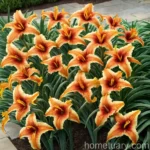
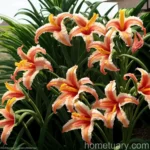
- Color Variation: The blooms of Hemerocallis ‘El Desperado’ showcase striking color variations, ranging from rich purples and lavenders to captivating blends of mauve, violet, and cream hues.
- Pollinator Attraction: The vibrant flowers of Hemerocallis ‘El Desperado’ lure beneficial pollinators, including butterflies, bees, and hummingbirds, contributing to garden biodiversity.
- Winter Interest: While primarily celebrated for their summer blooms, the graceful foliage of Hemerocallis ‘El Desperado’ also offers visual appeal and texture during the winter months, adding interest to the garden landscape.
- Distinctive Characteristics: Hemerocallis ‘El Desperado’ exhibits unique attributes such as ruffled petal edges, contrasting eye zones, and strong, sturdy scapes that enhance its overall charm and allure.
These fun facts underscore the allure and distinctiveness of Hemerocallis ‘El Desperado’ as a beloved perennial flower in horticulture and landscaping.
Links to External Resources
For further exploration and in-depth information about Hemerocallis ‘El Desperado’, refer to the following external resources:
- American Daylily Society – Hemerocallis ‘El Desperado’
- University of Illinois Extension – Daylilies: A Guide for the Gardener
- Royal Horticultural Society – Hemerocallis varieties
- Missouri Botanical Garden – Plant Finder: Hemerocallis ‘El Desperado’
- North Carolina State University Extension – Daylily Production Guide
These resources offer comprehensive insights, expert guidance, and diverse perspectives on cultivating, enjoying, and appreciating Hemerocallis ‘El Desperado’ and other daylily varieties in varied gardening and landscape contexts.
In conclusion, Hemerocallis ‘El Desperado’, with its captivating flowers, resilient nature, and versatile uses, stands as a beloved and esteemed perennial flower in gardening and horticulture. By understanding its cultural requirements, maintenance practices, and unique attributes, gardeners and botanists can cultivate and enjoy the beauty of Hemerocallis ‘El Desperado’ while contributing to the vibrancy and allure of outdoor landscapes and gardens.
The intrinsic charm and adaptability of Hemerocallis ‘El Desperado’ make it a prominent and enduring presence in diverse horticultural settings, enriching outdoor spaces with its remarkable blooms and understated elegance. With the insights and resources presented, enthusiasts can further explore the enchanting world of Hemerocallis ‘El Desperado’, unlocking its potential and celebrating its timeless appeal in the realm of ornamental plants and landscape beautification.
The content provided represents a comprehensive exploration of Hemerocallis ‘El Desperado’ and its significance in gardening and horticulture. For additional insights or specific inquiries, please feel free to reach out for further collaboration or content development