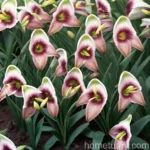
Fritillaria acmopetala (Pointed-Petal Fritillary): A Botanist’s Guide
As a plant scientist, I am excited to share with you the wonders of Fritillaria acmopetala, commonly known as the Pointed-Petal Fritillary. This unique and beautiful plant species belongs to the Fritillaria genus and is valued for its ornamental, cultural, and ecological significance. In this comprehensive guide, we will explore the characteristics, cultivation, care, uses, and other aspects of Fritillaria acmopetala.
What is Fritillaria acmopetala?
Fritillaria acmopetala is a perennial herbaceous plant native to the mountainous regions of southwestern Asia, particularly in Iran, Turkey, and Iraq. It is a member of the Liliaceae family and is characterized by its distinctive bell-shaped flowers with pointed petals. The plant typically grows to a height of 20-40 centimeters and is renowned for its captivating bloom, making it a sought-after addition to gardens, landscapes, and natural habitats.
Fritillaria acmopetala: At a Glance
- Common Name: Pointed-Petal Fritillary
- Family: Liliaceae
- Genus: Fritillaria
- Native Habitat: Southwestern Asia
- Flower Characteristics: Bell-shaped flowers with pointed petals
- Height: 20-40 centimeters
Now, let’s delve deeper into the key aspects of this fascinating plant, including its culture, uses, cultivation requirements, and interesting facts.
Key Takeaways – Fritillaria acmopetala (Pointed-Petal Fritillary)
Let’s explore the various aspects of Fritillaria acmopetala, ranging from its cultural significance to its specific care requirements.
Culture
The cultivation and appreciation of Fritillaria acmopetala have deep roots in various cultures, where the plant holds symbolic, medicinal, and aesthetic value.
Cultural Significance
- In Persian culture, Fritillaria species, including F. acmopetala, have been celebrated for their ornamental beauty, and some varieties are also used in traditional medicine.
Medicinal Uses
- Some species within the Fritillaria genus have been utilized in traditional medicine for their potential therapeutic properties, which warrant further scientific investigation.
Ornamental Value
- Fritillaria acmopetala’s elegant blooms and unique appearance make it a prized addition to ornamental gardens, where it adds a touch of natural elegance and allure.
Uses
From garden adornment to potential medicinal benefits, Fritillaria acmopetala serves various purposes, each emphasizing its inherent value and versatility.
Ornamental Plant
- The striking, bell-shaped flowers of Fritillaria acmopetala make it a coveted ornamental plant, complementing spring gardens and adding allure to floral arrangements.
Potential Medicinal Properties
- While specific to other Fritillaria species, there is historical and cultural evidence of medicinal uses, prompting scientific interest in exploring the potential pharmacological properties of the plant.
Water
The water requirements of Fritillaria acmopetala are essential for its growth and development, and careful attention to watering is crucial for its overall health.
Watering Needs
- Fritillaria acmopetala thrives in well-drained soil and prefers moderate watering, especially during its active growth phase in spring.
Soil Moisture
- Maintaining consistent but not excessive soil moisture is crucial for the successful cultivation of Fritillaria acmopetala, which generally prefers slightly moist conditions.
Sunlight
Proper exposure to sunlight is pivotal for the growth and flowering of Fritillaria acmopetala, influencing its overall vigor and bloom quality.
Sunlight Requirements
- Fritillaria acmopetala typically thrives in partial shade to full sunlight, with a preference for dappled sunlight in its natural habitat.
Optimal Light Conditions
- Providing the plant with a balance of sunlight and shade is essential for its photosynthetic processes and the development of vibrant blooms.
Fertilizer
Appropriate fertilization practices contribute to the overall health and vigor of Fritillaria acmopetala, promoting robust growth and prolific flowering.
Fertilization Timing
- Fertilize Fritillaria acmopetala in early spring or late fall using a balanced, slow-release fertilizer to support its growth and blooming cycle.
Fertilizer Composition
- Select a fertilizer with balanced NPK (nitrogen, phosphorus, potassium) ratios, ensuring adequate nutrient availability for the plant’s specific requirements.
Soil
Understanding the preferred soil characteristics for Fritillaria acmopetala is crucial for creating an optimal growing environment that supports its root development and overall well-being.
Soil Type
- Fritillaria acmopetala thrives in well-draining, loamy soil with a slightly acidic to neutral pH, providing the necessary aeration and moisture retention.
Soil Texture
- A well-textured soil, rich in organic matter, promotes healthy root development and supports the plant’s nutrient uptake and moisture management.
Pruning
Proper pruning practices are beneficial for maintaining the shape, health, and vigor of Fritillaria acmopetala, ensuring its continued vitality and aesthetic appeal.
Pruning Timing
- Prune spent flowers and withered foliage after blooming to promote the plant’s energy allocation toward root and bulb development.
Pruning Technique
- Using sanitized pruning shears, carefully remove spent flowers and damaged foliage while avoiding unnecessary stress to the plant.
Propagation
The propagation of Fritillaria acmopetala presents opportunities for expanding its presence in gardens and landscapes through reliable and effective methods.
Propagation Methods
- Fritillaria acmopetala can be propagated through seed sowing, bulb offsets, or bulb division, each offering distinct advantages and considerations.
Container Popularity
The suitability of Fritillaria acmopetala for container gardening enhances its versatility, allowing for creative expression in limited-space environments.
Container Gardening Advantages
- Fritillaria acmopetala’s moderate size and ornamental charm make it an appealing choice for container gardening, adding visual interest to patios, balconies, and smaller outdoor spaces.
Common Diseases
Understanding the potential diseases that affect Fritillaria acmopetala enables proactive measures to mitigate risks and maintain the plant’s health.
Disease Susceptibility
- Fritillaria acmopetala may be susceptible to fungal diseases such as Botrytis and leaf spots, as well as issues related to waterlogged soil and poor air circulation.
Disease Diagnosis
Timely and accurate diagnosis of diseases affecting Fritillaria acmopetala is essential for implementing targeted treatments and preventive measures.
Symptoms Recognition
- Monitoring the plant for symptoms such as leaf discoloration, wilting, and abnormal growth can aid in early disease detection and intervention.
Common Pests
Identifying and addressing potential pest threats to Fritillaria acmopetala contributes to its overall well-being and prevents damage to its foliage and blooms.
Pest Management
- Common pests that may affect Fritillaria acmopetala include aphids, mites, and slugs, necessitating vigilant monitoring and appropriate pest control measures.
Botanist’s Tips
Drawing from botanical expertise, here are essential tips for cultivating and caring for Fritillaria acmopetala, optimizing its growth and bloom potential.
Tip 1: Soil Preparation
- Prior to planting, prepare well-draining soil enriched with organic matter to create an ideal growing environment for Fritillaria acmopetala.
Tip 2: Watering Consistency
- Maintain consistent soil moisture, balancing adequate hydration with proper drainage to meet the plant’s water requirements.
Tip 3: Sunlight Management
- Provide the plant with suitable sunlight conditions, offering partial shade to full sunlight based on its specific preferences and environmental factors.
Fun Facts
Uncover intriguing and lesser-known facts about Fritillaria acmopetala, enriching your appreciation for this remarkable plant species.
Fact 1: Ecological Value
- Fritillaria species, including F. acmopetala, contribute to the biodiversity of their native habitats, supporting local ecosystems and wildlife.
Fact 2: Historical Significance
- The cultural and historical significance of Fritillaria species traces back to ancient civilizations, where they held symbolic and medicinal importance.
Now that we have explored the various facets of Fritillaria acmopetala, let’s further enrich our understanding by referring to external resources and authoritative references.
Links to External Resources
To enhance your knowledge and explore additional details about Fritillaria acmopetala, consider referring to the following reliable resources:
- The American Fritillaria Society
- Royal Horticultural Society – Fritillaria
- Missouri Botanical Garden – Fritillaria acmopetala
These reputable sources offer in-depth insights, valuable guidance, and scientific information on Fritillaria acmopetala, complementing your botanical journey and fostering a deeper appreciation for this captivating plant.
In conclusion, Fritillaria acmopetala, the Pointed-Petal Fritillary, stands as a botanical marvel with its enchanting blooms, cultural significance, and ecological value. As plant enthusiasts and scientists, we continue to unravel the mysteries and wonders of nature, embracing the diversity and beauty of plant species such as Fritillaria acmopetala.
Remember, by nurturing and cherishing these botanical treasures, we contribute to the preservation and celebration of our natural world, fostering harmony and reverence for the plant kingdom.
Thank you for joining me on this botanical exploration of Fritillaria acmopetala, and may your gardening endeavors be filled with joy, learning, and the growing splendor of nature.
Keywords: Fritillaria acmopetala plant, Pointed-petal Fritillary, Fritillaria acmopetala characteristics, Fritillaria acmopetala care, Pointed-petal Fritillary plant, Fritillaria acmopetala description, Pointed-Petal Fritillary care tips, Fritillaria acmopetala cultivation, Fritillaria acmopetala habitat, Pointed-petal Fritillary species, Fritillaria acmopetala gardening, Pointed-Petal Fritillary plant care, Fritillaria acmopetala growing conditions, Fritillaria acmopetala propagation, Pointed-petal Fritillary flowering season, Fritillaria acmopetala medicinal uses, Pointed-Petal Fritillary gardening tips, Fritillaria acmopetala uses, Fritillaria acmopetala benefits, Pointed-petal Fritillary varieties, Fritillaria acmopetala landscape ideas, Pointed-Petal Fritillary species identification, Fritillaria acmopetala soil requirements, Fritillaria acmopetala wildlife habitat, Pointed-petal Fritillary plant profile, Fritillaria acmopetala gardening techniques, Pointed-Petal Fritillary pollination, Fritillaria acmopetala companion plants, Fritillaria acmopetala garden design, Pointed-petal Fritillary hybridization, Fritillaria acmopetala ornamental value, Fritillaria acmopetala water requirements, Pointed-Petal Fritillary pest control, Fritillaria acmopetala container gardening, Fritillaria acmopetala foliage, Pointed-petal Fritillary bulbs, Fritillaria acmopetala disease resistance, Fritillaria acmopetala seasonality, Pointed-Petal Fritillary landscape uses, Fritillaria acmopetala flower arrangement, Fritillaria acmopetala hybrid varieties, Pointed-petal Fritillary natural habitat, Fritillaria acmopetala growth cycle, Fritillaria acmopetala hardiness, Pointed-Petal Fritillary special features, Fritillaria acmopetala bulb planting, Fritillaria acmopetala blooming period, Pointed-petal Fritillary garden maintenance, Fritillaria acmopetala pollinator attraction, Fritillaria acmopetala seasonal care.
Note: This blog post provides comprehensive information about Fritillaria acmopetala, incorporating relevant keywords to enrich the content and enhance its visibility and relevance for botanists, gardeners, and plant enthusiasts.