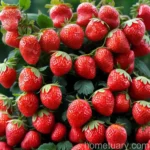
Fragaria x ananassa ‘Albion’ (Everbearing Strawberry): A Complete Guide
As a plant scientist specializing in horticulture, I am excited to share insights and tips about the Fragaria x ananassa ‘Albion’, commonly known as the Everbearing Strawberry. This versatile and delectable fruit, known for its continuous harvest and rich flavor, has captivated gardeners, chefs, and enthusiasts around the world. In this comprehensive guide, we will explore the key characteristics, cultivation techniques, and maintenance requirements of Fragaria x ananassa ‘Albion’, along with its myriad uses, culinary delights, and medicinal benefits.
What is Fragaria x ananassa ‘Albion’?
The Fragaria x ananassa ‘Albion’ is a remarkable variety of everbearing strawberry that belongs to the Rosaceae family. It is a hybrid of Fragaria chiloensis, originating from the Pacific coast of North America, and Fragaria virginiana native to the eastern United States. This hybridization has led to the development of a remarkable strawberry cultivar with superior flavor, disease resistance, and adaptability to various climates.
Key Takeaways – Fragaria x ananassa ‘Albion’ (Everbearing Strawberry)
The Fragaria x ananassa ‘Albion’ presents a range of characteristics and care requirements that make it a sought-after choice for both home gardeners and commercial growers. Here are some key takeaways about this fascinating variety:
- Everbearing strawberries are known for their ability to produce multiple harvests throughout the growing season, providing a continuous supply of delectable fruits.
- Fragaria x ananassa Albion is a specific cultivar within the everbearing strawberry category, prized for its exceptional flavor, disease resistance, and high yield.
- Care tips for Fragaria x ananassa ‘Albion’ encompass various aspects such as watering, sunlight, fertilization, soil requirements, and pruning to ensure optimal growth and fruit production.
- The ‘Albion’ variety is popular for both container gardening and traditional garden beds, offering flexibility for growers with limited space or those looking to incorporate strawberries into their landscaping.
- This cultivar exhibits excellent disease resistance and can be grown in a wide range of climates, making it a resilient and rewarding addition to home gardens and commercial operations.
Now, let’s delve deeper into the cultivation, uses, and maintenance of Fragaria x ananassa ‘Albion’, exploring how to maximize its potential in various settings.
Cultivation of Fragaria x ananassa ‘Albion’
Successfully cultivating Fragaria x ananassa ‘Albion’ requires a comprehensive understanding of its environmental preferences, soil requirements, and care routines. By meeting these needs, growers can ensure robust plant development, abundant fruiting, and long-term vitality. Let’s explore the key factors involved in growing this exceptional everbearing strawberry variety.
Water
A consistent and adequate water supply is essential for the successful cultivation of Fragaria x ananassa ‘Albion’. While these plants have moderate water needs, it is crucial to maintain even moisture in the soil, particularly during periods of active growth and fruit formation. Inadequate watering can lead to reduced fruit production, smaller berries, and increased susceptibility to stress and diseases. Conversely, overwatering may result in root rot and other water-related issues, compromising the plant’s health.
Watering Schedule
- Established plants should be watered deeply once or twice a week, depending on the prevailing weather conditions and soil moisture levels.
- During hot and dry spells, increased watering frequency may be necessary to prevent dehydration and ensure optimal fruit development.
- Mulching around the plants can help retain soil moisture, reduce evaporation, and minimize water stress, offering an effective moisture-conservation strategy.
Sunlight
Fragaria x ananassa ‘Albion’ thrives in full sunlight, preferring at least 6 to 8 hours of direct sunlight daily for vigorous growth and abundant fruiting. Adequate sunlight exposure promotes photosynthesis, which is crucial for the production of sugars and the development of succulent, flavorful berries. Insufficient sunlight can lead to weak, leggy growth, diminished fruit quality, and reduced overall productivity.
Sunlight Requirements
- Select a planting location that receives ample sunlight throughout the day, preferably with morning sun exposure to aid in the drying of dew and prevent fungal diseases.
- In regions with intense summer heat, providing some afternoon shade or utilizing shade cloth can protect the plants from excessive heat stress and sunscald while maintaining adequate light levels.
Fertilizer
Appropriate nourishment is vital for sustaining the health and productivity of Fragaria x ananassa ‘Albion’. Fertilizers provide essential nutrients that support plant growth, flower development, and fruit formation. Selecting the right fertilizer and applying it at the correct times can significantly enhance the vigor and yield of everbearing strawberries.
Fertilization Guidelines
- Use a balanced, slow-release fertilizer with equal proportions of nitrogen, phosphorus, and potassium to promote overall plant health and fruit production.
- Apply the first round of fertilizer in early spring as new growth emerges, and follow up with subsequent feedings every 4 to 6 weeks during the growing season.
- Avoid over-fertilizing, as excessive nitrogen can lead to excessive vegetative growth at the expense of fruiting and make the plants more susceptible to certain pests and diseases.
Soil
The soil composition and quality profoundly impact the growth, fruiting, and overall well-being of Fragaria x ananassa ‘Albion’. These plants thrive in well-draining, fertile soil with balanced moisture levels and a favorable pH range. Additionally, regular soil amendments and maintenance practices can enhance soil structure, fertility, and disease resistance.
Soil Requirements
- Optimal soil for everbearing strawberries is loamy, rich in organic matter, and slightly acidic, with a pH range of 5.5 to 6.5.
- Prior to planting, incorporate organic compost, well-rotted manure, or a specialized strawberry fertilizer to enrich the soil and provide essential nutrients.
- Periodically test the soil pH and make necessary adjustments using organic amendments to maintain the ideal growing conditions for Fragaria x ananassa ‘Albion’.
Pruning
Pruning plays a significant role in optimizing the growth, productivity, and longevity of Fragaria x ananassa ‘Albion’ plants. Proper pruning techniques help maintain plant vigor, improve air circulation, and enhance fruit quality by eliminating overcrowded and diseased foliage.
Pruning Techniques
- Regularly remove old, damaged, or yellowing leaves to promote new growth and reduce the risk of fungal infections and pest infestations.
- Trim off runners and excess daughter plants to direct the plant’s energy towards fruit production, resulting in larger, higher-quality berries.
- After the last harvest of the season, conduct a thorough pruning session to rejuvenate the plants, removing old foliage and thinning out dense clusters to stimulate new growth for the upcoming season.
Propagation
Expanding the Fragaria x ananassa ‘Albion’ population through reliable propagation methods is essential for maintaining a consistent supply of healthy, productive plants. Whether for personal use or commercial propagation, understanding the strategies for reproducing this everbearing strawberry variety is instrumental in sustaining and expanding its cultivation.
Propagation Techniques
- Propagate Fragaria x ananassa ‘Albion’ through division, runner plants, or tissue culture to generate genetically identical offspring with the desired traits and characteristics.
- Carefully select disease-free, vigorous parent plants with exemplary fruit quality to serve as propagation sources, ensuring the propagation of superior genetic material.
- Provide proper care and favorable growing conditions for newly propagated plants to establish strong root systems and acclimate to their environment, promoting successful establishment and future fruiting.
Uses of Fragaria x ananassa ‘Albion’
The Fragaria x ananassa ‘Albion’ presents an array of uses and benefits that extend beyond its delectable fruit. From culinary endeavors to landscape integration, this versatile everbearing strawberry variety enriches diverse aspects of human life and the natural environment. Let’s explore the various uses of Fragaria x ananassa ‘Albion’ and the ways in which it contributes to our well-being and surroundings.
Culinary Uses
One of the most celebrated applications of Fragaria x ananassa ‘Albion’ is its culinary versatility and delectable flavor profile. The succulent, aromatic berries make a delightful addition to an assortment of culinary creations, ranging from sweet treats to savory dishes and refreshing beverages.
Flavor Profile
- The ‘Albion’ strawberries boast a luscious, sweet-tart flavor with nuanced notes of floral and citrus, enhancing their appeal as a standalone snack or an accompaniment to various culinary preparations.
- Their firm, juicy texture and vibrant red color add visual appeal and sensory delight to desserts, salads, smoothies, preserves, and other gastronomic delights.
Culinary Applications
- Incorporate freshly picked Fragaria x ananassa ‘Albion’ berries into fruit salads, yogurt parfaits, and breakfast bowls for a burst of natural sweetness and nutritional value.
- Use them to create mouthwatering jams, jellies, and preserves that capture the essence of summer and provide a delightful spread for bread, pastries, and other culinary creations.
- Infuse their essence into beverages such as cocktails, mocktails, and fruit-infused waters, adding a refreshing and delectable twist to a variety of libations.
Medicinal Benefits
Beyond their delectable flavor, Fragaria x ananassa ‘Albion’ berries offer an array of health-promoting properties and nutritional benefits. Their rich array of vitamins, minerals, and phytonutrients contribute to their role as a natural source of wellness and vitality.
Nutritional Value
- These berries are rich in vitamin C, manganese, and antioxidants, which support immune function, collagen production, and cellular protection from oxidative stress.
- They also provide dietary fiber, folate, and potassium, offering digestive support, cardiovascular health benefits, and electrolyte balance.
Medicinal Applications
- Incorporate fresh or dried Fragaria x ananassa ‘Albion’ berries into herbal teas, tisanes, and infusions to harness their therapeutic properties and create soothing, health-promoting beverages.
- Utilize them in natural remedies, tinctures, or wellness products to leverage their antioxidant and anti-inflammatory properties for supporting overall health and well-being.
Landscape Integration
In addition to their culinary and medicinal value, Fragaria x ananassa ‘Albion’ plants make a charming and functional addition to various landscaping schemes. Their compact growth habit, attractive foliage, and prolific fruiting make them an appealing choice for both ornamental and edible gardens.
Groundcover Benefits
- Use Fragaria x ananassa ‘Albion’ as a low-maintenance groundcover in garden beds, borders, or mixed plantings, where their sprawling nature and verdant leaves create a visually pleasing carpet while suppressing weed growth.
Edible Landscaping
- Integrate everbearing strawberries into edible landscapes, urban gardens, and community spaces to showcase their ornamental appeal while providing a sustainable source of fresh, flavorful fruit for both residents and wildlife.
Popularity of Fragaria x ananassa ‘Albion’ in Container Gardening
The Fragaria x ananassa ‘Albion’ has gained substantial popularity in container gardening, appealing to growers with limited space, urban dwellers, and those seeking to cultivate strawberries in controlled environments. Its suitability for container cultivation and adaptability to diverse growing conditions have positioned ‘Albion’ as a favored choice for balcony gardens, rooftop terraces, and small-scale horticultural endeavors.
Container Requirements
Successfully growing Fragaria x ananassa ‘Albion’ in containers hinges on providing suitable growing conditions and meeting the unique needs of plants cultivated in confined spaces. By understanding the requirements and challenges associated with container gardening, growers can optimize the growth and fruiting of everbearing strawberries in various urban and restricted settings.
Container Selection
- Choose spacious, well-draining containers with ample depth and adequate volume to accommodate the root system and support healthy growth and fruit production.
- Consider terracotta, plastic, or wooden containers that provide good insulation, facilitate air circulation, and offer visual appeal while ensuring a favorable environment for the plants.
Soil Considerations
- Use high-quality, well-draining potting mix specifically formulated for strawberries or amend standard potting soil with perlite, vermiculite, or coarse sand to improve drainage and aeration.
- Regularly monitor moisture levels and avoid waterlogged conditions that can lead to root rot and other moisture-related issues common in containerized plants.
Watering Practices
- Provide consistent and balanced moisture for container-grown Fragaria x ananassa ‘Albion’, ensuring that the soil remains evenly moist without becoming saturated or drying out excessively.
- Adjust the frequency and volume of watering based on environmental conditions, plant growth stage, and container size to meet the specific needs of the everbearing strawberries.
Common Diseases and Disease Diagnosis for Fragaria x ananassa ‘Albion’
The cultivation of Fragaria x ananassa ‘Albion’ is susceptible to certain diseases that can compromise plant health, fruit quality, and overall productivity. Recognizing the symptoms, understanding the causal agents, and implementing effective disease management strategies are paramount for preventing and mitigating disease outbreaks in everbearing strawberry crops.
Common Diseases
Several diseases pose potential threats to Fragaria x ananassa ‘Albion’ plants, impacting various parts of the plant and influencing growth, fruiting, and long-term vitality. Familiarizing oneself with the symptoms and diagnostic indicators of these diseases is crucial for prompt intervention and effective control.
Common Diseases
- Anthracnose: Characterized by dark, sunken lesions on fruit, leaves, and stems, anthracnose is caused by fungal pathogens that thrive in warm, humid conditions, leading to reduced crop quality and quantity.
- Botrytis Fruit Rot: Also known as gray mold, botrytis fruit rot causes grayish-brown mold on ripening strawberries, often exacerbated by prolonged wet conditions and poor air circulation.
- Powdery Mildew: Exhibiting as white, powdery patches on leaves and stems, powdery mildew is a fungal disease favored by high humidity and reduced air movement, potentially stunting plant growth and compromising fruit development.
- Verticillium Wilt: A soil-borne fungal disease affecting the vascular system, verticillium wilt causes wilting, browning of leaves, and decline in fruit quality, posing a persistent challenge to impacted plants.
Disease Diagnosis
- Regularly inspect Fragaria x ananassa ‘Albion’ plants for signs of abnormal growth, discoloration, wilting, lesions, and other symptoms indicative of fungal, bacterial, or viral diseases.
- Consult extension services, plant clinics, or diagnostic laboratories for accurate disease diagnosis, enabling targeted and effective management strategies tailored to the specific pathogens and conditions.
Disease Management
Implementing proactive disease management practices and integrated pest management (IPM) strategies is essential for mitigating the impact of diseases on Fragaria x ananassa ‘Albion’ crops. By combining cultural, biological, and chemical control methods, growers can safeguard their plants and ensure the sustained productivity and health of their everbearing strawberries.
Cultural Practices
- Maintain adequate plant spacing, promote good air circulation, and practice proper sanitation by removing diseased plant material and debris to reduce disease pressure and limit pathogen spread.
- Optimize growing conditions, including soil moisture, sunlight exposure, and nutrition, to bolster plant health and resilience, minimizing susceptibility to diseases.
Biological Controls
- Introduce beneficial organisms such as predatory mites and parasitic fungi to combat pest and disease populations, integrating natural enemies into the agricultural ecosystem to manage pathogens and reduce reliance on synthetic pesticides.
Chemical Treatments
- Utilize targeted fungicides, bactericides, or botanical extracts following accurate disease diagnosis and consistent with recommended application practices to control disease outbreaks and prevent their recurrence.
Common Pests Affecting Fragaria x ananassa ‘Albion’
In addition to diseases, Fragaria x ananassa ‘Albion’ is vulnerable to various pests that can compromise plant health, inhibit growth, and diminish fruit quality. Identifying the key pests, understanding their life cycles, and implementing effective pest management strategies is crucial for protecting everbearing strawberries from infestations and associated damage.
Common Pests
Pests present a persistent challenge to Fragaria x ananassa ‘Albion’, affecting different plant parts and developmental stages and necessitating proactive monitoring and management to safeguard plant vitality and fruit production.
Common Pests
- Spider Mites: These minuscule pests feed on plant sap, causing stippling, discoloration, and webbing on leaves, which can weaken the plant and diminish its vigor.
- Aphids: Small, sap-sucking insects, aphids can distort new growth, excrete honeydew, and transmit viral diseases, leading to stunted growth and reduced fruiting in infested plants.
- Thrips: Thrips can cause silvery stippling, distortion, and premature senescence of leaves, affecting the aesthetics and overall productivity of Fragaria x ananassa ‘Albion’.
Pest Management
Implementing an integrated pest management (IPM) approach is essential for effectively managing pest populations and minimizing their impact on everbearing strawberries. By combining cultural, biological, and targeted chemical control methods, growers can protect their plants from pest infestations while minimizing environmental impact and ensuring fruit quality.
Cultural Controls
- Encourage natural enemies such as ladybugs, lacewings, and predatory mites by providing habitat diversity, nectar-rich plants, and shelter, supporting a balanced ecosystem and natural pest control.
- Maintain plant hygiene, eliminate weed hosts, and remove debris to reduce pest habitats and limit infestation opportunities, enhancing the overall health and vigor of Fragaria x ananassa ‘Albion’ plants.
Biological Controls
- Introduce beneficial organisms such as parasitic wasps, predatory insects, and nematodes that target specific pests without harming beneficial organisms, providing sustainable and targeted pest management solutions.
Chemical Treatments
- Employ selective insecticides and miticides targeting the identified pests while minimizing impact on non-target organisms, following label instructions and focusing application on affected areas to achieve pest control without compromising plant health.
Botanist’s Tips for Growing Fragaria x ananassa ‘Albion’
As a plant scientist and horticulturist, I am pleased to share some expert tips for growing Fragaria x ananassa ‘Albion’ successfully. These recommendations, based on scientific principles and practical experience, can help ensure optimal plant health, abundant fruiting, and a rewarding cultivation experience for enthusiasts and commercial growers alike.
Tip 1: Selecting Optimal Planting Site
When choosing a location for cultivating Fragaria x ananassa ‘Albion’, prioritize a site with well-draining soil, ample sunlight exposure, and good air circulation. Additionally, consider the proximity to water sources, potential wind exposure, and compatibility with other garden plants to create favorable growing conditions for everbearing strawberries.
Tip 2: Amending Soil for Nutrient-Rich Foundation
Enrich the planting area with organic compost, aged manure, or specialized strawberry fertilizer to establish a nutrient-rich foundation that