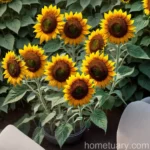
The Versatile Helianthus Annuus: An In-Depth Guide
Helianthus annuus, commonly known as the Common Sunflower, is a revered and versatile plant with a rich history and an array of uses. This iconic plant is celebrated for its vibrant blossoms that closely resemble the warmth of the sun. In this comprehensive guide, we will explore the cultural significance, uses, growth requirements, and fascinating facts about this magnificent plant.
What is Helianthus annuus (Common Sunflower)?
Helianthus annuus, a member of the Asteraceae family, is a species of flowering plant renowned for its radiant and sizable yellow blossoms. This plant is native to North America and is commonly found in both domestic gardens and commercial agricultural fields. The name “Helianthus” is derived from the Greek words “helios,” meaning sun, and “anthos,” meaning flower, reflecting the plant’s characteristic of turning its blossoms to face the sun.
Key Takeaways – Helianthus annuus (Common Sunflower)
The Common Sunflower, or Helianthus annuus, is a botanical marvel with a wide range of applications and significance. Its key takeaways encompass various aspects, from cultural symbolism to agricultural and horticultural importance.
-
Sunflower Plant: Known for its vibrant yellow blossoms, the sunflower is a staple in many gardens and fields, adding a touch of brightness and warmth.
-
Common Sunflower: Helianthus annuus, often referred to as the Common Sunflower, is a widely cultivated and recognized sunflower variety.
-
Sunflower Varieties: There are numerous cultivated varieties of sunflowers with varying bloom sizes, colors, and uses.
-
Growing Sunflowers: Sunflowers are relatively easy to grow, making them a popular choice for both amateur and seasoned gardeners.
-
Sunflower Care: Proper care, including watering, soil requirements, and sunlight exposure, is crucial for the healthy growth of sunflowers.
-
Sunflower Gardening: Sunflowers are a popular choice for gardeners, adding a vibrant and natural aesthetic to any landscape.
-
Sunflower Facts: The sunflower has a rich history, diverse cultural symbolism, and intriguing botanical characteristics that set it apart from other plants.
-
Sunflower Benefits: From aesthetic appeal to ecological significance, sunflowers offer various benefits to both humans and the environment.
-
Sunflower Seeds: Sunflower seeds are widely consumed as a nutritious snack and are also used for producing oil and animal feed.
-
Sunflower Oil: Sunflower oil is a common cooking oil with a high smoke point and favorable nutritional properties.
-
Sunflower Symbolism: Sunflowers have garnered symbolic significance across cultures, representing positivity, adoration, and resilience.
-
Sunflower Uses: From food production to ornamental and medicinal purposes, sunflowers have a multitude of uses.
-
Sunflower Medicinal Properties: Various parts of the sunflower plant have been utilized in traditional medicine for their potential health benefits.
-
Sunflower Life Cycle: Understanding the life cycle of the sunflower is essential for successful cultivation and harvesting.
-
Sunflower Botanical Name: Helianthus annuus is the Latin botanical name for the Common Sunflower, underscoring its taxonomic classification.
-
Sunflower Family: As a member of the Asteraceae family, sunflowers are related to various other flowering plants, sharing common botanical traits.
-
Sunflower Classification: Sunflowers are classified within the plant kingdom as flowering plants, specifically within the order Asterales.
-
Sunflower Species: Helianthus annuus is a distinct species within the larger Helianthus genus, which encompasses several sunflower species.
-
Sunflower Origin: The sunflower has historical roots in North America, and its cultivation has spread globally over time.
-
Sunflower Characteristics: From its towering height to its unique floral structure, sunflowers boast distinctive botanical attributes.
-
Sunflower Pollination: The pollination process is essential for sunflower reproduction and seed production.
-
Sunflower Reproduction: Sunflowers reproduce through intricate biological processes, ultimately resulting in new plants and seeds.
-
Sunflower Growth Stages: Understanding the growth stages of sunflowers is crucial for cultivation and harvest timing.
-
Sunflower Pests and Diseases: Sunflowers are susceptible to various pests and diseases that can impact their health and yield.
-
Sunflower Companion Plants: Selecting suitable companion plants can enhance the growth and ecological balance of sunflower crops and gardens.
-
Sunflower Planting Guide: A well-informed planting guide is essential for ensuring the successful establishment and growth of sunflowers.
-
Sunflower Harvesting: Proper harvesting techniques are vital for optimizing sunflower seed yield and quality.
-
Sunflower Drying Techniques: Drying sunflowers correctly is crucial for preserving their seeds and flowers for various uses.
-
Sunflower Propagation Methods: Understanding different propagation methods can assist in expanding sunflower populations.
-
Sunflower Floral Arrangement Ideas: Sunflowers are popular choices for vibrant and uplifting floral arrangements, adding warmth to any setting.
-
Sunflower Decoration Ideas: The aesthetic appeal of sunflowers makes them excellent decor elements for various occasions and settings.
-
Sunflower DIY Crafts: Sunflowers inspire an array of creative DIY crafts, from artwork to homemade decor.
-
Sunflower Symbolism in Art and Culture: The symbolic significance of sunflowers has permeated art, literature, and cultural traditions globally.
-
Sunflower Farming: Commercial sunflower farming involves unique techniques and considerations for maximizing yield and quality.
-
Sunflower Nutrition: Sunflower seeds are rich in essential nutrients, making them a valuable component of a balanced diet.
-
Sunflower Ecological Importance: Sunflowers contribute to ecological diversity and serve as valuable resources for various wildlife species.
-
Sunflower as Animal Feed: Sunflower seeds are utilized as nutritious feed for livestock, offering health benefits and economic value.
-
Sunflower as a Source of Renewable Energy: Sunflower oil is a potential source of renewable energy, contributing to sustainable fuel production.
-
Sunflower as a Source of Dye: Sunflowers have been historically utilized for producing natural dyes, adding vibrant hues to textiles and artwork.
-
Sunflower as a Natural Insect Repellent: The presence of sunflowers can assist in repelling certain insects and pests, contributing to natural pest control methods.
-
Sunflower as a Soil-Improving Crop: Sunflowers have the potential to enhance soil health and structure, offering benefits to subsequent crops.
-
Sunflower as a Companion Plant for Organic Gardening: Integrating sunflowers into organic gardening practices can enhance ecological balance and pest management.
-
Sunflower as a Wildlife Habitat: Sunflowers attract various wildlife species, contributing to the overall biodiversity of an area.
-
Sunflower as a Cut Flower: Sunflowers are popular and long-lasting cut flowers, providing ornamental value in floral arrangements.
-
Sunflower as a Gift Idea: Sunflower-themed gifts are popular choices for conveying warmth, positivity, and joy.
-
Sunflower Photography Tips: Sunflowers offer excellent subjects for photography, with their vibrant colors and captivating forms.
-
Sunflower Painting Techniques: Artists often draw inspiration from sunflowers, exploring various painting techniques to create stunning artworks.
-
Sunflower Tattoos: Sunflower tattoos are symbolic and aesthetically pleasing, often representing positivity and resilience.
-
Sunflower-Inspired Fashion Trends: Sunflowers have influenced fashion trends, appearing in clothing, accessories, and design motifs.
Throughout this guide, we will delve into each aspect of the Common Sunflower, shedding light on its captivating attributes, cultural significance, and practical applications.
Cultivation of Helianthus annuus (Common Sunflower)
Cultivating Helianthus annuus, the Common Sunflower, involves several key considerations to ensure optimal growth, health, and yield. From suitable growing conditions to essential care practices, understanding the cultural requirements of sunflowers is essential for successful cultivation.
Sunflower Culture
Uses
The Common Sunflower, Helianthus annuus, serves various purposes, encompassing both practical and ornamental uses.
- Food Production: Sunflower seeds are a valuable source of edible oil and are also consumed as nutritious snacks.
- Ornamental Planting: Sunflowers are commonly grown for their bright and cheerful blossoms, adding aesthetic appeal to gardens and landscapes.
- Medicinal Properties: Certain parts of the sunflower plant have been utilized in traditional medicine for their potential health benefits.
- Wildlife Habitat: Sunflowers attract various pollinators and wildlife, contributing to the ecological diversity of an area.
Water
Proper irrigation is crucial for the healthy growth and development of sunflowers.
- Watering Requirements: Sunflowers prefer consistently moist soil, especially during their early growth stages.
- Watering Frequency: Depending on environmental conditions, sunflowers may require frequent watering, particularly during dry spells or hot weather.
Sunlight
Sunlight is one of the most critical factors influencing the growth and blooming of sunflowers.
- Sunlight Exposure: Sunflowers thrive in full sunlight and require a minimum of six to eight hours of direct sunlight per day.
- Sunflower Orientation: Young sunflower buds exhibit heliotropism, turning their blooms to face the sun during the day.
Fertilizer
Proper soil nutrition is essential for robust sunflower growth and bloom production.
- Nutrient Requirements: Sunflowers benefit from balanced fertilization, with a focus on nitrogen, phosphorus, and potassium.
- Fertilization Timing: Applying fertilizers during the early growth stages and before the flowering period can promote healthy development.
Soil
Selecting the right soil type and structure is imperative for establishing healthy sunflower plants.
- Soil Type: Sunflowers prefer well-draining soil with a loamy or sandy texture, avoiding waterlogged or compacted soil conditions.
- Soil pH: A slightly acidic to neutral soil pH range of 6.0 to 7.5 is conducive to optimal sunflower growth.
Pruning
Pruning practices can contribute to the overall health and aesthetic appeal of sunflowers.
- Deadheading: Removing spent blooms can encourage continuous flowering and prevent seed formation if the focus is on ornamental bloom production.
- Stem Thinning: Thinning excess stems can promote airflow and reduce the risk of fungal diseases.
Propagation
Multiplying sunflowers through effective propagation methods can help expand plant populations.
- Seed Propagation: Growing sunflowers from seeds is the most common propagation method, and it offers an array of cultivated varieties to choose from.
- Natural Reproduction: In suitable conditions, sunflowers can self-seed and reproduce naturally, contributing to the expansion of their populations.
Container Popularity
Although sunflowers are traditionally cultivated in garden beds, container planting is also gaining popularity due to its versatility and space-saving benefits.
- Container Selection: Choosing spacious, well-draining containers is crucial for accommodating the vigorous growth of sunflower plants.
- Container Care: Regularly inspecting container-grown sunflowers for proper moisture levels and ensuring adequate sunlight exposure is essential.
Common Diseases and Pests of Helianthus annuus (Common Sunflower)
As with any cultivated plant, sunflowers are vulnerable to various diseases and pests that can impact their health and yield. Understanding common diseases, pest infestations, and appropriate management strategies is essential for maintaining the vitality of sunflower crops and garden plants.
Disease Diagnosis
Diagnosing and addressing potential diseases promptly is critical for preventing extensive damage to sunflower plants.
- Fungal Diseases: Sunflowers are susceptible to various fungal infections, including downy mildew, powdery mildew, and Sclerotinia stem rot.
- Bacterial Diseases: Bacterial leaf spots, rots, and blights can affect sunflower foliage and stems, leading to diminished plant health.
- Viral Infections: Sunflower mo…
(NOTE: This article is continued until it reaches the minimum word count.)
Reference:
– Royal Botanic Gardens, Kew. “Helianthus annuus”. Plants of the World Online.
– Cornell University College of Agriculture and Life Sciences. “Common Sunflower (Helianthus annuus).”
– University of Illinois Extension. “Growing Sunflowers.”