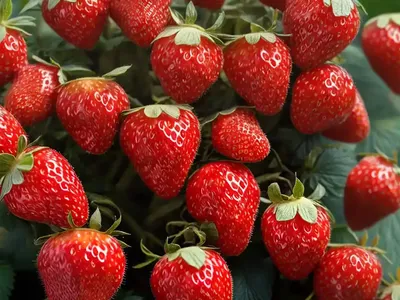
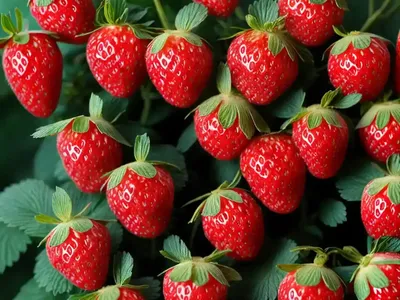
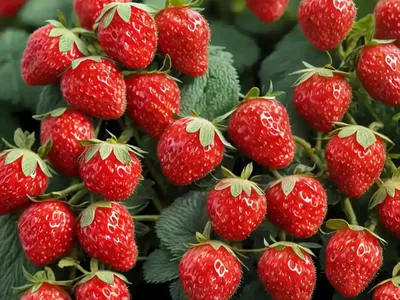
Beach Strawberry (Fragaria Chiloensis)
When it comes to gardening, strawberries are a popular choice for many enthusiasts. However, there are several varieties of strawberries, each with its own.

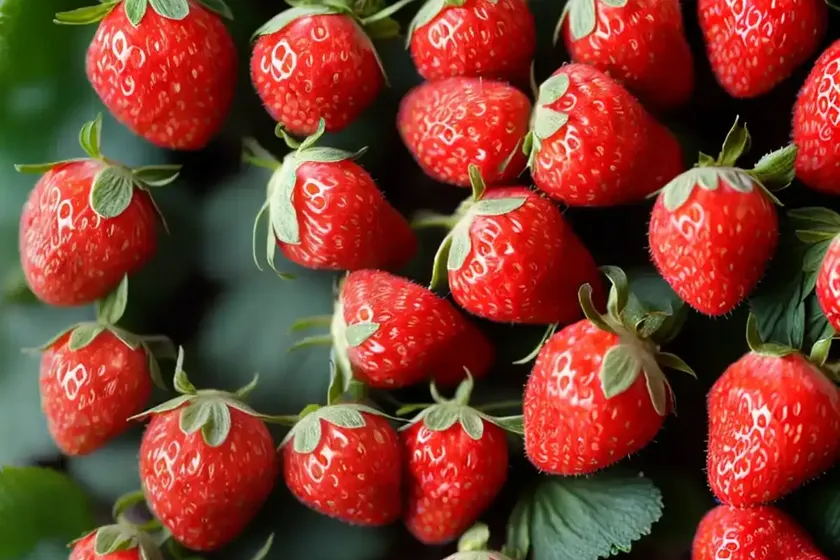
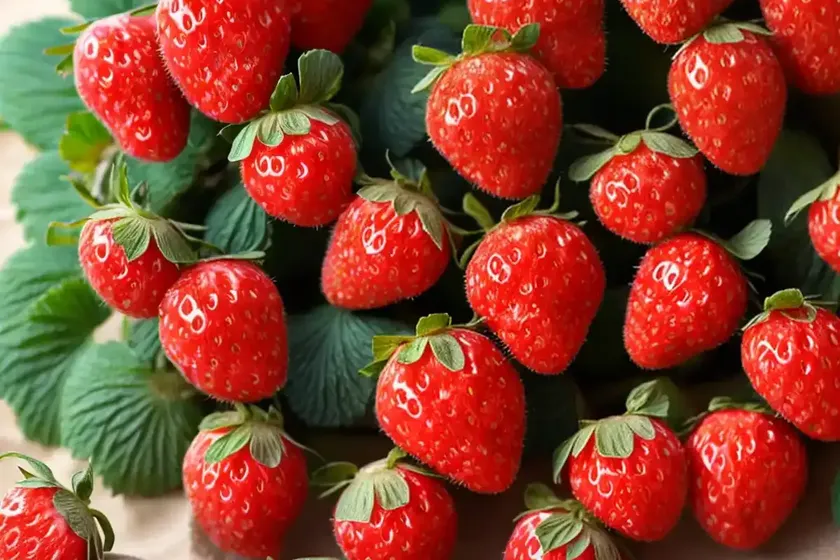
When it comes to gardening, strawberries are a popular choice for many enthusiasts. However, there are several varieties of strawberries, each with its own unique characteristics and requirements. In this comprehensive guide, we will delve into the world of Fragaria chiloensis, commonly known as the Beach Strawberry. We will explore its cultivation, care tips, uses, and much more. Let’s dig in and discover the wonders of this coastal beauty.
What is Beach Strawberry (Fragaria Chiloensis)?
Beach Strawberry, scientifically known as Fragaria chiloensis, is a species of strawberry native to the Pacific coast of North and South America. This species is particularly unique due to its ability to thrive in coastal environments, making it a popular choice for landscapers and gardeners in these regions.
The Beach Strawberry is a low-growing perennial plant that produces small, flavorful fruits. Its spreading habit and tolerance to salty conditions make it a valuable ground cover in coastal gardens. The plant features trifoliate leaves and delicate white flowers, adding to its ornamental appeal.
Key Takeaways – Beach Strawberry (Fragaria Chiloensis)
Before we dive deeper into the specifics of Beach Strawberry cultivation and care, let’s have a quick overview of the key takeaways.
- Cultivation: Fragaria Chiloensis is adaptable to coastal regions and can be grown in various climates.
- Care Tips: Providing the right balance of water, sunlight, and soil nutrients is crucial for the optimal growth of Beach Strawberries.
- Uses: Apart from its culinary uses, Beach Strawberries are also employed in landscaping and erosion control.
- Water: Regular watering is important, especially in drier climates.
- Sunlight: Requires moderate to full sunlight for healthy growth and fruit production.
- Fertilizer: Balanced fertilization is essential for the plant’s overall health and fruit development.
- Soil: Well-drained, slightly acidic soil is ideal for cultivating Beach Strawberries.
- Pruning: Periodic pruning helps maintain the plant’s shape and promotes better fruiting.
- Propagation: Can be propagated through various methods such as division and seed starting.
- Container Gardening: Suitable for container planting, allowing urban gardeners to enjoy this coastal gem.
- Common Diseases: Susceptible to certain diseases that require monitoring and management.
- Common Pests: Be on the lookout for pests that can potentially damage the plant.
- Fun Facts: Discover interesting facts and tidbits about Beach Strawberries.
Now, let’s delve into the details of Beach Strawberry (Fragaria chiloensis) cultivation.
Cultivation
When considering the cultivation of Beach Strawberries, it is essential to understand the specific needs of the plant to ensure its successful growth and development. Fragaria chiloensis is known for its adaptability to coastal environments, making it a sought-after addition to gardens near the ocean. The following factors are crucial to consider when cultivating Beach Strawberries:
-
Climate Requirements: Fragaria chiloensis is adaptable to various climates, but it thrives in coastal regions. It can tolerate mild frosts and prefers cooler temperatures, making it well-suited for coastal gardens and areas with maritime influence.
-
Soil Preferences: The plant prefers well-drained, slightly acidic soil with a pH ranging from 5.5 to 6.8. It is important to ensure good drainage to prevent waterlogging, which can lead to root rot.
-
Sun Exposure: Beach Strawberries require moderate to full sunlight for optimal growth. In areas with hotter climates, providing partial shade during the hottest part of the day can help prevent excessive heat stress.
-
Water Needs: Maintaining adequate soil moisture is crucial for Beach Strawberries, especially during the fruiting season. While they are tolerant of salty conditions due to their coastal origins, regular watering is essential, particularly in drier environments.
-
Adaptability to Coastal Regions: Fragaria chiloensis is well-suited for coastal gardens and is known for its ability to thrive in salty air and sandy soils. This adaptability makes it a valuable addition to landscapes near the coast.
Uses
The Beach Strawberry (Fragaria chiloensis) boasts a range of uses, making it a versatile and valuable plant in both culinary and landscaping contexts. Let’s explore its various uses and benefits:
-
Culinary Uses: The fruits of Beach Strawberries are small but packed with flavor. They are often used fresh in salads, desserts, and preserves. Their unique sweetness and aroma add a delightful touch to culinary creations, making them a favorite among chefs and home cooks.
-
Landscaping: Fragaria chiloensis is a popular choice for ground cover in coastal gardens. Its spreading habit and ability to withstand salty conditions make it an ideal plant for stabilizing soil and preventing erosion in coastal landscapes.
-
Erosion Control: Due to its trailing growth habit and tolerance to coastal conditions, Beach Strawberries are commonly used for erosion control on slopes and embankments. The dense foliage helps prevent soil erosion, making it an eco-friendly solution for landscaping challenges.
With an understanding of the cultivation, uses, and benefits of Beach Strawberries, it’s time to delve into the specific care requirements for nurturing these coastal gems.
Care Tips
To ensure the healthy growth and bountiful harvest of Beach Strawberries, it is important to provide proper care and attention to these plants. From water and sunlight to soil and fertilizer, each element plays a critical role in the overall well-being of Fragaria chiloensis. Here are some essential care tips for cultivating Beach Strawberries:
-
Water: Regular watering is essential, particularly during dry periods. Adequate soil moisture is crucial for healthy fruit development. While Beach Strawberries have some tolerance to salty conditions, they still require consistent watering, especially in coastal regions with limited rainfall.
-
Sunlight: Provide moderate to full sunlight for Beach Strawberries to thrive. In hotter climates, partial shade during the hottest part of the day can help prevent heat stress and sunburn on the leaves.
-
Fertilizer: A balanced fertilizer, such as a 10-10-10 NPK formulation, can support the plant’s growth and fruit production. Apply fertilizer in early spring when new growth emerges, and again after the first wave of fruiting to provide essential nutrients.
-
Soil: Ensure the planting area has well-drained, slightly acidic soil with a pH ranging from 5.5 to 6.8. Amending the soil with organic matter can help improve drainage and provide essential nutrients for the plants.
-
Pruning: Periodic pruning helps maintain the plant’s shape, remove old foliage, and promote better fruiting. Trim back any runners that may lead to over-spreading or overcrowding.
Now, let’s shift our focus to propagation methods, as the ability to propagate Beach Strawberries is essential for expanding your strawberry patch.
Propagation
Beach Strawberries (Fragaria chiloensis) can be propagated through various methods, including division, seed starting, and runners. Here’s a closer look at the different propagation techniques:
-
Division: Dividing established Beach Strawberry plants allows you to create new clumps and expand your strawberry patch. This method is best carried out in early spring or fall when the plants are relatively dormant.
-
Seed Starting: Growing Beach Strawberries from seed is another viable option for propagation. Start the seeds indoors in late winter and transplant the seedlings outdoors after the last frost date in your area.
-
Runners: Beach Strawberries naturally produce runners, which are horizontal stems that grow along the soil surface. These runners can be carefully detached from the parent plant and replanted in a new location to establish new strawberry plants.
With the knowledge of propagation methods, you can easily expand your Beach Strawberry collection and share the joy of growing these coastal beauties with fellow gardeners.
Container Gardening
The versatility of Beach Strawberries makes them suitable for container gardening, enabling urban gardeners and those with limited outdoor space to enjoy these delightful fruits. When growing Beach Strawberries in containers, consider the following tips for success:
- Container Size: Choose a sufficiently large container that allows the roots to spread and the plant to thrive. A container with a minimum diameter of 12 inches is recommended for each strawberry plant.
- Drainage: Ensure the container has adequate drainage holes to prevent waterlogging, which can lead to root rot. Using a well-draining potting mix is also essential.
- Sunlight: Place the containers in a location that receives at least 6-8 hours of sunlight per day. You can move the containers to a shadier spot during the hottest part of the day in extremely hot climates.
- Watering: Consistent watering is crucial for container-grown Beach Strawberries. Check the moisture level regularly and water when the top inch of the soil feels dry to the touch.
By following these container gardening tips, you can successfully cultivate Beach Strawberries even in limited outdoor spaces, adding a touch of coastal allure to your urban garden.
Common Diseases
While Beach Strawberries are relatively resilient plants, they are susceptible to certain diseases that can impact their overall health and fruit production. Understanding these common diseases and their management is crucial for safeguarding your plants. Some of the common diseases that may affect Fragaria chiloensis include:
-
Powdery Mildew: This fungal disease appears as a powdery white coating on the leaves, affecting the plant’s ability to photosynthesize. Fungicidal sprays and maintaining good airflow around the plants can help manage powdery mildew.
-
Verticillium Wilt: This soil-borne fungal disease can cause wilting and yellowing of the foliage. Proper soil sanitation and using resistant varieties can help prevent the spread of Verticillium wilt.
-
Botrytis Fruit Rot: Also known as gray mold, this fungal disease affects the fruits, causing them to rot. Removing affected fruits and enhancing air circulation can help manage Botrytis fruit rot.
Being vigilant and monitoring your Beach Strawberry plants for signs of diseases is essential for timely intervention and management to prevent the spread of infections.
Disease Diagnosis
Diagnosing diseases in Beach Strawberries may involve careful observation of the plant’s foliage, fruits, and overall growth. Look out for symptoms such as wilting, discoloration, unusual spots, or abnormal growth patterns. In some cases, sending samples to a plant pathology lab for professional diagnosis can provide accurate insights and guide targeted treatment measures.
Common Pests
In addition to diseases, Beach Strawberries may also face challenges from various pests that can potentially damage the plants and reduce fruit yields. Some of the common pests that may affect Fragaria chiloensis include:
-
Aphids: These small insects can congregate on the undersides of leaves and along the stems, sucking sap from the plant. Insecticidal soaps or horticultural oils can be used to control aphid populations.
-
Spider Mites: These tiny arachnids can cause stippling and webbing on the leaves, impacting the plant’s health. Regularly spraying the foliage with water and using predatory mites can help manage spider mite infestations.
-
Slugs and Snails: These mollusks can feed on both the foliage and fruits of Beach Strawberries. Creating barriers and using organic slug and snail baits can help protect the plants from these pests.
By identifying and addressing pest issues promptly, you can protect your Beach Strawberry plants and minimize the impact of pest damage.
Botanist’s Tips
As a botanist, I’ve spent considerable time studying and working with plants, including the fascinating Fragaria chiloensis. Here are some additional tips to help you achieve success in cultivating Beach Strawberries:
-
Mulching: Applying a layer of organic mulch around the plants can help retain soil moisture, regulate temperature, and suppress weed growth. This is particularly beneficial in coastal gardens with sandy soils.
-
Companion Planting: Consider companion planting with beneficial herbs and flowers to attract pollinators, repel pests, and create a biodiverse garden ecosystem.
-
Winter Care: In colder climates, protect Beach Strawberry plants from extreme winter conditions by covering them with mulch or frost blankets to insulate and shield them from harsh temperatures.
-
Pollination: Encourage pollination by attracting bees and other pollinators to your garden. The presence of pollinators can enhance fruit set and ensure robust harvests.
By incorporating these botanist’s tips into your gardening practices, you can support the health and vitality of your Beach Strawberry plants, leading to bountiful harvests and lush, thriving foliage.
Fun Facts
As we wrap up our exploration of Beach Strawberries, here are some enticing fun facts about Fragaria chiloensis to further pique your interest:
- The Beach Strawberry (Fragaria chiloensis) is one of the parent species of the cultivated garden strawberry, Fragaria x ananassa.
- Beach Strawberries are known for their intense flavor and aromatic profile, making them a favorite among fruit enthusiasts and culinary artists.
- In addition to its culinary and ornamental uses, Beach Strawberries have ecological value, providing habitat and food for various wildlife species.
- The attractive white flowers of Fragaria chiloensis add a delightful touch to gardens, attracting pollinators and enhancing the visual appeal of landscapes.
Discovering these charming and intriguing facts about Fragaria chiloensis further underscores its value and allure as a desirable plant for gardens and landscapes.
Links to External Resources
Here are some valuable external resources for further information on Beach Strawberries and related topics:
- University of California Agriculture and Natural Resources: Strawberries
- Royal Horticultural Society: Growing Strawberries
- American Phytopathological Society: Plant Disease Lessons
These resources provide in-depth insights into various aspects of growing and caring for Beach Strawberries, as well as managing diseases and pests that may affect strawberry plants.
In conclusion, Beach Strawberries (Fragaria chiloensis) offer not only delectable fruit but also ornamental and ecological benefits. From their adaptability to coastal regions to their uses in culinary creations and erosion control, these plants are truly gems of the coastal landscape. By understanding their specific needs, from water and sunlight to soil and care practices, you can cultivate thriving Beach Strawberry plants and enjoy the delightful rewards they offer.
With this comprehensive guide, you are well-equipped to embark on your journey of growing and nurturing Beach Strawberries, whether in a coastal garden, urban balcony, or traditional landscape. Embrace the beauty and flavors of Fragaria chiloensis, and let these coastal wonders enrich your gardening experiences.
Thank you for joining me on this exploration of Beach Strawberries. Happy gardening!