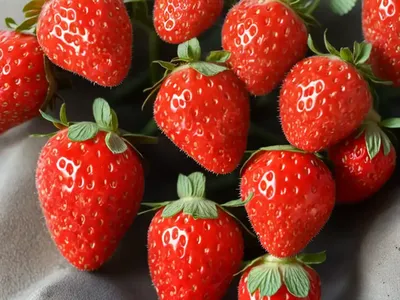
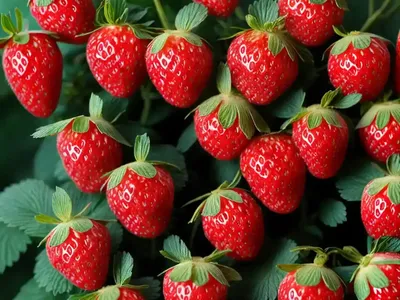
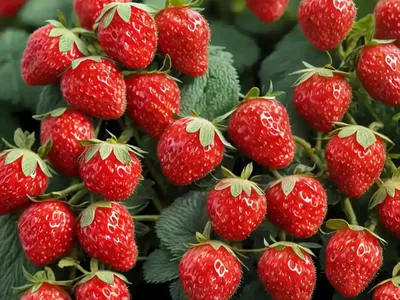
Scarlet Strawberry (Fragaria Virginiana)
Strawberries are not just delicious fruits; they are also lovely plants that you can easily grow in your garden or even in containers. The Scarlet.
Introduction
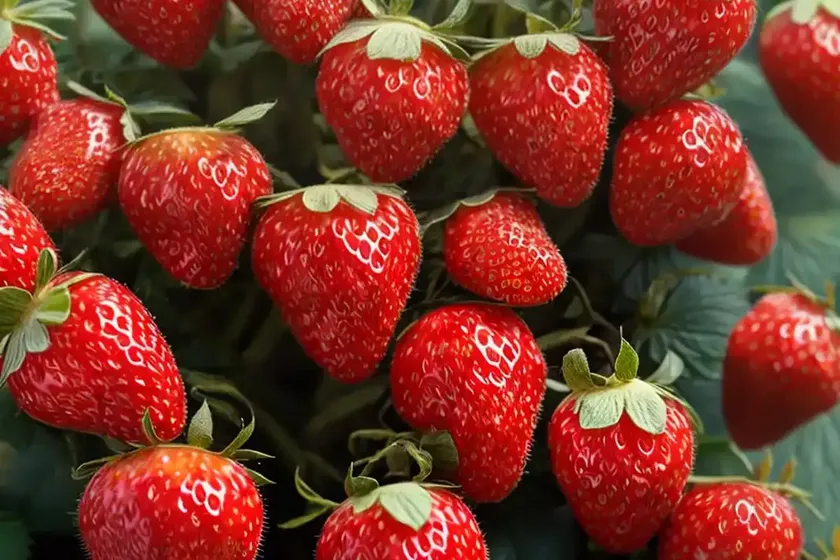
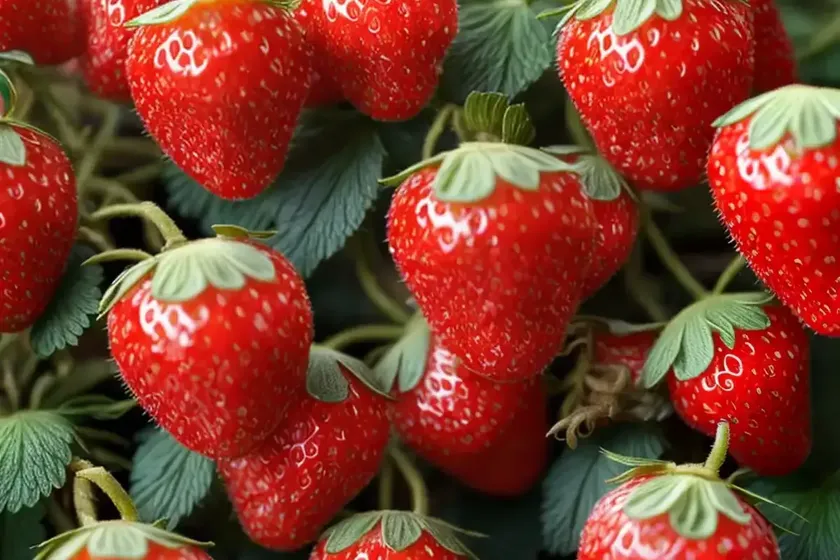
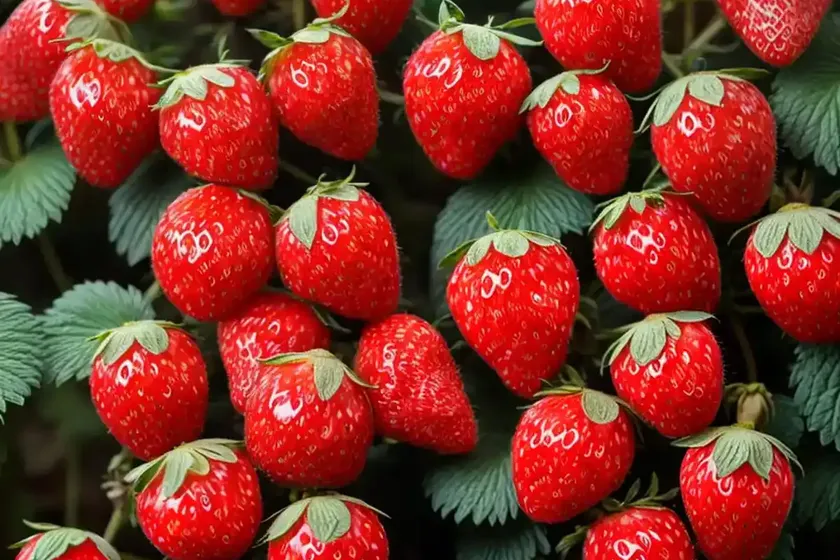
Strawberries are not just delicious fruits; they are also lovely plants that you can easily grow in your garden or even in containers. The Scarlet Strawberry, scientifically known as Fragaria Virginiana, is a native North American strawberry species that captivates with its sweet, aromatic fruits and charming white flowers. This comprehensive guide will provide you with everything you need to know about the Fragaria Virginiana, from cultivation and care to its uses, diseases, and pests. Whether you are a seasoned gardener or a beginner enthusiast, this guide will help you successfully grow and enjoy the Scarlet Strawberry.
What is the Scarlet Strawberry (Fragaria Virginiana)?
The Scarlet Strawberry, or Fragaria Virginiana, is a species of strawberry native to North America. It belongs to the rose family, Rosaceae, and is known for its small, sweet, and flavorful fruits. This plant typically produces white flowers before bearing the delicious red strawberries that are enjoyed by humans, birds, and other wildlife.
Key Takeaways – Scarlet Strawberry (Fragaria Virginiana)
Before delving into the specifics of caring for the Scarlet Strawberry, let’s take a look at some key takeaways about this delightful plant:
-
Cultivation Zone: Fragaria Virginiana is native to North America and is well-adapted to a wide range of growing conditions across the continent.
-
Flowering and Fruiting: The delightful white flowers of the Fragaria Virginiana precede the bountiful harvest of small, red strawberries.
-
Hardiness: Known for its resilience, Fragaria Virginiana is a hardy plant that can withstand various weather and soil conditions.
-
Wildlife Attraction: The Scarlet Strawberry’s sweet fruits are not only loved by humans but also attract birds and wildlife to the garden.
-
Ornamental Value: In addition to its delectable fruits, the Fragaria Virginiana is a charming ornamental plant with its attractive white flowers and lush green foliage.
Now, let’s explore the various aspects of caring for and benefiting from the Scarlet Strawberry.
Culture of Scarlet Strawberry (Fragaria Virginiana)
Growing the Scarlet Strawberry involves understanding and implementing its specific cultural requirements. From water and sunlight needs to soil and fertilizer considerations, the following sections will guide you through the plant’s optimal growing conditions.
Water
Appropriate watering is crucial for the healthy growth and fruit production of Fragaria Virginiana. When it comes to watering the Scarlet Strawberry, keep the following tips in mind:
- Consistent Moisture: Fragaria Virginiana prefers consistently moist soil, especially during the flowering and fruiting stages.
- Mulching: Applying a layer of mulch around the plants can help retain soil moisture and reduce the frequency of watering.
- Watering Methods: Use methods such as drip irrigation or soaker hoses to provide even moisture without wetting the foliage excessively.
- Morning Watering: Water the plants in the morning to ensure that the leaves can dry out during the day, reducing the risk of fungal diseases.
Sunlight
Adequate sunlight is essential for the Scarlet Strawberry to thrive and produce abundant fruits. Here are some considerations regarding the plant’s sunlight requirements:
- Full Sun: Fragaria Virginiana performs best when grown in full sun, receiving at least 6-8 hours of direct sunlight per day.
- Partial Shade: While the plant can tolerate partial shade, it may result in reduced fruit production and smaller berries.
- Sun Exposure: Monitor the sun exposure in your planting area to ensure that the Scarlet Strawberry receives the necessary sunlight for optimal growth.
Fertilizer
Proper fertilization is vital for supporting the growth, flowering, and fruiting of the Fragaria Virginiana. Consider the following guidelines for fertilizing the Scarlet Strawberry:
- Balanced Fertilizer: Use a balanced fertilizer with a higher ratio of phosphorus (the middle number on the fertilizer label) to support flower and fruit development.
- Organic Options: Organic fertilizers, such as compost and well-rotted manure, can provide essential nutrients while improving the soil structure.
- Application Frequency: Apply fertilizer in early spring before flowering and fruiting, and consider a second application after the first harvest to support the plant’s ongoing nutrient needs.
Soil
The soil composition and pH level play a significant role in the overall health and productivity of Fragaria Virginiana. Consider the following soil-related aspects when cultivating the Scarlet Strawberry:
- Well-Draining Soil: Plant Fragaria Virginiana in well-draining soil to prevent waterlogging, which can lead to root rot and other moisture-related issues.
- pH Level: Aim for a slightly acidic soil pH range of 5.5-6.5 for optimal growth and fruiting. Test the soil pH periodically and amend as necessary to maintain the ideal range.
- Soil Amendment: Adding organic matter such as compost or peat moss can improve soil structure and fertility, benefiting the growth of the Scarlet Strawberry.
Pruning
Proper pruning practices can promote healthy growth, improve air circulation, and facilitate fruit production in the Fragaria Virginiana. When it comes to pruning, keep the following considerations in mind:
- Runner Removal: Regularly remove excess runners to prevent overcrowding and maintain the plant’s energy for fruit production.
- Dead Leaf Removal: Trim off any dead or yellowing leaves to minimize the risk of diseases and enhance the plant’s appearance.
- Post-Harvest Pruning: After the fruiting season, consider thinning out older leaves and tidying up the plant to prepare for the upcoming season.
Propagation
The propagation of the Scarlet Strawberry can be achieved through various methods, including division, runners, and seed sowing. Here are some insights into propagating Fragaria Virginiana:
- Runners: Fragaria Virginiana naturally produces runners that can be rooted to establish new plants. Encourage the rooting of healthy runners in pots of moist soil for successful propagation.
- Division: Dividing and transplanting mature plants in early spring or fall can be an effective way to propagate the Scarlet Strawberry and rejuvenate older plantings.
- Seed Sowing: While slightly more challenging than vegetative methods, growing Fragaria Virginiana from seeds can be a rewarding propagation option for home gardeners.
Container Popularity
Growing the Scarlet Strawberry in containers has gained popularity for its practicality, space-saving nature, and ease of maintenance. Here are some reasons why the Fragaria Virginiana is well-suited for container cultivation:
- Space Efficiency: Containers allow gardeners with limited space to grow the Scarlet Strawberry on patios, balconies, or small gardens.
- Portability: Containers enable the flexibility of moving the plants to optimize sunlight exposure or protect them from extreme weather conditions.
- Aesthetic Appeal: Fragaria Virginiana’s charming flowers and fruits make it an attractive container plant, adding visual appeal to outdoor spaces.
- Accessibility: By growing Scarlet Strawberries in containers, you can easily monitor and care for the plants at a convenient height, minimizing bending and kneeling during maintenance tasks.
Now that you are familiar with the cultural considerations for growing the Scarlet Strawberry, let’s discuss its common uses and learn about the potential benefits of cultivating Fragaria Virginiana.
Uses of Scarlet Strawberry (Fragaria Virginiana)
The Scarlet Strawberry, beyond being a delightful garden addition, offers various uses that encompass culinary, medicinal, and ornamental applications. Understanding the versatile uses of Fragaria Virginiana can help you fully appreciate and utilize this charming plant.
Culinary Uses
The delicious, juicy fruits of the Fragaria Virginiana have been enjoyed in culinary endeavors for centuries. Some popular culinary uses of Scarlet Strawberries include:
- Fresh Consumption: The sweet, flavorful berries are a delightful snack on their own and can be enjoyed fresh, added to fruit salads, or used as a topping for desserts.
- Preserves and Jams: Scarlet Strawberries are ideal for making flavorful preserves, jams, and jellies that capture the essence of their aroma and taste.
- Baking: From pies and tarts to cakes and muffins, the addition of fresh or cooked Scarlet Strawberries enhances a wide range of baked goods with their vibrant color and delightful flavor.
- Beverages: Fragaria Virginiana can be used to prepare refreshing beverages such as fruit-infused water, smoothies, and cocktails, adding a burst of natural sweetness and tanginess to the drinks.
Medicinal and Nutritional uses
In addition to their culinary appeal, Scarlet Strawberries offer nutritional benefits and potential medicinal uses. Some points of interest regarding the medicinal and nutritional aspects of Fragaria Virginiana include:
- Nutritional Content: Scarlet Strawberries are rich in vitamin C, fiber, antioxidants, and various beneficial nutrients, making them a nutritious addition to a balanced diet.
- Health Benefits: Consuming fresh Scarlet Strawberries can contribute to overall health, offering potential benefits such as improved immune function, heart health, and digestive wellness.
- Traditional Medicine: In traditional and herbal medicine, Fragaria Virginiana has been used for its astringent properties and potential applications in alleviating certain health issues.
Ornamental Value
Beyond their culinary and potential medicinal uses, Scarlet Strawberries contribute to garden aesthetics with their charming appearance. Consider the following ornamental uses of Fragaria Virginiana:
- Edible Landscaping: Integrating Scarlet Strawberries into ornamental landscapes, such as flower beds and borders, adds beauty and diversity while providing tasty fruits for consumption.
- Container Gardening: Cultivating Fragaria Virginiana in containers serves both practical and ornamental purposes, enhancing outdoor spaces with their flowers, foliage, and fruits.
- Ground Cover: The spreading nature of Fragaria Virginiana, combined with its attractive foliage and occasional flowers, makes it suitable for use as a low-maintenance ground cover in garden beds or paths.
Understanding the various uses of the Scarlet Strawberry can inspire you to incorporate this delightful plant into your gardening endeavors. Now, let’s delve into the potential benefits of growing Fragaria Virginiana and explore its impact on the garden ecosystem.
Benefits of Growing Scarlet Strawberry (Fragaria Virginiana)
Growing the Scarlet Strawberry, beyond the satisfaction of harvesting your own sweet fruits, offers a host of benefits for both the gardener and the garden ecosystem. Here are some key benefits of cultivating Fragaria Virginiana:
Gardener’s Benefits
The act of growing Scarlet Strawberries can bring numerous advantages to the home gardener, fostering a rewarding and enjoyable gardening experience:
- Fresh Fruits: Enjoy a steady supply of delicious, homegrown strawberries for fresh consumption, cooking, and preserving purposes.
- Educational Value: Cultivating Fragaria Virginiana provides an opportunity for learning about plant growth, propagation, and the natural processes of fruit production.
- Sensory Experience: Engage the senses with the fragrant flowers, flavorful fruits, and lush foliage of the Scarlet Strawberry, creating a multisensory delight in the garden.
- Sustainable Practices: Growing edible plants such as the Scarlet Strawberry aligns with sustainable gardening principles, promoting self-sufficiency and a reduced carbon footprint.
Ecosystem Benefits
Beyond the personal rewards, growing Fragaria Virginiana can contribute to a healthier and more diverse garden ecosystem, benefiting local wildlife and the environment:
- Wildlife Attraction: The sweet fruits of the Scarlet Strawberry attract birds, pollinators, and other wildlife, enhancing the biodiversity and ecological balance of the garden.
- Pollination Support: Fragaria Virginiana supplies nectar and pollen to pollinators such as bees and butterflies, supporting their populations and promoting garden fertility.
- Soil Health: The growth of Scarlet Strawberries, particularly as ground cover, can contribute to soil stabilization, erosion control, and the enhancement of soil microbial activity.
- Aesthetic Enhancement: The flowers, foliage, and fruits of Fragaria Virginiana add aesthetic appeal to the garden, creating a visually engaging environment for humans and wildlife alike.
By appreciating the benefits of growing the Scarlet Strawberry, you can gain a deeper understanding of the positive impact this delightful plant can bring to your garden and the natural world around it. Now, let’s dive into the specific care and maintenance guidelines to ensure the successful growth of Fragaria Virginiana.
How to Grow Scarlet Strawberry (Fragaria Virginiana)
Caring for Fragaria Virginiana involves a combination of attentive maintenance, timely interventions, and an understanding of the plant’s unique requirements. Whether you are planting Scarlet Strawberries in the garden or in containers, follow these care guidelines for successful growth:
Fragaria Virginiana Soil Requirements
The soil composition significantly influences the growth and productivity of the Scarlet Strawberry. When preparing the planting area or containers for Fragaria Virginiana, consider the following soil requirements:
- Well-Draining Soil: Ensure that the soil is well-draining to prevent waterlogged conditions and reduce the risk of root rot in Fragaria Virginiana.
- Moisture Retention: Incorporate organic matter such as compost or peat moss to improve soil structure and enhance moisture retention without sacrificing drainage.
- Soil pH: Aim for a slightly acidic soil pH in the range of 5.5-6.5 for optimal growth and fruit production by Fragaria Virginiana.
Scarlet Strawberry Plant Diseases
While relatively resilient, the Scarlet Strawberry is susceptible to certain diseases that can affect its growth and fruit quality. Familiarize yourself with common diseases and their management measures to protect Fragaria Virginiana:
- Powdery Mildew: This fungal disease presents as a white, powdery coating on the plant’s leaves and stems. To manage powdery mildew, improve air circulation, and consider applying fungicidal treatments if necessary.
- Gray Mold (Botrytis): Gray mold causes the development of brown lesions on the plant parts. Keep the planting area clean, promote good air circulation, and remove affected plant parts to control this disease.
- Crown Rot: Excessive soil moisture and poor drainage can lead to crown rot in Fragaria Virginiana. Prevent crown rot by ensuring well-draining soil and avoiding overwatering.
Fragaria Virginiana Watering Tips
Proper watering is a crucial aspect of caring for Fragaria Virginiana. Follow these watering tips to maintain optimal soil moisture levels and support the healthy growth of the Scarlet Strawberry:
- Consistent Moisture: Provide even, consistent moisture to the plants, particularly during flowering, fruiting, and hot weather.
- Avoid Overhead Watering: Minimize overhead watering to reduce the risk of fungal diseases, such as leaf spot and fruit rot, in Fragaria Virginiana.
- Mulching: Apply a layer of organic mulch around the plants to help retain soil moisture and reduce the frequency of watering, especially during dry periods.
Scarlet Strawberry Plant Propagation
Expanding your Fragaria Virginiana collection or sharing plants with friends can be achieved through successful propagation methods. Consider the following propagation tips for the Scarlet Strawberry:
- Runners: Encourage the rooting of healthy runners by allowing them to come into contact with moist soil. Once rooted, carefully detach the new plant and transplant it to a desired location.
- Division: Divide mature plants in early spring or fall to propagate Fragaria Virginiana, providing each new division with adequate soil, moisture, and sunlight for successful establishment.
Fragaria Virginiana Sunlight Needs
The optimal sunlight exposure is essential for the healthy growth, flowering, and fruiting of Fragaria Virginiana. Ensure that the Scarlet Strawberry receives the necessary sunlight by following these guidelines:
- Full Sun Preference: Plant Fragaria Virginiana in a location that receives at least 6-8 hours of direct sunlight per day for the best fruit production.
- Partial Shade Tolerance: While preferring full sun, the Scarlet Strawberry can tolerate partial shade, but it may result in reduced fruit yield and smaller berries.
Scarlet Strawberry Pests and Control
Certain pests can pose a threat to the health and productivity of Fragaria Virginiana. Monitor the plants and implement control measures to manage common pests effectively:
- Aphids: The presence of aphids can lead to distorted growth and reduced vigor in Fragaria Virginiana. Use insecticidal soaps or horticultural oils to manage aphid infestations.
- Spider Mites: These tiny pests can cause stippling and webbing on the leaves of the Scarlet Strawberry. Introduce predatory mites or use insecticidal sprays to control spider mite populations.
- Slugs and Snails: Slugs and snails can feed on the foliage and fruits of Fragaria Virginiana. Consider using physical barriers, such as copper tape, or organic control methods to protect the plants from these pests.
Fragaria Virginiana Harvesting Guide
The anticipated harvest of sweet, ripe strawberries from Fragaria Virginiana is a rewarding culmination of the plant’s growth cycle. To ensure a successful harvest, consider these tips for harvesting and enjoying the Scarlet Strawberry:
- Ripeness Signs: Harvest the ripe strawberries when they have developed a deep red color, have a sweet fragrance, and are slightly soft to the touch.
- Gentle Harvesting: Carefully pick the ripe fruits by lifting them and removing the stem, taking care not to crush the surrounding berries or damage the plant.
- Immediate Use or Storage: Use the freshly harvested Scarlet Strawberries immediately or store them in a cool, humid environment to maintain their freshness and flavor.
By following these care guidelines for the Fragaria Virginiana, you can create an optimal environment for the Scarlet Strawberry to thrive and provide a bountiful harvest of sweet, vibrant fruits. Now, let’s explore the common diseases and pests that may affect the Scarlet Strawberry and discuss effective strategies for their diagnosis and control.
Scarlet Strawberry (Fragaria Virginiana) Common Diseases
Despite its resilience, the Scarlet Strawberry is susceptible to certain diseases that can affect its overall health and productivity. Understanding the symptoms, diagnosis, and management of common diseases is essential for protecting Fragaria Virginiana. Here are insights into the common diseases of the Scarlet Strawberry and their effective control measures:
Disease Diagnosis
Accurately identifying diseases that affect Fragaria Virginiana is crucial for implementing timely and effective control measures to protect the plant. Become familiar with the symptoms of common diseases, including:
- Powdery Mildew: Symptoms include a powdery, white coating on the leaves and stems of Fragaria Virginiana. As the disease progresses, the affected plant parts may become distorted or discolored.
- Botrytis (Gray Mold): Gray mold presents as brown lesions on the leaves, flowers, and fruits of the Scarlet Strawberry, often accompanied by a fuzzy gray fungal growth.
- Crown Rot: This disease can cause wilting, browning, and decay of the plant’s crown and roots, leading to a decline in the overall health of the Fragaria Virginiana.
Disease Management
Implementing proactive and integrated management strategies can help control and prevent common diseases in Fragaria Virginiana, promoting the plant’s health and productivity. Consider the following disease management approaches:
- Cultural Practices: Ensure proper sanitation, good air circulation, and well-draining soil to minimize the risk of disease development in Fragaria Virginiana.
- Resistant Varieties: When available, select disease-resistant cultivars of Scarlet Strawberry to reduce the plant’s susceptibility to certain diseases.
- Fungicidal Treatments: Use appropriate fungicides as a preventative or curative measure when necessary to control powdery mildew, gray mold, and other fungal diseases.
Now that you have a better understanding of the common diseases that may affect the Scarlet Strawberry, let’s explore the potential pest threats and effective measures for their control in Fragaria Virginiana.
Scarlet Strawberry (Fragaria Virginiana) Common Pests
Various pests can pose a threat to