The Alluring Foam Flower (Tiarella ‘Laird of Skye’)
The world of plants is a diverse and captivating one, filled with an array of species that adorn our gardens, landscapes, and natural environments. Within this kaleidoscope of botanical wonders, the foam flower (Tiarella ‘Laird of Skye’) stands out as a charming and visually appealing plant with a rich cultural history and a myriad of practical uses. In this comprehensive guide, we will delve into the various facets of the foam flower, exploring its cultural significance, growth requirements, common diseases and pests, tips for cultivation, and much more. Whether you are a seasoned gardener, an avid plant enthusiast, or simply someone with a love for natural beauty, the allure of the foam flower is sure to captivate you.
What is Plant: Foam Flower (Tiarella ‘Laird of Skye’)?
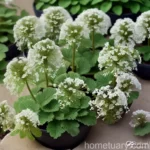
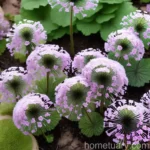
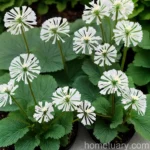
The foam flower, scientifically known as Tiarella ‘Laird of Skye’, belongs to the Saxifragaceae family and is a captivating perennial plant that originated from North America. With its delicate, foam-like flower clusters and lush foliage, this plant has earned a special place in the hearts of gardeners and landscape designers. Its common name, “foam flower,” is derived from the foam-like appearance of its inflorescences, which create a striking visual impact when in bloom. The ‘Laird of Skye’ cultivar specifically showcases unique characteristics that set it apart, making it a sought-after choice for gardens and landscapes.
Key Takeaways – Foam Flower (Tiarella ‘Laird of Skye’)
Before delving into the depths of foam flower cultivation and care, let’s take a glance at the key takeaways that will be covered in this comprehensive guide:
- Cultural Significance: Understanding the historical, symbolic, and cultural importance of foam flowers.
- Uses: Exploring the practical applications of foam flowers in various settings.
- Growth Requirements: Uncovering the essential needs of foam flowers for water, sunlight, fertilizer, soil, and pruning.
- Propagation and Container Cultivation: Learning about propagation methods and the possibility of cultivating foam flowers in containers.
- Popularity: Examining the popularity of foam flowers in horticulture and landscaping.
- Common Diseases: Identifying prevalent diseases and their diagnosis in foam flowers.
- Common Pests: Understanding the pests that pose a threat to foam flowers and strategies for pest management.
- Botanist’s Tips: Gaining insights and recommendations from botanical experts for successful foam flower cultivation.
- Fun Facts: Unearthing interesting and intriguing tidbits about foam flowers that add to their allure.
Let’s embark on this botanical journey to discover the enchanting world of foam flowers and unlock the secrets to nurturing these captivating plants.
Cultural Significance of Foam Flowers
Throughout history, plants have held symbolic and cultural significance in various traditions and societies. Foam flowers, with their delicate blooms and captivating allure, have woven their way into the fabric of human culture, symbolizing diverse meanings across different contexts.
Symbolism and Historical Significance
The foam flower, with its ethereal, foam-like inflorescences, has often been associated with purity, grace, and enchantment. In some cultures, it is considered a symbol of femininity and tenderness, embodying the elegance and beauty of nature. The intricate and delicate appearance of foam flowers has also been linked to themes of fragility and resilience, serving as a poignant reminder of the fleeting yet enduring nature of life.
In the context of historical significance, foam flowers have been cherished for their ornamental value and have been featured in traditional landscapes, botanical art, and horticultural practices. The ‘Laird of Skye’ cultivar, with its distinct characteristics and enchanting appeal, has garnered a dedicated following among plant enthusiasts, further adding to the cultural significance of foam flowers in modern times.
Uses of Foam Flowers
The versatile nature of foam flowers extends beyond their aesthetic appeal, encompassing a range of practical uses in horticulture and landscaping. From enlivening garden beds to serving as ground covers, foam flowers have carved a niche for themselves in various applications.
Garden and Landscape Ornamentation
One of the primary uses of foam flowers is in garden and landscape ornamentation. These plants are often employed to add a touch of elegance and charm to outdoor spaces, creating visually enchanting displays with their dainty blooms and lush foliage. The ‘Laird of Skye’ cultivar, in particular, offers unique characteristics that make it a compelling choice for ornamental plantings, whether utilized in mixed borders, rock gardens, or woodland settings.
Ground Cover and Erosion Control
Foam flowers, with their spreading habit and dense foliage, make excellent ground covers, effectively suppressing weed growth and providing a verdant carpet of greenery. Their ability to form dense mats makes them valuable for erosion control on slopes and embankments, lending both functional and aesthetic benefits to the landscape. The ‘Laird of Skye’ variety, with its vigor and adaptability, excels in its role as a ground cover, offering a tapestry of leaves and delicate blooms that enhance the visual appeal of the area.
Naturalizing Woodland Settings
In woodland and shade gardens, foam flowers thrive in their natural element, where dappled sunlight and rich, organic soils create favorable conditions for their growth. These plants effortlessly blend into woodland landscapes, imbuing them with a touch of ethereal beauty. The ‘Laird of Skye’ cultivar, with its unique foliage patterns and graceful flowering spikes, contributes to the enchanting ambiance of woodland gardens, making them a delightful choice for naturalizing and softening the edges of hardscapes.
Container Cultivation
While foam flowers are often celebrated for their performance in garden beds and landscapes, they also lend themselves well to container cultivation. Their cascading habit and lush foliage make them captivating additions to containers and hanging baskets, adding a touch of whimsy and elegance to patio spaces, balconies, and outdoor seating areas. The ‘Laird of Skye’ variety’s compact growth habit and captivating blooms make it particularly appealing for container gardening, allowing enthusiasts to bring their charm to smaller, confined spaces.
Growth Requirements
To ensure the optimal health and vigor of foam flowers, it is important to understand and cater to their specific growth requirements. From water and sunlight to soil, fertilizer, and pruning, these essential needs play a pivotal role in nurturing thriving foam flower specimens.
Water
Proper watering is crucial for the health and vitality of foam flowers. These plants generally prefer consistently moist, well-drained soils and thrive in moderate to slightly acidic soil conditions. When establishing newly planted foam flowers, it is imperative to maintain regular watering to support root establishment and promote healthy growth. While foam flowers appreciate moisture, it is essential to avoid waterlogged soils, as excessive moisture can lead to root rot and other issues. During dry spells or periods of minimal rainfall, supplemental watering can help sustain the plants and prevent stress-induced wilting.
Sunlight
Foam flowers exhibit a preference for partial to full shade, thriving in environments characterized by dappled sunlight and filtered light. In their natural woodland habitats, these plants are often found in shaded or semi-shaded areas, where they benefit from protection against intense midday sun and scorching temperatures. When grown in gardens and landscapes, it is advisable to position foam flowers in locations that provide sufficient shade, especially during the peak hours of the day. While they can tolerate some morning sun, excessive exposure to intense sunlight can cause leaf scorch and diminish their overall vigor.
Fertilizer
As moderate feeders, foam flowers benefit from periodic fertilization to support healthy growth and robust flowering. A balanced, slow-release fertilizer applied in spring as new growth emerges can provide the necessary nutrients for vigorous development. It is essential to follow the recommended application rates and avoid overfertilization, which can lead to excessive foliage at the expense of flower production. Additionally, incorporating organic matter into the soil during planting or as a topdressing can contribute to the long-term fertility of the soil and provide essential nutrients to the foam flowers.
Soil
The soil composition plays a significant role in the overall health and performance of foam flowers. These plants thrive in well-draining, humus-rich soils with a slightly acidic pH, resembling the conditions found in their native woodland habitats. Amending the soil with organic matter such as compost, leaf mold, or well-rotted manure can improve its structure, enhance moisture retention, and provide a steady supply of nutrients to the plants. When planting foam flowers, it is crucial to ensure that the soil is loose, friable, and rich in organic content, fostering favorable conditions for root development and overall growth.
Pruning
Pruning is an essential aspect of foam flower care, contributing to the maintenance of plant vigor, shape, and flowering performance. Deadheading spent blooms and removing faded flower stalks can promote continuous blooming and prevent the formation of seed heads, directing the plant’s energy into producing new blossoms. Additionally, removing damaged or diseased foliage, particularly during the growing season, can help maintain plant health and prevent the spread of diseases. Light pruning to rejuvenate the plants and control their spread may be performed in late winter or early spring, stimulating fresh growth and ensuring a compact, tidy appearance.
Propagation and Container Cultivation
The propagation of foam flowers and their potential for container cultivation offer opportunities to expand their presence in gardens, landscapes, and urban spaces. Understanding the methods of propagation and the considerations for growing foam flowers in containers enables enthusiasts to explore diverse avenues for incorporating these captivating plants into their surroundings.
Propagation
Foam flowers can be propagated through various methods, including division, seed sowing, and stem cuttings. Division, which involves separating the plant into smaller sections with viable roots, is a common and reliable method for propagating foam flowers in early spring or late summer. This approach not only allows for the multiplication of existing plants but also revitalizes congested clumps, promoting better growth and flowering. Seed sowing, while viable, may require stratification to break dormancy, and the resulting seedlings may exhibit genetic variability. Stem cuttings offer a quick and efficient means of propagation, with the potential for producing cloned plants that retain the characteristics of the parent specimen. By selecting healthy, non-flowering shoots and providing them with appropriate rooting conditions, successful propagation via stem cuttings can be achieved, yielding new plants for cultivation.
Container Cultivation
The compact growth habit and ornamental appeal of foam flowers make them well-suited for container cultivation, offering a creative way to integrate these plants into diverse settings. When selecting containers for foam flowers, it is important to choose options that provide adequate drainage and sufficient space for root development. Well-draining potting mixes formulated for flowering perennials can offer the necessary support and aeration for the plants, promoting healthy growth and vibrant blooms. Additionally, incorporating slow-release fertilizers into the potting mix at the time of planting can provide a steady supply of nutrients to sustain the foam flowers throughout the growing season. Regular monitoring of moisture levels and watering as needed is essential to ensure optimal conditions for container-grown foam flowers, allowing them to thrive and fulfill their ornamental potential in confined spaces.
Popularity of Foam Flowers
The foam flower, particularly the ‘Laird of Skye’ cultivar, has garnered a significant following among horticulturists, landscape designers, and gardening enthusiasts, thanks to its captivating features and versatile nature. Its popularity is reflected in its widespread cultivation and utilization in diverse settings, where it has emerged as a favored choice for ornamental plantings and ground cover applications.
Horticultural Significance
In horticultural circles, the ‘Laird of Skye’ foam flower holds a special place, celebrated for its unique foliage patterns, graceful flowering spikes, and adaptability to various growing conditions. This cultivar, known for its vigor and resilience, has found favor among gardeners and landscape professionals seeking plants that not only offer visual appeal but also demonstrate commendable performance in different environments. Its popularity extends to botanical gardens, public landscapes, and private gardens, where it has become a staple presence, enriching the surroundings with its enchanting allure.
Landscape Applications
The ‘Laird of Skye’ foam flower’s versatility and aesthetic charm make it a valued asset in landscape design, where it is employed for diverse applications. From woodland gardens and shaded borders to naturalistic plantings and urban landscapes, this cultivar has proven its mettle as a reliable and visually captivating component. Its use as a ground cover, accent plant, or mass planting species exemplifies its adaptability and appeal, demonstrating why it has become a go-to choice for landscape professionals and homeowners alike.
Gardeners’ Choice
For home gardeners and plant enthusiasts, the ‘Laird of Skye’ foam flower has cemented its place as a cherished and sought-after plant. Its ease of cultivation, low maintenance requirements, and ability to thrive in shaded settings make it an attractive option for those seeking reliable and visually striking additions to their gardens. The ‘Laird of Skye’ cultivar’s popularity is underscored by its inclusion in plant catalogs and availability at nurseries and garden centers, where it continues to captivate the attention of individuals keen on embracing its botanical allure.
Common Diseases of Foam Flowers
Despite their hardiness, foam flowers can be susceptible to certain diseases that can impact their health and appearance. Identifying these common diseases and understanding their diagnosis is essential for implementing timely intervention and effective management practices.
Powdery Mildew
Powdery mildew, a fungal disease characterized by the formation of powdery, white masses on the leaves and stems of plants, can affect foam flowers under conditions of high humidity and poor air circulation. This disease, caused by various fungal species, can lead to the distortion of foliage, reduced photosynthetic capacity, and overall decline in plant vigor. Proper site selection, ensuring adequate spacing between plants, and promoting good air circulation can help minimize the risk of powdery mildew. In cases of infection, applying fungicidal sprays or treatments formulated for powdery mildew control may be necessary to manage the disease and prevent its spread.
Leaf Spot Diseases
Various leaf spot diseases, caused by fungal or bacterial pathogens, can impact the foliage of foam flowers, resulting in the formation of small to large spots or lesions with distinct margins. These diseases can lead to unsightly blemishes on the leaves, reduced photosynthetic efficiency, and eventual defoliation if left unchecked. Implementing cultural practices such as avoiding overhead irrigation, providing proper spacing between plants, and removing and disposing of infected plant debris can help mitigate the risk of leaf spot diseases. Additionally, applying preventative fungicidal sprays or treatments during periods conducive to disease development can offer protection against these diseases and preserve the health and appearance of the foam flowers.
Root Rots
Root rots caused by soil-borne pathogens pose a significant threat to foam flowers, particularly when grown in poorly drained or waterlogged soils. These diseases can lead to the decay of roots, impaired nutrient uptake, and wilting and decline of the aboveground plant parts. To minimize the risk of root rots, it is essential to ensure well-draining soil conditions, avoid overwatering, and employ proper cultural practices that promote healthy root development. When symptoms of root rot are observed, implementing measures such as improving soil drainage, adjusting watering practices, and applying appropriate fungicidal treatments can help alleviate the impact of these diseases on the foam flowers.
Common Pests Affecting Foam Flowers
In addition to diseases, foam flowers can be susceptible to various pest infestations that can compromise their health and ornamental value. Recognizing these common pests and implementing effective pest management strategies is crucial for preserving the vigor and vitality of the foam flowers.
Aphids
Aphids, tiny, soft-bodied insects often found clustered on the stems and undersides of leaves, can infest foam flowers, causing stunted growth, distorted foliage, and the excretion of sticky honeydew. These pests can proliferate rapidly and pose a significant threat to the overall health of the plants. Implementing measures such as physical removal of aphids, introducing natural predators, and applying insecticidal soaps or horticultural oils can effectively manage aphid infestations and prevent their proliferation on foam flowers.
Spider Mites
Spider mites, minuscule arachnids that feed on plant sap, can pose a threat to foam flowers, particularly in dry, warm conditions. Infestations of spider mites can result in stippling of the foliage, fine webbing on the plants, and gradual decline in vigor. Maintaining optimal watering practices, enhancing air circulation around the plants, and periodically spraying the foliage with water to dislodge mites can help prevent and manage spider mite infestations. In cases of severe infestations, targeted applications of miticides or insecticidal soaps may be necessary to control the pests effectively.
Slugs and Snails
Slugs and snails, nocturnal mollusks known for feeding on a wide range of plants, can damage the foliage of foam flowers, leaving behind irregular holes and blemishes. These pests tend to be particularly active in moist, shady environments and can pose a challenge to the health and appearance of the plants. Implementing strategies such as handpicking the pests, placing barriers or traps, and using iron phosphate-based baits can help manage slug and snail populations and protect foam flowers from their destructive feeding habits.
Botanist’s Tips for Successful Foam Flower Cultivation
Drawing upon the expertise of botanists and horticultural specialists, we can glean valuable insights and recommendations for successful foam flower cultivation. Their tips encompass best practices, proactive measures, and innovative approaches that can contribute to the thriving and flourishing of these enchanting plants.
Selecting Optimal Growing Sites
When cultivating foam flowers, selecting optimal growing sites that provide the right balance of light, moisture, and soil conditions is paramount. Botanists advise situating foam flowers in shaded to partially shaded locations with well-draining, humus-rich soils, replicating the conditions found in their native woodland habitats. This ensures that the plants receive the ideal environment for healthy growth and robust flowering, setting the stage for their long-term success in the landscape.
Maintaining Consistent Moisture Levels
Ensuring consistent moisture levels, especially during the establishment phase and periods of active growth, is emphasized by botanists as a critical factor in foam flower care. By keeping the soil consistently moist but not waterlogged, enthusiasts can promote vigorous root development and sustained plant health, enabling foam flowers to thrive and produce an abundance of captivating blooms. Regular monitoring of moisture levels, particularly during dry spells, is advised to prevent stress-induced wilting and promote the well-being of the plants.
Promoting Good Air Circulation
Botanists underscore the importance of promoting good air circulation around foam flowers, particularly in humid or shaded settings where fungal diseases can proliferate. Adequate spacing between plants, strategic placement in areas with gentle breezes, and selective pruning to thin out dense foliage are recommended to enhance air movement and minimize the risk of diseases such as powdery mildew and leaf spot. By creating environments conducive to good air circulation, enthusiasts can safeguard the health and appearance of foam flowers and foster an optimal growing environment.
Observing and Responding to Signs of Stress
The ability to observe and respond to signs of stress in foam flowers is highlighted by botanists as a crucial aspect of successful cultivation. Whether it is wilting due to inadequate moisture, discoloration indicative of nutrient deficiencies, or symptoms of pest or disease infestations, attentive monitoring allows enthusiasts to intervene proactively and address underlying issues before they escalate. By promptly identifying and addressing signs of stress, individuals can provide