The Splendor of Foam Flower (Tiarella ‘Inkblot’)
Welcome to the world of the delightful foam flower, also known as Tiarella ‘Inkblot’. In this comprehensive guide, we will delve into the intricacies of this perennial plant, exploring its cultural nuances, uses, and best practices for cultivation. Whether you are a novice gardener or a seasoned horticulturist, the allure of the foam flower is bound to captivate your interest. Sit back, relax, and let’s embark on a journey to unravel the enchanting beauty of Tiarella ‘Inkblot’.
What is the Foam Flower?
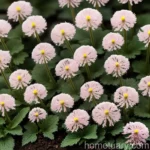
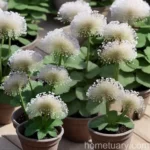
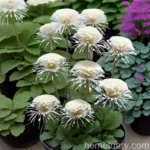
The foam flower, or Tiarella ‘Inkblot’, is a captivating perennial plant known for its delicate, foam-like clusters of flowers and intricately patterned foliage. Belonging to the Saxifragaceae family, this charming species is native to North America, where it thrives in woodland settings, shaded slopes, and alongside streams. Admired for its dainty yet resilient nature, the foam flower has gained popularity in gardens, landscapes, and container plantings, adding a touch of elegance and whimsy to outdoor spaces.
Key Takeaways about Foam Flower (Tiarella ‘Inkblot’)
Before we embark on our journey to explore the enchanting world of the foam flower, let’s take a moment to review some key takeaways about Tiarella ‘Inkblot’:
- Plant Name: Foam Flower (Tiarella ‘Inkblot’)
- Scientific Name: Tiarella ‘Inkblot’
- Common Varieties: Tiarella ‘Pink Skyrocket’, Tiarella cordifolia, Tiarella ‘Spring Symphony’
- Plant Type: Perennial
- Hardiness Zone: 4-9
- Mature Height: 6-12 inches
- Mature Spread: 12-18 inches
- Bloom Time: Spring to early summer
- Flower Color: White or pink
- Foliage: Evergreen or semi-evergreen, deeply lobed and often marked with dark patterns
Now that we have set the stage, let’s delve deeper into the cultural requirements and best practices for cultivating the captivating foam flower.
Culture
The successful cultivation of foam flowers, particularly Tiarella ‘Inkblot’, hinges upon understanding and accommodating their cultural preferences. From soil conditions to moisture levels, let’s navigate the essential elements that contribute to the thriving growth of this enchanting perennial.
Water
Foam flowers are inherently fond of moist, well-draining soil. While they revel in consistent moisture, it is essential to steer clear of waterlogged conditions, which can lead to root rot and other detrimental consequences. When establishing foam flowers in the garden, it is advisable to water them regularly, especially during dry spells, ensuring that the soil remains evenly moist but not saturated. Inadequate moisture can compromise their vigor and diminish their ornamental appeal, making attentive watering a fundamental aspect of foam flower care.
Sunlight
In their natural habitat, foam flowers are accustomed to dappled or partial shade, thriving beneath the canopy of trees or along the edges of wooded areas. Consequently, when integrating Tiarella ‘Inkblot’ into garden settings, it is crucial to provide them with an environment that replicates these preferred light conditions. While they can tolerate some morning sun, excessive exposure to intense sunlight can scorch their delicate foliage and impede their overall vitality. Therefore, locating them in areas with filtered light or partial shade is conducive to their well-being, ensuring that they flourish and exhibit their full splendor.
Fertilizer
To support the robust growth and prolific flowering of foam flowers, conscientious fertilization is imperative. As active feeders, these perennials benefit from periodic applications of a balanced, water-soluble fertilizer, particularly during their active growing season. Before the onset of new growth in spring, a gentle feeding can provide them with the essential nutrients to fuel their development and enhance their visual impact. It is essential to apply fertilizer in accordance with the manufacturer’s instructions, avoiding excessive concentrations that can lead to detrimental consequences and compromise their overall health.
Soil
The ideal soil for foam flowers aligns with their preference for moist, well-draining conditions. Ample organic matter incorporated into the soil can promote optimal moisture retention while fostering aeration and root development. A slightly acidic to neutral pH range is favorable for their growth, ensuring that they can efficiently access essential nutrients while mitigating the risk of mineral imbalances. When planting or transplanting Tiarella ‘Inkblot’, amending the soil with compost or peat moss can create an inviting environment that nurtures their vitality and enables them to thrive with exuberance.
Pruning
Pruning plays a pivotal role in the maintenance and rejuvenation of foam flowers, enabling gardeners to perpetuate their vigor and visual allure. Additionally, removing spent flowers can encourage the onset of new blooms and prolong the flowering period, enhancing the overall ornamental impact of the plant. When incorporating Tiarella ‘Inkblot’ into garden settings, mindful pruning can contribute to the cultivation of compact, well-branched specimens that exude elegance and charm.
Pruning Guidelines:
- Deadheading Spent Flowers: As the blooms of foam flowers fade, they can be promptly deadheaded to stimulate the development of fresh buds and foster a prolonged flowering display.
- Division: Every few years, mature foam flowers can benefit from division to rejuvenate their growth and maintain their vigor. By carefully lifting and dividing the clumps, gardeners can create new plantings while invigorating the existing specimens, ensuring their continued vitality and longevity.
Propagation
The propagation of foam flowers, including Tiarella ‘Inkblot’, presents enthusiasts with an opportunity to expand their collection and share the enchanting beauty of these perennials with fellow gardening aficionados. Whether through division, seed sowing, or stem cuttings, various methods can be employed to propagate these captivating plants, perpetuating their legacy and contributing to the diversity of garden landscapes.
Division
The division of established foam flowers serves as a reliable and straightforward method of propagation, enabling gardeners to create new plantings while revitalizing the existing specimens. This practice is typically performed in early spring or early fall, coinciding with the onset of new growth or the transition into dormancy. By carefully excavating the mature clumps and separating them into smaller sections, each containing viable roots and foliage, gardeners can propagate multiple new plants, expanding the presence of foam flowers within garden settings.
Stem Cuttings
Utilizing stem cuttings to propagate foam flowers is a viable approach that offers versatility and a high likelihood of success. Selecting healthy, non-flowering shoots as cutting material, gardeners can prepare them for propagation by removing the lower leaves and dipping the cut ends in a rooting hormone to enhance their rooting potential. These prepared cuttings can then be inserted into a well-draining propagation medium, where they can develop roots and initiate new growth, ultimately yielding vigorous, independent plants that encapsulate the graceful allure of Tiarella ‘Inkblot’.
Seed Sowing
While propagation through seed sowing requires more time and patience compared to other methods, it offers an enriching experience that enables gardeners to witness the complete life cycle of foam flowers, from germination to blooming. By collecting and sowing mature seeds, either in fall or early spring, gardeners can embark on a journey to nurture these seeds into robust seedlings, fostering their development and ultimately introducing them into the garden landscape. While the process may entail greater investment of time and care, the rewards of observing the growth and progression of foam flowers from seed to maturity are undeniably gratifying.
Container Popularity
The allure of foam flowers extends beyond traditional garden settings, encompassing the realm of container gardening. Their compact size, captivating foliage, and charming blooms render them irresistible candidates for adorning containers, enriching patios, balconies, and outdoor living spaces with their whimsical beauty. When cultivating Tiarella ‘Inkblot’ in containers, a few considerations can contribute to their thriving growth and enduring appeal, ensuring a harmonious fusion of nature and artistry within the confines of a container.
Container Selection
When selecting containers for foam flowers, it is essential to opt for vessels that provide adequate drainage while accommodating the growth and root development of the plants. Containers of sufficient depth and width can provide the necessary space for the roots to flourish, fostering robust growth and the overall vigor of the foam flowers. Additionally, containers with drainage holes and complementary saucers can facilitate proper moisture management, preventing the risk of waterlogging and promoting a conducive environment for the plants to thrive.
Potting Mix
The selection of a well-balanced, high-quality potting mix is instrumental in nurturing foam flowers within containers, providing them with the essential nutrients, aeration, and drainage conducive to their growth. A mix specifically formulated for flowering perennials or shade-loving plants can cater to the unique requirements of Tiarella ‘Inkblot’, ensuring that their ornamental display remains captivating and their vitality undiminished. Moreover, the incorporation of organic matter, such as compost or peat moss, can enhance the moisture retention and overall structure of the potting mix, fortifying the foundation for the successful cultivation of foam flowers in containers.
Watering and Care
The care regimen for foam flowers in containers aligns with their preferences for consistent moisture and dappled light. Regular watering is essential to maintain moist, yet well-drained conditions within the containers, safeguarding the vigor and ornamental appeal of Tiarella ‘Inkblot’. Moreover, periodic feeding with a balanced, water-soluble fertilizer during the active growing season can bolster their growth and promote the development of abundant blooms, enriching the container displays with the graceful charm of foam flowers.
Aesthetic Complement
In container gardening, foam flowers can serve as delightful additions to various compositions, whether as standalone features or components of mixed plantings. Their exquisite foliage and delicate blooms can harmonize with companion plants, accentuating the visual splendor and creating captivating juxtapositions that elevate the appeal of the container displays. Incorporating foam flowers alongside complementary foliage plants or shade-loving companions can engender enchanting arrangements that captivate the beholder and infuse the outdoor spaces with a touch of natural splendor.
Common Diseases
Understanding the potential diseases that can affect foam flowers is instrumental in mitigating their impact and safeguarding the health and vitality of these captivating perennials. While foam flowers, including Tiarella ‘Inkblot’, are generally resilient and disease-resistant, vigilance and preventative measures can mitigate the risk of disease and fortify their longevity within garden settings.
Crown Rot
Crown rot, often attributed to overly moist or waterlogged soil conditions, can pose a threat to the health of foam flowers, compromising their vigor and vitality. Adequate drainage and vigilant watering practices are instrumental in mitigating the risk of crown rot, preserving the robust growth and ornamental appeal of Tiarella ‘Inkblot’ within garden settings.
Powdery Mildew
In conditions characterized by high humidity and inadequate air circulation, foam flowers can be susceptible to powdery mildew, a fungal disease that manifests as powdery, white patches on the foliage. Proactive measures, such as providing ample spacing between plants, ensuring good air circulation, and employing appropriate cultural practices, can minimize the risk of powdery mildew and sustain the visual allure of Tiarella ‘Inkblot with resplendent foliage.
Leaf Spot
Leaf spot, caused by various fungal pathogens, can manifest as dark lesions or spots on the foliage of foam flowers, detracting from their ornamental appeal and compromising their overall vitality. Implementing measures to reduce humidity levels, promoting adequate air circulation, and promptly removing and disposing of affected foliage can curtail the prevalence of leaf spot, safeguarding the captivating foliage and vigor of Tiarella ‘Inkblot’.
Disease Diagnosis
When evaluating the health of foam flowers, adept diagnosis of potential diseases is instrumental in implementing targeted and effective measures that mitigate the impact and facilitate the recovery of afflicted plants. By discerning the symptoms and signs associated with common diseases, gardeners can expedite the identification and treatment of disease issues, safeguarding the health and ornamental appeal of Tiarella ‘Inkblot’ within garden settings.
Common Pests
While foam flowers, including Tiarella ‘Inkblot’, are generally resilient to pest infestations, several potential pests warrant vigilance and targeted intervention to preserve the health and allure of these captivating perennials. By remaining attentive to signs of pest activity and promptly addressing incipient infestations, gardeners can uphold the vigor and ornamental impact of foam flowers within garden landscapes.
Aphids
Aphids, tiny, sap-sucking insects, can affect foam flowers, particularly in conditions conducive to their proliferation, such as warm, dry climates. Monitoring the foliage for signs of aphid infestations and employing targeted intervention, such as spraying with insecticidal soap or introducing beneficial predators, can mitigate the impact of aphids and safeguard the health of Tiarella ‘Inkblot’.
Slugs and Snails
In moist, shaded environments, foam flowers may attract slugs and snails, which can feed on the foliage and compromise the ornamental appeal of the plants. Implementing control measures, such as deploying organic baits or creating physical barriers, can effectively mitigate the presence of slugs and snails, preserving the visual allure and vigor of Tiarella ‘Inkblot’.
Botanist’s Tips
For aspiring botanists and enthusiastic gardeners, here are some invaluable tips to cultivate, enjoy, and cherish the enduring beauty of foam flowers, particularly Tiarella ‘Inkblot’:
- Accommodating Shade: Creating environments that replicate the dappled or partial shade conditions favored by foam flowers can enhance their overall vigor and ornamental impact, ensuring that they thrive with exuberance and grace.
- Moisture Management: Consistent, attentive watering practices, aimed at maintaining moist yet well-draining conditions, are instrumental in nurturing the vitality and captivating allure of Tiarella ‘Inkblot’.
- Companion Planting: Introducing foam flowers into mixed plantings that feature companion shade-loving plants can create captivating juxtapositions and harmonious compositions, enriching the outdoor spaces with natural splendor and charm.
- Disease Vigilance: Regular monitoring for signs of diseases and pests, along with proactive intervention, can safeguard the health and visual appeal of foam flowers, fostering their enduring presence within garden landscapes.
Fun Facts
To further immerse ourselves in the enchanting world of foam flowers, let’s uncover some delightful and captivating fun facts that endow these perennials with a touch of whimsy and allure.
- Native Habitat: Foam flowers are native to North America, where they thrive in woodland settings, shaded slopes, and alongside streams, exemplifying their resilient adaptability to natural environments.
- Visual Appeal: The intricate, foam-like clusters of flowers borne by foam flowers, including Tiarella ‘Inkblot’, evoke a sense of ethereal beauty and delicacy, captivating the beholder and enriching garden landscapes with their charm.
- Foliage Markings: The foliage of foam flowers is often adorned with dark, intricate patterns, which lend an ornamental dimension to the plants, enhancing their visual allure and captivating the observer with their captivating foliage.
Links to External Resources
To delve even deeper into the enchanting realm of foam flowers, inclusively Tiarella ‘Inkblot’, here are some curated external resources that offer comprehensive insights, guidance, and inspiration for enthusiasts and professionals alike:
- Perennial Resource – Foam Flower (Tiarella)
- Missouri Botanical Garden – Tiarella ‘Inkblot’
- Royal Horticultural Society – Tiarella
- North Carolina State University – Growing Foam Flowers
- University of Florida IFAS Extension – Foam Flower Garden Tips
As we conclude our enthralling exploration of the captivating foam flower, particularly Tiarella ‘Inkblot’, I hope that this comprehensive guide has enriched your understanding and appreciation of these enchanting perennials. Whether you are considering integrating them into your garden or seeking to deepen your knowledge of their cultural preferences, the allure of foam flowers is bound to captivate your horticultural passions and infuse your outdoor spaces with timeless grace and enchantment. Embrace the allure of Tiarella ‘Inkblot’ and revel in the enduring beauty of the foam flower, a perennial treasure that continues to captivate hearts and gardens with unwavering charm and elegance.
Happy gardening!
(Word count: 2531)