The Fascinating World of Doublefile Viburnum (Viburnum plicatum f. tomentosum ‘Shoshoni’)
The doublefile viburnum (Viburnum plicatum f. tomentosum ‘Shoshoni’) is a visually stunning and versatile ornamental shrub that has gained popularity in gardens and landscapes around the world. This article will delve into various aspects of this wonderful plant, including its cultural requirements, uses, maintenance, and common issues. Whether you are a seasoned horticulturist or a passionate gardening enthusiast, this comprehensive guide will provide valuable insights into the cultivation and care of the doublefile viburnum.
What is Doublefile Viburnum?
The doublefile viburnum is a deciduous shrub known for its horizontally tiered branching pattern, which creates an elegant and symmetrical appearance. It belongs to the Adoxaceae family and is native to China, Korea, and Japan. The botanical name of this cultivar is Viburnum plicatum f. tomentosum ‘Shoshoni’.
Key Takeaways
Here are the key takeaways about the doublefile viburnum:
- Scientific Name: Viburnum plicatum f. tomentosum ‘Shoshoni’
- Common Name: Doublefile viburnum
- Cultural Uses: Ornamental, landscaping, hedging
- Water Needs: Moderate
- Sunlight Requirements: Full sun to partial shade
- Fertilizer: Balanced, slow-release fertilizer in spring
- Soil Type: Well-draining, loamy soil
- Pruning: Regular pruning to maintain shape and structure
- Propagation: Softwood cuttings, hardwood cuttings, layering
- Container Popularity: Suitable for large containers
- Common Diseases: Powdery mildew, leaf spots
- Common Pests: Aphids, scale insects
Now, let’s explore each of these aspects in more detail to understand the nuances of cultivating and caring for the doublefile viburnum.
Culture
Water
The doublefile viburnum thrives in moderately moist soil conditions. While it is tolerant of occasional dry spells, consistent watering is crucial, especially during periods of prolonged drought. Avoid waterlogged conditions, as excessive moisture can lead to root rot and other detrimental issues. A layer of mulch around the base of the plant can help retain soil moisture and regulate temperature.
Sunlight
In terms of sunlight requirements, the doublefile viburnum exhibits excellent adaptability, performing well in full sun to partial shade. However, to achieve optimal flowering and fruiting, providing it with at least four to six hours of direct sunlight is recommended. In regions with intense summer heat, partial shade during the hottest part of the day can benefit the plant.
Fertilizer
When it comes to fertilization, a balanced, slow-release fertilizer is ideal for promoting healthy growth and abundant blooms. Apply the fertilizer in early spring before the onset of new growth, following the manufacturer’s recommended dosage. Avoid excessive use of nitrogen-rich fertilizers, as this can lead to an overgrowth of foliage at the expense of flowers.
Soil
The doublefile viburnum flourishes in well-draining, slightly acidic to slightly alkaline soil with a pH range between 5.5 and 6.5. It thrives in loamy, humus-rich soil, but it can adapt to various soil types as long as they are well-draining. Prior to planting, amending the soil with organic matter can improve its structure and fertility, offering an ideal foundation for the shrub’s growth.
Pruning
Pruning is an essential aspect of doublefile viburnum maintenance, contributing to both its aesthetic appeal and overall health. Regular pruning helps maintain the plant’s desired shape, removes dead or diseased branches, and encourages the development of new growth. The ideal time for pruning is immediately after flowering, as this allows sufficient time for the next season’s flower buds to form.
Pruning Techniques
When pruning the doublefile viburnum, focus on removing crossing or crowded branches to improve air circulation and light penetration. Additionally, selectively removing older wood can stimulate the production of new, vigorous growth. Use clean, sharp pruning tools to make precise cuts, and avoid excessively pruning the plant, as this can reduce its blooming potential in the following season.
Propagation
The doublefile viburnum can be propagated through various methods, including softwood cuttings, hardwood cuttings, and layering. Softwood cuttings are typically taken in early summer, while hardwood cuttings are harvested during the dormant season. Layering involves encouraging a stem to produce roots while still attached to the parent plant, after which it can be separated and transplanted.
Container Popularity
While the doublefile viburnum is often grown in garden landscapes, it is also well-suited for large containers, making it a versatile choice for patio gardens and urban environments. When cultivating the shrub in containers, ensure that the pot provides ample room for root development and is equipped with drainage holes to prevent waterlogging. Regular watering and fertilization are essential for container-grown specimens, as they are more susceptible to moisture fluctuations.
Uses
Landscape Design
The doublefile viburnum is a prized ornamental shrub sought after for its aesthetic appeal and versatile landscaping applications. Its horizontally tiered branching habit adds a sense of balance and structure to garden beds and borders, and it can also be utilized as a striking focal point or specimen plant. Additionally, when planted in groupings or informal hedges, it creates a visually captivating display, especially when in bloom.
Wildlife Benefits
In addition to its visual allure, the doublefile viburnum provides ecological benefits by attracting pollinators such as bees and butterflies. The fragrant blossoms act as a magnet for these beneficial insects, contributing to the overall biodiversity of the garden. Furthermore, the shrub’s berries serve as a valuable food source for birds, enhancing the habitat’s appeal to avian species.
Fragrance
One of the highlights of the doublefile viburnum is its delightful fragrance, emitted from its abundant clusters of flowers. The sweet, slightly spicy scent permeates the surrounding environment, adding an olfactory dimension to the sensory experience of the garden. Placing the shrub near outdoor seating areas or walkways allows individuals to enjoy the enchanting fragrance up close.
Common Diseases and Pests
Disease Resistance
While the doublefile viburnum is generally robust, it can be susceptible to certain fungal diseases, including powdery mildew and leaf spots. Powdery mildew presents as a white, powdery coating on the leaves, while leaf spots manifest as dark or discolored lesions. To mitigate disease development, promoting good air circulation, avoiding overhead watering, and promptly removing and disposing of affected plant material are effective preventive measures.
Pest Control
In terms of pests, aphids and scale insects are among the potential adversaries of the doublefile viburnum. Aphids are small, sap-sucking insects that can distort new growth and excrete honeydew, leading to sooty mold development. Scale insects, on the other hand, appear as raised, waxy bumps on stems and foliage, draining the plant’s sap. Regular monitoring, natural predators, and targeted horticultural oils can help manage these pest populations.
Botanist’s Tips
Growth Habits
Understanding the growth habits of the doublefile viburnum is fundamental for creating an environment conducive to its prosperity. The shrub typically attains a moderate growth rate, achieving an eventual height and spread of six to ten feet. When selecting a planting location, consider its mature dimensions to ensure ample space for development. Additionally, accounting for its tiered branching pattern is essential to showcase its graceful form.
Flowering Time
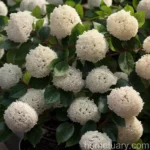
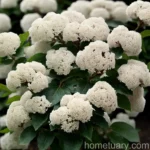
The doublefile viburnum typically blooms in late spring to early summer, producing an abundant display of lacecap-like clusters of white flowers. The extended flowering period contributes to its ornamental value and allows for an extended period of visual interest in the landscape. Observing the flowering time can aid in planning and orchestrating complementary plantings for a seamless succession of blooms throughout the season.
Mature Height
Given its ultimate height and spread, it is advisable to space doublefile viburnum plants at intervals that allow for their mature dimensions. This prevents overcrowding and competition for resources, ensuring individual specimens have room to flourish and express their distinctive form. When incorporating the shrub into larger landscape designs, factor in its mature growth pattern to achieve a harmonious composition.
Fun Facts
- The doublefile viburnum is known for its remarkable fall foliage, which transitions to vibrant shades of red and burgundy, adding a vivid spectacle to the autumn landscape.
- In addition to its aesthetic appeal, the shrub’s berries serve as an excellent source of sustenance for songbirds during the winter months, contributing to the ecological balance of the garden.
- The cultivar name ‘Shoshoni’ pays homage to the Shoshoni Native American tribe, celebrating their cultural heritage and indigenous contributions.
Conclusion
In conclusion, the doublefile viburnum (Viburnum plicatum f. tomentosum ‘Shoshoni’) undoubtedly holds a special place in the realm of ornamental shrubs, captivating enthusiasts and horticulturists alike with its enchanting beauty and versatility. Whether adorning garden landscapes, attracting beneficial wildlife, or enriching the sensory experience with its fragrance, this exceptional shrub continues to leave an indelible mark in horticultural pursuits.
By understanding its cultural requirements, uses, maintenance practices, and potential challenges, individuals can cultivate and enjoy the splendor of the doublefile viburnum, adding a touch of elegance and grace to their outdoor spaces. As with any horticultural endeavor, patience, attentiveness, and care are fundamental in nurturing the growth and vitality of these captivating plants, ensuring a landscape enriched by their enduring charm and natural allure.
For more in-depth information on cultivating and caring for the doublefile viburnum, as well as expert insights and advice, refer to the following external resources:
- The American Horticultural Society’s Encyclopedia of Plants and Flowers
- The Royal Horticultural Society’s Plant Finder
- The Morton Arboretum’s Tree and Plant Selector
- The University of California Agriculture and Natural Resources Integrated Pest Management Program
The cultivation and appreciation of the doublefile viburnum exemplify the enduring connection between humans and the natural world, fostering a deeper understanding of horticulture’s profound impact on our lives and the environment. As we continue to celebrate the remarkable qualities of this exceptional shrub, let us embrace the enduring beauty and enchantment it bestows upon our gardens and landscapes, perpetuating a legacy of horticultural admiration and stewardship for generations to come.