Plant Spotlight: Foam Flower (Tiarella ‘Pink Brushes’)
Introduction
In the world of plants, the foam flower (Tiarella ‘Pink Brushes’) is a gem that captivates the hearts of many with its delicate yet beautiful appearance. This article serves as a comprehensive guide for both gardening enthusiasts and professionals. We will deep-dive into the various aspects of this charming plant, from its culture, uses, and maintenance to common diseases and pests. By the end of this post, you will have a thorough understanding of how to care for foam flower and witness its beauty flourish in your garden.
What is Foam Flower (Tiarella ‘Pink Brushes’)?
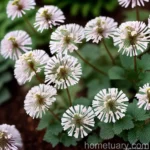
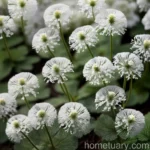
- Tiarella ‘Pink Brushes’ is a stunning variety of foam flower, known for its mesmerizing pink-hued foliage and unique brush-like flowers. This perennial plant belongs to the Saxifragaceae family and is native to North America. The foam flower is characterized by its low-growing habit and attractive, intricate leaves that are often deeply lobed, adding a touch of elegance to any garden or landscape.
Key Takeaways – Foam Flower (Tiarella ‘Pink Brushes’)
- Scientific Name: Tiarella ‘Pink Brushes’
- Family: Saxifragaceae
- Common Name: Foam Flower
- Native Habitat: North America
- Foliage: Delicate, pink-hued leaves with deep lobes
- Flowers: Brush-like pink flowers
Culture
Water
Foam flowers thrive in moist, well-drained soil, making them suitable for gardens with both regular watering and occasional periods of dryness. During the hotter months, it’s essential to ensure consistent soil moisture without overwatering, as excessively soggy conditions can lead to root rot.
- Water Needs: Moderate to Regular
Sunlight
In terms of sunlight preferences, foam flowers lean towards partial to full shade, making them an excellent choice for shaded areas in gardens or under the canopy of trees. While they can tolerate some morning sun, it’s crucial to shield them from intense afternoon sunlight, especially in regions with hot climates.
- Sunlight Preferences: Partial to Full Shade
Fertilizer
When it comes to fertilizing foam flowers, a balanced, slow-release fertilizer is ideal. Applying a layer of organic mulch around the base of the plant can help retain moisture and provide a steady release of nutrients. Fertilization in the early spring as new growth emerges can promote healthy foliage and vibrant blooms.
- Fertilizer Type: Balanced, Slow-release
Soil
Foam flowers favor humus-rich, slightly acidic soil that is well-drained. Amending the soil with organic matter such as compost or peat moss can enhance its texture and nutrient content, creating an optimal environment for the plant to thrive.
- Soil Type: Humus-rich, Well-drained, Slightly Acidic
Pruning
Pruning foam flowers is relatively low-maintenance, primarily requiring the removal of spent flower stems and any damaged or diseased foliage. Trimming back the entire plant after its flowering period can revitalize its appearance and encourage new growth. Additionally, dividing the plant every few years can help rejuvenate its vigor.
- Pruning Needs: Deadheading, Occasional Division
Propagation
Foam flowers can be propagated through division, allowing gardeners to expand their collection or share the plant with others. In late spring or early fall, carefully lift the plant, separate the rhizomes or root sections, and replant them in suitable locations. Adequate watering and protection from drying out are vital during the establishment phase.
- Propagation Method: Division
Uses
The foam flower serves various purposes in gardens and landscaping, adding both aesthetic and functional value to outdoor spaces. Here are some common uses of Tiarella ‘Pink Brushes’:
- Garden Borders: Its low-growing habit and graceful foliage make it an excellent choice for edging or border plantings, contributing to a soft and elegant landscape border.
- Ground Cover: Its spreading nature and attractive leaves make it a charming ground cover option, particularly in shaded areas where other plants might struggle.
- Woodland Gardens: Enliven shaded woodland gardens with the delicate beauty of foam flowers, creating captivating displays under the dappled light of trees.
- Containers: Utilize foam flowers in containers or hanging baskets to introduce their enchanting appeal to patios, balconies, or indoor settings with suitable light conditions.
Popularity
The popularity of foam flowers, especially the Tiarella ‘Pink Brushes’ variety, has been on the rise among plant enthusiasts, landscape designers, and homeowners looking to enhance their outdoor spaces. The plant’s unique foliage and dainty flowers make it a sought-after addition to gardens, from small urban plots to expansive rural landscapes.
Container Gardening
Foam flowers, including the Tiarella ‘Pink Brushes’ cultivar, are well-suited for container gardening, allowing individuals with limited outdoor space to enjoy the plant’s beauty up close. When selecting containers, opt for ones with adequate drainage to prevent waterlogged soil and ensure proper care to sustain the plant’s health and appearance.
Common Diseases
While foam flowers are generally resilient, they can be susceptible to certain diseases, particularly in unfavorable growing conditions. Recognizing common diseases and implementing preventive measures is crucial for maintaining the plant’s health and vitality.
Disease Diagnosis
Some of the common diseases that may affect foam flowers, including the Tiarella ‘Pink Brushes’, are:
- Powdery Mildew: Characterized by a white, powdery coating on leaves, powdery mildew can weaken the plant and impair its overall vigor.
- Leaf Spot: Manifesting as dark spots or lesions on the foliage, leaf spot can detract from the visual appeal of the plant and potentially lead to leaf drop if severe.
- Root Rot: Excessive soil moisture or poor drainage can result in root rot, causing the plant to exhibit wilting, yellowing leaves, and eventual decline.
Common Pests
In addition to potential diseases, foam flowers might encounter certain pests that can impact their growth and appearance. Being vigilant and proactive in pest management can safeguard the plant from substantial damage.
Botanist’s Tips
To maintain the health and vitality of foam flowers, here are some tips from botanists and plant specialists:
- Regular Inspection: Periodically check the plants for signs of disease or pest infestations, intervening promptly if any issues are detected.
- Adequate Air Circulation: Promote good air circulation around the plants, especially in humid climates, to mitigate the risk of fungal diseases.
- Optimal Watering: Practice mindful watering, ensuring that the soil remains consistently moist without becoming waterlogged, which can attract pests and diseases.
Fun Facts
- The genus name “Tiarella” is derived from the Greek words “tiara” and “ella,” meaning small crown, referencing the shape and appearance of the plant’s flowers.
- Foam flowers are valued for their allure to pollinators, particularly bees and butterflies, making them a welcome addition to wildlife-friendly gardens.
- In traditional herbal medicine, some indigenous peoples used certain parts of the foam flower for their potential medicinal properties, though this usage should be approached with caution and expertise.
Links to External Resources
For further exploration of foam flowers and the Tiarella ‘Pink Brushes’ cultivar, the following external resources provide valuable insights and in-depth information:
- American Society for the Prevention of Cruelty to Plants (ASPCP) – Foam Flower Varieties
- The Royal Horticultural Society (RHS) – Growing Foam Flowers
- The Plant Journal – Exploring Tiarella ‘Pink Brushes’ Facts
In conclusion, the foam flower (Tiarella ‘Pink Brushes’) embodies grace and charm, inviting individuals to embrace its subtle yet enchanting presence in outdoor settings. From its adaptable culture and versatile uses to the nuances of disease prevention and pest management, this resilient plant has much to offer to both seasoned gardeners and those discovering the joys of nurturing living botanical treasures. By delving into its care and embracing its captivating qualities, one can create a captivating tapestry of natural beauty enriched by the beguiling allure of the foam flower.
Plant Name: Foam Flower (Tiarella ‘Pink Brushes’)