Flame Azalea (Rhododendron Calendulaceum)
The Flame Azalea, scientifically known as Rhododendron calendulaceum, is a stunning deciduous shrub that is native to the eastern United States. Known for.
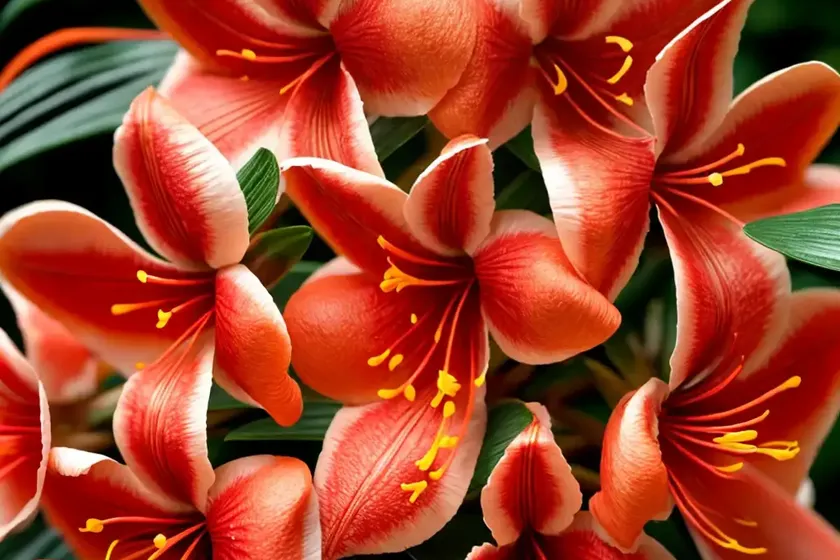
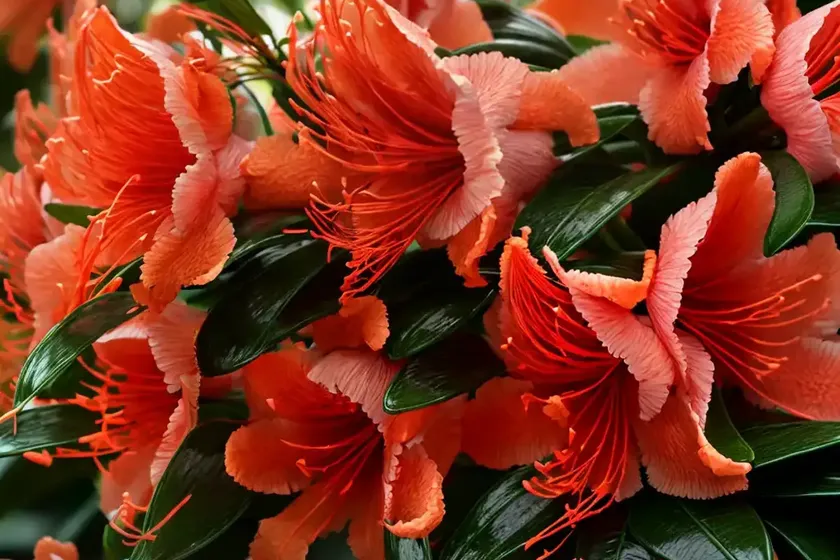
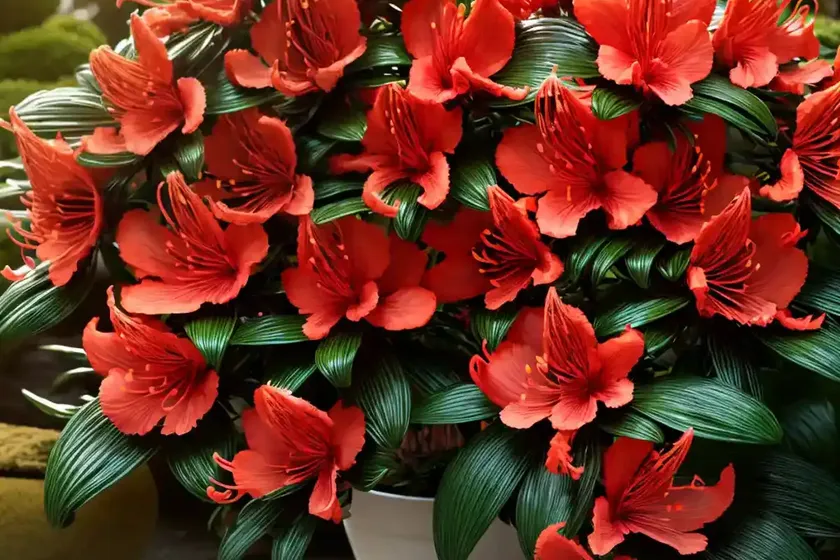
The Flame Azalea, scientifically known as Rhododendron calendulaceum, is a stunning deciduous shrub that is native to the eastern United States. Known for its vibrant and fiery blooms, this plant has captured the hearts of many gardening enthusiasts and nature lovers. In this comprehensive guide, we will delve into the captivating world of the Flame Azalea, exploring its characteristics, cultivation requirements, uses, and much more.
What is the Flame Azalea (Rhododendron calendulaceum)?
The Flame Azalea is a species of azalea that belongs to the family Ericaceae. This beautiful shrub is renowned for its stunning display of tubular, funnel-shaped flowers that come in various shades of yellow, orange, and red, creating a fiery spectacle during its blooming season. The botanical name “Rhododendron calendulaceum” aptly describes its vibrant appearance, as the term “calendulaceum” is derived from the Latin word “calendula,” which means “marigold.”
The Flame Azalea is a deciduous shrub that typically grows to a height of 5 to 12 feet, with a spread of 5 to 10 feet, making it an ideal choice for adding a splash of color to gardens, woodlands, and natural landscapes.
Key Takeaways – Flame Azalea (Rhododendron calendulaceum)
To understand and appreciate the Flame Azalea better, let’s explore some key takeaways that encapsulate the essence of this captivating plant:
- Flame Azalea Care: Understanding the specific cultural requirements for optimal growth and blooming.
- Growing Flame Azalea: Insights into the ideal conditions for cultivating this stunning shrub.
- Flame Azalea Characteristics: A deeper look into the unique attributes and visual appeal of the Flame Azalea.
- Rhododendron calendulaceum Varieties: Exploring the different varieties and cultivars of this species.
- Flame Azalea Colors: Reveling in the diverse range of vibrant colors exhibited by the flowers.
- Flame Azalea in Gardens: Creative and practical applications in garden landscapes.
- Best Conditions for Flame Azalea: Understanding the optimal environmental conditions for its growth.
- Flame Azalea Blooming Season: Insights into the timing and duration of its spectacular floral displays.
- Rhododendron calendulaceum Habitat: Understanding its natural habitat and ecological niches.
- Flame Azalea Pruning: Guidelines for maintaining its form and promoting healthy growth.
- Flame Azalea Fertilization: Insight into the nutritional needs of the plant for robust growth and blooming.
- Flame Azalea Landscape Uses: Practical and aesthetic applications in landscaping projects.
- Rhododendron calendulaceum Natural Range: Understanding the geographical distribution and native habitats.
- Flame Azalea Disease Resistance: Insights into its ability to resist common diseases and pests.
- Flame Azalea Pests: Identifying and managing potential insect pests that may affect the plant.
- Growing Flame Azalea from Seeds: Guidelines for propagating the plant from seeds.
- Propagating Flame Azalea: Understanding the various propagation methods for this species.
- Flame Azalea Companion Plants: Discovering suitable plant companions for enhancing its visual impact.
- Flame Azalea Wildlife Value: Recognizing its ecological significance and value to wildlife.
- Rhododendron calendulaceum Spring Flowers: Reveling in the beauty of its springtime blooms.
- Flame Azalea Fall Foliage: Appreciating the autumnal transformation of its foliage.
- Flame Azalea Winter Hardiness: Insights into its ability to withstand cold and harsh winter conditions.
- Rhododendron calendulaceum Native Habitat: Understanding its natural ecosystem and environmental interactions.
- Flame Azalea Water Requirements: Guidelines for providing adequate moisture for optimal growth.
- Flame Azalea Soil Preferences: Understanding the soil types and conditions that favor its cultivation.
- Rhododendron calendulaceum Garden Design: Design considerations for integrating this plant into garden landscapes.
- Flame Azalea Sun Exposure: Understanding its sunlight requirements for healthy growth and blooming.
- Flame Azalea Shade Tolerance: Exploring its ability to thrive in shaded environments.
- Flame Azalea Medicinal Uses: Recognizing traditional or contemporary medicinal applications, if any.
- Rhododendron calendulaceum Symbolism: Exploring cultural or symbolic significance associated with the plant.
- Flame Azalea Landscaping Ideas: Creative and practical concepts for incorporating it into landscape designs.
- Flame Azalea Container Gardening: Guidelines for growing the plant in containers for ornamental purposes.
- Flame Azalea as a Hedge: Practical considerations for using it as a hedge or border plant.
- Flame Azalea Wildlife Attractor: Understanding its role in attracting and supporting wildlife.
- Flame Azalea Pollinator-Friendly Plant: Recognizing its appeal to pollinators such as bees and butterflies.
- Rhododendron calendulaceum Nectar Source: Insights into its nectar production and value to pollinators.
- Flame Azalea Mountain Plant: Understanding its adaptation to mountainous or elevated habitats.
- Flame Azalea Poisonous to Pets: Awareness regarding any potential toxicity to pets or animals.
- Flame Azalea Woodland Garden: Applications in woodland or naturalistic garden settings.
- Rhododendron calendulaceum Drought Tolerance: Insights into its ability to withstand drought conditions.
- Flame Azalea Wind Resistance: Understanding its ability to withstand windy environments.
- Flame Azalea Frost Tolerance: Exploring its capability to endure frost and cold temperatures.
- Flame Azalea Evergreen or Deciduous: Clarifying its deciduous nature or evergreen attributes.
- Rhododendron calendulaceum Natural Beauty: Appreciating its aesthetic allure and visual appeal.
- Flame Azalea Companion Shrubs: Identifying suitable companion shrubs for planting alongside it.
- Flame Azalea Woodland Border Plant: Recognizing its potential for creating naturalistic borders in woodland settings.
- Flame Azalea Slope Stabilization: Understanding its role in stabilizing slopes or embankments.
- Rhododendron calendulaceum Container Plant: Guidelines for growing it in containers for various uses.
- Flame Azalea Propagation Methods: Understanding the different methods for propagating and multiplying the plant.
Now that we have established an overview of the Flame Azalea and the key topics we will explore, let’s delve into the specifics of caring for and enjoying this beautiful shrub.
Culture
Cultivating the Flame Azalea requires an understanding of its specific cultural needs, including watering, sunlight, soil, and maintenance practices. By providing the right environment and care, gardeners can ensure the optimal growth and flowering of this spectacular plant.
Uses
The Flame Azalea offers a myriad of uses in garden landscapes and naturalistic settings. From its visual impact to its ecological benefits, understanding the versatile applications of this species enhances its value in horticulture and conservation efforts.
Water
Proper watering is essential for the health and vitality of the Flame Azalea. Understanding its water requirements and implementing suitable irrigation practices will contribute to its overall well-being.
Sunlight
Sunlight plays a crucial role in the growth and blooming of the Flame Azalea. Recognizing its sunlight preferences enables gardeners to provide the ideal conditions for its development.
Fertilizer
Ensuring the availability of essential nutrients is vital for the vigorous growth and abundant flowering of the Flame Azalea. Knowledge of its fertilization requirements is key to supporting its overall performance.
Soil
The soil serves as the foundation for the Flame Azalea’s growth, providing anchorage, water, and nutrients. Understanding its soil preferences facilitates the creation of an optimal growing environment.
Pruning
Pruning is a valuable practice for maintaining the shape, health, and flowering capacity of the Flame Azalea. Knowing when and how to prune is essential for its long-term care.
Propagation
Multiplying the Flame Azalea through propagation allows for the expansion of its presence in gardens and natural habitats. Familiarity with propagation methods is beneficial for conserving and sharing this species.
Container
Growing the Flame Azalea in containers offers flexibility and versatility in its placement and ornamental use. Understanding the considerations for container cultivation enables its successful growth in confined spaces.
Popularity
The widespread popularity of the Flame Azalea has established it as a beloved plant in gardening and horticultural circles. Its visual appeal, cultural significance, and ecological value contribute to its enduring allure.
Common Diseases
While the Flame Azalea is generally resistant to many diseases, it may still encounter a few specific issues that gardeners should be aware of. Recognizing common diseases and their management is essential for maintaining its health.
Disease Diagnosis
Identifying and diagnosing diseases affecting the Flame Azalea is crucial for implementing appropriate treatment and preventive measures. Understanding the symptoms and signs of diseases aids in timely intervention.
Common Pests
Insect pests can occasionally pose a threat to the Flame Azalea, impacting its growth and flowering. Awareness of common pests and their control measures is essential for safeguarding the plant.
Botanist’s Tips
Insights from botanists and horticulturists provide valuable guidance for cultivating and appreciating the Flame Azalea. Their expertise and recommendations enrich the experience of growing this captivating species.
Fun Facts
Delving into the intriguing and captivating aspects of the Flame Azalea offers a deeper appreciation for its natural history, cultural significance, and horticultural appeal. Exploring fun facts about this species adds a layer of fascination to its allure.
Conclusion
The Flame Azalea (Rhododendron calendulaceum) stands as a testament to the beauty and diversity of the plant kingdom. Its fiery blooms, ecological significance, and horticultural appeal make it a cherished species in gardens, landscapes, and natural habitats. By understanding its cultural requirements, uses, and unique attributes, we can cultivate, preserve, and celebrate the charming presence of the Flame Azalea in our natural and cultivated spaces.
As we continue to explore the world of the Flame Azalea, we will journey through its captivating colors, habitat preferences, practical uses, and valuable contributions to the biodiversity of our planet.
Stay tuned as we embark on this botanical adventure to unveil the captivating essence of the Flame Azalea, celebrating its beauty, resilience, and ecological importance.
For further insights and information on the Flame Azalea, feel free to explore the following resources:
- American Rhododendron Society
- The Azalea Society of America
- United States Department of Agriculture – Plant Profile: Rhododendron calendulaceum
- North Carolina State University Extension: Growing Azaleas and Rhododendrons
- The Rhododendron Society of Canada
Join us on this botanical odyssey as we uncover the wonders of the Flame Azalea and delve into its intricate tapestry of beauty and fascination.
Disclaimer: The information presented in this blog post is for educational and informational purposes only. It is not intended as a substitute for professional horticultural advice or diagnosis. Always consult with certified horticulturists, botanists, or plant healthcare specialists for specific guidance related to plant care, diseases, and pests.