Rhododendron Calendulaceum (Flame Azalea)
When it comes to vibrant and awe-inspiring flowering plants, few can match the beauty and allure of the Rhododendron calendulaceum, commonly known as the.
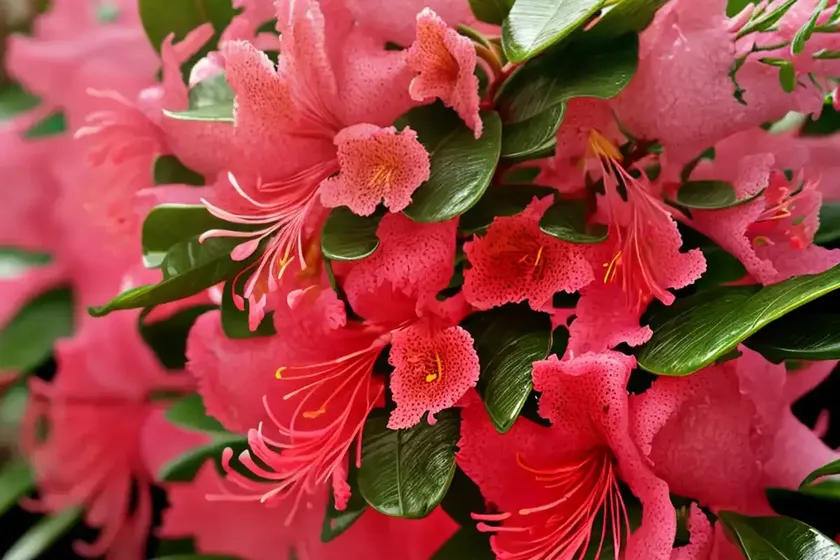
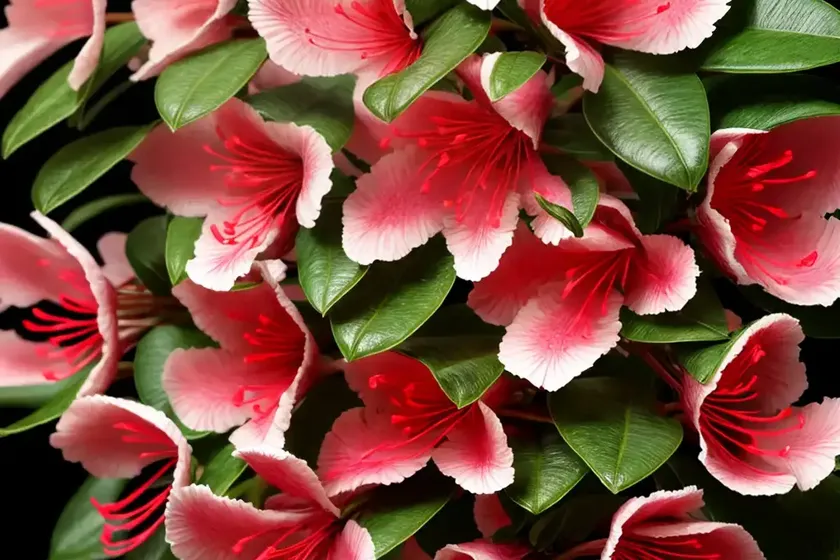
When it comes to vibrant and awe-inspiring flowering plants, few can match the beauty and allure of the Rhododendron calendulaceum, commonly known as the Flame Azalea. This stunning species is renowned for its spectacular display of fiery blooms and its ability to thrive in various landscapes while attracting a wide array of pollinators. In this comprehensive guide, we will delve into the various facets of this remarkable plant, from its characteristics and cultivation to its uses, care tips, and much more.
What is Rhododendron calendulaceum (Flame Azalea)?
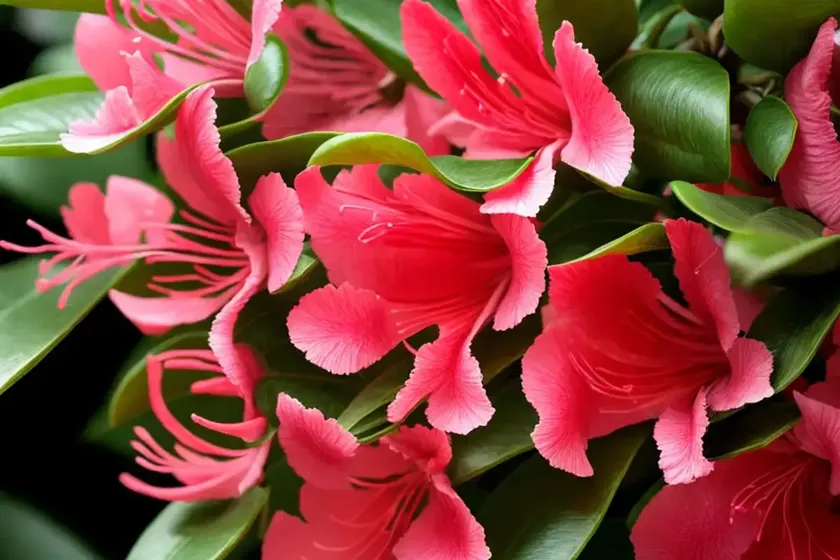
The Rhododendron calendulaceum, native to the eastern United States, is a deciduous shrub that belongs to the family Ericaceae. This striking azalea species is characterized by its brilliant, funnel-shaped flowers that bloom in an array of vivid colors ranging from deep reds and oranges to bright yellows. The Flame Azalea typically grows in acidic, well-drained soils in mountainous regions, making it a popular choice for gardens, landscapes, and natural habitats.
Key Characteristics of Rhododendron calendulaceum
The Flame Azalea is known for its distinct features, which make it a standout choice for plant enthusiasts and horticulturists. Some of its key characteristics include:
- Flower Color: The blooms of Rhododendron calendulaceum vary in color from vibrant reds and oranges to striking yellows.
- Deciduous Foliage: Unlike many other rhododendron species, the Flame Azalea sheds its leaves in the fall, providing an ever-changing display throughout the seasons.
- Habitat: This species is primarily found in the wild in the Appalachian Mountains, thriving in elevations between 1,500 and 5,000 feet.
Now that we’ve gained insight into the fundamental characteristics of the Flame Azalea, let’s explore the various aspects of its cultivation and care.
Cultivation and Uses of Rhododendron calendulaceum
The cultivation of Rhododendron calendulaceum encompasses several critical factors, including water, sunlight, fertilizer, soil, pruning, and propagation methods. Understanding these elements is vital to ensuring the healthy growth and prolific blooming of this captivating plant.
Water
Proper watering is essential for maintaining the health and vitality of the Flame Azalea. While it is crucial to provide adequate moisture, it is equally important to avoid waterlogged conditions, which can lead to root rot and other issues. Here are some essential watering tips for Rhododendron calendulaceum:
- Well-Drained Soil: Plant Flame Azaleas in well-drained acidic soils to prevent waterlogging.
- Regular Watering: During dry spells, ensure that the plant receives consistent watering to support healthy growth and flowering.
Sunlight
Sunlight plays a pivotal role in the development and blooming of Rhododendron calendulaceum. The following guidelines can help optimize sunlight exposure for this species:
- Partial Shade: While the Flame Azalea thrives in partial shade, it benefits from some direct sunlight to stimulate flower production.
- Protection from Harsh Sun: Shield the plant from intense midday sun, especially in hotter climates, to prevent leaf scorch.
Fertilizer
Proper fertilization can contribute to vigorous growth and abundant flowering in Rhododendron calendulaceum. Consider the following fertilization techniques:
- Acidic Fertilizer: Use a fertilizer specifically formulated for acid-loving plants to maintain the optimal pH level for the Flame Azalea.
- Spring Application: Apply fertilizer in early spring before new growth emerges to support the plant’s nutritional requirements.
Soil
The right soil conditions are paramount for the successful cultivation of Rhododendron calendulaceum. Here’s what you need to know about soil requirements for the Flame Azalea:
- Acidic pH: Aim for a soil pH between 4.5 and 6.0 to create an ideal environment for the plant’s roots to thrive.
- Organic Matter: Incorporate compost or organic matter to enhance soil structure and fertility, promoting robust growth.
Pruning
Pruning is an essential practice for maintaining the shape, health, and flowering potential of Rhododendron calendulaceum. Follow these pruning techniques for optimal results:
- Post-Flowering Pruning: Conduct pruning immediately after the plant has finished flowering to shape its growth and encourage branching.
- Deadheading: Remove spent flowers to enhance the overall appearance of the plant and redirect its energy into new growth.
Propagation
The propagation of Rhododendron calendulaceum can be achieved through various methods, including seed propagation, cuttings, and layering. Each technique offers distinct advantages for expanding the population of Flame Azaleas in gardens and landscapes.
Common Propagation Methods:
- Seed Propagation: Harvest seeds from mature capsules and sow them in a suitable growing medium to cultivate new plants.
- Softwood Cuttings: Take softwood cuttings in the summer and root them in a well-draining medium to propagate genetically identical plants.
- Air Layering: Encourage the formation of roots on a stem while it is still attached to the parent plant, allowing for seamless transplantation once established.
Container Popularity of Rhododendron calendulaceum
The Flame Azalea’s exquisite beauty and manageable size make it an excellent choice for container gardening. When grown in containers, this stunning species can bring vibrant color and natural charm to patios, balconies, and indoor spaces. Here are some key considerations for cultivating Rhododendron calendulaceum in containers:
- Container Selection: Choose a spacious, well-draining container that allows for adequate root growth and development.
- Growing Medium: Use a high-quality potting mix designed for acid-loving plants to provide the necessary nutrients and pH balance.
- Drainage: Ensure that the container has sufficient drainage holes to prevent waterlogged conditions that can compromise the plant’s health.
As we continue to explore the versatile uses of Rhododendron calendulaceum, let’s delve into its prevalence and popularity in different landscapes and settings.
Common Diseases and Pests
While the Flame Azalea is generally robust and resilient, it is susceptible to certain diseases and pests that can affect its growth and overall well-being. By familiarizing ourselves with potential issues and their management, we can effectively safeguard the health of Rhododendron calendulaceum.
Common Diseases
- Powdery Mildew: Characterized by a powdery white coating on leaves, powdery mildew can hinder the plant’s ability to photosynthesize and thrive.
- Leaf Spot: Fungal infections can lead to the development of unsightly spots on the foliage, affecting the plant’s aesthetic appeal.
- Root Rot: Excessive moisture in poorly-drained soils can lead to root rot, posing a serious threat to the plant’s vitality.
Disease Diagnosis and Management
Diagnosing and addressing diseases promptly are crucial steps in preserving the health of Rhododendron calendulaceum. Implement the following strategies to identify and manage common diseases effectively:
- Regular Inspection: Conduct routine inspections of the plant to detect early signs of disease, such as unusual discoloration or spotting on the foliage.
- Proper Air Circulation: Enhance air circulation around the plant by maintaining adequate spacing and pruning to minimize conditions conducive to fungal diseases.
- Fungicidal Treatments: Apply appropriate fungicides as a preventive measure or as a targeted response to fungal infections, following label instructions carefully.
Common Pests
- Azalea Lace Bug: These small, winged insects can cause stippling and discoloration of the foliage, weakening the plant and diminishing its ornamental value.
- Spider Mites: Infestations by spider mites can result in fine webbing on the leaves and a stippled appearance, signaling damage to the plant’s photosynthetic capacity.
- Caterpillars: Certain caterpillar species may feed on the leaves of Rhododendron calendulaceum, necessitating intervention to prevent substantial defoliation.
In our pursuit of maintaining the vitality and allure of Rhododendron calendulaceum, it is essential to stay vigilant against potential diseases and pests while implementing effective control measures.
Botanist’s Tips for Growing Flame Azalea
Drawing from expert insights and practical wisdom, here are some invaluable tips for successfully cultivating and nurturing Rhododendron calendulaceum:
- Soil Acidity: Monitor the pH of the soil periodically and adjust it as needed to maintain the ideal acidic conditions for the Flame Azalea.
- Mulching: Apply a layer of organic mulch around the base of the plant to conserve moisture, suppress weeds, and promote beneficial soil microorganisms.
- Seasonal Maintenance: Stay attuned to the plant’s seasonal requirements, adjusting watering, fertilization, and pruning practices accordingly.
- Pollinator-Friendly Planting: Integrate pollinator-attracting plants in the vicinity of Rhododendron calendulaceum to enhance biodiversity and support beneficial insect populations.
Fun Facts About Rhododendron calendulaceum
As we celebrate the captivating allure of the Flame Azalea, let’s delve into some fascinating trivia and little-known facts about this remarkable plant:
- Cultural Significance: In some Indigenous cultures, Rhododendron calendulaceum holds symbolic importance and is associated with traditional rituals and ceremonies.
- Wildlife Habitat: The vibrant blooms of the Flame Azalea serve as a critical food source for various pollinators, including butterflies, bees, and hummingbirds, contributing to the ecological balance of its native habitats.
- Endangered Status: In certain regions, conservation efforts are underway to protect and preserve the natural populations of Rhododendron calendulaceum, highlighting its ecological significance.
Now that we’ve explored the myriad facets of Rhododendron calendulaceum, from its cultivation and uses to disease management and fun facts, it’s time to enhance our understanding further by delving into the comprehensive care tips for the Flame Azalea.
Flame Azalea: Comprehensive Care Tips
The care of Rhododendron calendulaceum encompasses an array of considerations, ranging from soil requirements and sun exposure to wildlife habitat support and landscape uses. By adopting these comprehensive care tips, you can foster the optimal growth and blooming of this resplendent species.
Planting and Maintenance Guidelines
- Soil Requirements: Ensure the soil is well-drained, acidic, and rich in organic matter to create an ideal environment for Rhododendron calendulaceum.
- Sun Exposure: Provide partial shade with some direct sunlight to promote healthy growth and prolific flowering.
- Wildlife Habitat Support: Cultivate a diverse garden ecosystem by incorporating native plants that attract pollinators and benefit wildlife in conjunction with the Flame Azalea.
- Landscape Uses: Utilize the vibrant hues and graceful form of Rhododendron calendulaceum to enrich landscapes, gardens, and natural areas, lending a captivating visual appeal and ecological value.
In the next section, we will delve into the specific details of the flowering season, landscape uses, and companion plants for Rhododendron calendulaceum, offering actionable insights for incorporating this stunning species into diverse horticultural settings.
Rhododendron calendulaceum Flowering Season and Landscape Uses
The blooming season of Flame Azalea marks a spectacular display of vibrant colors, accentuating landscapes and gardens with its resplendent floral show. Understanding the flowering season and harnessing the plant’s aesthetic appeal can elevate the visual impact of diverse outdoor settings.
Flowering Season
- Spring Bloom: Rhododendron calendulaceum typically graces gardens and woodlands with its radiant blooms in late spring, capturing the attention with its vivid colors and prolific flowering.
Landscape Uses
- Woodland Gardens: Create enchanting woodland settings by integrating Rhododendron calendulaceum into the landscape, punctuating the dappled shade with bursts of flamboyant color.
- Mixed Shrub Borders: Pair the Flame Azalea with complementary shrubs and perennials to fashion dynamic borders with a harmonious blend of textures, forms, and seasonal interest.
Companion Plants
- Mountain Laurel (Kalmia latifolia): Embrace the symbiotic beauty of these native shrubs, harmonizing their complementary floral displays and cultural requirements.
- Serviceberry (Amelanchier spp.): Integrate these small trees into the vicinity of Rhododendron calendulaceum to yield a diverse and visually engaging landscape.
As we explore the landscape uses and companions for the Flame Azalea, it becomes evident that thoughtful design and strategic plant pairings can amplify the ornamental impact and ecological value of this captivating species.
Flame Azalea: Maintenance and Care Throughout the Seasons
Maintaining the health and vitality of Rhododendron calendulaceum requires consistent attention and tailored care throughout the changing seasons. By adapting your maintenance practices to the specific needs of the plant during each season, you can nurture its growth and ensure a stunning display of blooms year after year.
Seasonal Care Schedule
- Winter Care: Shield the plant from harsh winter winds and provide insulation to mitigate temperature fluctuations and protect against frost damage.
- Spring Maintenance: Prune the Flame Azalea after flowering, apply fertilizers, and monitor moisture levels to support robust new growth and flower bud development.
- Summer Blooming: Monitor watering needs and mulch the soil to conserve moisture, ensuring the plant thrives during the peak of summer.
- Autumn Appeal: Embrace the vivid fall foliage of Rhododendron calendulaceum, which enriches landscapes with warm, autumnal hues, showcasing its multifaceted seasonal allure.
In our ongoing effort to nurture and celebrate the beauty of the Flame Azalea, let’s delve into its significance as a wildlife habitat and explore how it contributes to biodiversity and the ecological tapestry of its native range.
Rhododendron calendulaceum: Wildlife Habitat and Ethnobotanical Significance
The ecological role and ethnobotanical uses of Rhododendron calendulaceum underscore its significance as a species with multifaceted value, encompassing ecological preservation, traditional uses, and cultural symbolism.
Wildlife Habitat Support
- Pollinator Attraction: The vibrant blooms of the Flame Azalea serve as a vital nectar source for bees, butterflies, and other pollinators, contributing to the health of local ecosystems.
- Biodiversity Enhancement: By fostering biodiversity and supporting native fauna, Rhododendron calendulaceum plays a pivotal role in the intricate web of life in its natural habitats.
Ethnobotanical Uses and Cultural Significance
- Traditional Applications: Some Indigenous communities have historically utilized parts of Rhododendron calendulaceum for various purposes, including medicinal and ceremonial uses.
- Cultural Symbolism: The Flame Azalea holds symbolic significance in certain cultures, representing themes of resilience, vibrancy, and natural beauty.
In acknowledging the ecological and cultural significance of Rhododendron calendulaceum, we not only deepen our appreciation for this extraordinary plant but also underscore the importance of conservation efforts and responsible cultivation practices.
Conclusion
In concluding our comprehensive guide to Rhododendron calendulaceum, we have embarked on a captivating journey through the remarkable characteristics, cultivation techniques, care tips, uses, and ecological significance of the Flame Azalea. As we celebrate the resplendent beauty and intrinsic value of this stunning species, may our collective stewardship and appreciation contribute to its preservation, enrichment of landscapes, and enduring cultural significance.
The captivating allure of Rhododendron calendulaceum serves as a testament to the intricate wonders of the natural world and the profound connections between plants, people, and the environment. As we embrace the splendor of the Flame Azalea, may its vibrant blooms continue to inspire and uplift our hearts, fostering a deeper reverence for the diverse tapestry of life that surrounds us.
Farewell, as we bid adieu to the captivating world of Rhododendron calendulaceum, where every petal holds a story and every hue ignites the imagination, weaving a tapestry of timeless beauty and enduring wonder.
References
- “Rhododendron calendulaceum (Flame Azalea)”: The Azalea Society of America
- “Growing Azaleas and Rhododendrons”: North Carolina State University Extension
- “Rhododendron calendulaceum: Flame Azalea”: NatureServe Explorer
- “Flame Azalea (Rhododendron calendulaceum)”: United States Department of Agriculture