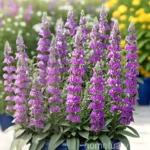
Penstemon ‘Stapleford Gem’ (Beardtongue): A Complete Guide
Introduction
In the world of ornamental plants, Penstemon ‘Stapleford Gem’, commonly known as Beardtongue, is a popular choice among gardeners and plant enthusiasts. With its striking appearance and relatively low maintenance requirements, this perennial plant has gained widespread popularity in gardens and landscapes. In this comprehensive guide, we will delve into the various aspects of cultivating and caring for Penstemon ‘Stapleford Gem’, exploring its culture, uses, maintenance, and much more.

Key Takeaways – Penstemon ‘Stapleford Gem’ (Beardtongue)
Before we dive into the details of cultivating and caring for Penstemon ‘Stapleford Gem’, let’s summarize the key takeaways for this beautiful plant:
- Botanical Name: Penstemon ‘Stapleford Gem’
- Common Name: Beardtongue
- Plant Type: Perennial
- Growth Habit: Clumping
- Flower Color: Violet-blue
- Foliage: Semi-evergreen
Now that we have a brief overview of this stunning plant, let’s explore the various aspects of its cultivation and maintenance.
Culture
Understanding the optimal culture for Penstemon ‘Stapleford Gem’ is essential for ensuring its healthy growth and abundant flowering. Here are the key factors to consider when cultivating this plant:
Water
Penstemon ‘Stapleford Gem’ thrives in well-drained soil and prefers regular watering, especially during the dry periods. While it is important to keep the soil consistently moist, it is equally crucial to avoid waterlogging, as excessive moisture can lead to root rot.
Sunlight
This perennial plant flourishes in full sun to partial shade. Providing ample sunlight is essential for promoting healthy growth and prolific flowering. Placing Penstemon ‘Stapleford Gem’ in a location with adequate sunlight exposure is crucial for its overall vitality.
Soil
When it comes to soil preferences, Penstemon ‘Stapleford Gem’ favors well-drained, loamy soil with a slightly acidic to neutral pH. Amending the soil with organic matter can further enhance its fertility and drainage, creating an optimal growing environment for this plant.
Fertilizer
In terms of fertilizer application, Penstemon ‘Stapleford Gem’ benefits from a balanced, slow-release fertilizer applied in the spring. Following the recommended dosage and frequency for fertilization can support the plant’s nutrient needs and contribute to robust growth and blooming.
Uses
Penstemon ‘Stapleford Gem’ offers various uses in garden designs and landscaping, making it a versatile and appealing choice for both amateur and experienced gardeners. Here are some common uses of this beautiful perennial plant:
- Border Plant: Due to its clumping growth habit and charming violet-blue flowers, Penstemon ‘Stapleford Gem’ serves as an excellent border plant, adding a splash of color and visual interest to garden borders and edging.
- Cut Flower: The striking flowers of this Beardtongue variety make it a desirable choice for cut flower arrangements, bringing its vibrant blooms indoors to adorn floral displays.
- Wildlife Gardens: Penstemon ‘Stapleford Gem’ attracts pollinators such as bees and hummingbirds, making it a valuable addition to wildlife-friendly gardens and habitats.
- Rock Gardens: Its compact growth and colorful blossoms make Penstemon ‘Stapleford Gem’ well-suited for rock gardens, where it can thrive in well-drained soil alongside other alpine plants.
Pruning
Pruning plays a significant role in maintaining the vigor and appearance of Penstemon ‘Stapleford Gem’. Proper pruning techniques can contribute to a tidy growth habit and encourage abundant flowering. Here are some essential tips for pruning this perennial plant:
- Deadheading: Regular deadheading of spent flowers can promote prolonged blooming and prevent the plant from expending energy on seed production.
- End of Season Pruning: Trimming back the stems of Penstemon ‘Stapleford Gem’ at the end of the growing season can help rejuvenate the plant and prepare it for the following year’s growth.
Propagation
For avid gardeners who wish to expand their collection of Penstemon ‘Stapleford Gem’, propagation is a practical and rewarding endeavor. Here are the primary propagation methods for this perennial plant:
- Division: Dividing mature clumps of Penstemon ‘Stapleford Gem’ in the early spring can yield new plants and facilitate their healthy establishment in different areas of the garden.
- Seeds: Collecting and sowing seeds from mature Penstemon ‘Stapleford Gem’ plants can also be an effective way to propagate this variety, allowing enthusiasts to grow new specimens from scratch.
Container Popularity
Penstemon ‘Stapleford Gem’ is well-suited for container cultivation, offering a beautiful and manageable option for adding color and texture to patios, balconies, and urban gardens. Its striking flowers and compact growth habit make it an appealing choice for container gardening enthusiasts.
Common Diseases
While Penstemon ‘Stapleford Gem’ is generally resilient, it can be susceptible to certain diseases under unfavorable conditions. Understanding the common diseases and their potential impact on this plant is essential for implementing preventive measures and maintaining its health. Here are some common diseases to be mindful of:
- Powdery Mildew: This fungal disease can affect the foliage of Penstemon ‘Stapleford Gem’, leading to the development of powdery white patches. Ensuring adequate air circulation and avoiding overhead watering can help prevent powdery mildew.
- Leaf Spot: Fungal leaf spot diseases can manifest as dark spots on the leaves of Penstemon ‘Stapleford Gem’, potentially impacting its overall vigor. Maintaining proper sanitation and avoiding excessive moisture can help mitigate the risk of leaf spot.
Disease Diagnosis
In the event of abnormal symptoms or signs of disease on Penstemon ‘Stapleford Gem’, accurate diagnosis is crucial for implementing targeted treatments and management strategies. Consulting with a plant pathologist or experienced horticulturist can aid in identifying specific diseases and determining the most effective courses of action.
Common Pests
While Penstemon ‘Stapleford Gem’ is generally resistant to many pests, it may occasionally encounter certain insect adversaries that can affect its growth and appearance. Being mindful of the common pests that may target this plant is essential for proactive pest management. Here are some pests to watch out for:
- Aphids: These small, sap-sucking insects can infest the tender shoots and buds of Penstemon ‘Stapleford Gem’, potentially causing distortion and stunting of new growth. Targeted insecticidal treatments and natural predators can help control aphid populations.
- Spider Mites: Infestations of spider mites can result in stippled and discolored foliage on Penstemon ‘Stapleford Gem’. Regular monitoring and gentle hosing can deter and manage spider mite populations effectively.
Botanist’s Tips
To ensure the successful cultivation and care of Penstemon ‘Stapleford Gem’, here are some valuable tips from botanists and gardening experts:
- Well-Drained Soil: Providing well-drained soil is critical to prevent waterlogged conditions that can compromise the health of Penstemon ‘Stapleford Gem’.
- Regular Inspection: Periodically inspecting the plant for signs of pests and diseases can facilitate early intervention and prevent potential issues from escalating.
Fun Facts
Here are some intriguing and fun facts about Penstemon ‘Stapleford Gem’:
- Penstemon ‘Stapleford Gem’ is native to North America, where it thrives in diverse habitats and climates.
- The common name “Beardtongue” refers to the hairy staminode found in the flower, which resembles a fuzzy tongue, attracting pollinators like bees and hummingbirds.
Links to External Resources
For further information on Penstemon ‘Stapleford Gem’ cultivation, maintenance, and additional insights, the following external resources provide valuable guidance and expertise:
- Royal Horticultural Society – Penstemon ‘Stapleford Gem’ Plant Profile
- University of Maryland Extension – Growing Penstemon
In conclusion, Penstemon ‘Stapleford Gem’ stands as a captivating and rewarding choice for gardeners seeking a resilient and visually striking perennial plant. Its vibrant violet-blue flowers, coupled with its adaptability to various garden settings, make it a valuable addition to diverse landscapes and garden designs. By understanding the essential aspects of its cultivation, uses, and maintenance, enthusiasts can cultivate and enjoy the beauty of Penstemon ‘Stapleford Gem’ in their own gardens, fostering an environment that celebrates nature’s diverse and captivating offerings.