Penstemon Serrulatus (Cascade Penstemon)
Penstemon serrulatus, commonly known as Cascade Penstemon, is a beautiful flowering plant native to North America. It belongs to the family Plantaginaceae.
Introduction
Penstemon serrulatus, commonly known as Cascade Penstemon, is a beautiful flowering plant native to North America. It belongs to the family Plantaginaceae, and its striking appearance and adaptability have made it a popular choice among gardeners and landscaping enthusiasts. In this comprehensive guide, we will explore the various aspects of Penstemon serrulatus, including its culture, uses, maintenance, and propagation. Whether you are a novice gardener or an experienced botanist, this article will provide you with valuable insights into the care and cultivation of this delightful plant.
What is Penstemon serrulatus?
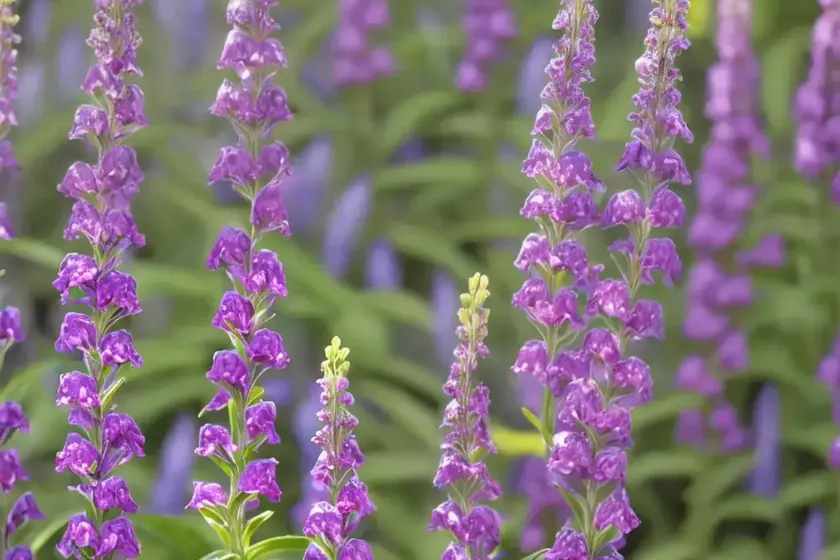
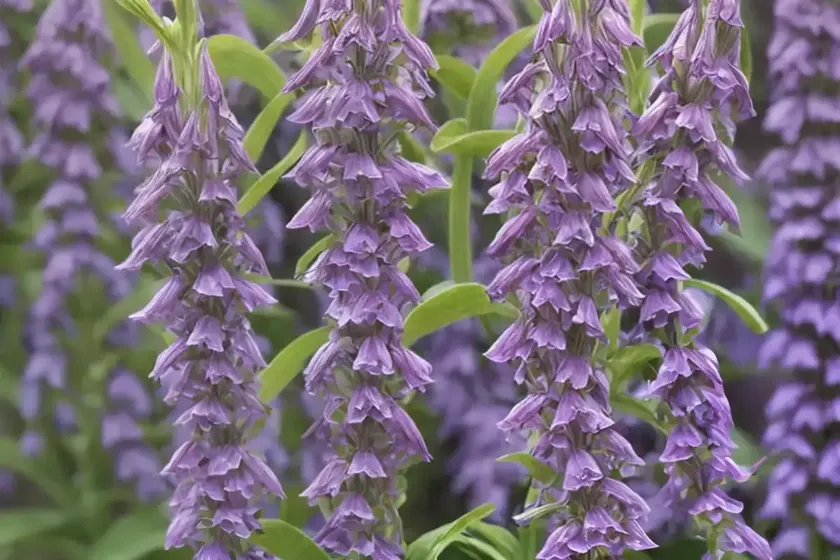
Penstemon serrulatus, also referred to as Cascade Penstemon, is a herbaceous perennial plant characterized by its tubular, trumpet-shaped flowers and narrow green foliage. This species is indigenous to the western regions of North America, where it thrives in diverse habitats ranging from dry, rocky slopes to moist, forested areas. The plant’s name “serrulatus” is derived from the Latin word “serrula,” which means ‘small saw,’ a reference to the finely serrated edges of its leaves.
Key Takeaways – Penstemon serrulatus (Cascade Penstemon)
Before delving into the specific aspects of Penstemon serrulatus cultivation and maintenance, let’s review some key takeaways about this fascinating plant:
- Penstemon serrulatus is a herbaceous perennial with tubular, trumpet-shaped flowers.
- It is native to western North America and exhibits adaptability to various environmental conditions.
- The plant’s leaves feature finely serrated edges, contributing to its distinctive appearance.
- Cascade Penstemon is valued for its ornamental beauty and ability to attract pollinators and wildlife.
Now that we have an overview of Penstemon serrulatus, let’s explore the essential cultural requirements for successfully growing and caring for this captivating plant.
Culture
The successful cultivation of Penstemon serrulatus requires an understanding of its specific cultural needs, including water, sunlight, soil, and maintenance practices. By providing these essential elements, gardeners can ensure the health and vigor of Cascade Penstemon, allowing it to thrive and adorn outdoor spaces with its vibrant blooms.
Uses
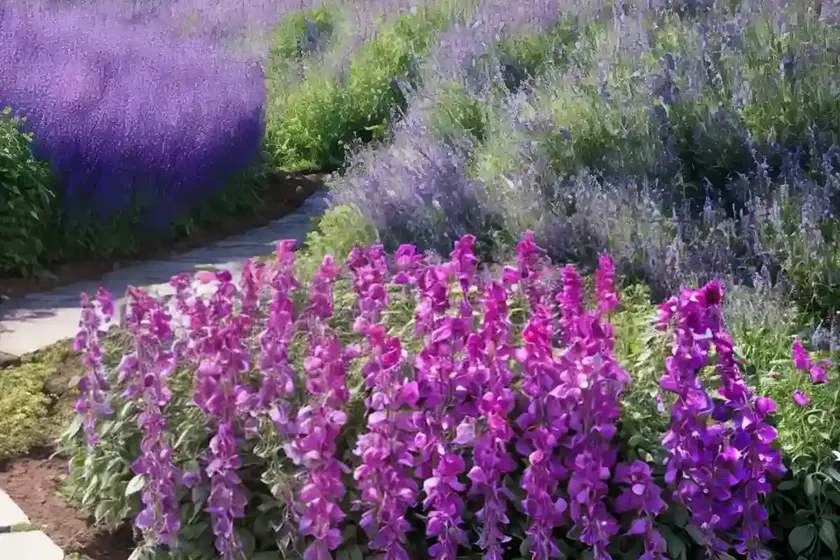
The versatile nature of Penstemon serrulatus lends itself to a variety of practical and aesthetic uses in landscaping and horticulture. Whether incorporated into a pollinator garden, utilized as a border plant, or featured in a mixed planting scheme, Cascade Penstemon offers several valuable applications. Moreover, its drought tolerance and ability to attract wildlife make it an asset in sustainable landscape designs.
Water
One of the most critical factors in the successful cultivation of Penstemon serrulatus is effective water management. While Cascade Penstemon is known for its ability to withstand periods of drought, it is essential to provide adequate moisture, particularly during its establishment phase and flowering period.
Water needs for Penstemon serrulatus
- Establishment phase: During the initial stages of planting, ensure that the soil remains consistently moist to promote root establishment and healthy growth.
- Flowering period: To support robust flowering and overall plant health, provide regular, moderate watering, allowing the soil to partially dry between waterings to prevent waterlogging.
By carefully monitoring the plant’s water requirements throughout its growth cycle, gardeners can optimize its performance and longevity.
Sunlight
Penstemon serrulatus thrives in sunny environments and displays exceptional tolerance to the intense summer heat often experienced in its native habitats. Adequate sunlight is crucial for promoting vigorous growth, profuse flowering, and overall plant vitality.
Sun requirements for Penstemon serrulatus
- Full sun: Ideally, position Cascade Penstemon in a location that receives full sunlight for a significant portion of the day, promoting strong, upright growth and prolific flowering.
- Partial shade: While the plant is well-suited to full sun exposure, it can also tolerate partial shade, particularly in regions with intense midday sun or during periods of extreme heat.
By selecting appropriate planting locations and providing adequate sunlight, gardeners can ensure that Penstemon serrulatus flourishes in their outdoor spaces.
Fertilizer
Proper fertilization is a key component of cultivating healthy and robust Penstemon serrulatus plants. By supplementing the soil with essential nutrients, gardeners can enhance the plant’s growth, flowering, and overall vigor, ensuring that it remains an eye-catching feature in the landscape.
Fertilization recommendations for Penstemon serrulatus
- Balanced fertilizer: Apply a balanced, all-purpose fertilizer in early spring as new growth emerges to provide the plant with vital macro- and micronutrients.
- Organic amendments: Incorporate organic matter, such as compost or well-rotted manure, into the soil during the planting process to improve its structure and fertility.
Regular fertilization and soil amendment practices will contribute to the long-term health and resplendent appearance of Cascade Penstemon.
Soil
Penstemon serrulatus thrives in well-draining, loamy soils with a slightly alkaline to neutral pH. By selecting an appropriate planting site and preparing the soil accordingly, gardeners can create an optimal environment for the plant to establish and flourish.
Soil preferences for Penstemon serrulatus
- Well-draining soil: Ensure that the planting site features well-draining soil to prevent waterlogging and reduce the risk of root rot.
- pH level: Cascade Penstemon prefers soil with a pH range of 6.5 to 7.5, indicating a slightly alkaline to neutral soil environment.
By addressing the specific soil preferences of Penstemon serrulatus, gardeners can lay the groundwork for successful plant establishment and growth.
Pruning
Pruning is an essential maintenance practice for Penstemon serrulatus, contributing to the plant’s overall health, appearance, and longevity. By employing strategic pruning techniques, gardeners can enhance flowering, manage plant height, and encourage compact, bushy growth.
Pruning recommendations for Penstemon serrulatus
- Deadheading: Remove spent flower spikes promptly to promote continuous blooming and prevent self-seeding, redirecting the plant’s energy toward new growth and flowering.
- Tip pruning: Throughout the growing season, perform periodic tip pruning to encourage lateral branching and a more compact, bushy growth habit.
By implementing routine pruning practices, gardeners can maximize the ornamental appeal and vitality of Cascade Penstemon.
Propagation
Propagation techniques enable gardeners to propagate Penstemon serrulatus, creating new plants to enhance their outdoor spaces or share with other gardening enthusiasts. By exploring both seed-based and vegetative propagation methods, individuals can expand their collection of Cascade Penstemon and contribute to its conservation.
Propagation methods for Penstemon serrulatus
- Seed propagation: Collect ripe seeds from mature flower spikes and sow them in well-draining soil in a controlled environment, maintaining consistent moisture and warmth to facilitate germination.
- Division: As the plant matures, divide established clumps in early spring, ensuring that each division retains a viable portion of the root system for successful transplantation.
By exploring various propagation methods, gardeners can propagate Penstemon serrulatus successfully, enriching their gardens and sharing this captivating plant with others.
Container Popularity
Penstemon serrulatus is well-suited for container gardening, offering a versatile and striking addition to outdoor patios, balconies, and other confined spaces. Its adaptability to container cultivation allows individuals with limited garden space to enjoy the beauty and charm of Cascade Penstemon.
Benefits of growing Penstemon serrulatus in containers
- Portability: Container-grown Cascade Penstemon can be easily moved to different locations, allowing for flexible garden arrangements and seasonal adjustments.
- Urban gardening: For urban dwellers or individuals with limited outdoor space, growing Penstemon serrulatus in containers provides an opportunity to cultivate this captivating plant in a more modest setting.
The popularity of growing Penstemon serrulatus in containers extends its appeal to a broad range of gardening enthusiasts, including those in urban environments or with space constraints.
Common Diseases
While Penstemon serrulatus is generally resistant to many common plant diseases, it can be susceptible to certain issues when grown in suboptimal conditions or exposed to environmental stressors. By remaining vigilant and proactive in disease prevention and management, gardeners can safeguard the health and vigor of Cascade Penstemon.
Disease susceptibility of Penstemon serrulatus
Powdery mildew: In humid or poorly ventilated conditions, Penstemon serrulatus may experience powdery mildew, characterized by a white, powdery growth on the foliage.
Root rot: Prolonged soil waterlogging can lead to root rot in Cascade Penstemon, resulting in wilting, stunted growth, and overall decline.
By implementing appropriate cultural practices and maintaining a vigilant approach to plant health, gardeners can mitigate the risk of common diseases affecting Penstemon serrulatus.
Disease diagnosis
Timely and accurate diagnosis of plant diseases is crucial for implementing effective control measures and preventing the spread of pathogens. When assessing the health of Penstemon serrulatus, gardeners can employ visual observations and targeted assessments to identify and address potential disease issues.
Key steps in disease diagnosis for Penstemon serrulatus
- Visual inspection: Examine the foliage, stems, and flowers of Cascade Penstemon for any abnormal discoloration, spots, or growths that may indicate disease presence.
- Symptom assessment: Take note of any changes in the plant’s growth, such as wilting, stunted development, or unusual foliage discoloration, to identify potential disease symptoms.
By practicing thorough and systematic disease diagnosis, gardeners can promptly address any issues affecting the health and appearance of Penstemon serrulatus.
Common pests
While Penstemon serrulatus is generally resistant to pest infestations, it can attract certain insect nuisances that may pose a threat to its overall health and ornamental value. By recognizing common pests and implementing targeted control measures, gardeners can protect their Cascade Penstemon from detrimental infestations.
Pests affecting Penstemon serrulatus
Aphids: These small, sap-feeding insects may congregate on the tender shoots and flower buds of Penstemon serrulatus, leading to distorted growth and honeydew secretion.
Spider mites: In dry, hot conditions, spider mites may infest Cascade Penstemon, causing stippled, discolored foliage and a decline in plant vigor.
By remaining vigilant for signs of pest activity and implementing appropriate pest management strategies, gardeners can safeguard the well-being of Penstemon serrulatus.
Botanist’s tips
Drawing upon their expertise and experience, botanists offer valuable insights and recommendations for the successful cultivation and care of Penstemon serrulatus. By incorporating these tips into their gardening practices, enthusiasts can optimize the health and ornamental appeal of Cascade Penstemon.
Botanist’s tips for growing Penstemon serrulatus
- Selecting suitable cultivars: Choose Penstemon serrulatus varieties suited to the local climate and soil conditions to ensure optimal performance and adaptability.
- Promoting biodiversity: Integrate Penstemon serrulatus into pollinator gardens and naturalistic landscapes to support biodiversity and ecological balance.
By heeding the advice of botanists and horticultural experts, gardeners can elevate their approach to cultivating Penstemon serrulatus and create vibrant, sustainable outdoor environments.
Fun facts
Exploring the fascinating aspects of Penstemon serrulatus adds depth and intrigue to the gardening experience, enhancing one’s appreciation for this captivating plant. Uncover some intriguing fun facts about Cascade Penstemon that illustrate its unique characteristics and ecological significance.
Engaging facts about Penstemon serrulatus
- Wildlife attraction: Penstemon serrulatus flowers are known to attract a diverse array of pollinators, including bees, hummingbirds, and butterflies, promoting biodiversity in garden and natural habitats.
- Medicinal uses: Some Native American tribes historically employed Penstemon serrulatus for its medicinal properties, utilizing its roots and leaves in traditional herbal remedies.
- Natural habitat: In its native range, Cascade Penstemon is a resilient and adaptable species, thriving in diverse ecosystems, from montane meadows to rocky outcrops.
By delving into the captivating fun facts of Penstemon serrulatus, gardeners can deepen their connection to this remarkable plant and its ecological significance.
Links to External Resources
For additional information and guidance on cultivating Penstemon serrulatus, explore the following external resources:
Conclusion
Penstemon serrulatus, or Cascade Penstemon, represents a captivating and adaptable plant species that offers a host of ornamental, ecological, and practical benefits. Whether incorporated into sustainable landscape designs, utilized in pollinator gardens, or cultivated in containers, this herbaceous perennial enriches outdoor spaces with its vibrant blooms and ecological contributions. By understanding its cultural requirements, propagation methods, and disease diagnosis, gardeners can cultivate thriving and visually stunning Penstemon serrulatus plants. With its resilience, ornamental beauty, and potential for wildlife attraction, Cascade Penstemon holds a cherished place in horticulture and showcases the capacity of native plants to enhance the outdoor environment.


