Feverfew (Tanacetum parthenium ‘White Pompon’)
Feverfew, scientifically known as Tanacetum parthenium ‘White Pompon’, is a charming and beneficial herb that is a favorite among both gardeners and herbal enthusiasts. This plant has a rich history of medicinal uses and lends itself beautifully to landscaping and gardening. In this comprehensive guide, we will explore the culture, uses, care, and interesting facts about feverfew, as well as its common diseases, pests, and propagation methods.
What is Plant Feverfew (Tanacetum parthenium ‘White Pompon’)?
Feverfew is a flowering plant that belongs to the Asteraceae family, and it is native to the Balkan Peninsula. The ‘White Pompon’ variety is particularly sought after for its delightful pom-pom shaped flowers and compact growth habit. It is a perennial plant, meaning it lives for more than two years, and it is known for its therapeutic properties.
Key Takeaways – Feverfew (Tanacetum parthenium ‘White Pompon’)
Before delving into the details of feverfew, let’s highlight some of the key takeaways about this fascinating plant:
- Scientific Name: Tanacetum parthenium ‘White Pompon’
- Common Name: Feverfew
- Plant Type: Herbaceous perennial
- Uses: Medicinal, landscaping, culinary
- Characteristics: Small white pom-pom flowers, feathery leaves
- Propagation: By seeds or division
- Soil Requirement: Well-draining, fertile soil
- Sunlight: Full sun to partial shade
- Watering: Moderate
- Hardiness Zones: 5-9
- Height: 12-24 inches
- Bloom Time: Summer to fall
Now, let’s delve deeper into the various aspects of feverfew cultivation, care, and its wide array of uses.
Culture
Cultivating feverfew requires attention to detail and an understanding of its cultural preferences. From soil requirements to pruning techniques, creating the ideal environment for feverfew is essential for its health and vigor.
Soil
Feverfew thrives in well-draining, moderately fertile soil. It prefers slightly alkaline soil with a pH level between 6.5 and 7.5. Amending the soil with organic matter such as compost can enhance its fertility and drainage, promoting optimal growth.
Water
Moderate watering is suitable for feverfew. It is essential to maintain evenly moist soil, but overwatering should be avoided to prevent root rot and other moisture-related issues. During dry spells, regular watering is necessary to sustain the plant’s health.
Sunlight
Feverfew flourishes in full sun to partial shade. Providing at least 6 hours of sunlight a day ensures robust growth and abundant blooms. In hotter regions, partial shade during the hottest part of the day can protect the plant from excessive heat.
Uses
Feverfew is highly valued for its versatile uses, encompassing medicinal, culinary, and ornamental purposes. Understanding the diverse applications of this plant allows for its optimal utilization in various settings.
Medicinal Uses
Feverfew is renowned for its medicinal properties, particularly in the realm of natural remedies and herbal medicine. Its primary uses include:
- Migraine Treatment: Feverfew is historically known for its effectiveness in alleviating migraines and reducing their frequency when taken regularly as a supplement or tea.
- Pain Relief: It has natural pain-relieving properties, making it beneficial for individuals suffering from various types of discomfort.
- Anti-inflammatory Benefits: Feverfew is recognized for its anti-inflammatory properties, which can aid in managing inflammation-related conditions.
Culinary Uses
While not as common as its medicinal uses, feverfew can be used sparingly in culinary endeavors. Its leaves, when used in small quantities, can impart a mild, slightly bitter flavor to dishes. It is occasionally used in salads, as a garnish, or infused into teas for its subtle herbal notes.
Landscaping and Ornamental Purposes
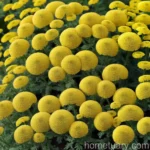
The ‘White Pompon’ variety of feverfew is particularly favored for its ornamental value. Its delicate, daisy-like flowers add a touch of elegance to garden borders, rock gardens, and containers. The compact growth habit and profusion of blooms make it a delightful addition to any landscape or garden setting.
Fertilizer
Applying a balanced, all-purpose fertilizer once a month during the growing season can support the vigorous growth and blooming of feverfew. Opt for a fertilizer with an N-P-K ratio of 10-10-10 or similar, ensuring that it provides essential nutrients without promoting excessive foliage growth at the expense of flowers.
Pruning
Pruning feverfew is beneficial for maintaining its compact shape and encouraging continuous blooming. Deadheading spent flowers and removing any damaged or wilted foliage can promote the production of new blooms and keep the plant looking tidy. Additionally, trimming the plant back by one-third in late summer can prevent it from becoming leggy and promote a bushier growth habit.
Propagation
Propagating feverfew is relatively straightforward and can be accomplished through two primary methods:
- Seed Propagation: Sow feverfew seeds directly in the garden or in containers after the last frost date. Keep the soil consistently moist until the seeds germinate, which typically takes 14-21 days. Thin the seedlings to ensure proper spacing once they have developed their first set of true leaves.
- Division: Dividing mature feverfew plants every 2-3 years in early spring can rejuvenate the plant and promote healthier growth. Carefully lift the plant from the ground, divide the root ball into sections, and replant the divisions in suitable locations. Ensure that each division has ample roots and foliage to support its growth.
Container Popularity
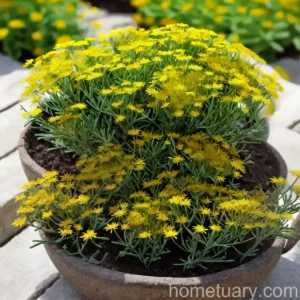
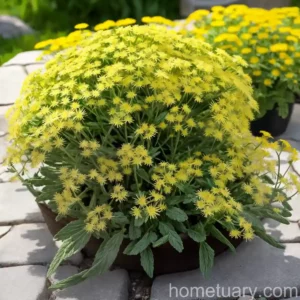
Feverfew is well-suited to container cultivation, making it an excellent choice for individuals with limited garden space or those looking to bring its charm to patios, balconies, or indoor settings. Its compact growth habit and profusion of blooms make it a delightful addition to containers, and its medicinal properties can be easily accessed when grown in proximity to the kitchen.
Container Care
When growing feverfew in containers, it is crucial to provide it with adequate care to facilitate healthy growth and blooming. Here are some essential tips for container cultivation:
- Container Size: Choose a container that is at least 12 inches in diameter and has drainage holes to prevent waterlogging.
- Potting Mix: Use a well-draining, high-quality potting mix to provide essential aeration to the roots and support healthy growth.
- Watering: Containers can dry out more quickly than garden soil, so monitor the moisture levels closely and provide regular watering to keep the soil evenly moist.
- Fertilization: Feed container-grown feverfew with a diluted, balanced liquid fertilizer every 3-4 weeks during the growing season to supply essential nutrients.
Common Diseases
Feverfew is relatively resistant to pests and diseases, but it is not entirely immune to certain issues. Being aware of the common diseases that can affect feverfew is essential for prompt identification and mitigation.
Disease Diagnosis
Feverfew may be susceptible to the following diseases:
- Powdery Mildew: This fungal disease appears as a powdery white substance on the leaves, stems, and flowers. It can hinder growth and decrease the plant’s visual appeal.
- Rust: Rust is identified by the presence of orange or reddish-brown spots on the foliage. It can weaken the plant and diminish its overall health if left unchecked.
- Leaf Spot: Leaf spot manifests as dark lesions on the leaves, often causing them to yellow and drop prematurely. It can compromise the plant’s ability to photosynthesize effectively.
Common Pests
While feverfew is generally resistant to pests, it may occasionally attract certain insects. Keeping an eye out for these pests allows for early intervention and prevents their populations from escalating:
- Aphids: These small, soft-bodied insects can cluster on the undersides of the leaves and excrete honeydew, which can attract sooty mold. They can be dislodged with a strong stream of water or controlled with insecticidal soap.
- Spider Mites: These tiny pests are often found on the undersides of leaves, where they feed on plant juices and cause stippling. Regularly misting the plants can deter spider mites, as they prefer dry conditions.
Botanist’s Tips
As a botanist, here are some essential tips for successfully growing and caring for feverfew:
- Prune Regularly: Regular deadheading and occasional pruning can keep feverfew looking tidy and encourage continuous blooming.
- Monitor Moisture Levels: Aim to keep the soil consistently moist, particularly during dry spells, to support healthy growth and abundant blooms.
- Harvest Mindfully: When using feverfew for its medicinal properties, harvest the leaves and flowers mindfully to ensure that the plant can regenerate and continue to thrive.
- Divide Periodically: Dividing mature feverfew plants every few years can refresh their growth and promote their longevity in the garden.
Fun Facts
Feverfew is rich in history and folklore, and it boasts a range of intriguing facts:
- Historical Remedy: Feverfew has long been used as a traditional remedy for various ailments, earning it a place in folk medicine and natural healing practices.
- Symbolism: In some cultures, feverfew is associated with protection and prevention, symbolizing warding off harm and promoting overall well-being.
- Culinary Tradition: While not widely utilized in modern cuisine, feverfew leaves and flowers were historically used in a range of culinary applications, particularly in earlier herbal traditions.
Links to External Resources
To continue exploring the captivating world of feverfew and its diverse uses, here are some valuable external resources:
- Royal Horticultural Society – Feverfew Cultivation
- University of Maryland Medical Center – Feverfew Information
- North Carolina State University – Feverfew Production Guide
- Missouri Botanical Garden – Tanacetum parthenium ‘White Pompon’
Feverfew (Tanacetum parthenium ‘White Pompon’) is an enchanting and valuable plant that transcends traditional gardening and finds itself deeply integrated into herbal practices and holistic health. Its ease of cultivation, resilience, and diverse uses make it an asset to any garden, and its rich history only adds to its allure. Whether used for natural remedies, ornamental beauty, or culinary subtleties, feverfew continues to captivate and benefit those who appreciate its unique qualities.