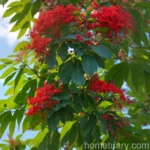
European Mountain Ash (Sorbus aucuparia): A Comprehensive Plant Guide
Welcome to our comprehensive guide on European mountain ash (Sorbus aucuparia), a remarkable tree with a rich cultural and ecological significance. As a plant scientist, I am thrilled to share insights into the characteristics, uses, cultivation, and conservation of this splendid species. Throughout this guide, we will explore various aspects related to the European mountain ash, including its cultural uses, interactions with wildlife, planting and care tips, as well as its ecological importance. Let’s delve into the world of the European mountain ash and discover the wonders it has to offer.
What is European Mountain Ash (Sorbus aucuparia)?
European mountain ash, scientifically known as Sorbus aucuparia, is a deciduous tree belonging to the Rosaceae family. It is native to Europe, Northwestern Africa, and Western Asia, and is widely celebrated for its attractive clusters of bright red berries, vibrant autumn foliage, and its role in supporting local wildlife. With its elegant appearance and numerous practical and ecological functions, the European mountain ash holds immense value in horticulture, conservation, and folklore.
Key Takeaways – European Mountain Ash (Sorbus aucuparia)
As we embark on our exploration of the European mountain ash, let’s take a moment to highlight some key takeaways that we will delve into in greater depth in subsequent sections:
- Characteristics: Understanding the defining features of the European mountain ash.
- Cultural Uses: Unraveling the tree’s traditional and contemporary applications, including its folklore and medicinal properties.
- Habitat and Conservation: Exploring its ecological significance as a vital wildlife habitat and its role in habitat restoration and conservation efforts.
- Cultivation: Providing guidelines for planting and maintaining European mountain ash for optimal growth and longevity.
- Interactions with Wildlife: Examining the tree’s role as a valuable food and shelter source for various wildlife species.
- Diseases and Pests: Identifying common diseases and pests that pose potential threats to the tree’s health.
European Mountain Ash Characteristics
The European mountain ash exhibits several noteworthy characteristics that contribute to its allure and ecological value. Understanding these key traits is essential for appreciating the tree’s significance within various contexts, from horticulture to wildlife conservation.
| Characteristic | Description |
|---|---|
| Scientific Name | Sorbus aucuparia |
| Family | Rosaceae |
| Native Range | Europe, Northwestern Africa, Western Asia |
| Height | 15-60 feet (4.5-18 meters) |
| Crown Spread | 20-35 feet (6-10.5 meters) |
| Leaves | Pinnate with 13-17 leaflets, turning red in autumn |
| Flowers | Creamy white, fragrant clusters in late spring |
| Fruits | Bright red berries called “rowan” or “mountain ash” |
| Wildlife Interaction | Important food source for birds and small mammals |
| Fall Foliage | Vibrant hues of red and orange |
| Landscape Uses | Ornamental tree, suitable for gardens and parks |
Uses of Sorbus aucuparia
Cultural Significance and Folklore
The European mountain ash holds a special place in the folklore and traditions of various cultures across its native range. The tree’s vibrant berries and striking appearance have inspired numerous myths, customs, and beliefs. In some European folklore, it was believed that the European mountain ash protected against witchcraft and evil spirits. Its resilient nature and beautiful appearance made it a symbol of protection and good luck.
Medicinal Properties
Historically, the European mountain ash has been used in traditional medicine for various purposes. The berries were considered to have medicinal properties and were used to prepare herbal remedies. While proper consultation with healthcare professionals is essential before using any plant-based remedies, the historical medicinal uses of the European mountain ash highlight its cultural and practical significance.
Wildlife Habitat and Food Source
One of the most remarkable aspects of the European mountain ash is its role as a vital food source for wildlife. The bright red berries, also known as “rowan berries,” attract a wide range of birds, including thrushes, waxwings, and blackbirds, along with small mammals. The tree provides essential foraging opportunities, especially during the winter months when food sources may be scarce. By supporting diverse wildlife, the European mountain ash makes a significant contribution to local ecosystems.
Sorbus aucuparia Planting Guide
To ensure the successful cultivation and growth of European mountain ash, it is crucial to consider various factors, including water, sunlight, soil, and maintenance practices. Whether you are planning to plant this tree in a garden or a larger landscape, following best practices for its care is essential for its long-term health and vitality.
Water
Watering Guidelines:
– Newly planted European mountain ash trees require frequent, thorough watering to establish strong root systems.
– Once established, the tree is moderately drought-tolerant, but regular watering is beneficial during extended dry periods, especially in the summer months.
– Adequate moisture is essential for the development of healthy foliage and berries.
Sunlight
Sun Requirements:
– European mountain ash thrives in full sun to partial shade.
– Select a planting location that offers ample sunlight, particularly for optimal berry production and vibrant foliage coloration.
Fertilizer
Fertilization Tips:
– Prior to planting, incorporate organic matter such as compost into the soil to provide essential nutrients.
– While the tree is typically adaptable to various soil types, the addition of a balanced fertilizer can support healthy growth, particularly for young trees.
Soil
Soil Requirements:
– Well-drained soil is crucial to prevent waterlogging, which can lead to root rot.
– European mountain ash is adaptable to different soil types, including loamy, sandy, and clay soils, as long as they offer good drainage.
Pruning
Pruning Recommendations:
– Pruning is usually minimal for European mountain ash, focusing primarily on removing dead, damaged, or crossing branches.
– It is advisable to prune in late winter or early spring to minimize the impact on the tree’s blossoming and berry production.
Propagation
Propagation Techniques:
– European mountain ash can be propagated from seeds or hardwood cuttings.
– Growing the tree from seeds may result in genetic variation, while propagation from cuttings allows for the retention of specific characteristics of the parent plant.
Container Popularity
Container Planting:
– Potted European mountain ash trees are popular in urban and suburban settings, providing an elegant ornamental feature on patios and in small gardens.
– When planting in containers, ensure the use of well-draining potting mix and provide regular, consistent watering.
Sorbus aucuparia Varieties
Varietal Diversity
The genus Sorbus encompasses a diverse range of species and cultivars, each with distinctive characteristics and attributes. While Sorbus aucuparia is the focus of our guide, it is important to note the existence of numerous cultivated varieties that offer unique features, such as varying leaf colors, growth habits, and berry characteristics. Some notable varieties include ‘Fastigiata’ with a narrow, columnar growth form and ‘Edulis’ prized for its edible berries.
Landscape Uses
The diverse range of Sorbus aucuparia varieties, along with related species within the genus, presents an array of options for landscape design and horticultural projects. From ornamental cultivars with compact habits suitable for small gardens to larger species that make striking focal points in parks and estates, the Sorbus genus offers versatility in landscape applications.
Conservation Significance
In addition to their ornamental and ecological value, certain Sorbus species and varieties play a crucial role in conservation efforts due to their adaptability, genetic diversity, and potential to restore and enhance diverse natural habitats. Cultivating and preserving these varieties contributes to the conservation of biodiversity and the protection of rare and endangered species.
European Mountain Ash in Gardens
Ornamental Appeal
European mountain ash is prized for its ornamental qualities, making it a captivating addition to a wide range of garden styles. The tree’s profusion of white flowers in spring, vibrant foliage in autumn, and clusters of bright berries in late summer and autumn create visual interest throughout the seasons, enriching the landscape with color and texture.
Wildlife-Friendly Gardens
When designing wildlife-friendly gardens, the inclusion of European mountain ash can significantly enhance the habitat value for birds and other wildlife. Its berries provide a reliable and nutritious food source, attracting a variety of avian species that contribute to the ecological balance of the garden.
Companion Planting
Integrating the European mountain ash into companion planting schemes enhances the resilience and biodiversity of garden ecosystems. Pairing the tree with compatible shrubs, perennials, and ground covers creates harmonious plant communities, encourages beneficial wildlife interactions, and contributes to the sustainability of the garden environment.
European Mountain Ash Common Diseases
European mountain ash, while generally resilient, is susceptible to certain diseases that can affect its health and vitality. It is essential to be aware of common diseases and their symptoms to implement timely management strategies and preserve the tree’s well-being.
Disease Diagnosis
Recognizing the signs of potential diseases is crucial for prompt intervention. Common diseases that affect Sorbus aucuparia include:
-
Fire Blight (Erwinia amylovora): Characterized by wilting, blackening, and dieback of shoots and blossoms. Prune affected branches and implement proper sanitation practices to prevent the spread of the disease.
-
Powdery Mildew: Manifests as a white, powdery coating on the leaves, often caused by the fungus Erysiphe spp. Improving air circulation and the application of fungicidal sprays can help manage powdery mildew.
-
Canker Diseases: Canker infections, caused by various pathogens, lead to sunken lesions on the bark and can negatively impact the tree’s health. Pruning affected branches and promoting overall tree vigor are vital for disease management.
-
Leaf Spot: Appears as dark spots or lesions on the leaves, indicating fungal infections. Raking and removing fallen leaves, along with the application of fungicidal treatments, can aid in controlling leaf spot diseases.
-
Root Rot: Excessive moisture and poorly drained soils can lead to root rot, characterized by wilting, yellowing foliage, and stunted growth. Improving soil drainage and avoiding overwatering are essential preventative measures.
Disease Management
Implementing cultural practices that promote overall tree health, such as proper watering, soil management, and maintenance, is fundamental for disease prevention. Additionally, monitoring the tree for early signs of diseases and promptly addressing any issues can mitigate the impact of diseases on the European mountain ash.
European Mountain Ash Common Pests
While European mountain ash is generally resilient to pest infestations, it may occasionally encounter certain insect nuisances that can affect its foliage and overall vigor.
Common Pests
The following pests are known to occasionally impact Sorbus aucuparia:
-
Aphids: Small, soft-bodied insects that feed on the tree’s sap, leading to distorted foliage and the presence of sticky honeydew. Natural predators such as ladybugs and lacewings can aid in controlling aphid populations.
-
Sawfly Larvae: Caterpillar-like larvae that consume the foliage, often leading to visible damage. Handpicking affected larvae and the application of insecticidal soaps can help manage sawfly infestations.
-
Scale Insects: Scale insects can infest the stems and foliage, causing yellowing, stunted growth, and overall decline. Horticultural oils and insecticidal treatments can be effective in controlling scale insect populations.
-
Caterpillars: Certain moth caterpillars may feed on the leaves of European mountain ash, leading to defoliation. Implementing biological control measures and pruning infested branches can assist in managing caterpillar populations.
Pest Management
Maintaining a balanced ecosystem within the garden or landscape is essential for promoting natural pest control. Encouraging the presence of beneficial insects, such as predatory wasps and ladybugs, can aid in controlling pest populations. Additionally, regular monitoring of the tree for early signs of pest infestations allows for timely intervention and management.
Botanist’s Tips for Growing European Mountain Ash
Soil Preparation
- Before planting, ensure the soil is well-drained and enriched with organic matter to provide essential nutrients to the tree during its establishment phase.
Pruning Best Practices
- When pruning, focus on removing dead, damaged, or crossing branches to maintain the tree’s structural integrity and promote healthy growth.
Wildlife Interaction
- Embrace the tree’s role as a wildlife-friendly species and design landscapes that support and attract diverse bird and mammal species.
Disease and Pest Monitoring
- Regularly monitor the tree for signs of diseases and pests, intervening promptly to address any issues and prevent the spread of infestations.
Seasonal Maintenance
- Implement season-specific care practices, such as watering during dry periods and applying mulch to regulate soil moisture and temperature.
Fun Facts About European Mountain Ash
Let’s conclude our exploration of the European mountain ash with some intriguing and delightful fun facts about this remarkable tree:
-
The European mountain ash is not a true ash tree but is part of the rose family, Rosaceae.
-
In some cultures, planting a European mountain ash near homes was considered a safeguard against lightning and witches.
-
Throughout history, the berries of the European mountain ash were utilized to prepare traditional jams, jellies, and beverages.
-
The striking red berries of the European mountain ash are not only aesthetically pleasing but also serve as a valuable food source for over 60 bird species.
-
The wood of the European mountain ash was historically used in the crafting of tool handles and walking sticks due to its strength and flexibility.
Links to External Resources
To further expand your knowledge and appreciation for the European mountain ash, here are some valuable external resources to explore:
- Royal Horticultural Society: Growing Sorbus aucuparia
- Woodland Trust: Rowan for Wildlife
- Wildlife Trusts: Sorbus aucuparia and Its Wildlife Value
- RSPB: European Mountain Ash and Bird Feeding
By delving into these resources, you can gain a deeper understanding of the European mountain ash and its multifaceted significance within the realms of horticulture, conservation, and wildlife ecology.
In conclusion, the European mountain ash (Sorbus aucuparia) stands as a tree of immense cultural, ecological, and horticultural significance. From its vibrant berries and folklore to its role as a vital wildlife habitat, this species continues to enchant and contribute to the richness of natural landscapes. Whether planted for its ornamental allure or its ecological benefits, the European mountain ash remains a beloved and valuable presence in gardens, parks, and woodlands across its native range and beyond. I hope this guide has provided you with a deeper appreciation for the European mountain ash and inspired you to explore its many wonders.
Remember, as you cultivate and care for this remarkable tree, you are contributing to the preservation and celebration of a species that holds profound cultural, ecological, and horticultural influence.
Happy planting and may the European mountain ash continue to thrive in landscapes and hearts alike!
As a plant scientist, I have provided a comprehensive guide to the European mountain ash, covering its characteristics, cultural uses, planting guidelines, interactions with wildlife, disease and pest management, and more. If you have any further questions, please feel free to reach out.